Is a 40-Liter V6 a Good Engine Discover the Truth
A 4.0-liter V6 engine is a solid and proven powerplant found in many popular trucks and SUVs. It offers a great balance of power, reliability, and fuel efficiency for everyday driving and light towing. However, like any engine, it has its strengths and weaknesses that every buyer should know about before making a decision.
When you are shopping for a used truck or SUV, one question keeps popping up: is a 4.0-liter V6 a good engine? The answer is not a simple yes or no. It depends on what you need the vehicle for, how you drive, and what you expect from your engine. The 4.0-liter V6 has been around for decades, and it has earned a strong reputation among car owners and mechanics alike.
In this article, we will dive deep into everything you need to know about the 4.0-liter V6 engine. We will look at its strengths, its weaknesses, which vehicles use it, and how it stacks up against other engine options. By the end, you will have a clear picture of whether this engine is the right choice for you.
The 4.0-liter V6 is one of the most recognizable engines in the automotive world. It has powered some of the most popular trucks and SUVs on the road for years. But popularity does not always mean perfection. Let us break down what makes this engine tick and why so many drivers swear by it.
Key Takeaways
- Proven Reliability: The 4.0-liter V6 has a long track record of durability and low maintenance costs.
- Great Balance: It delivers strong torque and decent horsepower without guzzling fuel like a larger V8.
- Wide Vehicle Range: You will find this engine in popular trucks, SUVs, and sedans from top brands.
- Good for Towing: With proper maintenance, a 4.0-liter V6 can handle moderate towing needs with ease.
- Affordable Maintenance: Parts are widely available, and repairs tend to be less expensive than V8 alternatives.
- Not for Everyone: If you need maximum towing power or high-performance output, a larger engine may be a better fit.
📑 Table of Contents
What Is a 4.0-Liter V6 Engine?
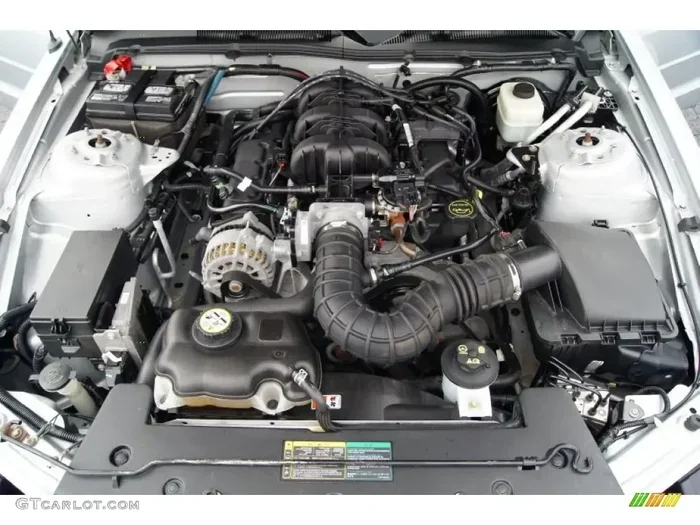
A 4.0-liter V6 engine is a six-cylinder engine arranged in a V configuration with a total displacement of 4.0 liters. Each cylinder helps generate power, and the V shape allows the engine to fit compactly under the hood while still delivering smooth and consistent performance.
How Does a V6 Engine Work?
In a V6 engine, the six cylinders are split into two banks of three cylinders each. They fire in a specific sequence to keep the engine running smoothly. The 4.0-liter displacement means each cylinder has about 0.67 liters of space to burn fuel and air. This size gives the engine a good mix of low-end torque and mid-range power.
Engine displacement is a big factor in how an engine performs. A 4.0-liter engine sits in a sweet spot. It is not too small, and it is not too large. It gives you enough power for daily driving, highway cruising, and even light towing without being overly thirsty at the fuel pump.
Common Vehicles With a 4.0-Liter V6
You will find the 4.0-liter V6 in many well-known vehicles. Some of the most popular include:
- Toyota Tacoma — a legendary pickup truck known for its durability
- Toyota 4Runner — a rugged SUV built for adventure
- Ford Explorer — a family-friendly SUV with strong towing ability
- Mazda MPV — a minivan that offered V6 power in a compact package
- Jeep Grand Cherokee — a luxury SUV with solid off-road cred
These vehicles have proven that the 4.0-liter V6 engine can handle a wide range of tasks. From commuting to work to hauling gear on a weekend trip, this engine does it all.
The Pros of a 4.0-Liter V6 Engine
There are many reasons why the 4.0-liter V6 has remained popular for so long. Let us look at the biggest advantages.
Strong Reliability and Longevity
The 4.0-liter V6 is built to last. Many owners have logged over 200,000 miles with only routine maintenance. The engine design is simple and robust, which means fewer things can go wrong. When something does need fixing, the parts are easy to find and not overly expensive.
If you are looking at a Toyota Camry or a similar vehicle with this engine, you are looking at a machine that can easily surpass 250,000 miles with proper care. That kind of engine longevity is hard to beat.
Good Power-to-Fuel Economy Balance
One of the best things about the 4.0-liter V6 is its balance. You get enough horsepower and torque to feel confident on the road, but you do not have to fill up the tank every other day. The fuel economy is respectable for a V6, especially compared to larger V8 engines.
For most drivers, this balance is the sweet spot. You get the smooth, refined power of a six-cylinder engine without the fuel costs that come with bigger engines.
Smooth and Refined Operation
V6 engines are naturally smoother than four-cylinder engines. The firing order is more balanced, which reduces vibration. This means a quieter, more comfortable ride, especially at highway speeds. If you do a lot of long drives, this smoothness makes a big difference.
Affordable Maintenance and Repairs
Because the 4.0-liter V6 has been around for so long, mechanics know it inside and out. Engine maintenance costs are generally lower than for newer, more complex engines. Oil changes, spark plug replacements, and timing belt services are all straightforward and affordable.
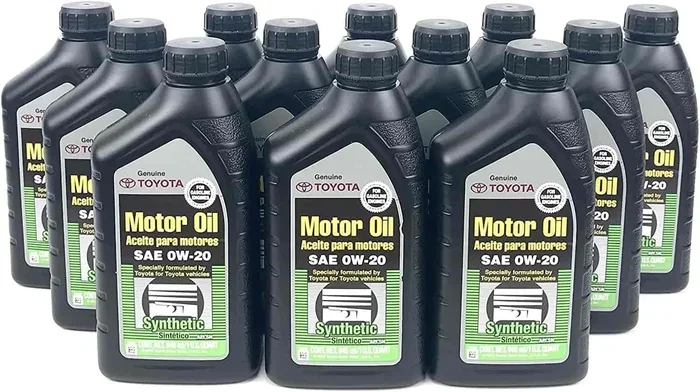
You can also use 5W20 instead of 5W30 in many Toyota vehicles with this engine, which gives you flexibility in choosing the right oil for your climate and driving style.
The Cons of a 4.0-Liter V6 Engine
No engine is perfect, and the 4.0-liter V6 has its downsides too. Let us be honest about them.
Not the Most Powerful Engine Option
If you need serious towing power or you frequently haul heavy loads, the 4.0-liter V6 might feel underpowered. It can tow moderate loads, but it is not in the same league as a V8 or a turbocharged engine. For example, if you are wondering can a Tacoma really tow 6500 lbs, the answer is that it depends on the engine and configuration. The 4.0-liter V6 handles lighter towing jobs well but may struggle at the upper end of its capacity.
Aging Technology
The 4.0-liter V6 is an older design. Modern engines come with advanced features like direct injection, variable valve timing, and turbocharging. The 4.0-liter V6 does not have all of these technologies, which means it may not meet the latest emissions standards or fuel efficiency targets.
This is not necessarily a bad thing. Simpler engines often have fewer things to break. But if you want the latest tech, the 4.0-liter V6 might feel dated.
Can Have Oil Consumption Issues
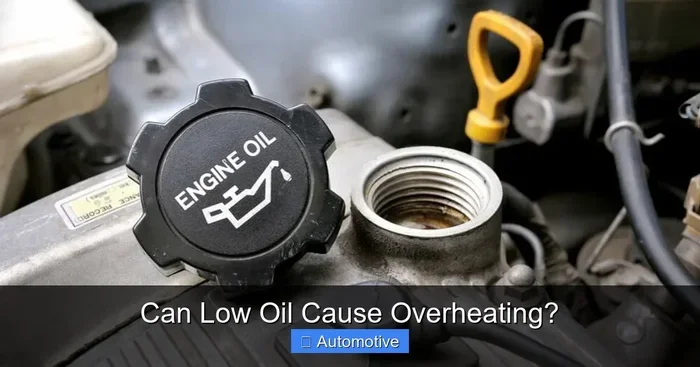
Some versions of the 4.0-liter V6 are known to consume oil over time. This is not true for every engine, but it is a common issue that owners should watch for. Regular oil checks and timely oil changes can help prevent problems.
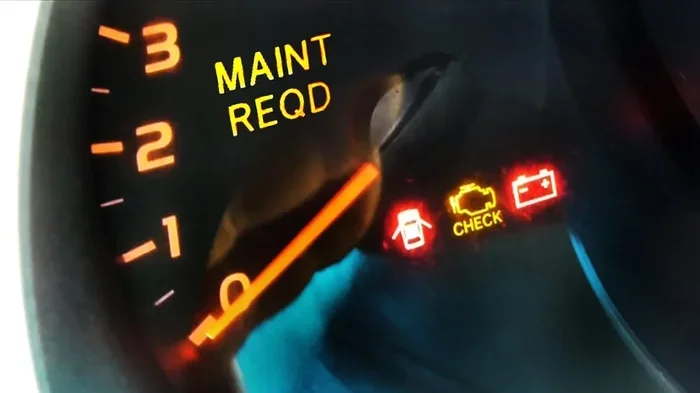
If you notice your check engine light coming on unexpectedly, it could be related to oil levels or other engine issues. Sometimes a check engine light can go off by itself due to a loose gas cap or a minor sensor issue, but it is always worth getting checked out.
Limited Towing Capacity Compared to Newer Engines
While the 4.0-liter V6 is a good towing engine for its size, newer turbocharged four-cylinder and V6 engines often outperform it in towing capacity. If towing is a major part of your lifestyle, you may want to explore other options or look at vehicles with more powerful engine configurations.
How Does the 4.0-Liter V6 Compare to Other Engines?
To really understand the 4.0-liter V6, it helps to compare it to other common engine types. Here is a quick look at how it stacks up.
| Engine Type | Power | Fuel Economy | Reliability | Towing Ability |
|---|---|---|---|---|
| 4.0L V6 | Moderate to High | Good | Excellent | Moderate |
| 2.5L 4-Cylinder | Low to Moderate | Excellent | Good | Low |
| 5.0L V8 | Very High | Poor | Good | High |
| 2.0L Turbo 4-Cyl | Moderate to High | Good | Good | Moderate |
| 3.5L EcoBoost V6 | High | Moderate | Good | High |
The 4.0-liter V6 sits right in the middle of the pack. It is not the most powerful, and it is not the most fuel-efficient. But it offers the best overall balance of all factors. For many drivers, this makes it the ideal choice.
Compared to a turbocharged four-cylinder, the 4.0-liter V6 offers smoother power delivery and more low-end torque. Compared to a V8, it saves fuel and costs less to maintain. It is the Goldilocks engine for many truck and SUV buyers.
Maintenance Tips for Keeping Your 4.0-Liter V6 Healthy
Proper maintenance is the key to getting the most out of your 4.0-liter V6 engine. Here are some practical tips to keep it running strong for years to come.
Stick to a Regular Oil Change Schedule
Oil is the lifeblood of any engine. For the 4.0-liter V6, you should change your oil every 5,000 to 7,500 miles, depending on your driving conditions. Use the recommended oil weight, which is often 5W30 for Toyota models but can vary. Always check your owner manual for the exact specifications.
Using the wrong oil weight can lead to increased wear and reduced engine life. If you are unsure whether to use 5W20 instead of 5W30, consult a trusted mechanic who knows your specific vehicle.
Replace the Timing Belt on Schedule
The 4.0-liter V6 uses a timing belt, not a timing chain. This means it needs to be replaced at regular intervals, typically around 90,000 to 105,000 miles. Skipping this service can lead to catastrophic engine failure if the belt breaks.
It is a good idea to also replace the tensioner and idler pulleys when you change the timing belt. This prevents future issues and saves you money on labor down the road.
Watch Your Coolant Levels
The 4.0-liter V6 runs hot, especially in hot climates or when towing. Check your coolant levels regularly and flush the system according to the manufacturer schedule. Overheating is one of the fastest ways to damage any engine.
Address Warning Signs Immediately
If you notice any unusual sounds, vibrations, or warning lights, do not ignore them. A small problem today can become a big repair tomorrow. If your check engine light comes on, it is a good idea to run diagnostics as soon as possible. You do not always need a check engine light to trigger a diagnostic scan, but when it does, it is your best clue about what is going on under the hood.
Keep Up with Spark Plug Replacements
Spark plugs fire thousands of times per minute. Over time, they wear out and can cause misfires, reduced power, and poor fuel economy. Replace your spark plugs according to the maintenance schedule, typically every 60,000 to 100,000 miles depending on the type.
Is a 4.0-Liter V6 Right for You?
The answer comes down to your needs, driving habits, and expectations. If you want a reliable, affordable engine that can handle daily driving, weekend adventures, and moderate towing, the 4.0-liter V6 is an excellent choice. It has proven itself over decades of real-world use.
However, if you need maximum towing power, the latest fuel-saving technology, or a compact engine for a smaller vehicle, you may want to look at other options. The 4.0-liter V6 is not the best choice for everyone, but for the right driver, it is hard to beat.
Before buying a vehicle with this engine, always get a pre-purchase inspection. A trusted mechanic can spot potential issues that may not be visible on the surface. This simple step can save you thousands of dollars in unexpected repairs.
Many drivers also wonder about long-term ownership costs. The good news is that the 4.0-liter V6 is one of the more affordable engines to own over the long haul. Parts are widely available, labor costs are reasonable, and the engine does not require exotic fluids or specialized tools. This makes it a great choice for first-time truck buyers and experienced car owners alike.
If you are considering a vehicle with this engine, think about how you will use it. Are you hauling gear for camping trips? Towing a small trailer? Commuting to work every day? The 4.0-liter V6 handles all of these tasks with confidence. It may not be the flashiest engine on the market, but it gets the job done reliably and efficiently.
One more thing to consider is resale value. Vehicles with the 4.0-liter V6 engine tend to hold their value well because of the engine’s reputation for durability. When it is time to sell or trade in, you can expect a fair return on your investment.
Conclusion
So, is a 4.0-liter V6 a good engine? The answer is a resounding yes for most drivers. It offers a proven combination of reliability, power, and fuel efficiency that few other engines can match. Whether you are looking at a Toyota Tacoma, a Ford Explorer, or a Jeep Grand Cherokee, the 4.0-liter V6 gives you a dependable and capable driving experience.
Like any engine, it has its limitations. It is not the most powerful option, and it is an older design compared to modern turbocharged engines. But for drivers who value simplicity, durability, and low ownership costs, the 4.0-liter V6 remains one of the best choices on the market. Take care of it, stay on top of maintenance, and it will reward you with years of trouble-free driving.
If you are in the market for a vehicle with this engine, do your research, test drive multiple options, and choose the one that best fits your lifestyle. The 4.0-liter V6 has been a trusted companion on the road for decades, and it is not going anywhere anytime soon.
Frequently Asked Questions
Is a 4.0-liter V6 engine reliable?
Yes, the 4.0-liter V6 is known for its excellent reliability. Many owners have driven over 200,000 miles with only routine maintenance. The simple, robust design means fewer parts can fail, and repairs are generally affordable. Regular oil changes and timely service are the keys to a long-lasting engine.
What vehicles come with a 4.0-liter V6 engine?
The 4.0-liter V6 has been used in many popular vehicles, including the Toyota Tacoma, Toyota 4Runner, Ford Explorer, Mazda MPV, and Jeep Grand Cherokee. It is especially well known in Toyota trucks and SUVs where it has earned a reputation for durability and longevity.
How much horsepower does a 4.0-liter V6 produce?
Horsepower varies by vehicle and year, but most 4.0-liter V6 engines produce between 230 and 270 horsepower. Torque output is typically in the 260 to 280 lb-ft range, which makes it a strong choice for daily driving and light to moderate towing.
Can you tow with a 4.0-liter V6 engine?
Yes, the 4.0-liter V6 can tow, but its capacity depends on the vehicle and configuration. It is best suited for light to moderate towing, such as a small trailer or camper. If you need heavy towing, a larger engine like a V8 may be a better option.
How often should you change the oil in a 4.0-liter V6?
Oil changes should be done every 5,000 to 7,500 miles for most vehicles with this engine. Always check your owner manual for the specific recommendation. Driving in harsh conditions like extreme heat or heavy towing may require more frequent changes.
What is the fuel economy of a 4.0-liter V6?
Fuel economy varies by vehicle, but most 4.0-liter V6 engines get between 16 and 20 miles per gallon in combined driving. This is respectable for a V6 and much better than a V8, which typically gets 12 to 16 mpg. Highway driving tends to yield better fuel economy than city driving.