How to Reset Low Washer Fluid Light on Nissan Altima
The low washer fluid light on your Nissan Altima can stay on even after you refill the reservoir. This guide walks you through the exact steps to reset the warning light and get your dashboard back to normal. You will learn how to locate the washer fluid reservoir, check fluid levels, and perform the reset procedure in under five minutes. Resetting the low washer fluid light on Nissan Altima is a simple DIY task that every owner should know.
Driving your Nissan Altima and suddenly noticing a blue windshield icon glowing on the dashboard can catch anyone off guard. The low washer fluid light on Nissan Altima is one of those warnings that seems minor but can be annoying if it won’t go away. Whether you just topped off the reservoir or the light refuses to turn off, this guide has you covered. Resetting the low washer fluid light on Nissan Altima is a straightforward process that takes just a few minutes. You do not need any special tools or a trip to the mechanic for most cases.
Many Altima owners assume the light will turn off on its own once they add more fluid. But that is not always what happens. The washer fluid warning system on the Nissan Altima relies on a sensor inside the reservoir to detect fluid levels. Sometimes that sensor gets stuck, or air gets trapped, and the light stays on. This article breaks down everything you need to know about resetting the washer fluid light, why it might stay lit, and how to keep your dashboard clean and accurate. Let us dive in.
Key Takeaways
- Easy DIY Fix: Resetting the washer fluid light on a Nissan Altima is a quick task you can do at home without a mechanic.
- Simple Steps: The process involves locating the reservoir, refilling if needed, and using the dashboard controls to clear the warning.
- Common Causes: A faulty sensor, cracked reservoir, or leftover air in the system can keep the light on even after refilling.
- Preventive Care: Regularly checking your washer fluid level helps avoid driving with a cracked windshield visibility issue.
- When to See a Pro: If the light persists after resetting, it may signal a deeper electrical or sensor problem that needs professional diagnosis.
📑 Table of Contents
- Understanding the Low Washer Fluid Light on Your Nissan Altima
- Locating the Washer Fluid Reservoir on a Nissan Altima
- Step-by-Step Guide to Reset the Washer Fluid Light
- Common Reasons the Washer Fluid Light Stays On
- Preventive Maintenance Tips for Your Nissan Altima
- When to Seek Professional Help
- Conclusion
Understanding the Low Washer Fluid Light on Your Nissan Altima
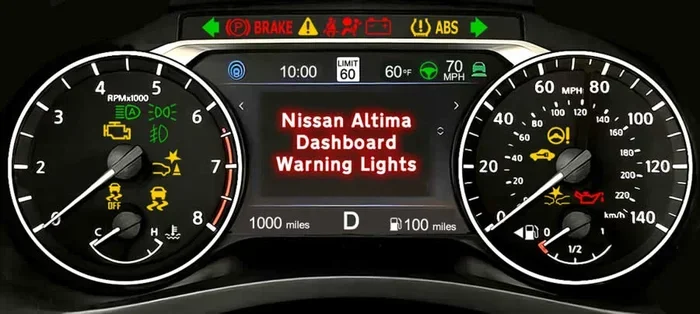
The low washer fluid light is a small blue icon that looks like a windshield with wiper lines. It appears on your dashboard when the washer fluid drops below a certain level. This dashboard indicator is part of your Nissan Altima’s broader vehicle maintenance alert system. The system is designed to remind you to refill the windshield washer reservoir before it runs completely dry.
Unlike oil pressure or engine temperature warnings, the washer fluid light is not an emergency alert. However, driving without washer fluid can reduce your visibility, especially in rain, snow, or dusty conditions. Keeping your washer fluid topped off is a basic part of Nissan Altima maintenance that many people overlook until the light comes on. The light is connected to a float sensor inside the reservoir. When the fluid level drops, the float lowers and triggers the warning.
Why the Light Might Not Turn Off Automatically
There are a few reasons the washer fluid warning might stay on even after you add fluid. The most common cause is a stuck float sensor. Over time, dirt and grime can build up inside the reservoir and prevent the float from moving freely. Another possibility is air trapped in the system. When you refill the reservoir, air bubbles can confuse the sensor into thinking the fluid is still low.
In some cases, the wiring or connector to the sensor may be corroded or loose. This is more common in older Altima models with higher mileage. A cracked or warped reservoir can also cause the sensor to give false readings. If you notice the light flickering or coming on randomly, these could be the culprits. Understanding the root cause helps you decide whether a simple reset will work or if you need deeper inspection.
Locating the Washer Fluid Reservoir on a Nissan Altima
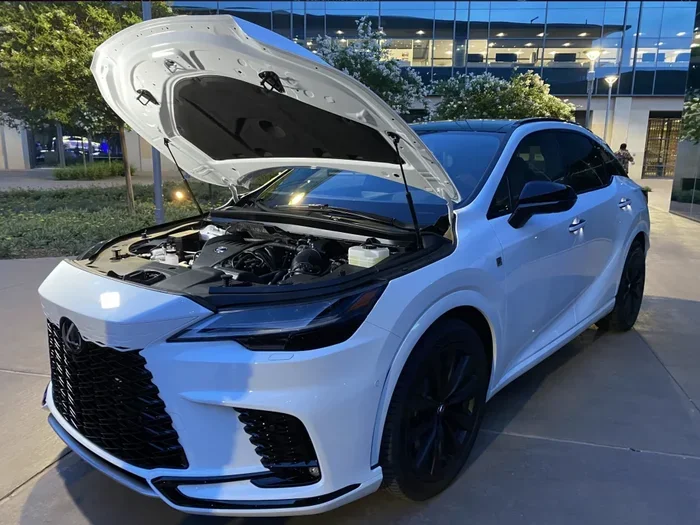
Before you can reset the light, you need to know where the washer fluid reservoir is. On the Nissan Altima, the reservoir is located in the engine bay, typically on the driver’s side near the firewall. It is a translucent plastic container with a blue or white cap that has a windshield wiper symbol on it. The cap is easy to spot because it stands out from other engine components.
Before you open the cap, make sure the engine is cool. You do not want to remove the cap while the engine is hot, as pressure buildup can cause fluid to spray out. Always check your owner’s manual for the exact location if you are unsure. The manual also specifies the recommended washer fluid type for your Altima. Using the right fluid matters, especially during winter months when you need freeze-resistant washer fluid to avoid damaging the system.
How to Check Your Washer Fluid Level
Checking the fluid level is the first step before any reset procedure. Open the hood and locate the reservoir. Most Nissan Altima reservoirs have minimum and maximum fill lines on the side. If the fluid is below the minimum line, go ahead and refill it with proper washer fluid. Do not use plain water, as it can freeze in cold weather and leave mineral deposits in the system.
After refilling, wipe the cap and surrounding area clean to prevent any dirt from entering the reservoir. A clean reservoir connection helps the sensor work accurately. If you notice the fluid was extremely low, check for leaks around the hoses and nozzles. A cracked hose or clogged nozzle can cause fluid to drain faster than normal. Regular fluid checks are a simple way to stay ahead of potential visibility problems on the road.
Step-by-Step Guide to Reset the Washer Fluid Light
Now that you know where the reservoir is and the fluid is topped off, it is time to reset the light. The process is slightly different depending on the model year of your Nissan Altima, but the general steps remain the same. Below is a detailed walkthrough that covers the most common reset methods.
Method 1: Using the Steering Wheel Controls
Most modern Nissan Altima models allow you to reset warning lights through the steering wheel controls. Start by turning the ignition to the “ON” position without starting the engine. Look for the “TRIP” button on the left side of the steering wheel. Press and hold the TRIP button for about five seconds.
The dashboard display should cycle through the different warning indicators. When you see the washer fluid icon highlighted, release the button and then press and hold it again for three seconds. The light should now turn off. This method works on most 2013 and newer Altima models. If the light does not turn off after the first attempt, try the process again. Sometimes it takes a second cycle for the system to register the reset.
Method 2: Using the Information Display Screen
For Altima models with a more advanced information display screen, the reset process is slightly different. Turn the ignition to the “ON” position. Navigate to the “Vehicle Info” menu using the arrow buttons on the steering wheel. Scroll down to “Maintenance” and then select “Wash Bottle.” The screen should display an option to reset the washer fluid level.
Press the “OK” or “Enter” button to confirm the reset. The blue washer fluid icon should disappear from the dashboard. This method gives you more control over individual maintenance reminders and can be used to reset other fluid alerts as well. If you are unsure which method applies to your specific Altima model, consult the owner’s manual or check online forums where other Altima owners share their experiences.
Method 3: Disconnecting the Battery (For Stubborn Lights)
If the light refuses to turn off using the steering wheel or display methods, you can try disconnecting the battery. This method resets all the electronic systems in your Altima, including the dashboard warning lights. Start by turning off the engine and removing the key from the ignition.
Open the hood and locate the battery. Use a wrench to loosen the negative terminal cable first and remove it from the battery post. Wait for about five to ten minutes, then reconnect the cable and tighten it securely. Turn the ignition back on and check if the washer fluid light has cleared. This method is a last resort because it also resets other settings like radio presets and clock time. If you go this route, be prepared to reconfigure those settings afterward.
Common Reasons the Washer Fluid Light Stays On
Sometimes resetting the light is only a temporary fix. If the light keeps coming back, there is an underlying issue you need to address. Understanding these common causes can save you time and frustration in the long run. Here are the most frequent reasons the washer fluid warning persists on a Nissan Altima.
- Faulty Float Sensor: The sensor inside the reservoir may be damaged or stuck. Even with the reservoir full, a bad sensor will keep triggering the light.
- Cracked Reservoir: A hairline crack in the plastic tank can cause fluid to slowly leak out, keeping the level low and the light on.
- Clogged Nozzle or Hose: If the washer fluid cannot flow properly through the system, it may not reach the sensor correctly, causing a false low reading.
- Corroded Connector: The electrical connector to the sensor can corrode over time, especially in vehicles exposed to road salt and moisture.
- Wrong Fluid Type: Using the wrong type of washer fluid, especially one that is too thick or contains additives, can interfere with the sensor’s operation.
If you have tried resetting the light multiple times and it keeps returning, do not ignore it. A persistent warning light is your car trying to tell you something. It is worth investigating further before the problem gets worse. In some cases, a simple sensor replacement can fix the issue for good.
Preventive Maintenance Tips for Your Nissan Altima
Prevention is always better than cure, and the same applies to Nissan Altima maintenance. Keeping your washer fluid system in good shape means fewer surprises and better visibility on the road. Here are some practical tips to help you stay ahead of washer fluid issues.
- Check Fluid Levels Monthly: Make it a habit to check your washer fluid level once a month. It takes less than two minutes and can prevent the light from coming on unexpectedly.
- Use Quality Washer Fluid: Always use washer fluid designed for automotive use. Avoid mixing different types of fluid, as this can cause residue buildup and sensor issues.
- Inspect the Reservoir Annually: Once a year, inspect the washer fluid reservoir for cracks, leaks, or discoloration. Catching a small crack early can prevent a bigger problem later.
- Clean the Nozzles Regularly: Washer fluid nozzles can clog with wax, dirt, and debris. Use a pin or compressed air to clear them out every few months.
- Top Off Before Long Trips: Before any road trip, make sure your washer fluid is full. You never know when you will encounter bugs, mud, or rain that requires frequent windshield cleaning.
These simple habits not only keep the washer fluid light off but also contribute to overall vehicle maintenance. A well-maintained Altima runs better, looks better, and lasts longer. Small preventive actions add up to significant savings on repairs down the road.
When to Seek Professional Help
Most of the time, resetting the washer fluid light is a job you can handle yourself. But there are situations where professional help is the right call. If you have refilled the reservoir, tried all the reset methods, and the light still does not turn off, it is time to see a mechanic. A persistent light could indicate a wiring problem, a faulty sensor, or an issue with the vehicle’s computer system.
Similarly, if you notice other warning lights coming on at the same time, this could point to a larger electrical issue. Do not ignore multiple dashboard warnings, as they can be related to the same underlying problem. A certified Nissan technician can run diagnostic tests and pinpoint the exact cause. The cost of a diagnostic visit is usually much lower than the cost of ignoring a problem that gets worse over time.
If your Altima is still under warranty, check with your dealer before visiting an independent mechanic. Some warranty repairs need to be done at authorized service centers. Keeping records of your maintenance also helps if you ever need to file a warranty claim or sell the vehicle later. A well-documented maintenance history adds value and gives buyers confidence.
For those who like to handle everything themselves, having a basic understanding of your Altima’s systems goes a long way. Many owners find that learning how to check and reset their own fluid lights builds confidence and saves money. If you are also curious about other fluid checks, such as power steering fluid, you can learn more about how to know if you need power steering fluid in another one of our guides. Knowledge is power, and the more you understand about your vehicle, the better equipped you are to handle minor issues on your own.
It is also worth noting that if you are shopping for a new or used vehicle, understanding maintenance needs matters. For example, if you are considering a Nissan Altima or comparing it with other options, knowing the maintenance requirements of each vehicle helps you make a smarter purchase. Check out our guide on how much a brand new car costs to get a better sense of the overall investment involved in vehicle ownership.
Conclusion
Resetting the low washer fluid light on Nissan Altima is a simple, quick, and satisfying DIY task. Whether you use the steering wheel controls, the information display, or the battery disconnect method, the process is straightforward and does not require advanced mechanical skills. The key is to first ensure your reservoir is properly filled, then follow the reset steps for your specific model year.
If the light keeps coming back, do not brush it off. Investigate the cause, check the sensor and reservoir, and seek professional help if needed. Regular maintenance and prompt attention to warning lights keep your Nissan Altima running smoothly and safely. Take a few minutes today to check your washer fluid and reset that light. Your windshield and your dashboard will thank you.
Frequently Asked Questions
How do I know if my Nissan Altima washer fluid is low?
The low washer fluid light on your dashboard will illuminate as a blue icon with a windshield and wiper lines. You may also notice reduced spray from your windshield wipers when you activate the washer system. Checking the fluid level in the reservoir is the best way to confirm it is time for a refill.
Can I use water instead of washer fluid in my Nissan Altima?
You can, but it is not recommended. Plain water can freeze in cold temperatures, causing damage to the reservoir and hoses. It can also leave mineral deposits that clog the nozzles over time. Always use proper automotive washer fluid for the best performance.
Why does the washer fluid light stay on after I refill the reservoir?
This usually happens because the float sensor is stuck or there is trapped air in the system. Try resetting the light using the steering wheel controls or the information display. If the light persists, the sensor may need to be replaced or the reservoir inspected for cracks.
How often should I check my washer fluid level?
It is a good practice to check your washer fluid level at least once a month. You should also check it before long road trips or during seasons when your windshield gets dirty more frequently, such as winter or rainy months.
Is it safe to drive with the washer fluid light on?
It is generally safe for a short period, but you should not ignore it for long. Without washer fluid, you lose the ability to clean your windshield, which can reduce visibility in rain, snow, or dusty driving conditions. Refill and reset the light as soon as possible.
Can a dead battery cause the washer fluid light to come on?
A low or dead battery can cause various electrical glitches in your Nissan Altima, including false warning lights. If the washer fluid light comes on unexpectedly and the fluid level is fine, checking the battery voltage and connections is a good troubleshooting step.