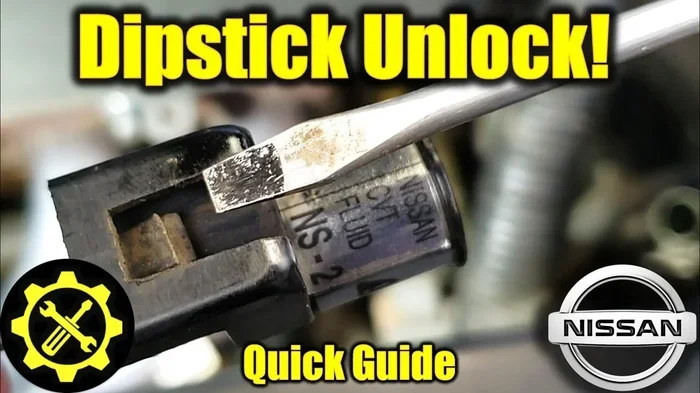
How to Remove a Nissan Transmission Dipstick at Home
Removing your Nissan transmission dipstick at home is a simple DIY task that saves you time and money. With the right tools and a little patience, you can check your transmission fluid level and keep your Nissan vehicle running strong. This guide walks you through every step clearly and safely.
Owning a Nissan means taking care of your vehicle to keep it running strong for years. One simple but important maintenance task is checking and removing your Nissan transmission dipstick. Many car owners skip this step, but it plays a big role in keeping your transmission healthy.
If you have ever wondered how to access the dipstick on your Nissan, you are in the right place. This guide breaks down the entire process in plain language. You do not need to be a professional mechanic to get this done. With a few basic tools and about fifteen minutes, you can handle it right at home.
Whether you are a complete beginner or someone who has done a few DIY car repair jobs before, this article will help. We cover everything from what the dipstick does to the exact steps for removing it safely. By the end, you will feel confident tackling this task on your own.
Key Takeaways
- Easy DIY Task: Removing a Nissan transmission dipstick is straightforward and requires only basic tools found in most homes.
- Saves Money: Doing it yourself avoids costly mechanic labor, especially when you compare it to what most mechanics charge per hour.
- Prevents Damage: Regularly checking your transmission fluid level helps avoid overheating and expensive repairs down the road.
- Know Your Car: Not all vehicles have a dipstick, so it helps to understand whether every transmission has a dipstick before you start.
- Safety First: Always let your engine cool slightly and follow each step carefully to avoid injury or damage.
📑 Table of Contents
Understanding Your Nissan Transmission Dipstick
The transmission dipstick is a simple but essential tool built into your vehicle. It lets you check the level and condition of your transmission fluid. Think of it like the oil dipstick under your hood, but for your transmission instead.
Not every car has one. Some modern vehicles use sealed transmissions that do not include a dipstick. If you are unsure whether your Nissan has one, it helps to learn whether every transmission has a dipstick first. Most older Nissan models and many newer ones still include this feature.
What Does the Dipstick Do?
The dipstick measures how much transmission fluid is in your system. Transmission fluid lubricates all the moving parts inside your gearbox. Without enough fluid, your transmission can overheat, grind, or fail completely.
When you pull out the dipstick, you can see the fluid level against the marked lines. You can also check the fluid color. Healthy fluid is usually red or pink and translucent. Dark brown or black fluid means it is time for a change.
Where Is the Dipstick Located on a Nissan?
On most Nissan models, the transmission dipstick sits in the engine bay near the back of the engine. It is usually labeled with a bright-colored handle, often yellow or red, to make it easy to find.
The exact location varies by model year. In some Nissans, you may need to look behind the engine or slightly to the passenger side. Always refer to your owner manual for the specific location of your dipstick handle before you start.
Tools and Supplies You Will Need
One of the best things about this job is that you do not need fancy equipment. Here is a simple list of what you should have ready before you begin your car maintenance task:
- A clean rag or paper towel
- Your Nissan owner manual
- Rubber gloves (optional but helpful)
- Safety glasses
- New transmission fluid (if you plan to top off or change)
- A funnel for adding fluid
Having everything ready before you start makes the process smooth and fast. You do not want to be halfway through and realize you are missing something. This kind of preparation is a great habit for any DIY car repair project.
Why Preparation Matters
Taking five minutes to gather your supplies saves you from frustrating pauses later. It also keeps your workspace clean. Transmission fluid can be messy, so laying down a towel under the engine area is a smart move.
Make sure your car is parked on a flat surface. If you are working on a slope, the fluid reading may not be accurate. A level surface gives you the most reliable fluid level check every time.
Step-by-Step Process to Remove the Nissan Transmission Dipstick
Now that you are prepared, let us walk through the actual process. Each step is simple and safe if you follow the instructions carefully.
Step 1: Park Your Car and Turn Off the Engine
Start by parking your Nissan on a flat, level surface. Turn off the engine and let it cool for at least ten minutes. Hot engine components can burn you, and hot fluid can give you an inaccurate reading.
Some manufacturers recommend checking fluid with the engine warm but not hot. Check your owner manual for the specific guidance for your model. When in doubt, wait until the engine is completely cool.
Step 2: Open the Hood and Locate the Dipstick
Pop the hood and secure it with the prop rod. Look for the bright-colored handle near the back of the engine bay. The dipstick tube is usually close to the transmission housing, which sits behind the engine.
Once you find it, gently pull the handle straight up. The dipstick will slide out easily. Set it aside on your clean rag so you do not get fluid all over your workspace.
Step 3: Clean the Dipstick
Before you reinsert the dipstick, wipe it clean with your rag. This ensures an accurate reading when you pull it out again. Pay attention to both the fluid markings and the color of the fluid on the stick.
This is also a good time to inspect the tip of the dipstick for any debris or metal particles. These can be signs of internal wear inside the transmission housing. If you see anything unusual, it may be worth consulting a professional.
Step 4: Reinsert the Dipstick Fully
After cleaning, push the dipstick back into the tube all the way down. Do not rush this step. If the dipstick is not fully seated, your fluid level check will be inaccurate.
Make sure it goes in straight and without forcing. If it feels stuck, double-check that you have the right tube. Sometimes the engine bay can be tight, especially in older Nissan models.
Step 5: Pull It Out Again and Read the Level
Wait a few seconds after reinserting, then pull the dipstick out again. Look at the fluid level against the markings. There are usually two lines or holes — one for the minimum level and one for the maximum.
If the fluid level is between the two marks, you are good. If it is below the minimum line, you need to add more transmission fluid. Use the type specified in your owner manual to avoid any compatibility issues.
Common Mistakes to Avoid When Removing the Dipstick
Even simple tasks can go wrong if you are not careful. Here are some common mistakes that home mechanics make when working with their Nissan transmission dipstick:
- Checking the fluid while the engine is running: This can give you a false reading. Always check with the engine off and cool.
- Forcing the dipstick back in: If it does not slide in easily, stop and check your alignment. Forcing it can damage the tube or the dipstick itself.
- Using the wrong type of fluid: Not all transmission fluids are the same. Using the wrong one can harm your Nissan vehicle internals.
- Skipping the cleaning step: A dirty dipstick gives an inaccurate reading. Always wipe it before reinserting.
- Ignoring fluid condition: The level matters, but so does the color and smell. Burnt-smelling fluid is a red flag.
Avoiding these mistakes keeps your transmission care on track. It also prevents costly mistakes that could lead to bigger problems later.
When to Replace or Clean Your Dipstick
Most of the time, you just need to remove the dipstick to check fluid levels. But there are times when you should consider replacing or deep cleaning it.
Signs Your Dipstick Needs Attention
Look out for these warning signs:
- The handle is cracked or broken
- The metal tip is bent or damaged
- The markings on the stick are hard to read
- You notice fluid leaking around the tube opening
A damaged dipstick can give false readings, which means you might overfill or underfill your transmission. Both situations can cause problems over time. Replacing a dipstick is inexpensive and easy, and it keeps your transmission troubleshooting accurate.
Can You Clean a Dirty Dipstick?
Yes, you can. If the dipstick has buildup or residue, simply wipe it down with a clean rag. For stubborn grime, use a little mild soap and warm water. Dry it completely before reinserting it into the tube.
Keeping your dipstick clean is part of good car maintenance habits. It takes just a minute and helps ensure reliable readings every time you check your fluid.
Keeping Your Nissan Transmission in Top Shape
Removing the dipstick is just one part of transmission maintenance. To keep your Nissan running well for a long time, consider these additional tips:
- Check your fluid regularly: Aim to check it every month or before long trips. Regular fluid level checks help you catch problems early.
- Change your fluid on schedule: Over time, transmission fluid breaks down and loses its effectiveness. Follow the service intervals in your owner manual.
- Watch for warning signs: Slipping gears, strange noises, or delayed shifting are all signs that something may be wrong with your transmission.
- Do not ignore small leaks: Even a small fluid leak can lead to big problems if left unchecked. Address leaks promptly.
- Let your car warm up in cold weather: Cold fluid is thicker and does not lubricate as well. Give your Nissan a minute or two before driving hard.
Proper transmission care goes a long way. It helps your car last longer and perform better. Many Nissan owners find that their vehicles easily reach high mileage when they stay on top of basic maintenance like this.
One important thing to keep in mind is that overheating can seriously damage your transmission. If you notice your car running hotter than usual, it is worth learning how long a car can overheat before damage occurs so you know when to take immediate action.
Doing maintenance yourself also saves a significant amount of money. When you compare the cost of your time and a small bottle of fluid to what a shop charges, the savings are clear. Understanding what most mechanics make an hour helps you appreciate just how much you save by handling simple tasks at home.
Another great habit is to stay informed about your specific model. Different Nissan vehicles have different fluid capacity and maintenance needs. Reading your owner manual thoroughly ensures you are always using the right fluid and following the correct procedures for your particular car.
Final Thoughts
Removing your Nissan transmission dipstick at home is one of the easiest and most rewarding DIY jobs you can do. It takes just a few minutes, requires minimal tools, and gives you valuable insight into the health of your transmission.
By following the steps in this guide, you can confidently check your transmission fluid level, spot potential problems early, and avoid unnecessary trips to the mechanic. Regular maintenance like this keeps your Nissan running smoothly and can save you hundreds of dollars over the life of your vehicle.
So grab your rag, pop the hood, and give it a try. You might be surprised at how simple it is. Once you have done it a couple of times, it becomes second nature. Your Nissan vehicle will thank you for it, and your wallet will too.
Frequently Asked Questions
How do I know if my Nissan has a transmission dipstick?
Most Nissan models include a transmission dipstick, but some newer or specialty models use sealed transmissions without one. Check your owner manual or look in the engine bay for a brightly colored handle near the back of the engine. If you are unsure, learning whether every transmission has a dipstick can help clarify things.
Can I check my transmission fluid with the engine running?
It depends on your Nissan model. Some manufacturers recommend checking with the engine warm and running, while others prefer a cool engine. Always refer to your owner manual for the correct procedure. When in doubt, wait until the engine is off and slightly warm for the safest and most accurate reading.
What color should my transmission fluid be?
Healthy transmission fluid is typically red or pink and translucent. If the fluid appears dark brown or black, it may be old and dirty. A burnt smell is also a warning sign. In these cases, a fluid change is likely needed to keep your transmission care on track.
How often should I check my Nissan transmission dipstick?
Checking your transmission fluid level once a month is a good habit. You should also check it before any long road trips. Regular checks help you catch low fluid levels or contamination early, preventing costly damage to your Nissan vehicle transmission.
What happens if I overfill my transmission with fluid?
Overfilling can cause the fluid to foam, leading to poor lubrication and potential overheating. It can also create excess pressure inside the transmission housing. If you accidentally overfill, have the excess fluid removed promptly to avoid damage to internal components.
Is removing the transmission dipstick difficult for beginners?
Not at all. This is one of the simplest DIY car repair tasks you can do. It requires no special skills or expensive tools. As long as you follow each step carefully and refer to your owner manual, even a complete beginner can do it safely and confidently at home.