How to Jump Start a 2017 Alfa Romeo Giulia the Easy Way
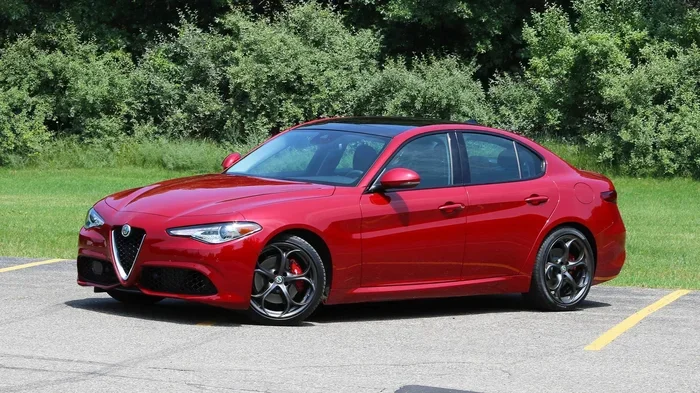
Knowing how to jump start a 2017 Alfa Romeo Giulia can save you from a frustrating morning. A dead battery is the most common reason your Giulia won’t turn over, and the fix is simpler than you think. This guide walks you through the entire process using jumper cables or a portable jump starter, with clear safety steps. You’ll learn what to check before you connect, the exact cable order, and what to do after the engine starts. Follow these easy instructions and you’ll have your Giulia running again in minutes.
Key Takeaways
- Use the right equipment: Jumper cables or a portable jump starter rated for your Giulia’s battery.
- Follow the correct cable order: Positive to positive, then negative to a ground point on the engine block.
- Safety first: Wear gloves, avoid sparks near the battery, and never let cable clamps touch each other.
- Run the engine after jump: Drive for at least 15 minutes to recharge the battery.
- Know when to seek help: If the battery is old or damaged, a jump start is only a temporary fix.
📑 Table of Contents
Why Your 2017 Alfa Romeo Giulia Won’t Start
You turn the key and nothing happens. The dashboard lights glow dimly, and the engine refuses to crank. This is the dreaded no-start condition, and it almost always points to a dead battery. The 2017 Alfa Romeo Giulia uses a standard 12-volt lead-acid battery, just like most modern cars. Over time, the battery loses its charge, especially if you leave lights on or take short trips that don’t allow the alternator to fully recharge it.
Cold weather can make a weak battery fail completely. If you live in a colder climate, you’ve probably experienced this. The battery’s chemical reactions slow down, and it can’t deliver the power needed to turn the starter motor. Sometimes a parasitic drain from a faulty module keeps the battery slowly draining even when the car is off. If you’ve ever wondered why your car won’t start with a new battery, you can find more reasons here. That article explains other culprits beyond a dead battery.
The good news is that a jump start can bring your Giulia back to life in most cases. Before you grab the cables, it helps to understand what’s happening under the hood. The battery provides the initial burst of energy to the starter motor, which then cranks the engine. Once the engine runs, the alternator takes over and recharges the battery. So a jump start essentially gives your dead battery the boost it needs to start the engine, and then the alternator takes over.
What You Need Before You Jump Start
You don’t need a lot of tools, but you do need the right equipment and a helping hand or a portable jump starter. Here’s what you should have ready before you begin the jump start process.
- Jumper cables: Look for heavy-duty cables with 4-gauge or 6-gauge wire. The 2017 Giulia has a standard battery terminal layout, so any quality set will work.
- A donor vehicle: Another car with a healthy 12-volt battery. Make sure both cars are turned off and in park or neutral.
- Portable jump starter: If you prefer to go solo, a lithium-ion jump starter pack is a great investment. Many models fit in your trunk and can jump-start a Giulia easily.
- Safety gear: Rubber gloves and safety glasses protect you from accidental sparks or acid splashes.
- Owner’s manual: Your Giulia’s manual shows the exact battery location and any specific jump-start procedures. Some modern cars have sensitive electronics, so always check first.
Before you connect anything, inspect the battery terminals. Corrosion—those white, powdery deposits—can block the electrical connection. Use a wire brush or a battery terminal cleaner to scrub them off. Clean terminals ensure a solid connection and reduce the risk of sparking. If you notice a warning light on your dashboard shaped like an engine with a wrench, it could indicate a battery or charging issue. You can read about what a bad battery can cause the wrench light to come on in this helpful guide: Can A Bad Battery Cause The Wrench Light To Come On.
How to Jump Start a 2017 Alfa Romeo Giulia: Step-by-Step
Now that you’re prepared, let’s walk through the exact steps. Follow this order carefully to avoid damaging your electrical system. The 2017 Alfa Romeo Giulia has a straightforward jump-start procedure, but attention to detail matters.
Step 1: Position the Donor Vehicle
Park the donor car close enough that the jumper cables can reach both batteries, but don’t let the cars touch. Turn off the ignition on both vehicles. Engage the parking brake on both cars. If you’re using a portable jump starter, place it on a stable surface near the Giulia’s battery.
Step 2: Identify the Terminals
Open the hood of your Giulia. Locate the battery—you’ll find it on the front left side of the engine compartment. The battery has two terminals: positive (marked with a + or red cover) and negative (marked with a – or black cover). The positive terminal is always the one you connect first. The donor car’s battery will have the same markings.
Step 3: Connect the Jumper Cables in the Correct Order
This is the most critical part. Connect the cables in this exact sequence:
- Red clamp to dead battery positive terminal: Attach the red jumper cable clamp to the + terminal on your Giulia’s dead battery.
- Red clamp to donor battery positive terminal: Attach the other red clamp to the + terminal on the donor car’s battery.
- Black clamp to donor battery negative terminal: Attach the black clamp to the – terminal on the donor car’s battery.
- Black clamp to a ground point on the Giulia: Attach the last black clamp to an unpainted metal surface on the Giulia’s engine block, away from the battery. This grounds the circuit safely and reduces sparking near the battery.
Never let the cable clamps touch each other once they’re connected to a battery. Keep them separated and away from moving engine parts.
Step 4: Start the Donor Car
Start the donor vehicle and let it idle for a few minutes. This allows its alternator to send a small charge to your dead battery. You don’t need to rev the engine—just a steady idle works. While the donor car runs, turn off all electrical accessories in your Giulia: the radio, lights, air conditioning, and phone chargers. This reduces the load on the dead battery and helps the jump start succeed.
Step 5: Start Your 2017 Alfa Romeo Giulia
Now try to start your Giulia. Turn the ignition to the “ON” position and wait a few seconds for the fuel pump to prime, then start the engine. If the engine cranks and starts, let it run. Don’t immediately turn it off. If it doesn’t start after 5-10 seconds, wait a minute before trying again. Repeated attempts can drain the donor battery. If you’ve ever wondered whether you can jump start a Toyota hybrid with similar methods, the basic cable connection order is the same, though hybrid systems have extra safety features. You can read more about that here: Can You Jump Start A Toyota Hybrid Car.
Step 6: Disconnect the Cables in Reverse Order
Once your Giulia’s engine is running smoothly, it’s time to remove the cables. Disconnect them in the exact reverse order of connection:
- Black clamp from Giulia ground point: Remove the black clamp from the engine block first.
- Black clamp from donor battery negative terminal: Remove the other black clamp.
- Red clamp from donor battery positive terminal: Remove the red clamp from the donor car.
- Red clamp from dead battery positive terminal: Finally, remove the red clamp from your Giulia’s battery.
Keep the clamps from touching each other and any metal surfaces during removal. You’ve successfully jump-started your 2017 Alfa Romeo Giulia!
Safety Precautions and Common Mistakes
Jump-starting a car is generally safe, but mistakes can lead to sparks, blown fuses, or even a damaged electrical system. The 2017 Giulia has sensitive electronics, so you must be careful. Here are the most important safety tips and common errors to avoid.
Critical Safety Rules
- Never connect cables in the wrong order. Connecting positive to negative incorrectly can cause a short circuit and damage the alternator or ECU.
- Check cable condition. Frayed or damaged cables can spark and fail to deliver enough power. Replace old cables before you attempt a jump start.
- No smoking or open flames near the battery. Batteries produce hydrogen gas, which is highly flammable.
- Wear safety glasses. Even with careful handling, a spark can cause battery acid to splash.
- Don’t jump-start a damaged battery. If the battery case is cracked, leaking, or swollen, do not attempt a jump start. Replace the battery instead.
Common Mistakes That Can Ruin Your Jump Start
- Letting cable clamps touch: This creates a spark that can ignite hydrogen gas or damage the electrical system.
- Starting the donor car at high RPM: You only need a steady idle. Revving the engine doesn’t help and can strain the donor’s alternator.
- Disconnecting cables while the Giulia’s engine is off: Always keep your Giulia’s engine running after the jump. Turning it off immediately can cause a voltage spike.
- Using a portable jump starter incorrectly: Follow the manufacturer’s instructions exactly. Some units require you to turn the ignition on before connecting the clamps.
- Ignoring the root cause: A jump start is a temporary fix. If your battery is old or the alternator is failing, you’ll need a proper diagnosis. Learn more about what happens when a battery fails by reading about how a bad battery can cause the wrench light to illuminate.
After the Jump: What to Do Next
Your 2017 Alfa Romeo Giulia is running, but you’re not completely out of the woods yet. The jump start gave your battery enough energy to crank the engine, but the battery itself may still be weak. Here’s what you should do to ensure the battery fully recharges and your car stays reliable.
Drive the Car for at Least 15-20 Minutes
Keep the engine running and drive the Giulia for at least 15 to 20 minutes. The alternator needs time to replenish the charge in the battery. Avoid turning off the engine during this period, as a short drive might not provide enough recharge. If you can, take a longer drive around the block a few times.
Check the Battery Voltage
After driving, use a multimeter to check the battery voltage. A healthy battery should read 12.6 volts or higher with the engine off. If it reads below 12.4 volts, the battery may still be weak and could need a replacement. Many auto parts stores will test your battery for free.
Inspect the Charging System
If your battery dies frequently, the alternator might not be charging properly. A faulty alternator, loose serpentine belt, or corroded charging circuit can all cause repeated battery failure. Have a mechanic check the charging system if you notice dimming lights, a battery warning light, or frequent no-start conditions.
Consider a Portable Jump Starter for Your Trunk
After this experience, you might want to invest in a portable jump starter. These compact devices can jump-start your Giulia without needing another car. They’re especially useful if you park far from help or leave your lights on. Many modern units also include USB ports to charge your phone, which is a nice bonus during a roadside emergency.
When to Call a Professional
Not every no-start situation can be solved with a jump start. If you’ve followed all the steps and your Giulia still won’t crank, there may be a deeper issue. Here’s when you should call for professional help.
- The battery is more than 4 years old: Batteries degrade over time. A jump start might work once, but an old battery will fail again quickly.
- You hear a clicking sound but no crank: This usually indicates a weak battery or a faulty starter motor. A professional can test both components.
- The engine cranks but won’t fire: This is not a battery issue. It could be a fuel pump problem, ignition issue, or sensor failure that requires diagnostic equipment.
- You see corrosion on the terminals that won’t clean off: Heavy corrosion might mean the battery is leaking and needs replacement.
- You’re unsure about any step: If you feel uncomfortable connecting cables or working near the battery, it’s always safe to call a roadside assistance service or a trusted mechanic.
A jump start is a valuable skill, but it’s not a substitute for proper maintenance. Regularly check your battery’s condition, clean the terminals, and ensure the charging system is working. Your 2017 Alfa Romeo Giulia is a performance-oriented car, and keeping its electrical system in top shape ensures it delivers the driving experience you expect. If you’re ever in doubt, a professional inspection can give you peace of mind and prevent unexpected breakdowns.
Frequently Asked Questions
Can I jump start my 2017 Alfa Romeo Giulia using a portable jump starter?
Yes, absolutely. Portable jump starters work just like a donor car and are very convenient. Make sure the unit is rated for at least 200 amps and has compatible clamps. Follow the manufacturer’s instructions for connecting the clamps to your Giulia’s battery terminals.
What if my Giulia’s battery keeps dying after a jump start?
A battery that dies repeatedly likely has a shorted cell, a parasitic drain, or a failing alternator. Have the battery tested and the charging system inspected. If the battery is more than three years old, replacement is often the best solution.
Is it safe to jump start a car in the rain?
It’s not ideal, but it can be done safely if you take precautions. Keep the cables and clamps as dry as possible, and stand clear of any puddles. Avoid connecting cables in standing water. If the conditions are severe, it’s better to wait for the rain to stop or call for roadside assistance.
Do I need to turn off all electronics before jump starting?
Yes, turning off the radio, lights, air conditioning, and any phone chargers reduces the electrical load on the dead battery. This helps the donor car focus its power on cranking the engine and makes the jump start more reliable.
Can a bad alternator cause a dead battery that needs a jump start?
Yes, a failing alternator cannot recharge the battery while the engine runs. If your Giulia’s alternator is bad, the battery will eventually drain and you’ll need a jump start. A simple charging system test at an auto parts store can confirm whether the alternator is working properly.
How long should I drive after jump starting my Giulia?
Drive for at least 15 to 20 minutes to allow the alternator to replenish the battery charge. A longer drive is even better. Avoid turning off the engine immediately after the jump, as the battery may not have enough energy to restart the car on its own.
=== CONCLUSION ===
Jump-starting your 2017 Alfa Romeo Giulia doesn’t have to be intimidating. With the right equipment, a clear sequence of steps, and a focus on safety, you can get back on the road quickly. Remember to connect the cables in the correct order—positive first, then a proper ground—and never let clamps touch. After the jump, drive your Giulia long enough to recharge the battery, and have the charging system checked if you notice repeated failures.
Knowing how to jump start a 2017 Alfa Romeo Giulia is a practical skill every owner should have. It saves time, money, and the stress of waiting for roadside help. Keep jumper cables or a portable jump starter in your trunk, and you’ll be prepared for whatever the road throws your way. Stay safe, and happy driving!