How to Configure Maserati Levante Descent When Stopped
Configuring the Maserati Levante descent system when stopped is simple once you know the right steps. This guide walks you through accessing the descent control settings, adjusting speed and braking parameters, and fine-tuning your experience for safe hill descents. You will learn how the system works, what each setting does, and how to keep your descent features running smoothly through regular Maserati maintenance.
Driving a Maserati Levante down a steep hill can feel intimidating if you are not sure how your vehicle handles the descent. The good news is that Maserati built a smart downhill descent control system into this luxury SUV. It takes the stress out of steep climbs and drops by managing your speed and braking for you.
But here is the thing many drivers miss. You can actually configure the descent settings even when your car is completely stopped. This means you can set everything up before you start your descent, making the whole experience smoother and safer. Whether you are tackling a mountain road or a steep parking garage ramp, knowing how to set up this feature gives you real confidence behind the wheel.
In this guide, we will walk you through every step of the process. You will learn what the descent feature does, how to find the settings, what each option means, and how to keep the system in great shape. No guesswork. No confusing manual pages. Just clear, practical advice from someone who has done the research for you.
The Maserati Levante is a powerful machine. It combines luxury with serious off-road ability. And the descent control system is one of the features that makes that off-road capability possible. Let us dive in and show you exactly how to get it configured the way you want it.
Key Takeaways
- Descent control is a driver-assist feature: It automatically manages braking and speed on steep downhill slopes without you needing to ride the brakes.
- You can configure settings when the vehicle is stopped: The Maserati infotainment system lets you adjust descent parameters from a complete stop.
- Brake maintenance matters: Keeping your brake pads in good shape ensures your descent control works reliably. Do you need to change all 4 brake pads at once?
- Dealer service helps with complex setup: If you are unsure about configuration, a certified dealer can walk you through the process. Can I take my Toyota to any dealer for service?
- Regular oil changes support system performance: A well-maintained engine and drivetrain keep all electronic driver aids functioning properly. Can you just drive up to Jiffy Lube for an oil change?
📑 Table of Contents
- What Is the Maserati Levante Descent Feature?
- How to Access Descent Configuration When Stopped
- Step-by-Step Guide to Setting Up Descent Control
- Understanding the Descent Control Settings
- Tips for Using Descent Control Safely
- Maintaining Your Descent Control System
- Common Mistakes to Avoid
- Final Thoughts
What Is the Maserati Levante Descent Feature?
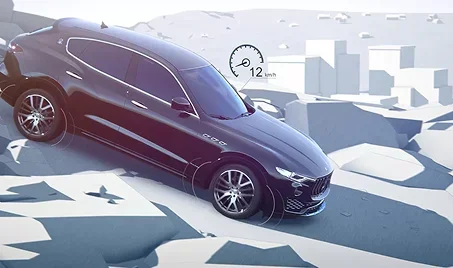
The downhill descent control is a driver-assist technology designed to help you maintain a safe speed when driving down steep inclines. Instead of pressing the brake pedal over and over, the system takes over. It applies the brakes gently and consistently to keep your Maserati moving at a controlled pace.
Think of it like a smart cruise control for downhill driving. The system uses your vehicle’s traction control and stability management systems to work together. It monitors wheel speed, slope angle, and vehicle load to adjust braking force automatically.
Here is what makes this feature special on the Levante:
- Automatic brake application: The system applies brakes without you touching the pedal.
- Adjustable speed settings: You can choose how fast or slow you want to descend.
- Works on steep grades: It is designed for grades that would be uncomfortable without assistance.
- Integrates with other driver aids: It works alongside stability control and traction management.
- Available when stopped: You can configure all settings from a complete stop before engaging.
Not every Maserati Levante trim comes with the same level of descent control. The more advanced packages include additional customization options. If you are not sure which version your vehicle has, check your owner’s manual or ask your dealer during your next Maserati maintenance visit.
How to Access Descent Configuration When Stopped
One of the best things about the Maserati Levante is that you do not need to be rolling down a hill to set up the descent system. You can access and adjust all the settings while your vehicle is parked and stationary. This is a huge advantage because it lets you plan your descent before you even start moving.
Step 1: Start the Vehicle
Press the engine start button with your foot on the brake pedal. The dashboard will light up, and the infotainment system will boot. You do not need to put the car in gear. Just having the engine running gives you full access to the configuration menus.
Step 2: Navigate to the Vehicle Settings Menu
On the center touchscreen, look for the Vehicle Settings icon. It usually looks like a car silhouette or a gear icon. Tap it to open the main settings panel. From here, scroll through the options until you find the Driving Assistance or Driver Aids section.
Step 3: Locate the Descent Control Option
Inside the driver aids menu, you should see a dedicated option for Hill Descent Control or simply Descent. Tap on it to open the configuration panel. This is where the magic happens. You will see several adjustable parameters that control how the system behaves during a downhill drive.
Step 4: Adjust Your Preferred Settings
Here you can tweak things like the target descent speed, brake sensitivity, and whether the system activates automatically on steep grades. Take your time exploring each option. There is no rush because your car is safely parked.
Quick tip: Write down your preferred settings once you find them. This way, you can quickly restore them if you ever need to reset the system. Some drivers like to save two profiles, one for light descents and one for steep mountain roads.
Step-by-Step Guide to Setting Up Descent Control
Now let us get into the nitty-gritty. Here is a detailed walkthrough of the descent configuration process. Follow these steps in order for the best results.
1. Engage the Parking Brake
Before you touch any settings, make sure your parking brake is fully engaged. This keeps the Maserati Levante stationary while you work through the menus. It is a simple safety step that prevents any accidental movement.
2. Turn on the Infotainment System
The descent settings live inside the Maserati infotainment system. Make sure the screen is awake and responsive. If the screen is dim or in sleep mode, press any button on the console or touchscreen to wake it up.
3. Select the Descent Mode
In the driving assistance menu, you will see a toggle or button for Hill Descent Control. Switch it on. Some models may require you to hold the button for a few seconds to enter the configuration mode. Check your specific model year for details.
4. Set the Descent Speed
Most Maserati Levante models let you choose a target descent speed. Common options range from about 2 mph to 10 mph. For very steep or loose surfaces, a slower speed gives you more control. For paved roads with moderate grades, a slightly faster setting works well.
5. Adjust Brake Intensity
You can also control how aggressively the system applies the brakes. A higher intensity setting means stronger braking force, which is useful on very steep or icy descents. A lower intensity feels more natural and gives you a smoother ride.
6. Enable Auto-Activation (Optional)
Some configurations allow the system to turn on automatically when it detects a steep slope. This is a convenient feature if you frequently drive in hilly terrain. However, some drivers prefer to manually activate it so they have full control over when the system engages.
7. Save Your Configuration
Once you are happy with your settings, save the profile. The system will remember your preferences the next time you start the vehicle. If your Maserati supports multiple user profiles, each driver can save their own descent settings.
Understanding the Descent Control Settings
The descent control system on the Maserati Levante has several settings that might seem technical at first. Let us break them down so you understand exactly what each one does.
Target Speed
This is the speed the system will try to maintain as you descend. It uses the brakes to slow the vehicle down if it picks up speed and allows it to roll if it slows too much. Think of it as a speed limiter specifically for downhill driving.
Brake Distribution
The system can distribute braking force between the front and rear wheels. On steep descents, more rear braking helps prevent the nose from dipping. On loose surfaces, a more even distribution helps maintain traction.
Activation Threshold
This setting determines how steep a slope needs to be before the system activates. A lower threshold means it kicks in on milder hills. A higher threshold means it only engages on very steep grades.
Override Sensitivity
This controls how easily you can override the system by pressing the brake or accelerator pedal. A high sensitivity means your input takes precedence quickly. A low sensitivity means the system holds its settings more firmly.
Automatic Deactivation
You can set the system to turn off automatically under certain conditions, such as when you press the accelerator or when the vehicle levels out at the bottom of a hill.
Take time to experiment with these settings in a safe, open area before relying on them in challenging terrain. The more you understand each parameter, the better you can tailor the system to your driving style.
Tips for Using Descent Control Safely
The descent control system is a powerful tool, but it is not a replacement for attentive driving. Here are some practical tips to keep in mind whenever you use this feature.
- Always stay alert: The system handles braking, but you still need to steer and watch for obstacles.
- Check your brakes before a long descent: If your brake pads are worn, the descent system will have to work harder. Consider getting them checked. Do you need to change all 4 brake pads at once?
- Use the correct tire pressure: Properly inflated tires give the descent system better traction and braking performance.
- Do not overload the vehicle: A heavy load changes how the vehicle behaves on descents. The descent control is calibrated for the vehicle’s recommended weight capacity.
- Practice on familiar roads first: Before tackling an unfamiliar mountain pass, try the system on a hill you know well.
- Keep the infotainment screen clean: A smudged or dirty screen can make it harder to navigate the settings menus quickly.
- Stay in the correct gear: The Maserati Levante will typically downshift automatically, but make sure the transmission is in the right mode for downhill driving.
Remember that the descent control system works best when the rest of your vehicle is in good condition. Regular Maserati maintenance keeps everything running as designed. If you are unsure about your vehicle’s overall readiness for hilly terrain, a trip to your dealer for a quick inspection never hurts.
Maintaining Your Descent Control System
Like any electronic driver-assist feature, the descent control system needs regular care to perform at its best. Fortunately, the maintenance is straightforward and fits right into your normal service routine.
Brake System Checks
The descent system relies heavily on your brake components. During every service visit, ask your technician to inspect the brake pads, rotors, and brake fluid levels. Worn components reduce the effectiveness of the descent control and can create unsafe driving conditions.
Sensor Maintenance
The system uses wheel speed sensors, slope sensors, and yaw rate sensors to function properly. These sensors can get dirty or damaged over time. A simple cleaning during your regular service appointment can keep them working accurately.
Software Updates
Maserati occasionally releases software updates that improve the performance of driver-assist features. When you visit the dealer for service, ask if any updates are available for your descent control system. These updates can refine the system’s behavior and add new configuration options.
Routine Fluid Changes
Keeping your brake fluid fresh is essential for the descent system’s hydraulic components. Old or contaminated brake fluid can lead to spongy pedal feel and reduced braking performance. Stick to the maintenance schedule in your owner’s manual.
Some drivers wonder whether they can handle these checks themselves. For basic inspections, a quick look under the vehicle never hurts. But for anything involving the brake system or electronic sensors, it is best to leave it to the professionals. If you are curious about what services different dealers offer, you might find it helpful to read about whether you can take your vehicle to any dealer for service as a general guide to dealer service options.
When to Seek Professional Help
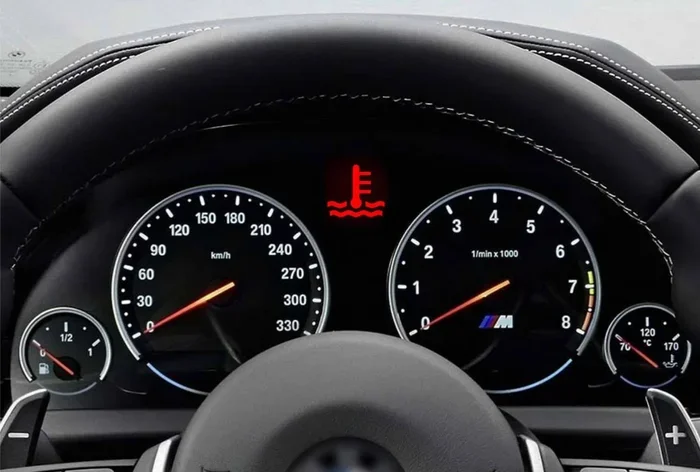
If you notice warning lights on your dashboard related to the stability control or traction control systems, do not ignore them. These lights often indicate an issue with the descent control system as well. A certified Maserati technician can run diagnostics and pinpoint the problem quickly.
Also, if you find that the descent settings keep resetting or the system behaves inconsistently, it may be a sign of a deeper issue. In these cases, a professional diagnostic session is worth the time and effort. It saves you from guessing and keeps your luxury SUV performing at its peak.
Common Mistakes to Avoid
Even experienced drivers make mistakes when using the descent control system. Here are a few to watch out for:
- Assuming the system works in all conditions: The descent control is designed for paved and gravel roads. It may not perform well in deep snow, mud, or water.
- Ignoring brake maintenance: Skipping brake pad replacements or fluid changes directly impacts how well the descent system works.
- Setting the descent speed too fast: A higher speed might feel exciting, but it reduces your margin of safety on steep or winding descents.
- Not reading the owner’s manual: The manual contains model-specific details about your descent system that are easy to overlook.
- Forgetting to turn the system off on flat roads: Leaving descent control active when you do not need it can cause unnecessary brake wear and confusion.
Avoiding these simple mistakes keeps your Maserati Levante running smoothly and ensures the descent feature is ready when you truly need it.
Final Thoughts
Configuring the Maserati Levante descent when stopped is one of the easiest ways to make your luxury SUV more capable and confident on steep roads. The process is straightforward, the settings are intuitive, and the results are noticeable the moment you engage the system on a downhill stretch.
Take the time to explore the configuration options, adjust them to your preferences, and save your profile. Combine this with regular maintenance and sensible driving habits, and your descent control system will serve you well for years to come. The Maserati Levante is built to handle challenging terrain with grace and power, and the descent feature is a big part of that capability.
Whether you are a daily driver navigating hilly city streets or an adventurer heading into the mountains, knowing how to set up and use your descent control puts you in complete command of the road ahead. Drive safe, drive confident, and enjoy every descent in your Maserati Levante.
Frequently Asked Questions
Can I configure the Maserati Levante descent settings while driving?
It is always safest to configure the descent settings when your vehicle is completely stopped. The infotainment system allows full access to all configuration menus from a stationary position, which prevents distractions while driving.
Does the Maserati Levante descent control work on all types of roads?
The descent control works best on paved roads and firm gravel surfaces. It may not perform optimally on deep snow, ice, or muddy terrain. Always assess the road conditions before relying on any driver-assist feature.
How often should I check my brake system if I use descent control frequently?
If you use descent control regularly, inspect your brake pads and fluid at every service interval. Frequent use of the descent system puts additional demand on your braking components, so more frequent checks are a smart idea.
Can I save multiple descent profiles in the Maserati Levante?
Yes, many Maserati Levante models support multiple user profiles, which means each driver can save their own preferred descent settings. Check your infotainment system under the user profile section to set this up.
What should I do if the descent control warning light stays on?
A persistent warning light usually indicates a sensor issue, low brake fluid, or a system fault. Visit a certified Maserati dealer or qualified technician for a diagnostic check as soon as possible.
Is the descent control feature standard on all Maserati Levante trims?
The availability of descent control varies by trim and model year. Higher trims and packages are more likely to include this feature. Check your vehicle’s specifications or consult your dealer to confirm what your specific model includes.
=== CONCLUSION ===
Setting up the Maserati Levante descent when stopped is a simple yet powerful way to enhance your driving experience. The system gives you precise control over how your vehicle handles steep downhill slopes, and configuring it from a complete stop means you can plan everything before you begin. From adjusting target speed to fine-tuning brake intensity, the options are designed to make your drives safer and more comfortable.
Pair this knowledge with regular maintenance, and your Maserati Levante will stay in top form for every road you encounter. Whether it is a quick trip through the hills or a long journey through mountain passes, you now have the tools to make every descent smooth and confident. Take a moment today to explore your descent settings, and enjoy the peace of mind that comes with knowing your luxury SUV is fully prepared for whatever the road throws at you.