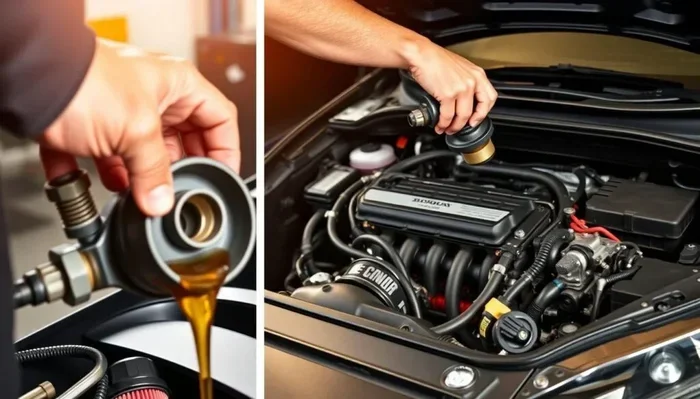
How to Change Oil on a Honda Civic Without Going to a Shop
Changing your Honda Civic oil at home is easier than you think. This guide walks you through every step, from picking the right oil to draining the old stuff and adding fresh engine oil. You will save money, learn car maintenance basics, and keep your Civic running smoothly for years to come.
Changing oil on a Honda Civic is one of the simplest and most rewarding DIY car maintenance tasks you can do. Whether you are a complete beginner or someone who has changed oil before, this guide will walk you through the entire process. You will learn what tools you need, how to pick the right oil, and exactly what to do step by step.
Many people spend $50 to $100 every time they take their car to a shop for an oil change. That adds up fast. By learning how to change oil on a Honda Civic yourself, you can save serious money and gain confidence working on your own vehicle. Plus, you get to know your car better, which helps you spot problems early.
This guide covers everything from choosing the correct oil to disposing of the old oil safely. We will also share common mistakes to avoid and tips that even experienced car owners swear by. By the end, you will feel ready to roll up your sleeves and get the job done.
Key Takeaways
- DIY Oil Change Saves Money: You can save $30 to $75 per oil change by doing it yourself at home.
- Right Oil Matters: Always use the oil type recommended by Honda for your specific Civic model.
- Basic Tools Are All You Need: A socket wrench, oil pan, funnel, and jack stands are all you require.
- Regular Changes Protect Your Engine: Sticking to the recommended oil change interval prevents costly repairs.
- Safety Comes First: Always use jack stands and let the engine cool before starting.
- Check Your Work: Always verify the oil level and look for leaks after completing the change.
📑 Table of Contents
What You Need to Know Before Changing Your Honda Civic Oil
Before you grab any tools, it helps to understand a few basics about your Honda Civic and its oil needs. Knowing this ahead of time will make the whole process smoother and safer.
Understanding Your Honda Civic’s Oil Requirements
Every Honda Civic has specific oil requirements based on its engine type and model year. Most newer Civics use 0W-20 synthetic oil, but older models may call for 5W-30. You can find the exact oil type in your owner’s manual. Using the wrong oil can hurt your engine over time.
The oil capacity also matters. Most Honda Civics take between 3.5 and 4.5 quarts of oil, depending on the engine. Always double-check before you buy oil. Running low on oil can cause serious engine damage, so it is better to have a little extra on hand.
When Should You Change Your Oil
Honda recommends changing your oil every 7,500 to 10,000 miles for most newer models. However, if you drive in severe conditions like heavy traffic, extreme heat, or dusty roads, you may need to change it more often. Does your car say when you need an oil change? Many newer Civics have maintenance minders that display a reminder on the dashboard. Pay attention to these alerts.
Old oil loses its ability to lubricate and protect your engine. It becomes gritty and less effective. Changing it on time keeps your engine running clean and prevents premature wear. Think of it as giving your car a fresh start every few thousand miles.
Tools and Materials You Will Need
Gathering everything before you start is the key to a smooth oil change. You do not want to be halfway through the job and realize you are missing something.
Essential Tools for the Job
Here is a list of tools and supplies you will need:
- Socket wrench and the correct size socket (usually 14mm or 17mm for Honda Civics)
- Oil drain pan to catch the old oil
- Jack stands or a ramp to safely lift the front of the car
- Funnel for pouring new oil without spills
- New oil filter (check your owner’s manual for the correct part number)
- New drain plug gasket or crush washer
- Rags or paper towels for cleanup
- Gloves to keep your hands clean
- Torque wrench to tighten the drain plug to the correct specification
You do not need fancy or expensive tools for this job. A basic socket set and jack stands will do the trick. If you do not own jack stands, consider borrowing some from a friend or buying a set. They are a small investment that pays off in safety.
Choosing the Right Oil and Filter
Not all oil is the same. Honda Civics generally work best with synthetic oil or a synthetic blend. Conventional oil is cheaper but does not last as long and provides less protection. For most Civics, full synthetic 0W-20 is the go-to choice.
The oil filter is just as important as the oil itself. A good quality filter traps contaminants and keeps your engine clean. Stick with brand-name filters or Honda OEM filters. Cheap filters may not filter the oil as effectively, which can lead to buildup over time.
Step-by-Step Guide to Changing Oil on Your Honda Civic
Now for the fun part. Follow these steps carefully and you will have a clean, successful oil change in under 30 minutes.
Step 1: Prepare Your Vehicle
Start by parking your Honda Civic on a flat, level surface. Turn off the engine and let it cool for about 10 minutes. Warm oil drains better than cold oil, so you do not want to wait too long. Just enough to avoid burns.
Next, lift the front of the car using a jack and secure it with jack stands. Never work under a car that is only supported by a jack. Jack stands are your safety net. Once the car is secure, locate the oil drain plug underneath the engine. It is usually on the bottom of the oil pan, near the front of the engine.
Step 2: Drain the Old Oil
Place your drain pan directly under the drain plug. Using your socket wrench, slowly loosen the plug by turning it counterclockwise. Be careful — the oil will start flowing out quickly.
Let the old oil drain completely into the pan. This usually takes about 5 to 10 minutes. While you wait, take a moment to inspect the drain plug and surrounding area for any signs of damage or leaks. If the plug looks worn or stripped, now is a good time to replace it.
Step 3: Remove the Old Oil Filter
Once the oil has stopped dripping, move to the oil filter. It is usually located on the side or bottom of the engine. Place your drain pan underneath it.
Using an oil filter wrench if needed, turn the old filter counterclockwise to remove it. It may be tight, so do not be afraid to apply some firm pressure. Be prepared for a little bit of oil to spill out — that is normal. Have your rags ready.
Step 4: Install the New Oil Filter
Before installing the new filter, apply a thin layer of fresh oil to the rubber gasket on top of the filter. This helps create a proper seal and makes it easier to remove next time.
Screw the new filter onto the engine by hand. Tighten it snugly but do not overtighten. Most manufacturers recommend hand-tightening plus a quarter turn. Overtightening can damage the filter or make it nearly impossible to remove next time.
Step 5: Add New Oil
Now it is time to add fresh oil. Locate the oil fill cap on top of the engine. It usually has an oil can symbol on it. Remove the cap and place your funnel in the opening.
Pour in the new oil slowly. Most Honda Civics take about 3.5 to 4.5 quarts, but always check your owner’s manual for the exact amount. Add a little less than the full amount first, then check the dipstick. You can always add more, but you cannot easily remove excess oil.
Step 6: Check Your Work
After adding the oil, replace the fill cap and wipe away any spills. Start the engine and let it run for about 30 seconds. This circulates the new oil through the engine. Then turn it off and wait a couple of minutes for the oil to settle.
Pull out the dipstick, wipe it clean, reinsert it, and pull it out again to check the oil level. It should be between the minimum and maximum marks on the dipstick. Also, look underneath the car for any drips or leaks around the drain plug and oil filter.
If everything looks good, you are done! Dispose of the old oil and filter properly at a recycling center or auto parts store. Never pour old oil down the drain or into the trash.
Common Mistakes to Avoid When Changing Oil
Even simple tasks come with pitfalls. Here are some common mistakes people make when changing oil on their Honda Civic.
Overfilling or Underfilling the Oil
Too much oil can cause foaming and pressure buildup in the engine. Too little oil means your engine is not getting proper lubrication. Always measure carefully and use the dipstick to verify the level. If you overfill, you can drain the excess through the drain plug or use a suction tool to remove it.
Forgetting to Replace the Drain Plug Gasket
The drain plug gasket or crush washer is a small but important part. It creates a seal that prevents oil from leaking out. If you reuse an old gasket, it may not seal properly. Always install a new gasket when you drain the oil. It costs pennies and saves you from a messy leak.
Skipping the Oil Filter
Some people think changing the oil alone is enough. But the oil filter catches dirt, metal particles, and other contaminants. A clogged filter can restrict oil flow and starve your engine. Always replace the filter with every oil change. It is a small cost that makes a big difference.
How Often Should You Change Your Honda Civic Oil
The frequency of your oil changes depends on several factors, including the type of oil you use and how you drive.
Conventional vs Synthetic Oil Intervals
Conventional oil typically needs to be changed every 3,000 to 5,000 miles. Synthetic oil can last between 7,500 and 10,000 miles, or even longer in some cases. Honda’s newer engines are designed to work with synthetic oil and longer change intervals. Check your owner’s manual for the manufacturer’s recommendation.
Keep in mind that do mechanics check transmission fluid during an oil change at most shops? A professional service may also top off other fluids, which adds value to the service. When you do it yourself, you focus only on the oil and filter.
Driving Habits That Affect Oil Change Frequency
Your driving style plays a big role in how quickly your oil breaks down. If you frequently drive in stop-and-go traffic, tow heavy loads, or drive in extreme temperatures, your oil may degrade faster. In these cases, consider shortening your oil change interval by 1,000 to 2,000 miles.
On the other hand, if you mostly drive on highways at steady speeds, your oil will last longer. The key is to know your driving conditions and adjust accordingly. Tracking your mileage after each change helps you stay on schedule.
When to Seek Professional Help
Changing oil on a Honda Civic is straightforward, but there are times when it makes sense to visit a professional. If you notice unusual noises, low oil pressure warnings, or blue smoke from the exhaust after an oil change, something else may be going on. These could be signs of deeper engine issues that need professional attention.
Also, if you do not feel comfortable working under your car, there is no shame in taking it to a shop. A professional oil change service typically takes about 15 to 30 minutes and includes a multi-point inspection. Some shops will also check your tire pressure, fluid levels, and belts during the service.
For those who want the convenience of a shop but prefer Honda-specific expertise, you might wonder, can I get my Lexus oil change at Toyota? The answer is yes, in many cases. Toyota and Lexus share the same parent company and service network, so Lexus oil changes can often be handled at Toyota dealerships.
Ultimately, the best approach is the one that keeps your Honda Civic running safely and reliably. Whether you do it yourself or visit a shop, staying consistent with your oil changes is what matters most.
Conclusion
Learning how to change oil on a Honda Civic without going to a shop is a skill that pays off every time you drive. You save money, gain independence, and take better care of your vehicle. With the right tools, the correct oil, and a little patience, you can complete a full oil change in under half an hour.
Remember to always use the oil type and amount recommended for your specific Civic model. Follow the steps carefully, double-check your work, and dispose of the old oil responsibly. Over time, this simple routine will help your engine last longer and run smoother.
So the next time your Civic is due for an oil change, do not hesitate to grab your tools and get to work. Your car — and your wallet — will thank you.
Frequently Asked Questions
What type of oil does a Honda Civic need?
Most Honda Civics use 0W-20 synthetic oil, but you should always check your owner’s manual for the exact specification. Using the wrong oil type can affect engine performance and longevity.
How long does it take to change oil on a Honda Civic?
A DIY oil change typically takes 20 to 30 minutes once you have all your tools and supplies ready. If you are doing it for the first time, give yourself an extra 15 minutes to get comfortable with the process.
Can I reuse the old oil filter?
No, you should always install a new oil filter with every oil change. Reusing an old filter can lead to poor filtration and contaminants circulating through your engine, which can cause damage over time.
How do I dispose of old engine oil?
Take your old oil to a recycling center, auto parts store, or a service station that accepts used oil. Never pour it down the drain or throw it in the trash. Most stores that sell oil will recycle it for free.
Do I need to check the oil level after changing it?
Yes, always check the oil level using the dipstick after every oil change. The level should fall between the minimum and maximum marks. Running too low or too high can both cause engine problems.
How many miles can a car last with regular oil changes?
With regular oil changes and proper maintenance, many Honda Civics can last well over 200,000 miles. Consistent oil changes are one of the most important factors in extending your car’s lifespan and keeping the engine in good shape.