How Much Is a Car in Japan in US Dollars Get the Answer
Wondering how much a car in Japan costs in US dollars? The answer depends on whether you are looking at new or used vehicles, the brand, and where you buy. Car prices in Japan can be surprisingly lower than in the US, especially for popular models like Toyota and Honda. Exporting a car from Japan adds costs, but the savings are often still worth it. This guide breaks down every price range so you can make a smart decision.
Have you ever wondered what it would cost to buy a car in Japan? Maybe you are planning a trip to Tokyo and want to snag a deal. Or perhaps you are an expat looking to save money on your next vehicle. Either way, understanding how much a car in Japan costs in US dollars is the first step.
The truth is, Japanese car prices can shock you. New and used vehicles in Japan often cost significantly less than their American counterparts. But the price tag is only part of the story. Shipping, import fees, and inspections all play a role in the final number. This guide walks you through everything you need to know about buying cars from Japan and what those prices actually look like in dollars.
Whether you want a compact city car or a sleek SUV, Japan car prices have something for every budget. Let us dive in and break it all down.
Key Takeaways
- New cars in Japan are often cheaper: Domestic pricing benefits from competition and lower taxes on certain models.
- Used car prices in Japan are remarkably low: Japan’s strict inspection system keeps the used market fresh and affordable.
- Popular brands like Toyota and Honda dominate: Their Japan domestic market models are often priced below US equivalents.
- Exporting adds costs but savings remain: Shipping, customs, and inspections add $1,500 to $4,000 to the total.
- Buying through a dealer or broker simplifies the process: Both options have pros and cons for international buyers.
- Right-hand drive vehicles cost less in Japan: JDM models offer unique features not found in US-spec cars.
- Timing matters: Seasonal demand and currency fluctuations affect final pricing significantly.
📑 Table of Contents
- Why Car Prices in Japan Are So Different
- New Car Prices in Japan vs. the US
- Used Car Prices in Japan Explained
- Popular Car Brands and Their Prices
- How to Buy a Car in Japan as a Foreigner
- Shipping and Import Costs to Consider
- Common Mistakes to Avoid When Buying a Car in Japan
- Expert Insights on Japan Car Pricing
- Key Takeaways
- Final Thoughts
Why Car Prices in Japan Are So Different
Japan has a unique car market. The way vehicles are priced there is very different from how they are priced in the US. Several factors drive these differences. Understanding them helps you make a smarter purchase.
High Competition Among Dealers
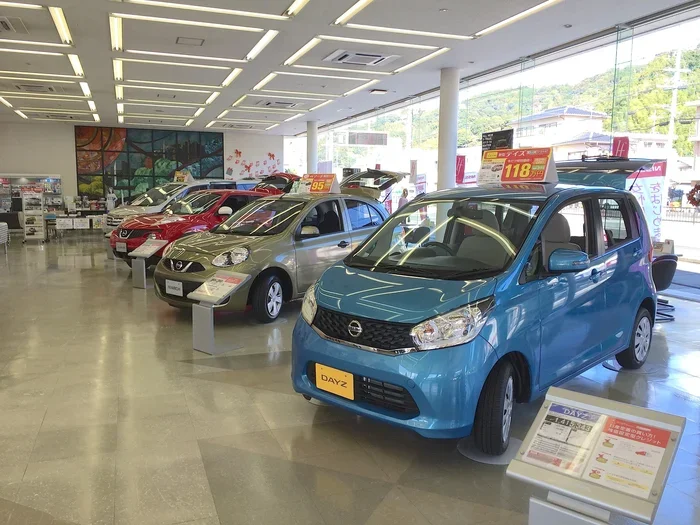
Japan has thousands of car dealerships. Big brands like Toyota, Honda, and Nissan compete fiercely for customers. This competition keeps new car prices Japan low. Dealers often run seasonal sales and offer deep discounts. In the US, fewer dealers mean less price pressure.
Lower Taxes on Certain Vehicles
Japan applies different tax structures to vehicles. Smaller cars with efficient engines often face lower taxes. This makes affordable cars Japan even more budget-friendly. Larger luxury vehicles still carry higher taxes, but they are still often cheaper than US models.
Strict Vehicle Inspection System
Japan has a rigorous inspection system called Shaken. Cars must pass regular safety and emissions checks. This keeps the used car prices Japan market full of well-maintained vehicles. Buyers in Japan trust the quality of used cars because of this system.
Strong Yen and Currency Fluctuations
The value of the yen against the dollar changes constantly. When the yen is weak, Japan car prices in dollars drop even further. This creates great buying opportunities for international buyers. Watching exchange rates can save you thousands.
New Car Prices in Japan vs. the US
So, what does a new car actually cost in Japan? Let us look at real numbers. Comparing new car prices Japan to US prices reveals some big surprises.
Compact Cars
The Honda Fit (called the Jazz in Japan) starts around 1.8 million yen. That is roughly $12,000 to $13,000 USD. The same car starts at over $20,000 in the US. The Toyota Yaris starts even lower in Japan, around 1.6 million yen, or about $11,000 USD.
Mid-Size Sedans
A new Toyota Corolla in Japan starts around 2.2 million yen, or about $15,000 USD. In the US, the Corolla starts closer to $21,000. The Honda Civic in Japan follows a similar pattern, often $2,000 to $4,000 cheaper than the US version.
SUVs and Crossovers
Even SUVs in Japan tend to cost less. The Toyota RAV4 starts around 2.8 million yen, or roughly $19,000 USD. The US price starts around $28,000. The Honda CR-V shows a similar gap.
Luxury Vehicles
Luxury brands like Lexus and Acura are often cheaper in Japan too. A Lexus ES 350 in Japan can start around 5 million yen, or about $34,000 USD. The US price starts around $40,000. The savings are smaller for luxury cars but still noticeable.
Why New Cars Cost Less in Japan
Several reasons explain why new car prices Japan are lower:
- Lower production costs for domestic models
- Fewer dealer markups due to competition
- Lower import tariffs on domestically sold cars
- Government incentives for fuel-efficient vehicles
- No destination charges since cars are sold locally
Used Car Prices in Japan Explained
The used car market in Japan is one of the largest in the world. Used car prices Japan offer incredible value. Let us explore what you can expect.
How the Used Market Works
Japan sells millions of used cars every year. Many of these cars are only a few years old. They come from lease returns and corporate fleet vehicles. The Shaken inspection system means these cars are well-maintained and reliable.
Price Ranges for Popular Used Models
Here is what you can expect to pay for common used cars in Japan:
- Toyota Prius (2018-2022): Around 800,000 to 1.5 million yen, or $5,500 to $10,000 USD
- Honda Civic (2017-2021): Around 700,000 to 1.4 million yen, or $4,800 to $9,500 USD
- Nissan Skyline (2015-2020): Around 1.2 million to 2.5 million yen, or $8,200 to $17,000 USD
- Suzuki Swift (2017-2022): Around 500,000 to 900,000 yen, or $3,400 to $6,200 USD
- Mazda CX-5 (2016-2021): Around 900,000 to 1.8 million yen, or $6,100 to $12,300 USD
Why Used Cars in Japan Are So Affordable
Several factors keep used car prices Japan low:
- High turnover: Japanese buyers frequently upgrade to new cars
- Low mileage: Many Japanese drivers use public transit daily
- Regular inspections: Cars are maintained to a high standard
- Large supply: Japan has one of the biggest used car markets globally
- Export-friendly pricing: Dealers price cars competitively for international buyers
JDM Cars and Their Appeal
JDM cars (Japan Domestic Market) have a huge global following. These are models sold only in Japan, often with unique features. JDM car prices vary widely, from budget-friendly Hondas to rare sports cars. Enthusiasts worldwide seek out JDM models for their quality and engineering.
Popular Car Brands and Their Prices
Let us take a closer look at what the top brands charge in Japan car prices. This section covers the brands most people search for.
Toyota Prices in Japan
Toyota is the king of the Japanese market. The brand offers everything from economy cars to luxury sedans. A new Toyota Corolla starts around $15,000 USD. The Camry starts around $22,000 USD. Toyota SUVs like the RAV4 and Harrier are also competitively priced. Used Toyota models in Japan are among the most affordable globally.
Honda Prices in Japan
Honda offers excellent value in both new and used segments. The Honda Fit starts around $12,000 USD new. The Accord starts around $20,000 USD. Honda’s reputation for reliability means used Hondas hold their value well, even at low prices.
Nissan Prices in Japan
Nissan has a strong presence in Japan. The Nissan Sentra starts around $14,000 USD new. The Nissan Skyline, a favorite among enthusiasts, offers sporty performance at reasonable prices. Nissan’s electric Leaf is also competitively priced in the domestic market.
Mazda Prices in Japan
Mazda is known for fun-to-drive cars. The Mazda3 starts around $16,000 USD new. The CX-5 compact SUV starts around $19,000 USD. Mazda’s premium brand, Mazda6, offers luxury features at a lower price point than competitors.
Suzuki and Daihatsu (Budget-Friendly Brands)
For the lowest Japan car prices, look at Suzuki and Daihatsu. These brands specialize in small, efficient cars. The Suzuki Swift starts around $3,400 USD used. Daihatsu models are even cheaper, often under $5,000 USD for older used models. These brands are perfect for city driving and tight budgets.
How to Buy a Car in Japan as a Foreigner
Buying a car in Japan when you are not a resident is possible. It takes some planning, but it is very doable. Here is how the process works.
Option 1: Buy Through a Japanese Dealer
Many Japanese dealers sell to international buyers. You can visit dealerships in person or contact them online. Popular dealers like U-Car and Goo-Net offer English support. They can help you find the right Japan domestic market car at a fair price.
Option 2: Use an Export Broker
Export brokers specialize in selling Japanese cars to overseas buyers. They handle paperwork, inspections, and shipping. Companies like Japan Partner and BuyYourCar.jp are popular choices. Brokers often offer the best Japan car buying guide experience for first-time buyers.
Option 3: Buy at Auction
Japanese car auctions are massive. Companies like USS and TAA sell thousands of cars weekly. You can access these auctions through broker services. Auctions often offer the lowest used car prices Japan available. However, you cannot inspect the car in person before bidding.
Tips for a Smooth Purchase
- Research the market value of your target model before bidding
- Check the mileage carefully, as low mileage is common and expected
- Request detailed photos and a full vehicle report from the seller
- Verify the car’s JDM-specific features to understand what you are getting
- Use a trusted broker if you are not familiar with the Japanese market
Important Documents You Will Need
When buying a car in Japan, you need specific documents:
- Certificate of Registration (Jitensha Menkyo)
- Shaken Inspection Certificate (valid for the remaining period)
- Purchase Contract from the dealer or seller
- Export Certificate from the Japan Customs office
- Vehicle Identification Number (VIN) documentation
Shipping and Import Costs to Consider
The price of the car is not the only cost. You need to factor in shipping and import fees. These costs can add up quickly. Let us break them down.
Shipping Costs from Japan
Shipping a car from Japan to the US typically costs between $1,500 and $4,000. The cost depends on the shipping method:
- Container shipping: More expensive but safer, around $2,500 to $4,000
- Roll-on/Roll-off (RoRo): Cheaper option, around $1,500 to $2,500
- Air freight: Fastest but most expensive, rarely used for cars
Import Duties and Taxes
The US charges import duties on vehicles from Japan. The standard duty rate is 2.5% for passenger cars. You will also need to pay federal and state taxes. These can add $500 to $2,000 to your total cost.
EPA and DOT Compliance
Cars imported from Japan must meet US safety and emissions standards. Vehicles less than 25 years old may need modifications to comply. Older cars (25+ years) are exempt from these rules. This is why many JDM car imports are classic or vintage models.
Title and Registration in the US
Once the car arrives, you need to title and register it in your state. Each state has different requirements. Some states require additional inspections for imported vehicles. Budget an extra $200 to $500 for registration and inspection fees.
Total Cost Breakdown
Here is a realistic example of the total cost to buy and import a car from Japan:
Example: Buying a Used Honda Fit (2019) from Japan
- Car price: $8,000 USD
- Export processing fee: $300 USD
- Shipping to US: $2,000 USD
- Import duty (2.5%): $200 USD
- US customs clearance: $150 USD
- State registration and inspection: $350 USD
- Total estimated cost: $11,000 USD
Compare that to a similar Honda Fit in the US, which would cost around $17,000 to $19,000 USD. The savings can be significant.
Quick Tips for Reducing Import Costs
- Buy during off-peak seasons to save on shipping rates
- Choose RoRo shipping for the lowest freight cost
- Buy older models (25+ years) to avoid EPA/DOT compliance costs
- Work with a reputable broker who knows the import process
- Compare multiple shipping quotes before booking
Common Mistakes to Avoid When Buying a Car in Japan
Even experienced buyers make mistakes. Here are common pitfalls to watch out for when exploring Japan car prices.
- Skipping the vehicle history report: Always request a full history. Do not trust verbal promises alone.
- Ignoring currency exchange rates: The yen fluctuates daily. Lock in your rate before committing to a purchase.
- Underestimating shipping costs: Get quotes from multiple shippers. The cheapest option is not always the best.
- Forgetting about right-hand drive: If you live in the US, a right-hand drive car may be difficult to drive daily.
- Not checking warranty coverage: Some Japanese dealers offer limited warranties for exported cars. Ask before you buy.
- Buying without seeing the car: If possible, inspect the vehicle in person or hire a local inspector in Japan.
Expert Insights on Japan Car Pricing
Industry experts agree that Japan offers some of the best car values in the world. According to automotive analysts, the combination of low production costs, intense market competition, and a strong used car market keeps prices remarkably low.
“Japan’s car market is uniquely positioned,” says one automotive consultant. “The domestic competition, strict quality standards, and high turnover of used vehicles create an environment where buyers get exceptional value.”
Experts also recommend timing your purchase carefully. The end of the Japanese fiscal year (March) often brings the best deals. Dealers clear out old inventory to make room for new models. This is the best time to find affordable cars Japan has to offer.
Another expert tip: learn basic Japanese car terminology. Understanding terms like ” mileage” (mairu), “automatic” (ootomatikku), and “navigation” (nabygeeshon) helps you communicate better with dealers. It also builds trust and can lead to better deals.
Key Takeaways
- New cars in Japan are often cheaper: Domestic pricing benefits from competition and lower taxes on certain models.
- Used car prices in Japan are remarkably low: Japan’s strict inspection system keeps the used market fresh and affordable.
- Popular brands like Toyota and Honda dominate: Their Japan domestic market models are often priced below US equivalents.
- Exporting adds costs but savings remain: Shipping, customs, and inspections add $1,500 to $4,000 to the total.
- Buying through a dealer or broker simplifies the process: Both options have pros and cons for international buyers.
- Right-hand drive vehicles cost less in Japan: JDM models offer unique features not found in US-spec cars.
- Timing matters: Seasonal demand and currency fluctuations affect final pricing significantly.
Final Thoughts
How much is a car in Japan in US dollars? The answer is: often much less than you expect. Whether you are looking at a brand-new Toyota Corolla or a well-maintained used Honda Civic, Japan car prices offer real savings. The key is to understand the full picture, including shipping, duties, and inspections.
Buying a car from Japan can be a rewarding experience. You get a quality vehicle at a great price. You also gain access to models and features not available in the US market. With the right research and preparation, you can find an excellent deal on cars from Japan.
Start by setting your budget. Research the specific model you want. Compare prices across dealers and brokers. Factor in all the costs. And most importantly, take your time. The best deals come to those who are patient and informed.
The Japanese car market is waiting for you. Whether you are a first-time buyer or a seasoned collector, there is a vehicle out there that fits your needs and your budget. Go ahead, explore the options, and find your perfect car from Japan today.
Frequently Asked Questions
Is it cheaper to buy a car in Japan than in the US?
Yes, in most cases, buying a car in Japan is cheaper than buying the same model in the US. New compact cars and sedans can be 20% to 40% less expensive. Used cars offer even greater savings, often costing half the US price for comparable models.
What is the cheapest car you can buy in Japan?
The cheapest new cars in Japan come from brands like Suzuki and Daihatsu. A new Suzuki Alto can start around 700,000 yen, or about $4,800 USD. Used cars can be found for under $3,000 USD, especially older models from Suzuki, Honda, and Toyota.
Can I import a car from Japan to the United States?
Yes, you can import a car from Japan to the US. You will need to pay import duties, shipping costs, and meet EPA and DOT requirements. Vehicles older than 25 years are exempt from most emissions and safety compliance rules. Working with a reputable export broker simplifies the entire process.
How do I convert yen to dollars when buying a car?
You can use online currency converters like XE.com or Google to check the current exchange rate. Always check the rate on the day of purchase, as the yen fluctuates daily. Many Japanese dealers and brokers can also quote prices in US dollars directly.
Are right-hand drive cars legal in the United States?
Yes, right-hand drive cars are legal in the US. However, they can be challenging to drive in left-hand traffic. Some states have additional requirements for registering right-hand drive vehicles. Always check your local DMV regulations before importing a right-hand drive car.
What should I look for when buying a used car from Japan?
Always request a full vehicle history report and detailed photos. Check the mileage, which is typically low in Japan. Verify the Shaken inspection status to ensure the car is road-ready. Work with a trusted broker or dealer who has positive reviews and transparent policies.