How Much Does a Pilot Car Driver Actually Make Per Year
A pilot car driver salary typically ranges from $35,000 to $75,000 per year, depending on experience, location, and the type of oversized loads you escort. Independent drivers who own their own pilot vehicles can earn even more, especially during peak construction and hauling seasons. This guide breaks down everything you need to know about how much a pilot car driver makes, from hourly rates to per-mile earnings and the steps to increase your income.
Have you ever wondered what it takes to become a pilot car driver and how much money you can actually make doing it? If you love the open road and enjoy being behind the wheel, this career path might be exactly what you are looking for.
A pilot car driver escorts oversized and overweight loads on highways and roads across the country. These drivers play a crucial role in the heavy haul transportation industry, making sure that massive loads move safely from point A to point B. But the real question on everyone’s mind is: how much does a pilot car driver actually make per year?
The answer is not as simple as a single number. Your income depends on several factors, including whether you work for a company or run your own business, the state you operate in, the type of loads you escort, and how many hours you are willing to put in. In this guide, we will walk you through everything you need to know about pilot car driver salary, from entry-level pay to what top earners bring home.
Compared to other jobs in the automotive world, such as working as a mechanic or a car salesman, pilot car driving offers unique earning potential. For instance, if you are curious about how other automotive careers pay, you might want to check out how much most mechanics make an hour to see how the numbers compare. Similarly, car salesmen have a very different pay structure based on commissions and base salaries.
Let us dive into the details and give you a clear picture of what you can expect to earn as a pilot car driver.
Key Takeaways
- Average Salary Range: Pilot car drivers earn between $35,000 and $75,000 annually, with top earners making over $90,000.
- Pay Structures Vary: Drivers can earn hourly, per mile, or per trip, each offering different income potential.
- Experience Matters: Seasoned drivers with certifications and specialized skills command higher pay rates.
- Seasonal Demand: Earnings spike during spring and summer when construction and heavy hauling seasons are at their peak.
- Independent vs. Company: Owner-operators typically earn more but also face higher expenses and responsibilities.
- Certification Boosts Income: Obtaining pilot car certification and additional endorsements can significantly increase your earning potential.
- Location Impacts Pay: States with heavy construction and mining operations tend to offer higher pilot car driver rates.
📑 Table of Contents
What Does a Pilot Car Driver Do?
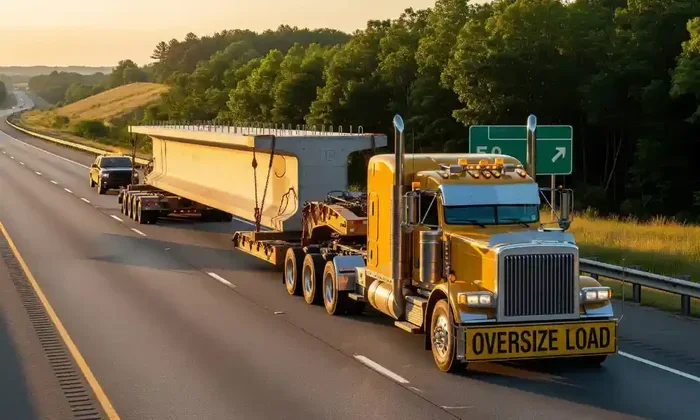
Before we talk about money, it helps to understand the job itself. A pilot car driver, also known as an escort vehicle driver, leads oversized loads through routes that might be too wide or too heavy for regular traffic. Think of those massive construction equipment trailers, industrial machinery, or prefab homes being transported on highways.
Typical Responsibilities
A pilot car driver has several important duties that go beyond just driving:
- Scouting routes ahead of the oversized load to check for obstacles
- Ensuring clearance heights are safe for bridges and overpasses
- Communicating with the truck driver using radios and signals
- Obtaining necessary permits for each state or route
- Setting up warning signs and flagging when needed
- Keeping logs of the trip and any incidents along the way
These responsibilities require alertness, good communication skills, and a solid understanding of road rules. The job can be physically demanding, and drivers often spend long hours on the road. But for those who enjoy driving and problem-solving, it can be a rewarding career.
How Much Does a Pilot Car Driver Make Per Year?
The pilot car driver salary varies widely based on experience, location, and employment type. Here is a general breakdown of what you can expect.
Entry-Level Pilot Car Driver Pay
If you are just starting out, you can expect to earn somewhere between $30,000 and $40,000 per year. Entry-level drivers usually work for pilot car companies and handle shorter routes or local trips. The pay is modest at first, but it gives you valuable experience on the road.
New drivers often wonder how long it takes to move up. The good news is that the heavy haul escort industry rewards those who show up consistently and build a solid reputation. Within the first year, many drivers see their pay increase by 10 to 15 percent as they gain confidence and knowledge.
Mid-Level Pilot Car Driver Earnings
With two to five years of experience, a pilot car driver can expect to earn between $45,000 and $60,000 annually. At this stage, drivers often handle longer interstate routes and more complex oversized loads. The pay increases because experienced drivers know how to navigate tricky routes and handle unexpected situations.
Mid-level drivers also start to build relationships with heavy haul transportation companies, which can lead to more consistent work and better-paying contracts.
Top-Earning Pilot Car Drivers
Experienced and highly skilled pilot car drivers can earn $75,000 or more per year. Some top earners who work as independent contractors and own their own pilot vehicles bring home over $90,000 annually. These drivers typically specialize in wide load escort services or work in states with high demand for oversized load transportation.
So how much does a pilot car driver make at the top end? The answer depends on how many trips you can take, how far you are willing to travel, and whether you are willing to work during peak seasons.
How Is a Pilot Car Driver Paid?
Understanding the different pilot car driver pay structures is essential if you want to maximize your earnings. Not all pay is created equal, and the structure can make a big difference in your annual income.
Hourly Pay
Many pilot car drivers are paid by the hour, especially those working for companies on local or regional routes. Hourly rates typically range from $18 to $30 per hour, depending on experience and location. This structure offers a steady income but may cap your earning potential if you do not work enough hours.
Per Mile Pay
Some companies and independent operators pay pilot car drivers per mile. This rate usually falls between $0.50 and $1.25 per mile. Per mile pay can be very lucrative for drivers who cover long distances, especially on interstate routes.
Drivers who log high mileage each week can earn significantly more with a per-mile structure. However, this pay model means you are responsible for covering your own fuel and vehicle expenses.
Per Trip Pay
Per trip pay is common for specialized oversized load escorts. A single trip can pay anywhere from $200 to $800 or more, depending on the distance, complexity, and type of load. This structure rewards efficiency and route knowledge.
Experienced drivers who can complete trips quickly and safely often prefer the per-trip model because it gives them more control over their weekly earnings.
Factors That Affect Pilot Car Driver Salary
Several key factors influence how much a pilot car driver earns. Understanding these can help you make smart career decisions and plan for higher income.
Experience and Skill Level
Experience is the biggest factor in determining pilot car driver salary. New drivers start at the lower end of the pay scale, while seasoned professionals command premium rates. Skills like route planning, knowledge of permit requirements, and strong communication abilities all contribute to higher pay.
Drivers who can handle specialized loads, such as hazardous materials or extremely wide equipment, often earn more than those who only handle standard oversized loads. Each new skill you add to your toolkit opens the door to higher-paying jobs.
Location and State Regulations
Where you work matters a lot. States with heavy construction, mining operations, or frequent infrastructure projects tend to pay higher rates for pilot car driver services. For example, states in the Southwest and Mountain West regions often have high demand for oversized load escorts due to mining and energy projects.
Additionally, some states have stricter regulations for oversized loads, which means they need more pilot cars and escorts. This increased demand drives up pay in those areas. If you are willing to travel or relocate, you can often find better-paying opportunities in high-demand states.
Employment Type: Company vs. Independent
Working for a pilot car company offers stability and benefits, but independent operators can earn more per trip. Company drivers receive a steady paycheck, health insurance, and paid time off. Independent drivers set their own rates and choose which jobs to accept. However, they also handle their own vehicle costs, insurance, and tax obligations.
Many experienced drivers eventually transition to independent work to maximize their pilot car earnings. The trade-off is less job security and more responsibility for business operations. It is a path that requires careful financial planning but can pay off handsomely.
Seasonal Demand
Pilot car driving is seasonal in many parts of the country. Spring and summer bring the highest demand because construction projects ramp up during warmer months. Winter can slow things down, especially in northern states where road work pauses due to weather.
Drivers who work during peak seasons can earn a full year’s income in just eight or nine months. Some experienced drivers use the off-season to take on different driving jobs or focus on vehicle maintenance and training.
How to Increase Your Pilot Car Driver Pay
If you are serious about maximizing your income as a pilot car driver, there are several steps you can take to boost your earnings.
Get Certified
Obtaining pilot car certification shows employers and clients that you know your stuff. Many states require certification or specific endorsements to operate a pilot vehicle. Even in states where it is not mandatory, having a certification can help you stand out and command higher pay rates.
Certification programs typically cover route planning, safety procedures, signaling techniques, and permit requirements. Most programs can be completed in a few weeks and are well worth the investment.
Build Your Reputation
In the heavy haul transportation industry, reputation is everything. Drivers who show up on time, communicate well, and handle loads safely earn repeat business and referrals. Over time, a strong reputation can lead to higher-paying contracts and more consistent work.
Consider joining industry forums or groups where you can connect with other drivers and potential clients. Networking can open doors to better opportunities and higher pay.
Invest in Your Equipment
If you plan to work independently, investing in a reliable pilot vehicle is essential. A well-maintained car with proper lighting, signage, and communication equipment inspires confidence in clients. Taking care of your vehicle also reduces downtime and repair costs.
You might be curious about how long a vehicle lasts in this kind of demanding work. Check out how many miles a car can last to understand the lifespan of a vehicle used for heavy-duty driving.
Specialize in High-Demand Niches
Not all pilot car jobs pay the same. Specializing in high-demand niches like wide load escort, hazardous material transport, or military equipment hauling can significantly boost your income. These specialized loads require extra knowledge and often come with higher pay rates.
Consider getting additional endorsements or training in areas like explosives transport, oversized load coordination, or emergency response. Each additional skill adds value and increases your earning potential.
Stay Current on Regulations
Oversized load regulations change frequently and vary by state. Staying up to date on the latest rules ensures you do not get fined or lose contracts. Knowledgeable drivers who can navigate complex permit requirements are highly valued by clients.
Many experienced drivers subscribe to industry newsletters or join associations that provide updates on regulatory changes. This knowledge gives you a competitive edge and helps you avoid costly mistakes.
Common Challenges Pilot Car Drivers Face
While the pay can be good, the job comes with its own set of challenges. Understanding these upfront can help you decide if this career is right for you.
Long Hours and Time Away from Home
Pilot car drivers often spend weeks or months on the road. Long hours behind the wheel can be tiring, and time away from family and friends can take a toll. Drivers who maintain a healthy work-life balance tend to last longer in the industry.
Weather and Road Conditions
Driving oversized loads in bad weather is dangerous and stressful. Rain, snow, ice, and high winds can all create hazardous conditions. Drivers must be prepared to adjust their plans and sometimes wait out bad weather, which can eat into their earnings.
Vehicle Maintenance Costs
Owning and maintaining a pilot vehicle is not cheap. Tires, brakes, lighting systems, and signage all need regular upkeep. Independent drivers bear these costs themselves, which can eat into their profits if not managed carefully.
Just like any car, a pilot vehicle needs regular maintenance to keep running well. Even basic things like checking your air filter can make a difference in how your car performs. If you want to learn more about keeping your car in top shape, read about does changing the cabin air filter make the car smell better for simple maintenance tips.
Is Pilot Car Driving a Good Career Choice?
The short answer is yes, for the right person. Pilot car driving offers a unique blend of freedom, good pay, and the satisfaction of playing a vital role in the transportation industry. If you enjoy driving, are comfortable with long hours, and like the idea of working outdoors, this career can be very rewarding.
The pilot car driver salary is competitive, especially for experienced and certified drivers. The demand for skilled escorts is likely to grow as infrastructure projects continue across the country. Whether you are looking for a full-time career or a side gig, pilot car driving can fit your lifestyle and income goals.
Compared to other driving jobs, the pay is attractive, and the barrier to entry is relatively low. You do not need a college degree, and many companies provide on-the-job training. The key is to get started, gain experience, and continuously improve your skills.
One thing to keep in mind is that the auto industry offers many career paths. If you are exploring options, you might also be interested in how far a car can go on empty for practical driving knowledge that applies to any driving career.
Bottom line, a career as a pilot car driver can be financially rewarding and personally fulfilling. The income potential is real, and with the right approach, you can build a stable and profitable career on the road.
Frequently Asked Questions
How much does a beginner pilot car driver make?
Entry-level pilot car drivers typically earn between $30,000 and $40,000 per year. This pay reflects the learning curve and the fact that new drivers usually handle shorter, local routes. However, pay increases quickly as you gain experience and take on more complex loads.
Do pilot car drivers need a CDL license?
In most cases, a CDL license is not required for pilot car drivers because the escort vehicle is typically a standard car or SUV. However, some states have specific requirements or endorsements. It is always best to check your state’s regulations before starting.
How much do pilot car drivers get paid per mile?
Per mile pay for pilot car drivers usually ranges from $0.50 to $1.25 per mile. The exact rate depends on the company, the type of load, and the distance of the route. Experienced drivers who negotiate their own rates can often earn the higher end of this range.
Can pilot car drivers work independently?
Yes, many experienced pilot car drivers choose to work independently as owner-operators. Independent drivers set their own rates and choose which jobs to accept. However, they also handle their own vehicle costs, insurance, and tax obligations.
What is the busiest season for pilot car drivers?
Spring and summer are the busiest seasons for pilot car drivers because construction and infrastructure projects peak during these months. Some drivers earn a full year’s income in just eight or nine months by working during these high-demand periods.
Is pilot car driving dangerous?
Like any driving job, pilot car driving carries some risks. Drivers must navigate highways alongside oversized loads, set up warning signs, and deal with changing weather conditions. Proper training, certification, and safety equipment significantly reduce these risks and make the job much safer.