How Many Brands of Cars Does Toyota Make Right Now
Toyota Motor Corporation makes cars under at least four main brands right now: Toyota, Lexus, Daihatsu, and Hino. Each brand serves a different market, from everyday drivers to luxury buyers and commercial fleet operators. Understanding Toyota’s brand portfolio helps you see how one company shapes the global auto industry.
This is a comprehensive guide about How Many Brands of Cars Does Toyota Make?.
Key Takeaways
- Toyota owns four major brands: Toyota, Lexus, Daihatsu, and Hino Motors.
- Lexus is Toyota’s luxury division and competes with BMW, Mercedes-Benz, and Audi.
- Daihatsu focuses on small cars and city vehicles, especially in Asian markets.
- Hino handles commercial trucks and buses, making Toyota a player in the commercial vehicle world too.
- Toyota also had stakes in other brands like Subaru and Isuzu but has reduced or exited those partnerships.
- The Toyota brand remains the largest and most recognized name in the group by a wide margin.
[FEATURED_IMAGE_PLACEHOLDER]
Toyota is one of the biggest car companies on the planet. Most people know Toyota for the reliable sedans and trucks they sell all over the world. But did you know Toyota makes cars under more than one brand name? That is right. Toyota Motor Corporation is a huge group with several different brands under its umbrella. Each brand targets a different type of buyer and serves a different purpose. In this article, we will break down exactly how many brands Toyota makes right now and what each one does.
If you have ever wondered about the Toyota brand portfolio or wanted to know what brands fall under the Toyota umbrella, you are in the right place. We will walk through every major brand, explain why Toyota owns them, and give you practical insights about what this means as a car buyer. Whether you are shopping for a new ride or just curious about how car companies work, this guide has you covered.
The answer to “how many brands of cars does Toyota make” is not as simple as just one number. Toyota has a complex corporate structure with full ownership, partial stakes, and historical partnerships. But we will keep things simple and focus on the brands Toyota actively operates today. Let us dive in.
Toyota: The Core Brand
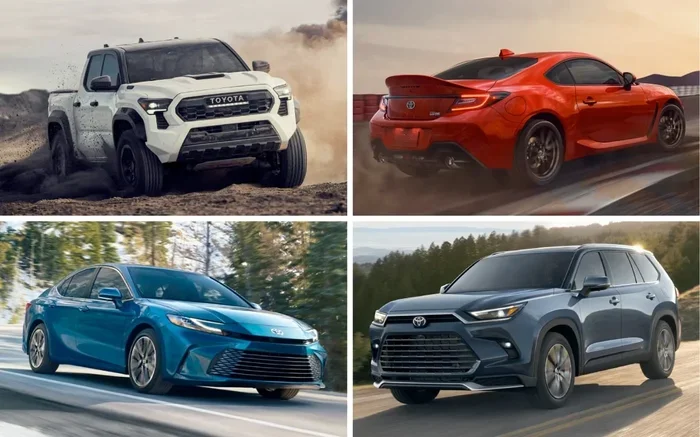
The Toyota brand is the heart of the entire Toyota Motor Corporation. When most people think of Toyota, they picture the familiar logo with the three overlapping ovals. This is the brand that sells the most cars worldwide. Toyota vehicles range from compact sedans to full-size pickup trucks, SUVs, and hybrid cars.
What Makes Toyota So Popular?
Toyota has built its reputation on reliability and durability. People buy Toyotas because they last a long time and do not break the bank on repairs. The Toyota Corolla, for example, is one of the best-selling cars in history. The Toyota Camry is a staple in the sedan world. And the Toyota Tacoma has dominated the compact pickup truck segment for decades.
Toyota also leads the way in hybrid technology. The Toyota Prius started the hybrid revolution, and models like the Toyota RAV4 Hybrid continue to attract eco-conscious buyers. If you are looking for a dependable daily driver, a Toyota is almost always a safe bet.
One thing that helps Toyota maintain its reputation is proper maintenance. For instance, does your car say when you need an oil change? Understanding your maintenance schedule keeps any Toyota running strong for years. Similarly, how many miles can a car last depends largely on how well you take care of it, and Toyotas are known to go well beyond 200,000 miles with proper care.
Toyota’s Global Reach
Toyota sells vehicles in more than 170 countries. The brand has manufacturing plants in Japan, the United States, Thailand, India, Brazil, and many other locations. This global footprint means Toyota can build cars close to where they are sold, which helps keep costs down and quality high.
Toyota also offers different models for different markets. The Toyota Yaris, for instance, is a popular small car in many countries. Are Toyota Yaris cars dependable? Absolutely. The Yaris has earned a reputation for being a reliable, fuel-efficient city car that is easy to maintain and affordable to insure.
Lexus: Toyota’s Luxury Division
Lexus is Toyota’s luxury brand, and it was launched in 1989. The goal was simple: build a brand that could compete with BMW, Mercedes-Benz, and Audi. Today, Lexus is one of the most successful luxury brands in the world, and it all comes from Toyota’s engineering expertise.
What Sets Lexus Apart?
Lexus vehicles are known for their smooth ride, quiet cabin, and premium materials. When you sit inside a Lexus, you feel the difference right away. The Lexus ES is a popular luxury sedan, and the Lexus RX is one of the best-selling luxury SUVs. The Lexus LS competes directly with the Mercedes S-Class, and the Lexus LC is a stunning luxury coupe.
Lexus also has a strong hybrid lineup. The Lexus RX Hybrid and the Lexus ES Hybrid offer the luxury experience with better fuel economy. Toyota’s hybrid technology powers these vehicles, proving that luxury and efficiency can go hand in hand.
Lexus and Toyota Share Technology
Here is something interesting. Lexus and Toyota share a lot of technology. The platforms, engines, and many components are the same. But Lexus adds its own touch with better sound insulation, softer suspension tuning, and higher-quality interior materials. This is why Lexus can offer a premium experience while still benefiting from Toyota’s legendary reliability.
If you own a Lexus or are thinking about buying one, proper maintenance matters just as much. Using the right oil for your Toyota or Lexus can make a big difference in engine performance and longevity.
Daihatsu: Toyota’s Small Car Brand
Daihatsu is a Japanese car brand that Toyota has owned for many years. Daihatsu specializes in small cars, city cars, and kei vehicles. These are the tiny, efficient cars that are perfect for navigating crowded city streets in Japan and other Asian markets.
What Does Daihatsu Make?
Daihatsu builds compact hatchbacks, small SUVs, and commercial vans. The Daihatsu Rocky is a popular subcompact SUV, and the Daihatsu Tanto is a quirky little city car. These vehicles are designed to be affordable, easy to park, and incredibly fuel-efficient.
Daihatsu cars are not widely sold in North America or Europe. They are primarily aimed at the Japanese domestic market and select markets in Southeast Asia and Africa. But Toyota uses Daihatsu’s expertise in small cars to inform its own compact and subcompact offerings around the world.
Why Does Toyota Own Daihatsu?
Toyota acquired a controlling stake in Daihatsu in the late 1990s and later made it a fully owned subsidiary. The reason is straightforward. Daihatsu is a specialist in small, efficient vehicles. Toyota benefits from Daihatsu’s knowledge of lightweight, affordable car design. This helps Toyota compete in the growing small car segment, especially in crowded urban markets where bigger cars are impractical.
Hino: Toyota’s Commercial Vehicle Brand
Hino Motors is another brand owned by Toyota Motor Corporation. While Toyota makes cars for everyday consumers, Hino focuses on commercial trucks and buses. Hino is one of the largest manufacturers of medium and heavy-duty trucks in Japan.
What Does Hino Do?
Hino builds delivery trucks, vocational trucks, and buses. These are the vehicles you see on highways and city streets delivering goods, hauling cargo, and transporting passengers. Hino trucks are known for their durability and low operating costs, which makes them popular with fleet operators.
Hino is part of the Toyota Group, which means it shares engineering resources and technology with Toyota and Lexus. This connection helps Hino build trucks that are reliable and efficient. For businesses that depend on a fleet of vehicles, Hino offers a compelling option.
How Does Hino Fit Into Toyota’s Strategy?
Toyota’s vision is to be a mobility company, not just a car maker. By owning Hino, Toyota covers both the passenger vehicle market and the commercial vehicle market. This gives Toyota a broader presence across the entire automotive industry. Hino also helps Toyota develop technologies for commercial fleets, including electric and hydrogen-powered trucks.
Other Brands and Partnerships
Toyota has had relationships with other car brands over the years. Some of these are historical, and others are ongoing partnerships that do not involve full ownership. It is worth understanding the full picture of Toyota’s automotive network.
Toyota and Subaru
Toyota once held a significant stake in Subaru, which is part of the Subaru Corporation (formerly Fuji Heavy Industries). Toyota owned about 16.5 percent of Subaru for many years. The two companies collaborated on several vehicles, including the Toyota 86 (also known as the Subaru BRZ) and the Subaru Solterra, which shares its platform with the Toyota bZ4X.
However, Toyota has reduced its stake in Subaru over the years. As of recent reports, Toyota holds a much smaller percentage. The partnership continues in some areas, but Subaru is now largely independent.
Toyota and Isuzu
Toyota also had a stake in Isuzu, another Japanese automaker known for diesel engines and commercial vehicles. Toyota once owned a significant share of Isuzu but has gradually reduced its ownership. Today, the relationship is more of a business partnership than a parent-subsidiary arrangement.
Toyota’s Emerging Partnerships
Toyota is also involved in partnerships with other automakers for electric vehicles and new technologies. For example, Toyota has invested in and collaborated with several EV startups and battery companies. These partnerships help Toyota stay competitive as the auto industry shifts toward electrification.
Why Does Toyota Own So Many Brands?
Now that we have covered the main brands, you might be asking why Toyota needs so many of them. The answer comes down to strategy and market coverage.
Covering Every Market Segment
By owning multiple brands, Toyota can serve every type of customer. Toyota handles the mainstream market with affordable, reliable cars. Lexus targets luxury buyers who want premium features and a refined driving experience. Daihatsu covers the small car and city car segment. And Hino serves the commercial and industrial vehicle market.
This multi-brand strategy is common among large automakers. It allows Toyota to compete in more segments without diluting any single brand’s identity. Each brand has its own mission, target audience, and product lineup.
Sharing Technology and Resources
One of the biggest advantages of owning multiple brands is the ability to share technology. Toyota’s hybrid powertrain, for example, is used in both Toyota and Lexus vehicles. Daihatsu’s expertise in small car design benefits Toyota’s compact models. And Hino’s commercial vehicle engineering feeds into Toyota’s broader understanding of powertrains and durability.
This sharing of resources means Toyota can develop new technologies faster and at lower cost. It also means that buyers in every Toyota brand benefit from decades of engineering knowledge.
Building Long-Term Growth
Toyota’s brand portfolio positions the company for long-term growth. As the auto industry evolves toward electric vehicles, autonomous driving, and mobility services, having multiple brands gives Toyota flexibility. Each brand can pursue different strategies and target different customer needs without conflicting with the others.
How Many Brands Does Toyota Make? The Final Count
So, to answer the question directly: Toyota Motor Corporation currently operates four major brands. These are Toyota, Lexus, Daihatsu, and Hino Motors. Toyota also has historical ties and smaller stakes in brands like Subaru and Isuzu, but those are no longer fully owned subsidiaries.
The Toyota brand itself remains the largest and most important. It generates the bulk of Toyota’s revenue and sells the most vehicles worldwide. Lexus is the luxury arm and brings in higher profit margins per vehicle. Daihatsu fills the small car niche, and Hino handles the commercial truck and bus market.
Together, these brands give Toyota an incredibly strong position in the global auto industry. No other automaker has quite the same breadth of coverage across so many vehicle segments. Whether you need a reliable family sedan, a luxury SUV, a tiny city car, or a heavy-duty delivery truck, Toyota has a brand for you.
If you are in the market for a new or used vehicle, understanding Toyota’s brand lineup can help you make a smarter buying decision. Each brand offers something different, and knowing what each one stands for can guide you toward the right choice for your needs and budget.
Toyota’s commitment to quality, reliability, and innovation shines through in every brand it operates. From the affordable Toyota Yaris to the luxurious Lexus LS, from the practical Daihatsu Rocky to the rugged Hino truck, the Toyota group has something for everyone. That is the power of a well-managed multi-brand automotive empire.
Frequently Asked Questions
Does Toyota Own Lexus?
Yes, Lexus is a luxury brand owned and operated by Toyota Motor Corporation. Lexus was launched in 1989 as Toyota’s premium division, and it uses Toyota’s engineering base to build luxury vehicles that compete with BMW, Mercedes-Benz, and Audi.
Is Daihatsu a Toyota Brand?
Yes, Daihatsu is a fully owned subsidiary of Toyota Motor Corporation. Daihatsu focuses on small cars, city vehicles, and kei cars, primarily for the Japanese and Asian markets. Toyota uses Daihatsu’s expertise to strengthen its own compact and small car offerings.
How Many Cars Does Toyota Sell Per Year?
Toyota sells over 10 million vehicles per year across all its brands. The Toyota brand alone accounts for the majority of sales, but Lexus, Daihatsu, and Hino also contribute to the total annual volume. Toyota is consistently one of the top three automakers by global sales.
Does Toyota Still Own a Stake in Subaru?
Toyota once held a significant stake in Subaru but has reduced its ownership over the years. While the two companies still collaborate on some vehicles and technologies, Subaru is now largely independent. Toyota’s remaining stake is much smaller than it was in the past.
What Is the Difference Between Toyota and Lexus?
The main difference is the market segment. Toyota targets the mainstream market with affordable, reliable vehicles. Lexus is the luxury division, offering premium features, higher-quality materials, smoother rides, and more refined performance. Both brands share technology and platforms, but Lexus adds a layer of luxury and exclusivity.
Does Toyota Make Electric Vehicles?
Yes, Toyota makes electric vehicles under the Toyota brand and through its bZ (beyond Zero) lineup. Toyota also offers hybrid versions of many models. Additionally, Toyota has invested in battery technology and hydrogen fuel cell vehicles, showing its commitment to multiple paths toward electrification.
Conclusion
Toyota Motor Corporation is much more than just the Toyota brand. The company operates four major brands today: Toyota, Lexus, Daihatsu, and Hino. Each brand serves a unique purpose and targets a different group of buyers. From the everyday reliability of a Toyota sedan to the luxury comfort of a Lexus SUV, from the compact efficiency of a Daihatsu city car to the rugged utility of a Hino truck, Toyota covers the entire automotive landscape.
Understanding how many brands Toyota makes helps you appreciate the scale and strategy of this automotive giant. The next time you see a Toyota, a Lexus, a Daihatsu, or a Hino on the road, you will know they all share the same parent company. And that is a testament to Toyota’s vision of building mobility solutions for everyone, everywhere.
Whether you are a Toyota loyalist or just starting to explore your options, the Toyota brand family has something to offer. Do your research, test drive a few models, and you will find the perfect vehicle for your needs. Toyota’s multi-brand approach ensures there is a great option no matter what you are looking for in a car.
Frequently Asked Questions
What is How Many Brands of Cars Does Toyota Make??
How Many Brands of Cars Does Toyota Make? is an important topic with many practical applications.