How Long Is a Toyota Engine Good For and When to Replace
So how long is a Toyota engine good for? Most Toyota engines last between 200,000 and 300,000 miles with proper care. The answer depends on maintenance habits, driving conditions, and the specific engine type. This guide covers everything you need to know about Toyota engine lifespan, warning signs, replacement timing, and how to squeeze every last mile out of your engine.
Toyota has built a reputation for building engines that just keep going. Whether you drive a Toyota Camry, a Toyota Corolla, or a rugged Toyota Tacoma, you probably expect your engine to last a long time. And most of the time, it does.
But how long is a Toyota engine good for, really? The honest answer is that it depends on several factors. Maintenance history, driving style, climate, and the specific engine model all play a role. In this guide, we break down everything you need to know about Toyota engine lifespan, when to expect problems, and how to decide if replacement is the right move.
If you have been asking yourself whether your Toyota engine still has life left in it, you are in the right place. Let us get into it.
Key Takeaways
- Toyota engines routinely last 200,000 to 300,000 miles when properly maintained, making them some of the most durable in the industry.
- Regular oil changes, coolant flushes, and timing belt replacements are the single biggest factors in extending engine life.
- Warning signs like knocking, overheating, or blue smoke should never be ignored, as they signal serious internal problems.
- Replacing an engine can cost $3,000 to $7,000+, so understanding when repair makes sense versus replacement saves money.
- Toyota hybrid engines often last even longer due to reduced wear on the combustion engine component.
- Driving habits matter — short trips, extreme temperatures, and towing all accelerate engine wear.
- A compression test and oil analysis are the best ways to assess your engine’s current health.
📑 Table of Contents
- Understanding Toyota Engine Lifespan
- Signs Your Toyota Engine Needs Attention
- When to Replace vs. When to Repair
- Extending Your Toyota Engine Life
- Toyota Engine Models and Their Longevity
- Expert Tips for Engine Longevity
- How to Assess Your Current Engine Health
- Final Thoughts on Toyota Engine Longevity
Understanding Toyota Engine Lifespan
What Makes Toyota Engines So Reliable?
Toyota engineers design their engines with durability as a top priority. The company uses high-quality materials, precise manufacturing, and years of real-world testing. This is why you see Toyotas with 300,000 miles on the odometer all the time.
Several key factors contribute to this reliability:
- Overbuilt components: Toyota often uses stronger parts than necessary, giving engines a built-in safety margin.
- Conservative tuning: Toyota engines are not pushed to extreme performance limits in stock form, which reduces wear.
- Proven designs: Many Toyota engine families have been refined over decades, meaning bugs are worked out early.
- Quality control: Toyota’s manufacturing standards are among the strictest in the auto industry.
According to data from vehicle longevity studies, Toyota engines regularly outlast competitors in the same class. A well-maintained Toyota can easily hit the 250,000-mile mark without a major engine rebuild. Some models even reach 300,000 miles or more. For comparison, the average car engine lifespan for most brands sits around 200,000 miles.
Average Toyota Engine Mileage Expectations
Here is a general breakdown of what you can expect from different Toyota engine types:
- Toyota 4-cylinder engines: 250,000 to 300,000 miles with proper maintenance.
- Toyota V6 engines: 200,000 to 300,000 miles depending on the application.
- Toyota hybrid engines: 250,000+ miles, as the electric motor reduces strain on the combustion engine.
- Toyota truck engines (V6 and V8): 200,000 to 300,000 miles, though heavy towing can reduce this.
Keep in mind that these numbers assume regular maintenance. A Toyota that has been neglected may start having issues well before 150,000 miles. On the flip side, a carefully maintained Toyota can surprise you by going well beyond 300,000 miles.
Many Toyota owners report that their vehicles are still running strong past the 200,000-mile mark. If you are curious about how mileage compares across Toyota models, check out our guide on whether 000 miles is a lot for a Toyota Camry for more context.
Signs Your Toyota Engine Needs Attention
Warning Lights and Sounds to Watch For
Your Toyota talks to you. It does this through warning lights, unusual sounds, and changes in how it feels behind the wheel. Ignoring these signals is the fastest way to turn a small problem into a big expense.
Here are the most common warning signs that your Toyota engine may be wearing out:
- Check Engine Light: This light can mean many things, from a loose gas cap to a serious engine misfire. Never ignore it.
- Knocking or tapping sounds: These often indicate worn bearings or low oil pressure inside the engine.
- Pinging or detonation noise: Usually caused by carbon buildup or using the wrong fuel octane.
- Whining from the timing area: This could mean a failing timing belt or chain, which is a serious issue.
Any of these sounds or lights deserve immediate attention. The sooner you diagnose the problem, the cheaper the fix usually is.
Performance Changes That Matter
Beyond sounds and lights, pay attention to how your Toyota drives. Subtle changes in performance can be early indicators of engine trouble.
- Reduced fuel economy: If your MPG drops noticeably, the engine may not be burning fuel efficiently anymore.
- Loss of power: Sluggish acceleration can point to compression loss, clogged fuel injectors, or worn spark plugs.
- Rough idling: A rough or inconsistent idle often signals misfires, vacuum leaks, or sensor problems.
- Hard starting: Difficulty starting the engine can relate to worn spark plugs, a failing fuel pump, or compression issues.
If you notice any of these changes, it is worth getting a compression test and a thorough inspection. Catching problems early can mean the difference between a simple repair and a full engine replacement.
When to Replace vs. When to Repair
Cost Comparison: Repair or Replace?
This is the big question every Toyota owner faces at some point. Your engine has a problem, and now you need to decide: is it worth fixing, or should you replace the whole thing?
Here is a general cost breakdown to help you think it through:
- Minor engine repairs (sensors, gaskets, seals): $500 to $1,500. Usually worth doing.
- Major engine repairs (pistons, rings, head gasket): $2,000 to $4,500. Consider your vehicle’s overall value.
- Engine replacement (new or remanufactured): $4,000 to $7,000+ depending on the engine type and model year.
- Used engine swap: $1,500 to $3,000 for the engine plus $1,000 to $2,000 for labor.
A good rule of thumb is this: if the repair cost exceeds 50 to 75 percent of your vehicle’s current value, replacement might make more sense. But that is not the only factor.
The Decision-Making Framework
Before making a decision, consider these factors:
- Overall vehicle condition: If the rest of the car is in great shape, replacing the engine can extend its life by another 100,000 miles.
- Maintenance history: A Toyota with a full service record is a better candidate for engine replacement than one with unknown history.
- Your budget: Be honest about what you can afford. A used engine with labor is often the most cost-effective path.
- Future plans: How long do you plan to keep the vehicle? If you are driving it for another five years, investing in a new engine makes sense.
For more information on how far a car can go before major repairs are needed, check out our article on how many miles a car can last.
Extending Your Toyota Engine Life
Maintenance Schedule Essentials
The single best way to ensure your Toyota engine lasts a long time is to stay on top of maintenance. Toyota has a recommended maintenance schedule, and following it is the closest thing to an engine longevity guarantee.
Here are the maintenance tasks that matter most for engine life:
- Oil changes every 5,000 to 7,500 miles: Fresh oil keeps internals lubricated and prevents harmful buildup. Use the grade of oil recommended in your owner’s manual.
- Coolant flushes every 30,000 to 60,000 miles: Overheating is one of the fastest ways to destroy an engine. Fresh coolant keeps temperatures in check.
- Timing belt or chain inspection: A broken timing belt can destroy your engine in seconds. Replace it according to the schedule in your manual.
- Spark plug replacement every 60,000 to 100,000 miles: Worn spark plugs cause misfires, reduced power, and poor fuel economy.
- Air filter replacement every 15,000 to 30,000 miles: A clean air filter ensures proper airflow and combustion efficiency.
- Fuel system cleaning: Consider a fuel injector cleaning every 30,000 to 50,000 miles to prevent buildup.
These tasks are not expensive on their own, but together they add up to a well-protected engine that will run strong for hundreds of thousands of miles.
Driving Habits That Help
How you drive also affects engine longevity. Here are some habits that help your Toyota engine last longer:
- Warm up the engine gently: Avoid revving high immediately after starting. Let the oil circulate for 30 to 60 seconds before driving.
- Avoid short trips when possible: Short trips do not allow the engine to reach full operating temperature, leading to moisture buildup and sludge.
- Do not lug the engine: Driving at low RPMs in a high gear puts unnecessary strain on the engine internals.
- Limit extreme towing: If you must tow, ensure your engine is in good condition and use the correct transmission and engine cooling.
- Address problems promptly: Do not delay repairs. Small issues become big, expensive problems when ignored.
Simple habits like these can add 50,000 or more miles to your engine’s life. It is amazing what consistent, gentle care can do.
Toyota Engine Models and Their Longevity
4-Cylinder Engines
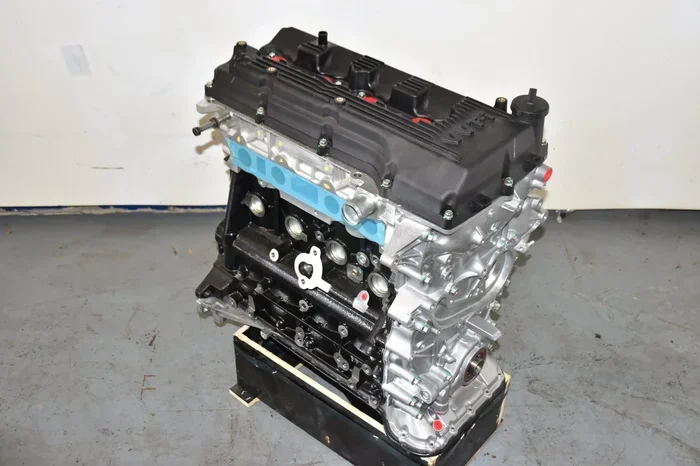
Toyota’s 4-cylinder engines are the backbone of the lineup. Found in models like the Corolla, Camry, and RAV4, these engines are known for lasting well beyond 250,000 miles. They are simple, efficient, and proven. The 2AR-FE engine in the Camry, for example, is widely regarded as one of the most reliable 4-cylinders ever made.
Many Toyota owners report reaching 300,000 miles with their 4-cylinder engines before needing any major work. The key is sticking to the maintenance schedule and using quality fluids.
V6 Engines
Toyota V6 engines, like the 1GR-FE found in the Tacoma and the 1MZ-FE in older Camrys, are also highly durable. They produce more power, which means more stress on internal components. However, Toyota built these engines with enough strength to handle decades of use.
V6 engines typically last 200,000 to 300,000 miles. Owners who keep up with oil changes and avoid overheating usually see their V6 Toyotas through several hundred thousand miles without a major engine issue.
Toyota Hybrid Engines
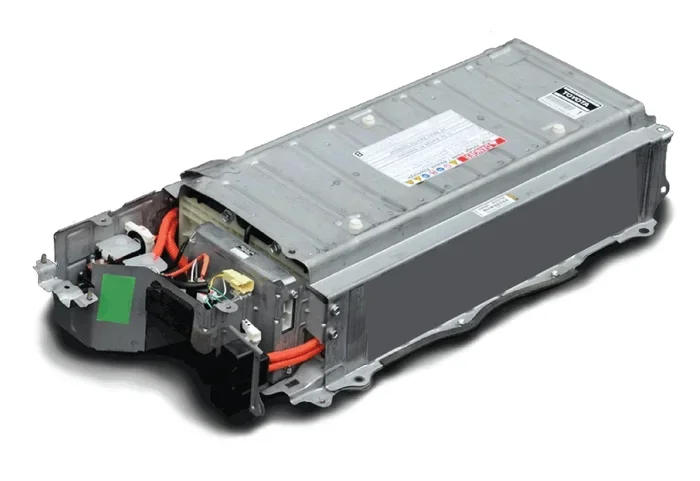
Toyota hybrid systems add an electric motor to the powertrain, which actually reduces wear on the combustion engine. The electric motor handles low-speed driving and assists during acceleration, meaning the gas engine works less hard overall.
Hybrid Toyotas like the Prius and Camry Hybrid often see engine longevity that matches or exceeds their non-hybrid counterparts. The electric assist reduces the number of hard-start cycles and heavy-load situations that wear engines faster.
If you are considering a Toyota hybrid, the engine longevity is a strong selling point. For more on Toyota model longevity, see our article on whether a Toyota can last 500,000 miles.
Expert Tips for Engine Longevity
Quick Tips to Remember
Here are some quick, actionable tips from experienced Toyota mechanics and long-term owners:
- Check your oil monthly: Do not wait for the dashboard reminder. Low oil is one of the fastest ways to cause engine damage.
- Use OEM or high-quality aftermarket parts: Cheap parts may save money upfront but can lead to premature failures.
- Keep records of all service: A complete service history increases your vehicle’s resale value and helps you track maintenance intervals.
- Address coolant leaks immediately: Even small coolant leaks can lead to overheating and catastrophic engine damage.
- Do not skip oil filter changes: A clogged oil filter restricts flow and starves the engine of lubrication.
Common Mistakes That Shorten Engine Life
Avoid these common mistakes that many Toyota owners make:
- Ignoring the check engine light: What seems minor today can become a major issue tomorrow.
- Skipping oil changes: Even if the oil looks fine, it loses its protective properties over time.
- Using the wrong oil: Always use the viscosity and specification recommended by Toyota for your specific engine.
- Letting the car sit for months: Engines that sit unused can develop condensation, corroded components, and dead batteries.
- Overloading the vehicle: Exceeding the vehicle’s rated capacity puts extra strain on the engine and transmission.
By avoiding these mistakes and staying proactive with maintenance, you give your Toyota engine the best chance of reaching — and exceeding — 300,000 miles.
How to Assess Your Current Engine Health
If you are not sure where your Toyota engine stands right now, there are a few simple checks you can do at home or have a mechanic perform.
Check the oil: Pull the dipstick and look at the color and consistency. Dark, gritty oil means it is overdue for a change. Milky or foamy oil could indicate a head gasket issue.
Look for leaks: Check under the car for any fresh puddles. Oil spots, coolant puddles, or transmission fluid leaks all need attention.
Listen carefully: Start the engine and listen for any unusual sounds. Knocking, ticking, or whining noises are worth investigating.
Get a compression test: This is the most reliable way to assess the internal health of your engine. A mechanic can test each cylinder and tell you if there is significant wear or damage.
Request an oil analysis: Some shops can analyze your used oil for metal particles, coolant contamination, and other indicators of internal wear. This is a great diagnostic tool for older Toyotas.
These checks take little time but can reveal a lot about the true condition of your engine. If everything checks out, you can drive with confidence knowing your Toyota engine has plenty of life left.
Final Thoughts on Toyota Engine Longevity
The answer to “how long is a Toyota engine good for” is simpler than you might think. With proper maintenance, reasonable driving habits, and timely repairs, most Toyota engines will comfortably last 250,000 to 300,000 miles. Some go even further.
Toyota engines earn their reputation for durability through smart engineering and consistent quality. But even the best engine needs care. Oil changes, coolant flushes, and attention to warning signs are the foundation of long engine life.
When problems do arise, understanding whether to repair or replace saves you time and money. Use the cost comparison and decision framework outlined in this guide to make the best choice for your situation.
Your Toyota is an investment. Treat the engine well, and it will reward you with years of reliable service. The keys to a long-lasting Toyota engine are simple: maintain it, drive it gently, and address issues before they grow.
For more Toyota-specific advice, explore our other articles on Toyota reliability and maintenance. And if you are ever unsure about your engine’s condition, a trusted mechanic can provide a professional assessment tailored to your specific vehicle.
Frequently Asked Questions
How many miles can a Toyota engine last?
Most Toyota engines last between 200,000 and 300,000 miles with proper maintenance. Some well-cared-for Toyota engines exceed 300,000 miles. The key factors are regular oil changes, timely coolant flushes, and addressing problems promptly.
Is it worth replacing a Toyota engine?
It depends on the vehicle’s overall condition and the repair cost. If the car is otherwise in great shape and the replacement cost is less than 50 to 75 percent of the vehicle’s value, a new engine can be a smart investment. A used or remanufactured engine is often the most cost-effective option.
What is the most reliable Toyota engine?
The Toyota 2AR-FE (found in the Camry and RAV4) and the 1GR-FE (found in the Tacoma) are among the most reliable Toyota engines ever produced. These engines are known for lasting well over 250,000 miles with basic maintenance.
How often should I change my Toyota engine oil?
Toyota recommends oil changes every 5,000 to 7,500 miles for most models. If you drive in severe conditions — such as extreme heat, stop-and-go traffic, or frequent towing — you should change your oil more often, around every 3,000 to 5,000 miles.
Can a Toyota engine last 400,000 miles?
Yes, it is possible. Many Toyota owners report their engines reaching 400,000 miles or more. This requires exceptional maintenance, gentle driving, and prompt attention to any issues. Models like the Toyota Camry and Toyota Highlander are frequently cited for reaching these high mileage milestones.
What are the first signs of engine wear in a Toyota?
Early signs include reduced fuel economy, rough idling, unusual knocking or tapping sounds, and the check engine light illuminating. If you notice any of these symptoms, get your Toyota inspected as soon as possible to prevent further damage.
=== CONCLUSION ===
How long is a Toyota engine good for? The answer is clear: with proper care, your Toyota engine can reliably serve you for 250,000 to 300,000 miles or more. Toyota’s engineering excellence gives these engines a strong foundation, but maintenance is what truly determines their lifespan.
Stay on top of oil changes, watch for warning signs, and make smart decisions about repairs versus replacement. Your Toyota engine is built to last — give it the care it deserves, and it will keep running strong for years to come. Start applying these tips today and enjoy the confidence that comes with knowing your Toyota engine is in great shape.