How Long Do Struts Last on a Toyota and Why It Matters
So, how long do struts last on a Toyota? Most Toyota struts last between 50,000 and 100,000 miles, but the exact lifespan depends on driving habits, road conditions, and your specific Toyota model. Replacing worn struts early saves you money on tires, repairs, and keeps your ride smooth and safe.
Your Toyota is built to go the distance. But like every car, it relies on parts that wear out over time. One of the most important components you need to watch is the strut. So, how long do struts last on a Toyota? Let us break it all down for you.
Struts are a key part of your car’s suspension system. They absorb bumps, keep your tires grounded, and make sure your ride feels smooth. When struts go bad, your car handles poorly. Your tires wear out fast. And your safety takes a hit. That is why knowing the Toyota strut lifespan matters so much.
In this guide, we will cover everything you need to know. We will look at how many miles struts last, what signs to watch for, and how to get the most life out of them. Whether you drive a Camry, RAV4, or another Toyota model, this article has you covered.
Key Takeaways
- Struts typically last 50,000 to 100,000 miles on most Toyota models under normal driving conditions.
- Driving on rough roads or hauling heavy loads can shorten strut life significantly.
- Worn struts cause bouncing, uneven tire wear, and poor handling, making your car unsafe to drive.
- Replacement costs range from $400 to $1,200 per strut depending on the Toyota model and labor rates.
- Regular inspections and smooth driving habits help your Toyota struts last longer.
- Front and rear struts wear at different rates, so check both during maintenance.
- Replacing struts with your Toyota’s maintenance schedule prevents costly damage to other suspension parts.
📑 Table of Contents
- What Are Struts and Why Do They Matter?
- How Long Do Struts Last on a Toyota?
- Signs Your Toyota Struts Are Worn Out
- Factors That Affect Strut Lifespan
- Strut Replacement: What to Expect
- How to Extend the Life of Your Toyota Struts
- Common Mistakes Owners Make With Struts
- When to Replace vs. When to Repair
- Expert Insights on Toyota Strut Longevity
- Final Thoughts
What Are Struts and Why Do They Matter?
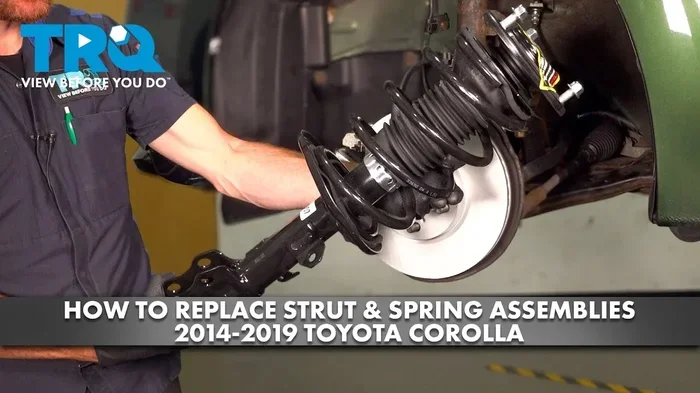
Before we dive into lifespan, let us talk about what struts actually do. Many drivers confuse struts with shock absorbers. They are related but not the same thing. A strut assembly combines a shock absorber with a coil spring into one unit. It supports your car’s weight and controls movement from the suspension.
Your Toyota uses struts on both the front and rear wheels. Most Toyotas use struts in the front. Some models also have them in the back. These parts take a beating every time you drive. They handle potholes, speed bumps, gravel roads, and everyday bumps.
Here is why struts matter so much:
- Ride comfort: Struts keep your ride smooth by absorbing road shocks.
- Handling: Good struts help you steer and stop safely.
- Tire life: Worn struts cause uneven tire wear, which means new tires sooner.
- Safety: Bad struts increase stopping distance and reduce control.
- Other parts: Worn struts strain ball joints, tie rods, and wheel bearings.
Think of struts as the unsung heroes of your Toyota’s suspension. They work hard every single day. And just like any hard-working part, they wear out over time.
How Long Do Struts Last on a Toyota?
This is the big question. The short answer is that most Toyota struts last between 50,000 and 100,000 miles. But the real answer depends on several factors. Let us look at what affects strut life and what you can expect from different Toyota models.
Average Strut Lifespan by Toyota Model
Different Toyota models put different demands on struts. Here is a general idea of what to expect:
- Toyota Camry: Struts often last 70,000 to 100,000 miles with normal driving.
- Toyota RAV4: Expect struts to last 60,000 to 90,000 miles, especially if you go off-road.
- Toyota Corolla: These struts tend to last 80,000 to 100,000 miles since they are lighter.
- Toyota Tacoma: Truck struts may wear faster, around 60,000 to 80,000 miles, especially if you haul cargo.
- Toyota Highlander: Struts typically last 65,000 to 90,000 miles due to the heavier body.
Keep in mind that these are averages. Your actual Toyota strut lifespan may be shorter or longer. It all comes down to how you drive and where you drive.
How Long Does a Car Last? Context for Struts
To put strut life in perspective, consider how long a car lasts overall. Many Toyotas can easily go 200,000 to 300,000 miles with proper care. How long does a car last depends on maintenance, driving style, and luck. Since struts are wear items, you will likely replace them two or three times over the life of your vehicle.
If you want your Toyota to last 500,000 miles, you need to stay on top of strut replacements. Waiting too long between replacements causes damage that costs far more than a new set of struts. Think of it as an investment in your car’s long-term health.
How Many Miles Can a Car Last? The Big Picture
Toyota has a reputation for building vehicles that go the distance. How many miles can a car last is a question many owners ask. The answer is simple: it depends on care and maintenance. Struts are one of those parts that directly affect how long your car runs well. Neglect them, and you invite bigger problems down the road.
Signs Your Toyota Struts Are Worn Out
Catching bad struts early saves you money and keeps you safe. You do not want to wait until a strut completely fails. Here are the most common worn struts symptoms to watch for:
Bouncing After Bumps
This is the #1 sign. If your Toyota keeps bouncing after you hit a bump or a pothole, your struts are struggling. A healthy strut absorbs the impact and settles quickly. A bad strut lets the car keep bouncing like a boat on waves.
Bottoming Out
Do you feel the frame or undercarriage hitting the ground when you go over bumps? That is called bottoming out. It happens when struts can no longer support the car’s weight properly. This is a clear signal that you need new struts soon.
Uneven Tire Wear
Take a look at your tires. Do you see more wear on the inside or outside edges? Worn struts cause tires to bounce and lose contact with the road. This leads to uneven tire wear patterns. You might need new tires much sooner than expected if your struts are shot.
Nose Diving When Braking
When you hit the brakes hard, does the front of your Toyota dip forward dramatically? This is called nose diving. Good struts help control weight transfer during braking. Bad struts make the front end lurch forward, increasing stopping distance.
Leaking Fluid
Struts contain hydraulic fluid. Over time, seals can wear and fluid starts to leak. If you see oil or residue on the strut body, it is leaking. A leaking strut has lost its damping ability and needs to be replaced.
Handling and Stability Problems
Does your Toyota feel loose or sway during turns? Do you notice more body roll than usual? Worn struts reduce your car’s stability. You may feel the car drift or pull to one side. This affects both comfort and safety.
Strut Noise
Listen for clunking or knocking sounds when you drive over bumps. These noises often come from worn strut mounts or bearings. Any unusual suspension noise deserves a closer look.
If you notice any of these signs, get your struts checked right away. The longer you wait, the more damage you risk to other parts of your car.
Factors That Affect Strut Lifespan
Why do some struts last 100,000 miles while others fail at 40,000? Several factors play a role. Understanding these helps you make smart decisions about maintenance and driving habits.
Driving Habits
How you drive matters a lot. Aggressive driving wears out struts faster. Hard braking, sharp cornering, and speeding over bumps all put extra stress on the suspension. Smooth, steady driving helps your struts last longer.
Road Conditions
Where you drive is a huge factor. If you regularly drive on rough, unpaved roads, your struts take a beating. Potholes, speed bumps, gravel, and cracked pavement all shorten strut life. City driving with lots of stops and starts is also harder on struts than steady highway driving.
Load and Towing
Do you haul heavy cargo or tow a trailer? Extra weight puts more demand on your struts. Toyota trucks and SUVs that regularly carry heavy loads will wear struts faster than cars that stay light.
Climate and Weather
Extreme weather affects suspension parts too. Road salt, moisture, and temperature swings can cause corrosion and wear on strut components. Cars in northern states or coastal areas may need strut replacements more often.
Maintenance and Inspections
Regular maintenance is the best way to extend strut life. Have a mechanic inspect your suspension during every oil change or tire rotation. Catching small problems early prevents big failures later.
Strut Quality and Type
Not all struts are created equal. OEM (original equipment manufacturer) struts are designed specifically for your Toyota. Aftermarket struts vary widely in quality. Premium aftermarket brands may last longer than budget options. When it is time for replacement, choose quality over price alone.
Strut Replacement: What to Expect
So, you have been told your struts need to go. What happens next? Let us walk through the replacement process so you know what to expect.
How Much Does It Cost?
The cost of replacing struts varies by Toyota model and where you live. Here is a general breakdown:
- Parts alone: $150 to $400 per strut depending on brand and model.
- Labor costs: $150 to $400 per strut since the work is labor-intensive.
- Total per strut: Typically $300 to $800.
- Full set (four struts): Can range from $1,200 to $3,200.
Many mechanics recommend replacing struts in pairs. If one front strut fails, replace both front struts at the same time. This ensures even handling and prevents uneven wear on other parts.
What Comes with New Struts?
A complete strut replacement usually includes:
- The strut assembly itself
- Strut mounts and bearings
- Bump stops and bump bushings
- Sometimes a alignment check or adjustment
Always ask your mechanic what is included in the price. Some shops bundle everything together, while others charge separately for mounts and hardware.
Do You Need an Alignment?
Yes. Strut replacement changes the geometry of your suspension. You should get a wheel alignment after replacing struts. This ensures your tires wear evenly and your car tracks straight. Skipping the alignment can lead to premature tire wear, which costs you even more money.
How Long Does the Work Take?
A full strut replacement usually takes 2 to 4 hours per axle. If you are replacing all four struts, plan for a full day at the shop. Some Toyota models are easier to work on than others, so ask your mechanic for a time estimate specific to your vehicle.
How to Extend the Life of Your Toyota Struts
You want your struts to last as long as possible. Here are practical tips to help you get the most miles out of them.
Drive Smoothly
Avoid hard braking and aggressive cornering. Slow down before bumps and potholes instead of blasting through them. Smooth driving reduces the stress on your suspension components significantly.
Watch Your Load
Do not overload your Toyota. Stay within the manufacturer’s recommended weight limits. If you carry heavy loads often, consider upgrading to heavy-duty struts designed for extra weight.
Check Tire Pressure Regularly
Underinflated tires put extra strain on your struts. Make it a habit to check tire pressure at least once a month. Proper tire pressure helps your suspension work the way it should.
Get Regular Inspections
Ask your mechanic to inspect your struts during routine service. A quick visual check can reveal leaks, damage, or excessive wear before it becomes a bigger problem.
Avoid Road Hazards When Possible
You cannot always avoid rough roads, but you can choose smoother routes when you have the option. Steering clear of construction zones, pothole-filled streets, and unpaved roads helps your struts last longer.
Use Quality Replacement Parts
When the time comes to replace your struts, invest in quality parts. OEM Toyota struts or premium aftermarket brands offer better durability and performance. Cheap struts may save money upfront but wear out faster, costing you more in the long run.
Keep Up with Other Suspension Maintenance
Struts do not work alone. They are part of a larger suspension system. Replace worn shocks, ball joints, tie rods, and bushings as needed. A healthy suspension system puts less strain on each individual part, including your struts.
Common Mistakes Owners Make With Struts
Avoid these common errors that shorten strut life or lead to costly repairs:
- Ignoring warning signs: Bouncing, noise, or uneven tire wear are not normal. Address them early.
- Replacing only one strut: Always replace struts in pairs for balanced handling.
- Skipping the alignment: This leads to rapid tire wear and handling issues.
- Using cheap parts: Budget struts may not last as long or perform as well.
- Delaying replacement: Worn struts damage other suspension parts, making repairs more expensive.
- Overloading the vehicle: Excess weight accelerates strut wear and failure.
These mistakes are easy to avoid. Stay proactive and your struts will thank you.
When to Replace vs. When to Repair
Sometimes the issue is not the strut itself but a related component. Here is how to tell the difference:
- Replace the strut: If it is leaking fluid, bottoming out frequently, or has over 100,000 miles on it.
- Repair the mount or bearing: If the noise comes from the top of the strut and the shock absorber still works.
- Replace the spring: Rarely needed on its own, but a broken coil spring requires replacement along with the strut.
A good mechanic can help you decide. They will test the struts and give you a clear recommendation based on what they find.
Expert Insights on Toyota Strut Longevity
Experienced Toyota mechanics agree on a few key points. First, Toyotas are generally easier on struts than many other brands. The suspension systems are well-engineered and balanced. Second, regular maintenance makes a huge difference. Owners who stay on top of tire rotations, alignments, and suspension inspections consistently get more life from their struts.
One mechanic shared this insight: “I have seen Toyotas go 100,000 miles on original struts, and I have seen the same model need replacements at 40,000 miles. The difference almost always comes down to driving conditions and habits.”
The takeaway is clear. You have more control over strut lifespan than you might think. Your daily choices behind the wheel and your commitment to regular maintenance play a huge role.
Final Thoughts
So, how long do struts last on a Toyota? The answer is clear: with proper care, most Toyotas can go 50,000 to 100,000 miles before needing new struts. But your driving habits, road conditions, and maintenance routine all influence that number.
Pay attention to the warning signs. Bouncing, noise, uneven tire wear, and handling problems are your car telling you something. Listen to it. Get your struts checked regularly and replace them when needed.
Your Toyota is a long-term investment. Keeping your suspension in top shape helps the car last longer, drive better, and stay safe. Take care of your struts, and they will take care of you for miles to come.
Whether you are a first-time Toyota owner or a long-time fan, understanding strut life is essential. It is one of those things that does not get enough attention until something goes wrong. Now you know better. Use this knowledge to keep your Toyota running strong for years.
Remember, a smooth ride starts from the ground up. Your struts are the foundation of that smooth ride. Give them the care they deserve, and your Toyota will reward you with comfort, safety, and reliability mile after mile.
Frequently Asked Questions
How do I know if my Toyota struts need replacing?
Look for signs like excessive bouncing after bumps, nose diving when braking, uneven tire wear, and leaking fluid on the strut body. If you notice any of these symptoms, have a mechanic inspect your struts as soon as possible.
Can I drive with bad struts on my Toyota?
You can drive short distances with worn struts, but it is not safe. Bad struts reduce your ability to control the car, especially during emergency braking or sharp turns. Get them replaced promptly to avoid accidents and further damage.
How much does it cost to replace all four struts on a Toyota?
Expect to pay between $1,200 and $3,200 for all four struts, including parts and labor. The exact cost depends on your Toyota model, the brand of parts you choose, and local labor rates.
Do I need to replace struts in pairs?
Yes, always replace struts in pairs on the same axle. If one front strut fails, replace both front struts together. This ensures balanced handling and prevents uneven wear on other suspension components.
How often should I have my Toyota struts inspected?
Have your struts inspected every 12,000 to 15,000 miles or during every tire rotation. Regular inspections help catch wear early before it leads to costly repairs or safety issues.
What happens if I don’t replace worn struts?
Worn struts cause poor handling, longer stopping distances, uneven tire wear, and damage to other suspension parts. Over time, the repair costs grow significantly. Replacing struts on time saves you money and keeps your Toyota safe to drive.