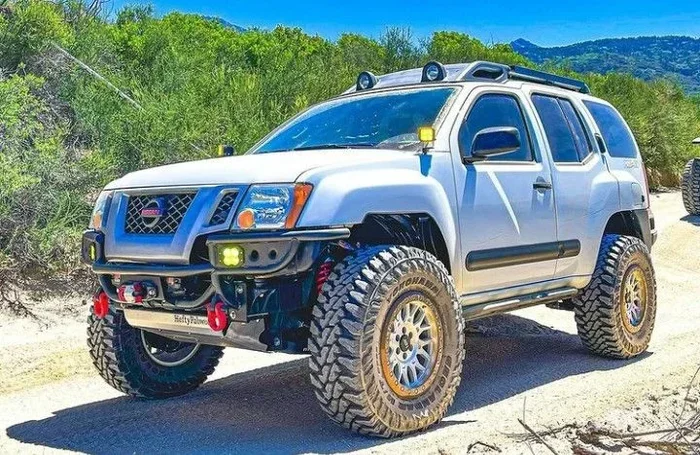
How Long Do Nissan Xterras Last Everything Explained
The Nissan Xterra is a rugged SUV that can last between 200,000 and 300,000 miles with proper care. Most owners report 15 to 20 years of reliable service, though this depends heavily on maintenance habits, driving conditions, and the specific model year. Regular oil changes, prompt repairs, and smart driving choices can push your Xterra well beyond average expectations.
Key Takeaways
- Lifespan: A well-maintained Nissan Xterra can last 200,000 to 300,000 miles or 15 to 20 years.
- Engine durability: The 3.3L V6 and 4.0L V6 engines are known for long service life when properly maintained.
- Common issues: Rust, transmission wear, and suspension problems are the most frequent concerns as mileage climbs.
- Maintenance matters: Following the recommended service schedule is the single biggest factor in Xterra longevity.
- Resale value: Older Xterras hold value reasonably well due to their reputation for durability and off-road capability.
- Used purchase tip: A pre-owned Xterra with 100,000 to 150,000 miles can still offer many more years of reliable use.
📑 Table of Contents
How Long Do Nissan Xterras Last? The Complete Breakdown
If you are shopping for a used SUV or already own a Nissan Xterra, you probably wonder about its lifespan. How long do Nissan Xterras last? The short answer is that these trucks are built tough and can serve you well for many years. Most Nissan Xterras will comfortably reach 200,000 miles with regular care. Some owners push their vehicles past 300,000 miles without major issues.
The Nissan Xterra has been a popular choice since its debut in 2000. It combines off-road ability with everyday practicality. That makes it attractive for families and adventure seekers alike. But like any vehicle, the Nissan Xterra lifespan depends on several factors. Let us walk through everything you need to know.
Unlike some SUVs that start falling apart after 100,000 miles, the Xterra has a reputation for durability. Its body-on-frame construction and simple mechanical design help it age well. Many owners compare it favorably to other midsize SUVs in terms of long-term reliability. Whether you are buying your first Xterra or considering a second one, understanding what affects its longevity is essential.
What the Numbers Say About Nissan Xterra Longevity
Industry data suggests that the average car lasts around 200,000 miles these days. The Nissan Xterra often exceeds that benchmark. According to owner surveys and mechanic reports, many Xterras reach the 250,000-mile mark without needing a major engine or transmission rebuild. This is impressive for a vehicle that has spent years tackling trails and rough terrain.
Some owners report even more. It is not unusual to see Xterras with 300,000 miles still running strong. The key is consistent preventive maintenance. Vehicles that skip oil changes or ignore warning signs tend to fall short of these numbers. On the other hand, Xterras that receive regular attention often outlive expectations.
If you compare the Xterra to similar SUVs from the same era, it holds its own. Many competitors in the midsize SUV category struggle to hit 200,000 miles. The Xterra’s simple wiring, robust engine, and straightforward design give it an edge. This is one reason why used Nissan Xterras remain in high demand on the resale market.
What Affects the Lifespan of a Nissan Xterra
Several factors determine how long your Xterra will last. Some are within your control. Others depend on the vehicle itself or its history. Understanding these elements helps you set realistic expectations and take the right steps to protect your investment.
Maintenance Habits
This is the biggest factor. A Nissan Xterra that gets regular oil changes, fluid flushes, and timely brake jobs will last far longer than one that does not. Scheduled maintenance is not just a suggestion. It is the backbone of vehicle longevity.
Here are the most important maintenance tasks for extending your Xterra’s life:
- Oil changes every 5,000 to 7,500 miles using quality synthetic or conventional oil.
- Transmission fluid replacement at around 60,000 to 90,000 miles.
- Coolant flushes according to the owner’s manual schedule.
- Brake pad and rotor inspections at every tire rotation.
- Spark plug replacement at the recommended intervals.
- Timing chain inspection as the vehicle approaches higher mileage.
Skipping any of these services can lead to bigger problems down the road. For example, old transmission fluid breaks down and causes internal wear. That can lead to expensive repairs. Staying on top of these simple tasks saves money and keeps your Xterra running smoothly for years.
Driving Conditions and Usage
How you drive your Xterra matters a lot. The vehicle was designed for off-road use, but daily highway driving is gentler on the engine and transmission. If you use your Xterra for heavy towing or frequent off-roading, components wear faster. This does not mean you cannot enjoy those activities. It just means you need to be more diligent about maintenance.
Stop-and-go city driving also takes a toll. Short trips where the engine does not fully warm up can cause moisture buildup in the oil. Over time, this leads to sludge and engine wear. If your Xterra sees mostly city miles, consider changing oil more frequently than the standard interval.
Climate and Environmental Factors
Where you live plays a role in your Xterra’s longevity. Vehicles in cold, snowy climates face more wear on starting systems and drivetrain components. Salt and road chemicals accelerate rust and corrosion. If you live in a coastal area, salt air can eat away at the undercarriage and body panels.
Hot, dry climates are easier on the body but harder on the cooling system. Overheating, even briefly, can cause serious engine damage. No matter where you live, keeping an eye on your temperature gauge and addressing leaks promptly is critical. For more on how long vehicles can last in different conditions, check out our guide on how many miles a car can last.
Common Nissan Xterra Problems by Mileage
Every vehicle has weak points. The Nissan Xterra is no exception. Knowing what to watch for at different mileage milestones helps you catch problems early and avoid costly repairs.
Under 100,000 Miles
In the first 100,000 miles, most Xterras run strong with minimal issues. The 4.0L V6 engine and 3.3L V6 engine are both reliable during this phase. Common minor issues include:
- Wear on the brake rotors and pads from heavy use.
- Minor suspension creaks or rattles from off-road abuse.
- Occasional electrical gremlins with the infotainment system.
None of these are deal-breakers. They are normal wear items that any vehicle develops over time. Addressing them promptly keeps small problems from becoming big ones.
100,000 to 200,000 Miles
This is where the Xterra starts to show its age, but many models continue running well. The most common issues in this range include:
- Transmission hesitation or slipping: The 4-speed automatic transmission may start showing wear. A fluid change can often delay this.
- Rust development: The Xterra is prone to rust on the wheel wells, rocker panels, and frame. Regular washing and rust-proofing help.
- Suspension component wear: Control arms, ball joints, and tie rods may need replacement.
- Cooling system leaks: The water pump and radiator hoses can develop leaks over time.
None of these issues are unique to the Xterra. Most midsize SUVs face similar challenges at this mileage. The key is to budget for repairs and stay ahead of them. For information on body protection, you might also find our article on how long a car wrap lasts helpful for preserving your Xterra’s exterior.
Over 200,000 Miles
Reaching 200,000 miles is an achievement. At this point, major engine and transmission overhauls become more likely. Some owners choose to rebuild rather than replace. The Xterra’s simple design makes repairs more manageable than in complex modern vehicles.
At high mileage, watch for:
- Engine oil consumption increasing.
- Transmission needing rebuild or replacement.
- Multiple suspension components needing simultaneous replacement.
- Electrical issues becoming more frequent.
With proper care, many Xterras continue running reliably well past 200,000 miles. The vehicle’s reputation for durability holds up even at these high numbers. If you are considering buying a high-mileage Xterra, get a thorough pre-purchase inspection from a trusted mechanic.
Maintenance Tips to Extend Your Xterra’s Life
Want to push your Nissan Xterra past 300,000 miles? It is possible with the right approach. Here are practical tips that real Xterra owners swear by.
Stay on Top of Oil Changes
This cannot be overstated. Fresh oil is the lifeblood of any engine. For the Xterra, change your oil every 5,000 miles if you drive in severe conditions. If your driving is mostly highway and mild, every 7,500 miles is acceptable. Use quality oil that meets Nissan’s specifications.
Address Rust Immediately
Rust is the Xterra’s biggest enemy. Inspect the undercarriage, wheel wells, and rocker panels regularly. If you spot surface rust, treat it immediately before it spreads. A small spot of rust today can become a structural issue tomorrow. For tips on protecting your vehicle’s exterior, our article on how long a wrap lasts on a car offers useful insights on exterior protection strategies.
Keep the Cooling System Healthy
The Xterra’s engine runs hot, especially when towing or off-roading. Flush the coolant system every 60,000 miles. Replace the water pump at the first sign of leakage. Overheating even once can cause permanent engine damage. Monitor your temperature gauge during every drive.
Drive Smoothly
Aggressive driving wears out components faster. Smooth acceleration, gentle braking, and avoiding rough roads when possible all extend your Xterra’s life. This does not mean you cannot take it off-road. Just be smart about it and let the engine warm up before pushing hard.
Budget for Repairs
As your Xterra ages, repair costs will increase. Setting aside money for unexpected repairs is wise. A well-planned budget prevents you from neglecting necessary fixes, which only makes problems worse and more expensive later.
Nissan Xterra vs. Other SUVs: Longevity Comparison
How does the Xterra stack up against competitors? Let us look at a quick comparison of popular midsize SUVs and their expected lifespans.
| SUV Model | Expected Lifespan (Miles) | Common Weak Points |
|---|---|---|
| Nissan Xterra | 200,000 – 300,000 | Rust, transmission wear, suspension components |
| Ford Explorer | 150,000 – 250,000 | Electrical issues, suspension wear, coolant leaks |
| Toyota 4Runner | 250,000 – 350,000 | Higher cost, fewer features |
| Chevy Trailblazer | 150,000 – 220,000 | Transmission failure, engine oil consumption |
| Jeep Grand Cherokee | 150,000 – 250,000 | Electrical problems, rust, expensive repairs |
The Xterra holds a strong position in this comparison. It does not quite match the Toyota 4Runner in longevity, but it outperforms several competitors. The Xterra’s advantage is its simpler design and lower repair costs compared to European or luxury SUVs. For buyers looking at the cost of ownership, the Xterra offers excellent value.
If you are curious about how vehicle longevity compares across different brands, our piece on how many miles a car can last provides broader context for all vehicle types.
Is a Used Nissan Xterra Worth Buying?
The short answer is yes, with some caveats. A used Nissan Xterra can be an excellent purchase if you choose the right one. Here is what to consider.
Best Model Years to Buy
The 2005 to 2015 model years are generally the sweet spot. These Xterras benefit from improvements made over the first generation. The 2005 and newer models also have more refined engines and better reliability track records. Avoid early 2000 models if possible, as they had more teething issues.
What to Inspect Before Buying
Before purchasing a used Xterra, pay close attention to these areas:
- Frame and undercarriage rust: This is the most critical check. Frame rust can be unsafe and expensive to repair.
- Transmission behavior: Test drive the vehicle and listen for hesitation or slipping.
- Maintenance records: Ask for service history. A well-documented Xterra is a better bet.
- Engine condition: Look for blue smoke, unusual noises, or excessive oil consumption.
- Suspension condition: Bounce each corner. Excessive play indicates worn components.
Expected Costs of Ownership
Used Xterras are affordable to buy, but ownership costs add up. Budget for insurance, fuel, and routine maintenance. The 4.0L V6 engine gets decent fuel economy for a truck-based SUV. Expect around 16 to 19 miles per gallon in mixed driving. Repair costs are generally lower than for luxury or import brands, which is a major advantage.
If you are also wondering about how much a brand new car costs and whether buying new versus used makes more sense for your budget, our article on how much a brand new car costs can help you compare the financial side of the equation.
Key Takeaways
The Nissan Xterra is a durable, capable SUV that can last for many years and miles. With proper care and attention, you can expect 200,000 to 300,000 miles from your vehicle. The key factors are consistent maintenance, smart driving habits, and addressing problems early. Rust prevention and transmission care are two areas that deserve extra attention throughout the vehicle’s life.
Buying a used Xterra is a smart move if you do your homework. Look for well-documented service history and inspect for rust and mechanical issues. The Xterra offers a great balance of off-road capability, reliability, and affordability that few competitors can match.
Whether you are keeping your Xterra for the long haul or shopping for one, understanding what affects its lifespan puts you in control. Take care of your vehicle, and it will take care of you for many miles to come.
Frequently Asked Questions
How many miles can a Nissan Xterra last?
With proper maintenance, a Nissan Xterra can last between 200,000 and 300,000 miles. Some owners report even higher numbers, especially if the vehicle receives consistent care and avoids severe driving conditions. The engine and transmission are the primary determinants of overall lifespan.
What is the most common problem with the Nissan Xterra?
Rust is the most common and most serious issue. The Xterra’s frame and body panels are prone to corrosion, especially in cold or coastal climates. Transmission wear and suspension component failure are also frequent concerns as mileage increases. Regular inspections help catch these problems early.
Is the Nissan Xterra reliable for daily driving?
Yes, the Xterra is a reliable daily driver. Its simple mechanical design means fewer things can go wrong compared to more complex modern SUVs. Many owners use their Xterras as work trucks and family vehicles without major issues. The key is staying current on maintenance.
What year Nissan Xterra is the most reliable?
The 2005 to 2015 model years are widely considered the most reliable. These models feature improved engines, better electronics, and refinements based on earlier feedback. The 2005 Xterra in particular is often cited as a strong starting point for buyers looking for a dependable used Xterra.
How much does it cost to maintain a Nissan Xterra?
Maintenance costs for the Xterra are moderate and generally lower than for luxury or import SUVs. Routine services like oil changes, brake jobs, and suspension repairs are affordable. As the vehicle ages, expect higher repair costs, but parts remain readily available and reasonably priced.
Can a Nissan Xterra last 300,000 miles?
Yes, a Nissan Xterra can last 300,000 miles, but it requires diligent maintenance and careful driving. Owners who stay on top of oil changes, transmission service, and rust prevention are the most likely to reach this milestone. The Xterra’s simple design makes it easier to maintain at high mileage than more complex vehicles.