How Do You Reset the Check Engine Light on a Toyota Corolla
Resetting the check engine light on a Toyota Corolla is easier than most people think. You can use an OBD-II scanner, disconnect the battery, or fix the underlying problem. This guide walks you through every method with clear, simple steps so you can get back on the road quickly and confidently.
That little orange engine icon on your dashboard can send anyone into a panic. You’re driving your Toyota Corolla, everything seems fine, and then — boom — the check engine light pops on. It’s one of the most common reasons Toyota owners visit forums, call mechanics, or frantically search for answers at 11 PM.
The good news? You don’t always need a mechanic. Resetting the check engine light on a Toyota Corolla is something you can do at home with basic tools and a little patience. Whether the light came on because of a loose gas cap or something more serious, this guide covers every method you need.
We’ll walk you through the most common causes, the tools you’ll need, and the exact steps for each reset method. By the end, you’ll feel confident tackling this yourself and saving money on unnecessary shop visits.
Key Takeaways
- Multiple reset methods exist: You can use an OBD-II scanner, disconnect the battery, or resolve the root cause to turn off the light.
- Common causes are often simple: A loose gas cap, faulty oxygen sensor, or worn spark plugs frequently trigger the check engine light.
- An OBD-II scanner is the most reliable tool: It reads diagnostic trouble codes and lets you reset the light safely.
- Never ignore a flashing light: A flashing check engine light signals a serious problem that needs immediate attention.
- Resetting without fixing the issue is temporary: The light will return if the underlying problem isn’t resolved.
- Toyota-specific tools help: The Toyota app and built-in diagnostics offer additional ways to monitor engine health.
📑 Table of Contents
- Why Does the Check Engine Light Come On?
- How to Reset the Check Engine Light on a Toyota Corolla
- When Should You Worry About the Check Engine Light?
- Tools and Products You May Need
- Common Mistakes to Avoid When Resetting the Check Engine Light
- How to Prevent the Check Engine Light from Coming Back
- When to See a Professional Mechanic
- Final Thoughts
Why Does the Check Engine Light Come On?
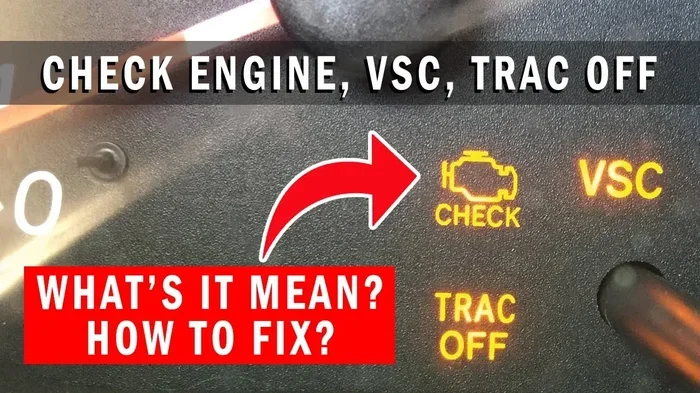
The check engine light is part of your Toyota Corolla’s onboard diagnostics system. It monitors dozens of sensors and systems in your engine and emissions components. When something falls outside the normal range, the light turns on to warn you.
Sometimes the cause is nothing more than a loose fuel cap. Other times, it points to a deeper mechanical issue. Understanding the root cause helps you decide whether a simple check engine light reset will do the trick or if you need professional repairs.
Common Triggers for the Check Engine Light
- Loose or damaged gas cap: This is the number one reason the light comes on. A loose cap lets fuel vapors escape and throws off the emissions system.
- Faulty oxygen sensor: The oxygen sensor measures unburned oxygen in your exhaust. When it fails, your fuel economy drops and the light turns on.
- Catalytic converter issues: A failing catalytic converter affects your car’s emissions and triggers the warning light.
- Worn spark plugs or ignition coils: Misfires from old spark plugs send raw fuel into the exhaust system.
- Mass airflow sensor failure: This sensor measures the air entering your engine. A dirty or faulty sensor causes poor performance.
- Engine misfire: A misfire means one or more cylinders aren’t firing properly, which can damage your catalytic converter over time.
How to Reset the Check Engine Light on a Toyota Corolla
There are several ways to reset the check engine light on a Toyota Corolla. The method you choose depends on the tools you have and the reason the light came on in the first place. Let’s go through each option step by step.
Method 1: Use an OBD-II Scanner
An OBD-II scanner is the most reliable and professional way to reset your check engine light. OBD stands for On-Board Diagnostics, and every Toyota Corolla made after 1996 has an OBD-II port. This tool reads the diagnostic trouble codes stored in your car’s computer and lets you clear them.
Step-by-step instructions:
- Locate your OBD-II port. In most Toyota Corollas, it’s under the dashboard on the driver’s side, near the steering column.
- Turn your ignition to the “On” position without starting the engine.
- Plug the OBD-II scanner into the port.
- Turn on the scanner and wait for it to connect to your car’s computer.
- Read the diagnostic trouble codes. Write them down or take a photo.
- Look up each code to understand what caused the light to come on.
- Once you’ve addressed the issue, use the scanner to clear the codes.
- Turn off the ignition, wait 30 seconds, then restart the engine.
- The check engine light should now be off.
OBD-II scanners range from basic code readers under $20 to advanced diagnostic tools that cost hundreds. For most Toyota Corolla owners, a basic scanner does the job perfectly. You can also visit an auto parts store like AutoZone or O’Reilly, where many locations will read and clear codes for free.
Method 2: Disconnect the Battery
If you don’t have an OBD-II scanner, you can reset the light by disconnecting your Toyota Corolla’s battery. This method clears all error codes from the car’s computer and resets the ECU (Engine Control Unit).
Step-by-step instructions:
- Make sure your car is turned off and parked safely.
- Open the hood and locate the battery.
- Using a wrench, loosen the negative terminal bolt first (the black cable).
- Carefully remove the negative cable from the battery post.
- Wait at least 15 minutes. This gives the ECU time to fully reset.
- Reconnect the negative cable and tighten the bolt.
- Start the engine and check if the check engine light is off.
Important note: Disconnecting the battery also resets your radio presets, clock, and sometimes power window settings. You’ll need to reprogram these after reconnecting. Also, some Toyota models may need a specific idle relearn procedure after a battery disconnect, so consult your owner’s manual if you’re unsure.
Method 3: Fix the Underlying Problem
The most permanent way to turn off the check engine light is to fix whatever caused it in the first place. Once the problem is resolved, the light usually turns off on its own after a few driving cycles.
A driving cycle means starting the car cold, driving it for a while, and then turning it off. Most Toyota Corollas need three to five complete driving cycles to re-evaluate all sensors and clear the codes automatically.
For example, if a loose gas cap triggered the light, simply tightening or replacing the cap often does the trick. After a few days of normal driving, the light should go away without any reset at all.
Method 4: Use the Toyota Techstream or Toyota App
Toyota offers digital tools that can help you monitor your car’s health. The Toyota app and Techstream software connect to your vehicle and provide diagnostic information. While these tools are more limited than a full OBD-II scanner, they can help you monitor certain systems and clear minor alerts.
You can also check tire pressure readings through the Toyota app, which helps rule out tire-related triggers for the check engine light. Keeping an eye on these readings between resets helps you catch problems early before the light comes back.
When Should You Worry About the Check Engine Light?
Not all check engine lights are created equal. Understanding the difference between a steady light and a flashing light can save you from serious engine damage.
Steady Check Engine Light
A steady check engine light usually means a non-emergency issue. Your car is still safe to drive, but you should get it checked soon. Common causes include a loose gas cap, a failing oxygen sensor, or a minor emissions issue. Schedule a diagnostic test within a few days to avoid potential problems getting worse.
Flashing Check Engine Light
A flashing check engine light is a serious warning. It typically indicates an engine misfire that’s sending unburned fuel into your exhaust system. This can cause catastrophic damage to your catalytic converter, which is an expensive repair. If your light is flashing, pull over safely, reduce your speed, and get your car to a mechanic as soon as possible.
Tools and Products You May Need
Having the right tools makes the reset process much smoother. Here’s a quick list of what you might need:
- OBD-II scanner: A basic code reader is affordable and easy to use. Look for one that’s compatible with Toyota vehicles.
- Replacement gas cap: A new gas cap costs just a few dollars and fixes many check engine light issues.
- Socket wrench set: Needed for battery disconnect resets.
- Spark plugs: Old or worn spark plugs are a common trigger for the light.
- Diagnostic trouble code reference guide: Helps you understand what each code means before clearing it.
Common Mistakes to Avoid When Resetting the Check Engine Light
Even well-meaning car owners make mistakes when dealing with the check engine light. Here are the most common ones:
- Resetting the light without fixing the problem: This is the biggest mistake. The light will almost always come back if the underlying issue isn’t resolved. Clearing codes without addressing the cause is like putting a bandage on a broken bone.
- Ignoring a flashing light: A flashing light means your engine is misfiring. Driving with a misfire for too long can destroy your catalytic converter, which can cost over $1,000 to replace.
- Using the wrong scanner: Not all OBD-II scanners read Toyota-specific codes. Make sure your scanner is compatible with your model year.
- Disconnecting the battery incorrectly: Always disconnect the negative terminal first. Reconnecting the positive first can cause sparks and potential damage to your electrical system.
- Clearing codes before reading them: Write down the codes first. Once you clear them, the information is gone, and you lose valuable diagnostic data.
How to Prevent the Check Engine Light from Coming Back
Once you’ve successfully reset the light, you’ll want to keep it off. Here are some proven tips:
- Check your gas cap regularly: Make sure it’s tight and in good condition. Replace it every few years if it looks worn or cracked.
- Keep up with routine maintenance: Regular oil changes, spark plug replacements, and air filter changes prevent many issues that trigger the light.
- Address small problems early: Don’t ignore minor symptoms like rough idling or decreased fuel economy. These often precede a check engine light.
- Monitor your dashboard gauges: If you notice temperature or oil pressure changes, address them immediately.
- Use quality fuel: Low-quality or contaminated fuel can cause sensor issues and trigger the light.
- Check for software updates: Some Toyota models benefit from ECU software updates that address known issues. Visit your local Toyota dealer to check for updates.
Some Toyota owners also use the Toyota app to monitor their vehicle’s systems remotely. This helps you catch potential issues before they trigger the check engine light again. Staying proactive with your car’s maintenance is the best way to avoid unnecessary resets.
When to See a Professional Mechanic
While resetting the check engine light is often a DIY task, there are times when professional help is the right choice. If you’ve tried all the methods above and the light comes back within a few days, there’s likely a deeper issue at play. Similarly, if you see any of the following warning signs alongside the check engine light, get your car to a shop immediately:
- Your engine is running rough or stalling
- You notice a significant loss of power
- Your fuel economy has dropped dramatically
- Unusual noises like knocking or ticking
- The temperature gauge is reading hot
- You smell sulfur or rotten eggs from the exhaust
A professional mechanic has access to advanced diagnostic equipment that goes beyond a basic OBD-II scanner. They can perform live data tests, inspect physical components, and provide repairs that address the root cause rather than just clearing the code.
Also, if your Toyota Corolla is still under warranty, check with your dealer before attempting any resets. Some warranty work requires dealer-specific diagnostics, and clearing codes yourself could potentially complicate a warranty claim. If you’re unsure about your warranty coverage, it’s always best to call the dealership first.
Final Thoughts
Resetting the check engine light on a Toyota Corolla doesn’t have to be stressful or expensive. With the right tools and a little knowledge, you can handle most situations yourself. Start by identifying what triggered the light, use the appropriate reset method, and always fix the root cause to prevent the light from returning.
Remember, the check engine light is your car’s way of communicating with you. It’s not something to fear, but it is something to take seriously. A quick reset feels great, but a lasting fix keeps your Toyota Corolla running smoothly for years to come.
Whether you grab an OBD-II scanner from your local auto parts store or simply tighten your gas cap, taking action is always better than ignoring the light. Your Toyota will thank you for it.
Frequently Asked Questions
Can I drive my Toyota Corolla with the check engine light on?
If the light is steady and your car is running normally, you can usually drive a short distance. However, you should get it diagnosed as soon as possible. If the light is flashing, stop driving immediately and seek professional help to avoid serious engine damage.
How much does it cost to reset a check engine light?
If you use an OBD-II scanner, the cost is just the price of the scanner, which starts around $15. Many auto parts stores will read and clear codes for free. If you visit a mechanic for diagnostics, expect to pay between $75 and $150 for the diagnostic fee alone.
Will disconnecting the battery permanently reset the check engine light?
Disconnecting the battery temporarily clears the codes, but it won’t prevent the light from coming back if the underlying problem isn’t fixed. The light will return once the car’s computer detects the same issue again during normal driving.
How long does it take for the check engine light to come back after resetting?
If the problem is fixed, the light should stay off after a few driving cycles, usually within 50 to 100 miles of driving. If it returns quickly, the issue hasn’t been fully resolved and needs further attention.
What is the most common reason the check engine light comes on in a Toyota Corolla?
The most common cause is a loose or faulty gas cap. Other frequent triggers include a failing oxygen sensor, worn spark plugs, and catalytic converter issues. A simple OBD-II scan will tell you exactly which code triggered your light.
Do I need special tools to reset the check engine light on a Toyota Corolla?
You don’t need expensive tools. A basic OBD-II scanner works for most resets. You can also reset the light by disconnecting the battery, which only requires a wrench. For Toyota-specific diagnostics, the Techstream software offers advanced features, but it’s optional for basic resets.