How Do You Open the Hood on a 2004 Acura Step by Step
Opening the hood on a 2004 Acura is a simple process once you know the two-step release system. You pull a lever inside the car, then release a secondary latch under the front grille. This step-by-step guide walks you through the entire hood opening procedure for your 2004 Acura, including troubleshooting tips and safety advice.
Knowing how to open the hood on a 2004 Acura is one of the most useful skills every car owner should have. Whether you need to check the engine oil, add washer fluid, or inspect the battery, accessing the engine bay is the first step. The process is straightforward once you understand how the release system works. This guide breaks down every step in simple, easy-to-follow language so anyone can do it confidently.
The 2004 Acura uses a two-stage hood release mechanism. This means you need to pull a lever inside the car first. Then you must release a secondary latch under the front grille. Once both latches are free, the hood lifts open and stays in place with a prop rod. It sounds complicated, but it takes less than a minute once you know where each part is.
Many people feel nervous about opening their hood for the first time. That is completely normal. The good news is that the hood opening procedure for the 2004 Acura is designed to be user-friendly. You do not need any special tools or mechanical knowledge. Just follow the steps in this guide, and you will have that engine bay open in no time.
Before you start, make sure you are parked on a flat, level surface. Turn off the engine and let the car cool down. Working on a hot engine can cause burns. Keep your hands clean and dry so you can grip the release levers properly. Once you are ready, let us walk through the entire process together.
Key Takeaways
- Two-Stage Release: The 2004 Acura uses a two-step hood release system that requires both an interior lever and a front latch.
- Locate the Interior Lever: The primary hood release lever is found under the dashboard on the driver’s side, near the steering column.
- Safety First: Always turn off the engine and let the car cool before opening the hood to avoid burns or injury.
- Use the Prop Rod: Never rely on the hood to stay open on its own. Always secure it with the built-in prop rod or hood support.
- Regular Maintenance Matters: Keeping the hood latch and hinge lubricated prevents sticking and extends the life of your hood mechanism.
- Know When to Call a Pro: If the hood release cable is broken or the latch is severely rusted, professional help is the safest choice.
📑 Table of Contents
Understanding the 2004 Acura Hood Release System
The 2004 Acura hood release system has two main parts. The first part is the interior release lever. The second part is the secondary latch under the front grille. Both parts work together to keep the hood securely closed while you drive. Understanding how they work makes the whole process much easier.
Where Is the Hood Release Located?
The primary hood release lever sits inside the car on the driver’s side. Look under the dashboard, near the steering column. You will see a small lever or handle. It is usually located to the left of the steering wheel, below the instrument panel. On the 2004 Acura, this lever has a small icon that looks like a hood with an arrow pointing up.
Some Acura models have a slightly different lever placement, but the 2004 model keeps it in the standard spot. The lever is connected to the hood latch by a cable. When you pull the lever, the cable tugs on the latch inside the engine bay. This is what pops the hood open just enough for you to reach the secondary latch.
If you have trouble finding the lever, check your owner’s manual. It has a diagram that shows exactly where everything is. The manual is a great resource for any car maintenance basics you might need. Keep it in your glove box for easy reference.
How the Hood Latch Mechanism Works
The hood latch mechanism on the 2004 Acura is a simple but effective design. When the hood is closed, a latch arm locks it into place. The interior release lever pulls on a cable that releases this latch. But the hood does not fly all the way open. That is because of the secondary latch.
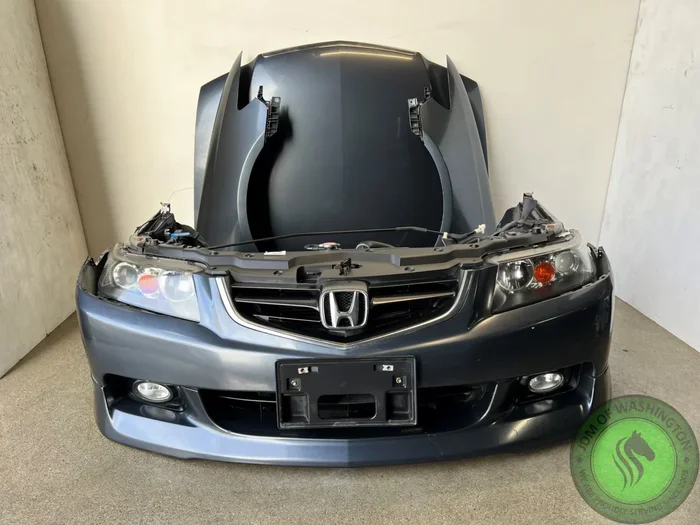
The secondary latch is located under the front grille at the center of the bumper. Once the interior lever releases the primary latch, the hood pops up slightly. You then reach under the grille to find the secondary latch. This latch is what keeps the hood from opening while you drive.
Releasing the secondary latch is easy. You just slide it to the left or push it upward, depending on your model. Once both latches are free, you can lift the hood all the way up. The hood prop rod holds it in place while you work. This two-stage system adds safety and prevents the hood from accidentally opening on the road.
It is worth noting that opening the hood is similar to opening the boot from the outside in the sense that both involve a two-step release process. Each car compartment has its own safety latch to keep it secure during driving. Understanding this pattern helps you feel more comfortable with car mechanics in general.
Step-by-Step Guide to Opening the Hood
Now that you understand how the system works, let us go through the steps one by one. Follow along carefully, and you will have the hood open in under two minutes.
Step 1: Park Your Acura on a Level Surface
Start by pulling your 2004 Acura onto a flat surface. Turn off the engine and engage the parking brake. Wait a few minutes for the engine to cool down. This is especially important if you have been driving for a while. A hot engine can cause burns, and hot parts under the hood can damage your skin.
Make sure the car is completely stopped before you begin. Do not attempt to open the hood while the car is still rolling. Safety always comes first. Once the car is parked and the engine is off, you are ready for the next step.
Step 2: Locate and Pull the Hood Release Lever
Open the driver’s door and sit in the seat. Look down under the dashboard on the left side, near the steering column. You should see a small lever or handle. It may have a hood icon on it. Pull this lever toward you. You will hear a clicking or popping sound.
That sound means the primary latch has been released. The hood should now pop up slightly, creating a small gap between the hood and the grille. If you do not hear anything, do not panic. Sometimes the cable needs a firm pull. Try pulling the lever a little harder.
If the lever feels loose or does not seem to do anything, the release cable might be disconnected or broken. This is a common issue with older cars. We will cover troubleshooting in a later section. For now, move on to the next step if you see the hood pop up slightly.
Step 3: Release the Secondary Hood Latch
Now go to the front of your car. Look at the center of the front grille, right where the hood meets the bumper. You will feel a small latch or button under the grille edge. Reach in with your fingers and find it.
The secondary latch on the 2004 Acura is usually a sliding latch. Push it to the left or pull it upward. You may need to use a bit of finger strength. Once you release it, the hood will be completely free.
Lift the hood gently with both hands. It should open smoothly without much resistance. If it feels stuck, do not force it. Check to make sure both latches are fully released. Forcing a stuck hood can damage the hinges or the latch mechanism. Patience is your best friend here.
Step 4: Secure the Hood with the Prop Rod
Once the hood is open, you need to secure it. Look inside the engine bay for the prop rod. It is a metal rod attached to the underside of the hood. Pull it out and insert it into the designated hole on the underside of the hood.
Make sure the prop rod is firmly in place. A hood that falls unexpectedly can cause serious injury or damage. Never rely on the hood to stay open on its own. The hood safety latch is there for a reason. Always use the prop rod every single time.
Now you have full access to the engine bay. You can check the oil level, inspect the battery terminals, add washer fluid, or look at any other component you need to see. Take your time and be gentle with any parts you touch.
Common Problems When Opening the 2004 Acura Hood
Even with a simple system, things can go wrong. Older cars like the 2004 Acura are especially prone to certain hood issues. Here are the most common problems and what you can do about them.
Stuck Hood Release Lever
If the interior release lever feels stuck or will not move, the cable may be frozen or corroded. This happens over time, especially in cold climates or cars that sit outside. The cable can rust or gather debris that prevents it from moving freely.
Try spraying a small amount of lubricant around the cable entry point. Let it sit for a few minutes, then try pulling the lever again. If the lever still does not move, the cable may need to be replaced. This is a relatively affordable repair that a mechanic can handle quickly.
Broken Hood Latch Cable
The hood release cable connects the interior lever to the hood latch. Over time, this cable can stretch, fray, or snap completely. If pulling the interior lever does nothing at all, the cable is likely broken.
You can still open the hood manually by reaching under the grille and releasing the secondary latch. However, this is not easy to do while driving. If you suspect a broken cable, get it replaced as soon as possible. A broken cable means you cannot open the hood from inside the car, which is a safety concern.
Sometimes a stuck key in the ignition can be related to hood mechanism issues. If you are having trouble with your key, you might also need to know how to pop a key free from the ignition. These car systems are connected, and understanding one helps with the other.
Frozen or Rusted Hood Latch
In cold weather, the hood latch can freeze shut. Ice builds up around the latch and prevents it from releasing. This is especially common in winter months or in regions that get a lot of snow and ice.
To fix a frozen latch, pour a small amount of warm water over the latch area. Do not use boiling water, as the sudden temperature change can crack plastic parts. Once the ice melts, try releasing the latch again. You can also apply a silicone-based lubricant to the latch to prevent future freezing.
Rust is another common problem with older vehicles. If the latch is rusted shut, you may need to apply penetrating oil and let it soak for several hours. In severe cases, a locksmith or mechanic may need to replace the latch entirely. Regular maintenance can help prevent rust from becoming a serious issue.
Maintaining Your 2004 Acura Hood Mechanism
Proper maintenance keeps your hood mechanism working smoothly for years. The 2004 Acura is a durable vehicle, but like any car, it benefits from regular care. Here are the best ways to maintain your hood system.
Lubricating the Hood Hinge and Latch
Every few months, apply a silicone-based lubricant to the hood hinge and latch. This prevents rust and keeps the hood opening and closing smoothly. Spray a small amount onto the latch mechanism and hinge points. Then open and close the hood a few times to work the lubricant in.
Do not use WD-40 as a long-term lubricant. It works well for loosening stuck parts, but it can attract dirt and dust over time. Silicone spray or white lithium grease are better choices for ongoing maintenance. This simple step goes a long way toward keeping your car in top shape.
Checking the Hood Release Cable
The hood release cable should be inspected during every oil change or routine service. Look for fraying, kinks, or signs of wear where the cable enters the firewall. If the cable feels loose when you pull the lever, it may need adjustment or replacement.
Keeping the cable in good condition is part of basic 2004 Acura maintenance. A well-maintained cable ensures you can always open the hood when you need to. If you notice any issues, have a mechanic check it right away. Catching a problem early saves time and money.
Inspecting the Hood Prop Rod
The hood prop rod takes a lot of stress every time you open the hood. Check it regularly for bends, cracks, or loose fit. A damaged prop rod can slip and allow the hood to fall, which is dangerous.
Clean the prop rod and its mounting point periodically. Remove any rust or debris. If the prop rod no longer fits snugly in its holder, replace it. This is a small part that plays a big role in keeping you safe while working on your car.
Just like taking a hubcap off is a simple maintenance task that every driver should know, maintaining your hood mechanism is an essential part of car ownership. These small tasks add up to a reliable, well-running vehicle.
Safety Tips for Working With Your Hood Open
Working with the hood open exposes you to the engine bay and all its components. While it is generally safe, there are important precautions to follow. These tips keep you protected while you work.
Always Turn Off the Engine First
This cannot be stressed enough. Never open the hood while the engine is running. The fan, belts, and hot surfaces can all cause injury. Turn off the engine and wait for it to cool before opening the hood. If you need to check fluid levels, do so only after the engine has had time to cool down.
Also, if you find yourself in a situation where you need to get the key out of a car that won’t turn off, handle that issue first before attempting any hood work. A running engine creates additional risks that are easy to avoid with a simple shutdown.
Use the Prop Rod Properly
The prop rod is your best friend when the hood is open. Always insert it fully into the designated hole. Do not rest the hood on the prop rod loosely. Make sure it clicks or fits snugly into place. This prevents the hood from lowering unexpectedly while you are working underneath it.
Never place your hands or fingers near the hood hinge when opening or closing the hood. Fingers can get caught in the gap, leading to painful pinches or even broken bones. Keep your hands clear of all moving parts at all times.
Avoid Working Under a Supported Hood in Certain Conditions
Do not work under a supported hood on a windy day or on a slope. The wind or the angle of the ground can cause the prop rod to slip. If you must work in these conditions, use a hood support stand instead of the prop rod. A stand provides a more secure hold and greater stability.
Wear gloves when working in the engine bay. The metal edges of the hood and engine components can be sharp. Gloves protect your hands from cuts and scrapes. They also keep your hands clean when handling oily or dirty parts.
When to Seek Professional Help for Hood Issues
Most hood problems are simple to fix. But some issues require professional attention. Knowing when to call a mechanic saves you time and prevents further damage to your vehicle.
Signs Your Hood Mechanism Needs Repair
Watch for warning signs that your hood mechanism is failing. If the hood does not stay open on its own, the prop rod may be damaged. If the interior lever feels spongy or does not return to its original position, the cable may be stretched or broken. If the hood rattles while driving, the latch may be loose.
Any of these signs mean it is time to have a professional take a look. Ignoring hood problems can lead to bigger issues down the road. A hood that flies open while driving is extremely dangerous and can obstruct your view through the windshield.
Cost Considerations for Hood Repairs
Most hood repair jobs are affordable. Replacing a hood release cable typically costs between $50 and $150, including parts and labor. Lubricating a sticky latch is usually free if you do it yourself, or around $30 to $50 if you take it to a shop.
Replacing a hood latch or hinge can cost more, depending on the Acura model and the extent of the damage. Expect to pay anywhere from $100 to $300 for these repairs. Regular maintenance helps keep costs low by catching small problems before they become expensive ones.
Conclusion
Learning how to open the hood on a 2004 Acura is a valuable skill that every car owner should have. The two-stage release system is simple and logical. Once you know where the interior lever and secondary latch are, the process becomes second nature.
Regular maintenance keeps your hood mechanism working smoothly for years. Lubricate the hinges, check the cable, and always use the prop rod. These small habits make a big difference. They keep you safe and help you avoid costly repairs.
If you run into problems, do not hesitate to troubleshoot or call a professional. The steps in this guide cover most situations you will encounter. With a little patience and practice, you will be opening your hood with confidence every time.
Remember, the hood is your gateway to the engine bay. Treat it well, and it will serve you faithfully for the life of your 2004 Acura. Now go ahead and pop that hood open. You have got this.
Frequently Asked Questions
Can I open the hood of a 2004 Acura from the outside?
Yes, you can release the secondary hood latch from outside the car by reaching under the front grille. However, you must first pull the interior release lever to release the primary latch. The hood will not open fully without both steps being completed. This two-stage system is a safety feature designed to prevent the hood from accidentally opening while driving.
What should I do if the hood release lever feels loose?
A loose hood release lever usually means the cable has stretched or become disconnected. Check under the dashboard to see if the cable has slipped off the lever. If the cable is intact but loose, a mechanic can adjust the tension. If the cable is frayed or broken, it will need to be replaced. This is a common and affordable repair for the 2004 Acura.
Is it safe to open the hood while the engine is warm?
It is safe to open the hood when the engine is warm, but you should be careful. Avoid touching hot engine components like the exhaust manifold or radiator cap. Wait at least 10 to 15 minutes after turning off the engine before opening the hood. This allows the most dangerous heat to dissipate and reduces the risk of burns.
How do I know if my hood release cable is broken?
If pulling the interior lever produces no sound or movement, the cable is likely broken. You may also notice that the hood does not pop up at all when you pull the lever. Another sign is a loose or floppy lever feel. In this case, you can still open the hood manually by reaching under the grille and releasing the secondary latch. Have the cable replaced as soon as possible.
Can cold weather prevent me from opening the hood?
Yes, cold weather can freeze the hood latch mechanism, making it difficult or impossible to open. Pour warm (not boiling) water over the latch area to melt any ice. Once the ice melts, try releasing the hood again. Applying a silicone lubricant to the latch during winter months can help prevent freezing in the future.
What is the difference between the primary and secondary hood latch?
The primary hood latch is the mechanism that holds the hood closed while driving. It is released by pulling the interior lever. The secondary hood latch is a safety latch that prevents the hood from opening if the primary latch fails. On the 2004 Acura, the secondary latch is located under the front grille and must be released manually after the primary latch is pulled. Both latches work together to keep the hood secure at all times.