How Do You Know If Your TPMS Sensor Is Bad For Sure
Your TPMS sensor is the small but mighty device that keeps your tires at the right pressure. When it goes bad, you may see a flashing dashboard light, inconsistent tire readings, or even sudden pressure drops. This guide walks you through every sign, test, and fix so you can spot a failing sensor before it causes bigger tire trouble.
You are driving down the road, minding your own business, when suddenly a yellow light pops up on your dashboard shaped like a horseshoe with an exclamation point inside. That is your TPMS sensor trying to tell you something is wrong. But is it the tire pressure that is off, or is the sensor itself going bad?
This is a question a lot of drivers face, and it can be confusing. The tire pressure monitoring system is designed to keep you safe by alerting you when tire pressure drops too low or rises too high. But what happens when the system itself breaks down? How do you know if your TPMS sensor is bad for sure, and what should you do about it?
In this guide, we will walk you through every sign, every test, and every fix you need to know. Whether you are a hands-on DIYer or someone who just wants to understand what the car is telling you, this article has you covered. Let us get into it.
Key Takeaways
- Dashboard Warning Light: A flashing or solid TPMS light on your dash is the #1 sign your sensor may be failing.
- Inconsistent Pressure Readings: If one tire reads much lower or higher than the others, the sensor could be the culprit.
- Battery Life Matters: Most TPMS sensor batteries last 5-10 years and then die, causing false readings.
- You Can Test at Home: A handheld TPMS scanner or a good tire pressure gauge can help you diagnose sensor issues quickly.
- Replacement Is Affordable: TPMS sensor replacement costs typically range from $50 to $250 per sensor, depending on your vehicle.
- Don’t Ignore the Light: Driving with a bad TPMS sensor can lead to uneven tire wear, poor fuel economy, and safety risks.
- Preventive Maintenance Helps: Regular tire checks and sensor battery replacements can extend TPMS life and prevent surprises.
📑 Table of Contents
- What Is a TPMS Sensor and Why Does It Matter?
- Common Signs Your TPMS Sensor Is Bad
- Direct vs Indirect TPMS: How They Work Differently
- How to Test Your TPMS Sensor at Home
- When to Replace Your TPMS Sensor
- TPMS Sensor Replacement: What to Expect
- Preventing TPMS Sensor Problems
- Key Takeaways
- Conclusion
What Is a TPMS Sensor and Why Does It Matter?
Before we dive into the signs of a bad sensor, let us quickly cover what a TPMS sensor actually does. The tire pressure monitoring system is a small electronic device attached to each tire, usually inside the wheel or on the valve stem. Its job is simple but important. It measures the air pressure inside each tire and sends that data to your car’s computer.
If the pressure drops below a safe level, the system triggers a warning light on your dashboard. This helps you avoid driving on underinflated tires, which can lead to blowouts, poor fuel economy, and uneven tire wear.
There are two main types of TPMS systems. The first is called direct TPMS. It uses a physical sensor inside each wheel to measure pressure. The second is indirect TPMS. It uses the car’s anti-lock braking system (ABS) sensors to detect differences in wheel rotation speed, which can indicate low pressure. Most modern vehicles use direct TPMS because it is more accurate.
Either way, the TPMS sensor plays a big role in your daily driving safety. When it starts to fail, you need to know about it fast.
Common Signs Your TPMS Sensor Is Bad
So, how do you know if your TPMS sensor is bad? There are several clear signs to watch for. Let us go through them one by one.
The Dashboard Warning Light Stays On
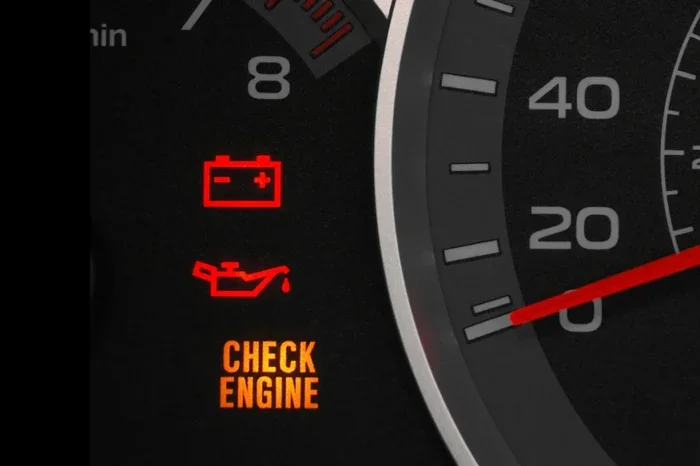
The most obvious sign is the TPMS light on your dashboard. This light looks like a horseshoe shape with an exclamation point in the middle. If it stays lit after you start the car, something is wrong with your tire pressure or the sensor itself.
Here is the tricky part. A steady light usually means one or more tires are underinflated. A flashing light often points to a TPMS sensor malfunction. If the light flashes for about 60 to 90 seconds and then stays solid, the sensor or the system has a problem that needs attention.
Do not just ignore it and hope it goes away. That flashing light is your car trying to talk to you. Listen to it.
Inconsistent Tire Pressure Readings
Another big clue is when your tire pressure readings do not make sense. For example, you check all four tires with a tire pressure gauge and they all look fine. But the TPMS warning still shows up on your dashboard.
Or maybe you notice one tire reading is way off from the others, even though the tire looks and feels normal. This kind of inconsistency often means the tire pressure sensor is sending bad data. The sensor might be damaged, corroded, or just worn out from age.
The Sensor Battery Is Dead
Here is something many drivers do not realize. The TPMS sensor has its own small battery inside. These batteries typically last between 5 and 10 years. Once the battery dies, the sensor cannot send readings anymore.
When the battery dies, you will usually see the TPMS light come on. Some newer vehicles will even display a message like “Sensor Battery Low” or “TPMS Service Required.” This is a clear sign that the sensor needs to be replaced, not just the battery.
You Cannot Get Accurate Readings
If you use a handheld TPMS scanner or your car’s infotainment system to check individual tire pressures and the readings are all over the place, that is a red flag. A healthy sensor gives consistent, stable readings. A bad one jumps around or shows no reading at all.
Try this test. Check your tire pressures when the tires are cold (meaning the car has been parked for at least three hours). Write down the readings. Drive for a few miles and check again. If the readings change wildly or one sensor shows nothing, that sensor is likely failing.
You Recently Had Tires Serviced
Sometimes a TPMS sensor goes bad after a tire service. If a technician accidentally damaged the sensor while changing a tire, replacing a valve stem, or balancing the wheels, the sensor may stop working properly. This is more common than you might think, especially with older vehicles where the sensors are harder to access.
If the TPMS light comes on right after a tire service, go back to the shop and let them know. Most reputable shops will check the sensors for free.
You Live in a Harsh Climate
Extreme cold, extreme heat, road salt, and moisture can all take a toll on your TPMS sensor. The valve stem can corrode, the sensor housing can crack, and the battery can drain faster in cold weather. If you live in an area with tough winters or salty coastal roads, your sensors may not last as long as they should.
Keep this in mind during routine tire checks. A little extra attention can save you from a surprise warning light on a cold morning.
Direct vs Indirect TPMS: How They Work Differently
Understanding the difference between direct TPMS and indirect TPMS helps you figure out what might be going wrong with your system.
Direct TPMS
Direct TPMS uses a small sensor mounted inside each wheel. This sensor measures the actual air pressure inside the tire and sends the data wirelessly to your car’s computer. Most vehicles built after 2008 in the United States come equipped with direct TPMS.
The advantage of direct TPMS is accuracy. You get a real pressure reading for each tire. The downside is that the sensor has a battery with a limited lifespan. When the battery dies, you need to replace the entire sensor.
Indirect TPMS
Indirect TPMS does not use a physical pressure sensor. Instead, it relies on the car’s ABS wheel speed sensors. When a tire is underinflated, it has a slightly smaller rolling radius, which makes it spin faster than the other tires. The system detects this difference and triggers the warning light.
Indirect TPMS does not have a battery that dies, but it has its own problems. It needs to be recalibrated after you rotate your tires or change them. It also cannot tell you which specific tire is low. And it may not work properly if all four tires are equally low.
If you are wondering whether your TPMS sensor is bad, knowing which type your car has is the first step to figuring it out.
How to Test Your TPMS Sensor at Home
You do not need to be a mechanic to check if your TPMS sensor is working properly. A few simple tools and some basic steps can help you diagnose the problem at home.
Step 1: Check the Dashboard Light
Start the car and watch the TPMS light. Does it come on and stay on? Does it flash and then stay solid? Or does it go off after a few seconds? Each behavior tells you something different about the health of your system.
Step 2: Use a Tire Pressure Gauge
Get a good-quality tire pressure gauge from any auto parts store. Check the pressure in each tire when they are cold. Compare the readings to the recommended pressure listed on the sticker inside your driver’s door frame.
If all the tires are at the right pressure but the light is still on, that strongly suggests a sensor malfunction rather than a real pressure problem.
Step 3: Use a Handheld TPMS Scanner
A TPMS scanner is a small tool that reads the signal from each TPMS sensor directly. You can find them at auto parts stores or online for $30 to $100. Some advanced models can even show you the battery life of each sensor.
Hold the scanner near each wheel and look for the readings. If one sensor shows no signal, a low battery, or erratic readings, that sensor is likely bad. This is one of the most reliable ways to confirm a TPMS sensor is bad without visiting a shop.
Step 4: Check for Physical Damage
Visually inspect each valve stem and sensor. Look for cracks, corrosion, or missing caps. A damaged valve stem can cause slow air leaks, which trigger the TPMS warning. A cracked sensor housing can let moisture in and short out the electronics.
Quick Tip: Always put the valve stem caps back on after checking your pressure. These small caps keep moisture and dirt out, which helps protect both the valve stem and the sensor.
When to Replace Your TPMS Sensor
So, you have confirmed that a TPMS sensor is bad. Now what? It is time to think about replacement.
Signs It Is Time for a New Sensor
You should replace a TPMS sensor when you notice any of these things:
- The TPMS light stays on even after you inflate all tires to the correct pressure.
- The sensor battery is dead or shows a low battery warning.
- The sensor gives inconsistent or no readings on a TPMS scanner.
- The valve stem is visibly damaged, corroded, or leaking air.
- The sensor housing is cracked or broken.
- The sensor is more than 10 years old and has never been replaced.
How Much Does TPMS Sensor Replacement Cost?
The cost to replace a TPMS sensor varies depending on your vehicle and where you go. On average, you can expect to pay between $50 and $250 per sensor for the part alone. If you go to a dealership or tire shop for installation, add about $20 to $50 per sensor for labor.
Some vehicles use premium sensors that cost more. Luxury cars and trucks with advanced TPMS systems can have sensors that run $100 or more each. Always get a quote before you commit to a replacement.
Can You Replace Just One Sensor?
Yes, you can replace just one bad TPMS sensor. However, many experts recommend replacing sensors in pairs, especially if they are the same age. If one sensor has a dead battery, the other sensors on the same axle are probably close to dying too.
Replacing them together saves you time and money in the long run. You will only need one tire rotation and one TPMS reset instead of two.
TPMS Sensor Replacement: What to Expect
If you have never had a TPMS sensor replaced, you might be wondering what the process looks like. Here is a quick overview.
First, the technician will locate the bad sensor. In most cases, the sensor is mounted inside the wheel or attached to the valve stem. They will use a TPMS scanner to confirm which sensor is not working.
Next, they will remove the tire from the wheel. This is necessary because most sensors are inside the tire or attached to the valve stem inside the wheel. The old sensor is carefully removed, and the new one is installed.
After installation, the new sensor needs to be programmed to your vehicle. This is done with the TPMS scanner or through a relearn procedure. The technician will then check all four sensors to make sure they are sending proper readings.
Finally, the TPMS light should turn off. If it does not, the technician may need to perform a TPMS reset or recalibrate the system. This usually takes just a few minutes.
Quick Tip: After any TPMS sensor replacement, drive your car at 30 mph or above for about 20 minutes. This allows the system to fully relearn the new sensor and clear any remaining codes.
Preventing TPMS Sensor Problems
The good news is that you can take steps to keep your TPMS sensor healthy and avoid unexpected failures.
Keep Your Tires Properly Inflated
Underinflated tires put extra stress on the TPMS sensor and the valve stem. Check your tire pressure at least once a month with a reliable tire pressure gauge. Keep the pressure at the level recommended by your vehicle manufacturer, which you can find on the door jamb sticker or in the owner’s manual.
Replace Sensor Batteries on Schedule
Since most TPMS sensor batteries last 5 to 10 years, it is a good idea to have the battery checked or replaced around the 5-year mark. Some tire shops offer this as a service. It is much cheaper than replacing the entire sensor because of a dead battery.
Keep Valve Stems Clean and Protected
Moisture and road salt are the enemies of your valve stem. Make sure the valve stem caps are always in place. If you notice any rust or corrosion on the stem, have it checked right away. A corroded stem can lead to air leaks and sensor damage.
Avoid Harsh Impacts
Potholes, curbs, and rough roads can damage the TPMS sensor or knock it loose. While you cannot avoid every bump, try to drive carefully and avoid hitting potholes at high speed. This simple habit can extend the life of your sensors.
Get Regular Tire Maintenance
Routine tire rotations, balances, and inspections give your mechanic a chance to check the TPMS sensors visually and with a scanner. Catching a problem early can prevent a small issue from turning into a big repair bill.
Key Takeaways
Knowing how to tell if your TPMS sensor is bad is an important part of car ownership. Here is a quick recap of what we covered:
- Dashboard Warning Light: A flashing or solid TPMS light is the #1 sign your sensor may be failing.
- Inconsistent Pressure Readings: If one tire reads much lower or higher than the others, the sensor could be the culprit.
- Battery Life Matters: Most TPMS sensor batteries last 5-10 years and then die, causing false readings.
- You Can Test at Home: A handheld TPMS scanner or a good tire pressure gauge can help you diagnose sensor issues quickly.
- Replacement Is Affordable: TPMS sensor replacement costs typically range from $50 to $250 per sensor, depending on your vehicle.
- Don’t Ignore the Light: Driving with a bad TPMS sensor can lead to uneven tire wear, poor fuel economy, and safety risks.
- Preventive Maintenance Helps: Regular tire checks and sensor battery replacements can extend TPMS life and prevent surprises.
Conclusion
Your TPMS sensor works hard every day to keep your tires at the right pressure and your family safe on the road. When it goes bad, it is important to catch it early and fix it before it causes bigger problems like tire damage, poor fuel economy, or even a blowout.
Now you know the signs of a TPMS sensor is bad situation. You know how to test it yourself at home. You know when to replace it and what to expect. And you know how to prevent problems in the future.
Do not wait for the warning light to become a real problem. Check your tire pressure regularly, keep an eye on your dashboard, and take action at the first sign of trouble. A little attention today can save you a lot of headaches tomorrow.
Your tires are the only part of your car that touches the road. Treat them well, and they will treat you well in return.
Frequently Asked Questions
Can I drive with a bad TPMS sensor?
You can technically drive with a bad TPMS sensor, but it is not recommended. Without a working sensor, you will not get accurate pressure alerts. This means you could drive on an underinflated tire without knowing it, which increases the risk of a blowout and reduces fuel efficiency. Get the sensor checked or replaced as soon as possible.
How long do TPMS sensor batteries last?
Most TPMS sensor batteries last between 5 and 10 years. The exact lifespan depends on driving habits, climate, and the type of sensor. Once the battery dies, the entire sensor needs to be replaced because the battery is not user-replaceable in most models.
Can a dead TPMS battery cause the TPMS light to flash?
Yes, a dead or dying battery inside the TPMS sensor is one of the most common reasons for a flashing TPMS light. When the battery weakens, the sensor cannot send a strong signal, which triggers the warning. If your light flashes and then stays solid, a low sensor battery is a likely cause.
How do I reset my TPMS after replacing a sensor?
After replacing a TPMS sensor, you need to perform a TPMS reset or relearn procedure. This is usually done with a TPMS scanner at a tire shop or dealership. Some vehicles also allow you to reset the system using a button under the steering column. Check your owner’s manual for the exact steps for your car.
Is it safe to replace a TPMS sensor myself?
If you have basic tire-changing skills and a TPMS scanner, you can replace a TPMS sensor yourself. However, the process requires removing the tire from the wheel, which needs a tire machine. Most people find it easier and safer to have a professional handle the replacement. The cost for labor is usually reasonable, around $20 to $50 per sensor.
What happens if I ignore the TPMS warning light?
Ignoring the TPMS warning light can lead to several problems. Underinflated tires wear out faster on the outer edges of the tread, reduce your fuel economy, and increase the risk of a blowout. A bad TPMS sensor that is left unfixed can also cause your car to fail an emissions or safety inspection in some states. Always address the light promptly.