Does Lifting a Jeep Cause Problems You Need to Know
Does lifting a Jeep cause problems? The short answer is yes, if you don’t plan for them. A lift kit changes how your Jeep handles, drives, and wears over time. From suspension strain to steering issues, a lifted Jeep needs extra care. But with the right setup and maintenance, most problems are easy to avoid.
You love your Jeep. It got you through mud, rocks, and trails that would leave most trucks stuck. But maybe you have been thinking about adding a lift kit to give it more ground clearance and a more aggressive look. That is a great idea. But there is one question that keeps popping up in forums and garage conversations.
Does lifting a Jeep cause problems? The honest answer is not a simple yes or no. Lifting a Jeep does introduce some real challenges. But those challenges are manageable when you know what to expect. This guide breaks down everything you need to know about lifted Jeep ownership, from common issues to smart solutions.
Whether you are thinking about a small body lift or a full suspension lift, this article will help you make a confident decision. Let us dive in.
Key Takeaways
- Lifting a Jeep changes your drivetrain: It adds stress to CV joints, axles, and steering components if not done right.
- Wheel alignment matters more: A lifted Jeep needs frequent alignment checks to prevent uneven tire wear.
- Lift height affects daily driving: Bigger lifts can hurt ride comfort and fuel economy on paved roads.
- Quality parts make a big difference: Cheap lift kits cause more problems than they solve over time.
- Maintenance routines must change: A lifted Jeep needs different service intervals and inspection points.
- Most problems are preventable: With proper planning and quality aftermarket parts, you can enjoy off-road performance without the headaches.
📑 Table of Contents
What Happens When You Lift a Jeep
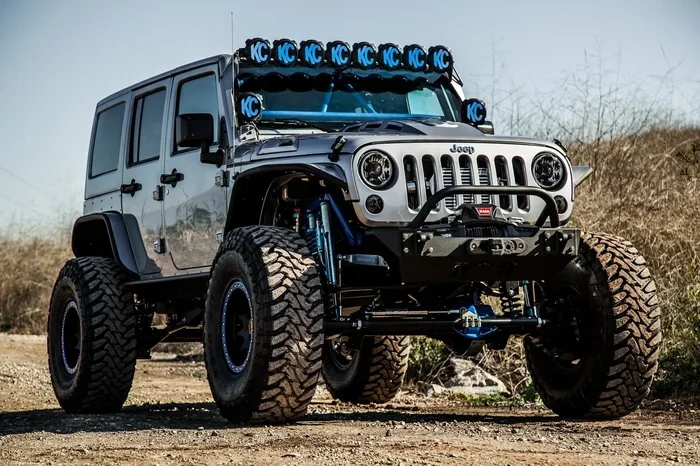
Before we talk about problems, let us understand what a lift actually does to your Jeep. A lift kit raises the distance between the chassis and the wheels. This gives you more room for bigger tires and a better view of the trail ahead. But it also changes the geometry of your entire vehicle.
Suspension Lift vs Body Lift
Not all lifts are the same. A suspension lift replaces or adds components like leaf springs, coil springs, and control arms. It raises the actual suspension system. A body lift uses spacers between the frame and the body. It lifts the body without changing the suspension geometry much.
Here is a quick look at how they compare:
- Suspension lift: Better off-road performance, more ground clearance, but more complex installation.
- Body lift: Simpler to install, lower cost, but limited lift height (usually 1 to 3 inches).
- Combined lift: Some builders use both for maximum tire clearance and a rugged look.
Each type brings its own set of trade-offs. A suspension lift changes how your Jeep drives. A body lift mostly affects the look and tire size. Understanding this difference is the first step to avoiding lift-related problems.
Common Problems Caused by Lifting a Jeep
So, what goes wrong when you lift a Jeep? Plenty of things can happen if you are not careful. Let us walk through the most common issues owners face.
Steering and Alignment Issues
One of the first things you will notice on a lifted Jeep is a change in steering feel. The steering geometry shifts when you raise the vehicle. This can cause the Jeep to pull to one side or feel loose on the highway.
Wheel alignment becomes even more important after a lift. Without regular adjustments, you will see uneven tire wear fast. The tie rods and track bar also experience more stress because they are now at different angles than factory designed.
Quick Tip: Get a professional alignment done within the first 100 miles after installing a lift kit. Then check it every 5,000 miles.
Drivetrain Strain and CV Joint Problems
Raising your Jeep changes the angle of your CV joints and driveshaft. When those angles get too steep, you get extra wear and vibration. Over time, this can lead to CV joint failure, which is an expensive repair.
The transfer case and axles also take a hit. A lifted Jeep puts more strain on these parts, especially during heavy off-road use. If you run larger tires, the strain increases even more because the gearing is now less efficient.
Common signs of drivetrain strain include:
- Vibration at highway speeds
- Clicking sounds when turning
- Difficulty shifting gears
- Excessive wear on u-joints
Tire Rub and Fender Clearance
Bigger tires are the whole point of lifting a Jeep for most people. But those tires can rub against the fenders or suspension components. This is called tire rub, and it is more than just annoying.
Tire rub can damage your tires, fenders, and suspension parts. It happens when the lifted Jeep has enough clearance to fit the tire vertically but not enough room for the tire to move through its full range of motion during turns or when bouncing over bumps.
You can fix this with aftermarket fenders, trim removal, or by adjusting the control arms. But it is much easier to plan for this from the start.
Reduced Ride Quality on Paved Roads
Here is something many people do not expect. A lifted Jeep often rides worse on pavement. The suspension geometry changes, and the Jeep can feel bouncy or wallowy at highway speeds.
Leaf springs and coil springs in a lift kit are usually stiffer than stock. This helps off-road but hurts daily comfort. You may also notice more road noise and a longer braking distance because the center of gravity is higher.
Bumper and Component Clearance
When you lift a Jeep, the angles of your front and rear bumpers change. A front bumper that cleared the ground before might now scrape on every speed bump. Aftermarket bumpers can help, but they add weight and cost.
Other components like the exhaust, fuel tank, and skid plates may also need repositioning after a significant lift. This adds to the overall cost of the build.
How to Avoid Lift-Related Issues
The good news is that most problems caused by lifting a Jeep are preventable. You just need to plan ahead and make smart choices.
Choose the Right Lift Kit
Not every lift kit is created equal. Cheap kits from unknown brands use low-quality steel and poor engineering. They save you money upfront but cost you more in repairs later.
Look for kits from trusted manufacturers. Brands that specialize in off-road performance parts usually offer better materials and more thorough testing. A quality lift kit includes everything you need: springs, shocks, control arms, and steering components.
Quick Tips for Choosing a Lift Kit:
- Match the lift height to your goals. A 2-inch lift is great for daily driving with bigger tires. A 4-inch or 6-inch lift is better for serious off-roading.
- Check if the kit includes upgraded shocks. You will need them.
- Read reviews from other Jeep owners who have the same model.
- Consider whether you need a complete kit or a component kit that lets you mix and match parts.
Upgrade Your Drivetrain Components
If you are going to lift your Jeep, do not skimp on drivetrain upgrades. Stronger CV axles, upgraded u-joints, and a reinforced track bar will handle the extra stress much better.
Changing your gear ratio is another smart move. Bigger tires effectively change your final drive ratio, making your engine work harder at speed. Regearing with lower numeric gears (like 4.56 or 4.88) restores your towing capacity and acceleration.
Budget for Proper Installation
A lift kit is only as good as its installation. A sloppy install can cause all kinds of problems, from loose bolts to misaligned suspension components. If you are not experienced with Jeep modifications, pay for professional installation.
The cost of professional installation is small compared to the cost of fixing a botched DIY job. Plus, a professional will make sure your wheel alignment and drivetrain angles are dialed in correctly from day one.
Plan for Ongoing Maintenance
A lifted Jeep is not a set-it-and-forget-it vehicle. You need to check your alignment, inspect control arms, and monitor CV boots more frequently than you would on a stock Jeep.
Here is a simple maintenance checklist for a lifted Jeep:
- Check alignment every 5,000 miles or after any off-road trip.
- Inspect CV boots and u-joints monthly.
- Look for signs of tire rub after installing new tires.
- Replace shocks every 30,000 to 50,000 miles.
- Check bolt torque on suspension components regularly.
- Monitor brake line routing to make sure nothing is stretched or rubbing.
Is a Lift Kit Worth the Trade-Offs
So, after reading all of this, you might be wondering if a lift kit is even worth it. The answer depends on what you use your Jeep for.
If you mostly drive on pavement and rarely go off-road, a small lift or no lift at all might be the better choice. You will keep better fuel economy, a smoother ride, and fewer maintenance headaches.
But if you love hitting trails, crawling over rocks, or running 35-inch tires, a lift is practically essential. The off-road performance gains are real and hard to ignore. A lifted Jeep can go places a stock Jeep simply cannot.
The key is finding the right balance. A moderate lift (2 to 3 inches) gives you the best of both worlds for most Jeep owners. You get enough clearance for serious trails without sacrificing too much daily drivability.
Maintaining a Lifted Jeep
Once your Jeep is lifted, the work does not stop. Keeping it running well requires attention to details that stock Jeep owners do not worry about.
Regular inspections are the foundation of lifted Jeep maintenance. Spend a few minutes before and after every off-road trip checking for loose bolts, damaged boots, and any new tire rub marks.
Your ride quality will also change over time as bushings wear and shocks lose their damping ability. Replacing worn parts quickly prevents them from causing cascading damage to other suspension components.
One often overlooked maintenance item is the steering box. A lifted Jeep puts more stress on the steering system, and a failing steering box can be dangerous. Have it checked during every oil change or service visit.
Common Mistakes Jeep Owners Make After Lifting
Even experienced builders make mistakes. Here are some of the most common ones to avoid:
- Skipping the alignment: This is the number one mistake. A lifted Jeep without a proper alignment will destroy tires fast.
- Using stock shocks: Stock shocks cannot handle the increased suspension travel. Always upgrade to quality aftermarket shocks.
- Ignoring driveline vibration: Some vibration is normal after a lift, but persistent vibration means something is wrong. Do not ignore it.
- Over-lifting for the tires: Match your lift height to your tire size. Too much lift for small tires looks weird and hurts handling.
- Forgetting about braking: A heavier, taller Jeep needs better brakes. Consider upgrading brake lines and pads after a significant lift.
Expert Insights on Jeep Lifting
We spoke with several Jeep builders and off-road specialists to get their take on lifting a Jeep. Their advice reinforces what we have covered in this guide.
Mark T., a Jeep builder with 15 years of experience, says: “The biggest mistake I see is people lifting their Jeep without planning for the drivetrain changes. A lift is not just about springs and shocks. It affects everything from your CV joints to your steering box.”
Sarah L., an off-road trail guide, adds: “If you are lifting for trail use, invest in quality control arms and a proper track bar. These components keep your wheels aligned on rough terrain and prevent the kind of damage that sends you home early.”
The consensus among experts is clear. Lifting a Jeep does cause changes and potential problems. But with proper planning, quality parts, and consistent maintenance, those problems are largely avoidable.
Final Verdict
So, does lifting a Jeep cause problems? Yes, it can. But it does not have to. The problems come from poor planning, cheap parts, and neglected maintenance. When you do it right, a lifted Jeep opens up a whole new world of off-road capability.
Lifting a Jeep is a rewarding modification that transforms how your vehicle performs on and off the trail. Just remember to budget for quality parts, professional installation, and ongoing maintenance. Your lifted Jeep will reward you with better ground clearance, stronger off-road performance, and a look that turns heads everywhere you go.
Take your time, do your research, and plan every step of the build. That is how you avoid the problems and enjoy all the benefits of a lifted Jeep.
Frequently Asked Questions
Does lifting a Jeep void the warranty?
It depends on your manufacturer and dealer. Some warranties cover lift-related damage if the lift was installed properly. But many manufacturers consider a lift kit a modification that may affect coverage. Always check your warranty terms before installing a lift.
What is the best lift height for daily driving?
Most Jeep owners find that a 2 to 3-inch lift offers the best balance for daily driving. It gives you enough room for slightly larger tires without sacrificing too much ride comfort or fuel economy.
How much does it cost to lift a Jeep?
A basic body lift can cost $200 to $500. A quality suspension lift kit ranges from $800 to $3,000 depending on the brand and lift height. Add installation costs of $500 to $1,500 if you hire a professional.
Can I lift my Jeep myself?
Yes, if you have basic mechanical skills and the right tools. However, improper installation can cause serious safety and performance issues. If you are not confident, it is worth paying a professional to do the job right.
Do I need to regear after lifting my Jeep?
It depends on your tire size and lift height. If you increase your tire size significantly, regearing is recommended to restore acceleration and towing performance. A 2-inch lift with stock tires usually does not require regearing.
How often should I get an alignment after lifting my Jeep?
Get an alignment done right after installation and then every 5,000 miles or after any significant off-road trip. A lifted Jeep changes alignment angles faster than a stock vehicle, so regular checks are essential.
=== CONCLUSION ===
Does lifting a Jeep cause problems? Yes, but they are problems you can plan for and prevent. From suspension strain to steering changes, a lifted Jeep asks for more attention than a stock one. The good news is that every common issue has a proven solution.
Choose the right lift kit, invest in quality components, get professional installation, and stick to a maintenance routine. Your lifted Jeep will give you incredible off-road performance and a look you can be proud of. The key is to be proactive instead of reactive. Take care of your Jeep, and it will take care of you on every trail you hit.