Does Your 2006 Ford F150 Have the Cabin Air Filter
Your 2006 Ford F150 may or may not have a cabin air filter depending on how the truck was originally built. Some models came standard with one, while others left the factory without this feature. Knowing whether your truck has a cabin air filter is the first step toward better interior air quality and a more comfortable ride.
Let us talk about something that often gets overlooked when people maintain their trucks. Your 2006 Ford F150 works hard for you every day. It hauls stuff. It pulls trailers. It handles rough roads without complaining. But what about the air you breathe inside that cab? That is where the question comes in. Does your 2006 Ford F150 have a cabin air filter? The answer is not as simple as yes or no. It depends on how your truck was built and what options it had when it rolled off the lot.
Many truck owners have no idea whether their vehicle even has one of these filters. You might be driving around right now with a clogged filter and not even know it. Or maybe your truck never had one at all. Either way, understanding this small component can make a big difference. It affects your air quality. It affects how your HVAC system works. It even affects how comfortable your daily drive feels.
In this article, we are going to break it all down. You will learn whether your specific 2006 Ford F150 has a cabin air filter. We will look at why it matters. We will walk through how to find it and replace it. And we will cover the signs that tell you it is time for a change. By the end, you will know exactly what is going on with the air inside your truck.
Let us get into it. This is one of those small maintenance details that can make a surprisingly big impact on your daily driving experience.
Key Takeaways
- Not all 2006 F150s have one: The presence of a cabin air filter depends on the trim level and factory options.
- It improves air quality: A cabin filter traps dust, pollen, and debris before they enter the cab.
- Replacement is simple: You can usually find the filter behind the glove box or under the hood.
- Watch for warning signs: Reduced airflow, bad smells, or allergy symptoms signal a clogged filter.
- It is different from the engine air filter: The cabin filter cleans air you breathe inside the truck, not the air going to the engine.
- Regular maintenance helps: Changing the filter every 12,000 to 15,000 miles keeps your truck running well.
- Aftermarket options exist: If your truck did not come with one, you can often install an aftermarket cabin filter system.
📑 Table of Contents
- The Short Answer: Does the 2006 Ford F150 Have a Cabin Air Filter?
- Why Cabin Air Filters Matter for Your Truck
- How to Find and Replace the Cabin Air Filter in a 2006 F150
- Signs Your 2006 Ford F150 Cabin Air Filter Needs Changing
- Cabin Air Filter vs. Engine Air Filter — What Is the Difference?
- Tips for Keeping Your F150 Interior Air Clean
- Can You Install a Cabin Air Filter If Your Truck Did Not Come With One?
- Common Mistakes People Make With Cabin Air Filters
- How Often Should You Replace the Cabin Air Filter in a 2006 F150?
- The Bottom Line on the 2006 Ford F150 Cabin Air Filter
The Short Answer: Does the 2006 Ford F150 Have a Cabin Air Filter?
Here is the honest truth. Not every 2006 Ford F150 came equipped with a cabin air filter. Some did. Some did not. It all comes down to the trim level and the factory options that were selected when the truck was ordered.
Ford started offering cabin air filters on some of its trucks in the early 2000s. By 2006, it had become more common, but it was still not standard on every single F150 model. If your truck was built with the premium interior package or certain comfort features, there is a good chance it has one. If it was a basic work truck, it might not.
The best way to find out for sure is to check your truck yourself. We will walk you through exactly how to do that in the next section. You do not need to be a mechanic. You just need a few minutes and a willingness to look in some common spots.
Why Some Models Have It and Others Do Not
Ford built the 2006 F150 lineup with different buyers in mind. Some people wanted a tough work truck. Others wanted a comfortable daily driver. The presence of a cabin air filter often depended on which version you bought.
Trucks with the XLT or Lariat trims were more likely to include a cabin air filter as part of the package. Base models like the STX or XL sometimes skipped it to keep costs down. If your truck has automatic climate control, that is another clue. Trucks with automatic climate systems almost always included a cabin air filter to help the system work properly.
Another thing to consider is whether your truck has the air conditioning system that pulls air from outside. All modern trucks do, but the filter is what catches the dust and pollen before that air reaches you. Without the filter, all those particles flow straight into your cab.
Why Cabin Air Filters Matter for Your Truck
You might be thinking, “It is just a small filter. Does it really make a difference?” The answer is absolutely yes. A cabin air filter plays a bigger role in your daily comfort than most people realize.
Every time you drive, your truck pulls in air from the outside. That air carries dust, pollen, exhaust particles, and all kinds of stuff you do not want to breathe. The cabin air filter catches most of that before it enters the cab. It is like a little shield between you and the outside air.
For people with allergies, this filter is a game changer. It helps trap pollen and other irritants that would otherwise make your drive miserable. Even if you do not have allergies, clean air inside your truck just feels better. It makes the cabin smell fresher. It reduces dust buildup on your dashboard and vents.
How the Cabin Air Filter Protects Your HVAC System
Here is something else to think about. Your 2006 Ford F150 HVAC system works hard to keep you comfortable. It pushes air through vents, mixes hot and cold air, and defrosts your windshield. When the cabin air filter gets clogged, the whole system has to work harder.
A dirty filter restricts airflow through the vents. That means less air comes out when you need it most. Your AC might not cool as well. Your heater might not warm up fast enough. Over time, this extra strain can lead to bigger problems with your HVAC system. Replacing the filter regularly helps everything run smoothly.
Think of it like changing the oil in your engine. It is a small job that prevents big headaches down the road. The same idea applies here. A clean cabin air filter keeps your air flowing freely and your system running efficiently.
How to Find and Replace the Cabin Air Filter in a 2006 F150
If your truck has a cabin air filter, you might be wondering where it is and how to change it. Good news. It is usually a pretty simple job. You do not need special tools or a trip to the mechanic.
The most common location for the cabin air filter in a 2006 Ford F150 is behind the glove box. In some models, you can access it from under the hood near the base of the windshield. Let us look at both options.
Finding the Filter Behind the Glove Box
This is the most common spot for the cabin air filter in the 2006 F150. Here is what you need to do.
- Open the glove box and take everything out of it.
- Look inside the glove box cavity. You should see two plastic pins on the sides.
- Press those pins inward and let the glove box drop down gently.
- Look up and behind the glove box area. You should see the cabin air filter housing.
- Open the housing cover. The old filter will be sitting right there.
- Pull out the old filter and slide the new one in, making sure it faces the correct direction.
- Close the housing, push the glove box back up, and you are done.
It really is that simple. Most people can do this in less than five minutes. The hardest part is remembering to buy a replacement filter before you start.
Accessing the Filter from Under the Hood
In some 2006 Ford F150 models, the cabin air filter is located under the hood, near the base of the windshield on the passenger side. To find it, open the hood and look along the firewall on the passenger side. You are looking for a rectangular plastic housing.
Open the housing, remove the old filter, and insert the new one. The process is similar to the glove box method, just in a different spot. Check your owner’s manual to confirm which location applies to your specific truck.
Quick Tips for Replacing Your Cabin Air Filter
- Buy the right size filter. Not all cabin air filters are the same. Check your owner’s manual or look up the part number for your specific 2006 Ford F150.
- Check the airflow direction. Most filters have an arrow showing which way the air should flow. Make sure the arrow points toward the cab.
- Replace it regularly. A good rule of thumb is every 12,000 to 15,000 miles or once a year.
- Do not wait until you have problems. By the time you notice reduced airflow, the filter is already quite dirty.
- Keep spare filters in your truck. Having one on hand means you can change it whenever you need to without a trip to the store.
Signs Your 2006 Ford F150 Cabin Air Filter Needs Changing
How do you know if your cabin air filter is dirty and needs replacing? Your truck will give you some pretty clear signals. You just need to know what to look for.
Reduced Airflow From the Vents
This is the most common sign. You turn on the fan and notice that the air is not coming out as strong as it used to be. A clogged cabin air filter restricts the airflow through your HVAC system. If you have been turning the fan up higher than usual just to feel any air, that is a red flag.
Unusual Odors Coming From the Vents
Have you noticed a musty or dusty smell when you turn on the air? That is another clue. A dirty cabin air filter can trap moisture and grow mold or mildew. That is what causes the bad smell. Nobody wants to breathe moldy air inside their truck.
Increased Allergy Symptoms While Driving
If you or your passengers start sneezing more, having itchy eyes, or feeling congested while inside the truck, the cabin air filter might be the culprit. A worn-out filter does a poor job of blocking pollen, dust, and other irritants from entering the cab.
Visible Dirt on the Filter Itself
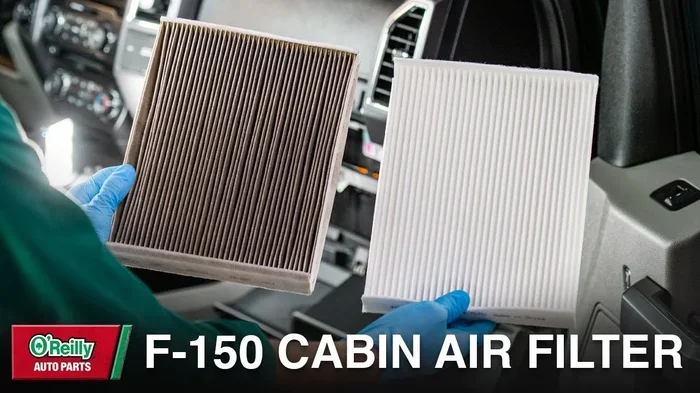
If you have access to the filter, take it out and look at it. A clean cabin air filter is usually white or light gray. If it looks dark brown, black, or covered in visible debris, it is time for a replacement. This is the most direct way to check.
Cabin Air Filter vs. Engine Air Filter — What Is the Difference?
These two filters often get confused, but they do very different jobs. Understanding the difference helps you maintain your 2006 Ford F150 properly.
The cabin air filter cleans the air that enters the cab. It catches dust, pollen, and particles so you breathe cleaner air inside the truck. The engine air filter cleans the air that goes into the engine. It prevents dirt and debris from damaging internal engine parts.
Both filters are important. Both need regular replacement. But they are not the same thing, and you should not confuse them. When people ask about their 2006 Ford F150 maintenance, they are sometimes thinking about one and not the other.
Here is a simple way to remember it. The cabin air filter is for you. The engine air filter is for the engine. One affects your comfort. The other affects your truck’s performance and longevity.
Where to Find Each Filter
The cabin air filter is usually behind the glove box or under the hood near the windshield. The engine air filter is typically in a black plastic box near the top of the engine. Both are easy to access and replace on the 2006 Ford F150.
Tips for Keeping Your F150 Interior Air Clean
Replacing the cabin air filter is just one part of keeping your truck’s interior air clean. There are other things you can do too.
- Vacuum your truck regularly. Dust and crumbs build up in the carpet and seats. They get kicked up into the air every time you drive.
- Use floor mats. They trap dirt and moisture before it gets into the carpet. This is especially helpful if you use your F150 for work or outdoor activities.
- Avoid smoking inside the truck. Smoke particles stick to everything and make the air quality much worse.
- Clean the air vents. Use a soft brush or compressed air to remove dust from the vent slats. This helps the airflow stay strong.
- Replace the cabin filter on schedule. Do not wait for problems to appear. Staying ahead of maintenance keeps everything running at its best.
These small habits add up over time. They keep your 2006 Ford F150 feeling fresh and comfortable. They also help your truck hold its value if you ever decide to sell it.
Can You Install a Cabin Air Filter If Your Truck Did Not Come With One?
Here is some good news. Even if your 2006 Ford F150 did not come with a cabin air filter from the factory, you can often add one yourself. Aftermarket kits are available and they are designed to fit specific truck models.
The installation process is similar to what we described earlier. You find the right spot, secure the filter housing, and slide in the filter. It is a straightforward upgrade that can make a noticeable difference in your daily driving comfort.
Just make sure you buy a kit that is compatible with the 2006 Ford F150. Check the fitment guide before you order. And if you are not comfortable doing it yourself, any mechanic can handle the installation quickly and affordably.
This is a great option for truck owners who spend a lot of time on the road. Whether you drive for work or for fun, cleaner air inside the cab makes every trip more enjoyable.
Common Mistakes People Make With Cabin Air Filters
Even though replacing a cabin air filter is simple, people still make mistakes. Here are a few to avoid.
Forgetting to replace it. This is the most common mistake. People install the filter and then never think about it again. Over time, it gets clogged and stops working. Set a reminder on your phone or calendar to check it every 12,000 miles.
Putting the filter in backwards. Every cabin air filter has an airflow direction marked on it. If you install it the wrong way, it does not work properly. Airflow gets restricted and the filter does not catch particles as well.
Using the wrong size filter. Not every filter fits every truck. A filter that is too small will not seal properly. A filter that is too big might not fit in the housing at all. Always double check the part number for your 2006 Ford F150.
Ignoring the signs of a dirty filter. If you notice reduced airflow or bad smells, do not ignore them. These are your truck’s way of telling you something needs attention. Addressing it early keeps your HVAC system healthy and your air clean.
How Often Should You Replace the Cabin Air Filter in a 2006 F150?
The general recommendation is to replace the cabin air filter every 12,000 to 15,000 miles. However, this can vary based on your driving conditions.
If you drive in dusty areas or on gravel roads, you might need to replace it more often. If you live in a place with a lot of pollen, spring and summer might require more frequent changes. If you mostly drive on clean highways, you might be able to stretch the interval a bit.
The best approach is to check the filter regularly. Pull it out, look at it, and decide if it needs replacing. It is a quick and easy habit that pays off in better air quality and a healthier HVAC system.
Keep in mind that a 2006 Ford F150 is now nearly two decades old. If you have not changed the cabin air filter since you bought the truck, it is definitely time for a check. Even if the truck has been sitting for a while, the old filter should be replaced before you start using the truck regularly again.
The Bottom Line on the 2006 Ford F150 Cabin Air Filter
So, does your 2006 Ford F150 have a cabin air filter? The answer depends on your specific truck. Check behind the glove box or under the hood to find out for sure. If your truck has one, keep it maintained. If it does not, consider adding an aftermarket filter for better air quality.
This small component plays a big role in your daily comfort. It keeps the air clean. It protects your HVAC system. It helps you breathe easier. Taking care of your cabin air filter is one of the simplest and most affordable maintenance tasks you can do for your F150.
Do not wait until you notice problems. Make it a regular part of your truck maintenance routine. Your lungs will thank you, and your truck will run better for it. A clean cabin air filter is a small investment that pays big returns in comfort and air quality inside your 2006 Ford F150.
Now that you know the answer, take a few minutes to check your truck. Open that glove box. Look behind it. See if there is a cabin air filter waiting to be checked or replaced. It is one of those quick wins that makes a real difference in how your truck feels every time you get behind the wheel.
Frequently Asked Questions
Does every 2006 Ford F150 come with a cabin air filter?
No, not every 2006 Ford F150 has a cabin air filter. It depends on the trim level and factory options. Higher trims like XLT and Lariat were more likely to include one, while base models sometimes did not.
Where is the cabin air filter located in a 2006 Ford F150?
The cabin air filter is most commonly found behind the glove box. In some models, it is located under the hood near the base of the windshield on the passenger side. Check your owner’s manual for the exact location.
How much does a cabin air filter for a 2006 Ford F150 cost?
A replacement cabin air filter typically costs between $15 and $40. You can buy them at auto parts stores or online. The installation is simple enough that you can do it yourself and save on labor costs.
Can I drive my 2006 Ford F150 without a cabin air filter?
Yes, you can drive without a cabin air filter. However, you will not have the benefit of filtered air inside the cab. Dust, pollen, and other particles will enter the cabin more freely, which can affect air quality and comfort.
What happens if I never change the cabin air filter in my F150?
A neglected cabin air filter becomes clogged over time. This reduces airflow from the vents, makes the HVAC system work harder, and can cause unpleasant odors. In severe cases, it can even lead to mold growth inside the system.
Is a cabin air filter the same as an engine air filter?
No, they are completely different. The cabin air filter cleans the air that enters the cab so you breathe cleaner air. The engine air filter cleans the air that goes into the engine to protect internal components. Both need regular replacement, but they serve different purposes.