Car Window Sun Reflector Keep Your Vehicle Cool All Day
A car window sun reflector is one of the simplest and most effective tools you can use to keep your vehicle cool during hot summer months. These reflective shades block harmful UV rays, reduce interior temperatures by up to 40 degrees, and protect your dashboard, seats, and steering wheel from sun damage. Whether you park at work, the airport, or a shopping mall, a quality sun reflector makes a huge difference. In this guide, we will walk you through everything you need to know about choosing, using, and maintaining your car window sun reflector for maximum cooling power.
You walk out to your car on a sunny afternoon. The steering wheel is too hot to touch. The dashboard is cracked and fading. The air inside feels like a sauna. This happens to millions of car owners every summer. The good news is that a simple solution exists.
A car window sun reflector can transform your parking experience. It keeps your car cooler, protects your interior, and saves you money. Let us dive into everything you need to know about these handy devices.
Key Takeaways
- Block Up to 40 Degrees of Heat: A good car window sun reflector can dramatically lower your interior temperature.
- Protect Your Interior: UV rays crack dashboards and fade seats over time.
- Multiple Types Available:From foldable to custom-fit, there is a shade for every vehicle.
- Easy to Use and Store: Most reflectors are lightweight and fold into a compact size.
- Save Money on Cooling: Less heat means less AC work and better fuel economy.
- Works on All Windows: Front windshield, rear window, and side windows all benefit.
- Durability Matters: Choose reflective materials that last through years of sun exposure.
📑 Table of Contents
- What Is a Car Window Sun Reflector?
- Benefits of Using a Car Window Sun Reflector
- Types of Car Window Sun Reflectors
- How to Choose the Best Car Window Sun Reflector
- How to Use Your Car Window Sun Reflector Properly
- Common Mistakes People Make with Car Sun Reflectors
- Expert Insights on Car Window Sun Reflectors
- How to Maintain Your Car Window Sun Reflector
- Do Car Window Sun Reflectors Really Work?
- Final Thoughts
What Is a Car Window Sun Reflector?
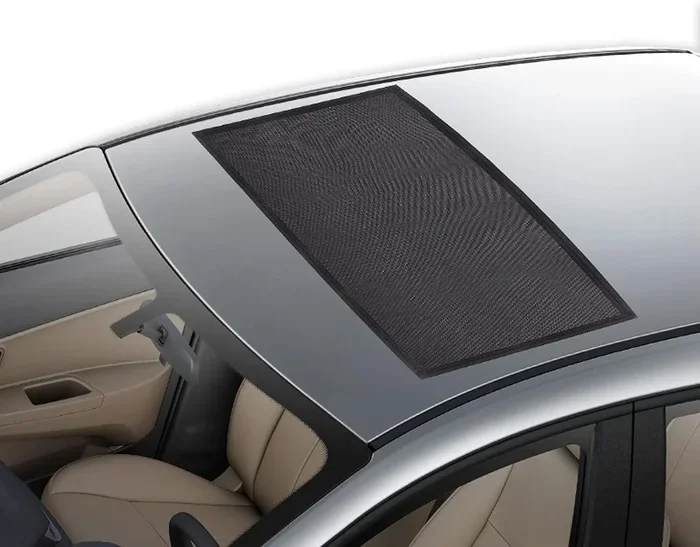
A car window sun reflector is a reflective panel designed to fit inside your car window. It blocks sunlight from entering through the glass. Most reflectors use a dual-layer design. One side reflects heat away, and the other side absorbs it. This simple science makes a big difference in your car’s temperature.
You place the reflector against the inside of your windshield or rear window. It stays in place through friction or suction. When you return to your car, the interior is noticeably cooler. The sunshade for car market has grown a lot in recent years. More drivers are discovering how effective these simple tools really are.
How Does a Sun Reflector Work?
The science behind a window heat reflector is straightforward. Sunlight passes through car glass and heats up everything inside. Your dashboard, seats, and steering wheel absorb that energy. They then radiate heat back into the car. A reflector creates a barrier. It bounces the sunlight away before it can turn into heat energy.
Most quality reflectors use a metallic or mirrored surface. This surface has a high solar reflectance rating. It means it reflects a large percentage of the sun’s energy. Some advanced models also include a foam or bubble layer. This adds insulation to block heat even further.
Benefits of Using a Car Window Sun Reflector
Using a car sun blocker offers many advantages beyond just comfort. Let us look at the key benefits that make these shades a must-have accessory.
1. Keeps Your Car Cooler
This is the most obvious benefit. Studies show that a car with a windshield sun protector can be 30 to 40 degrees cooler inside than one without. That is a massive difference. You walk into a comfortable car instead of a hot box. Your air conditioning starts working faster too. This means you cool down quicker on those hot days.
2. Protects Your Interior from UV Damage
Ultraviolet rays cause serious damage to your car’s interior over time. Your dashboard can crack and warp. Your seats can fade and dry out. The steering wheel can become brittle and uncomfortable to touch. A reflective sun shade blocks up to 99 percent of UV radiation. This extends the life of your interior components significantly.
Think about how much it costs to replace a cracked dashboard or faded leather seats. A sun reflector costs a fraction of that. It is one of the best car interior protection investments you can make.
3. Saves Fuel and Money
When your car is already cool, your air conditioning does not work as hard. Less AC use means less fuel consumption. Over time, this adds up to real savings. A car cooling system that starts from a lower baseline uses less energy overall.
Some experts estimate that using a sun reflector can improve fuel efficiency by 1 to 2 percent. That might not sound like much. But over a year of daily driving, those savings matter. Plus, you reduce wear on your AC compressor. That means fewer repair bills down the road.
4. Improves Comfort and Safety
A hot steering wheel is more than just uncomfortable. It can be dangerous. You grab the wheel and pull your hand back reflexively. A car window sun reflector keeps the steering wheel at a safe temperature. The same goes for your seats. You can buckle your seatbelt without sticking to hot leather or plastic.
Beyond physical comfort, a cooler car means you are more alert and focused. Nobody drives their best when they are uncomfortable and overheated.
Types of Car Window Sun Reflectors
Not all sun reflectors are the same. Different styles work better for different needs and vehicles. Let us explore the most popular types available on the market.
1. Foldable Windshield Reflectors
This is the most common type of auto sun shade. It folds up into a compact rectangle. You slide it behind your rearview mirror when not in use. These are lightweight and easy to store. Most foldable reflectors work on standard and slightly oversized windshields.
The best foldable reflectors have a dual-sided design. One side is silver for maximum heat reflection. The other side is black or another color for aesthetic appeal. These shades typically cost between $10 and $30.
2. Custom-Fit Reflectors
A custom-fit car sun shade is designed specifically for your vehicle make and model. It cuts precisely to your windshield shape. This means better coverage and a snug fit. You do not have to worry about the shade moving around while you drive.
Custom-fit reflectors work especially well for SUVs, trucks, and vehicles with unusual windshield shapes. They cost a bit more than generic options, usually between $20 and $50. But the perfect fit and superior protection make them worth it for many drivers.
3. Rear Window Reflectors
While windshield reflectors are the most popular, rear window sun shades for cars are also important. The rear window heats up just as much as the front. Rear reflectors are often designed as a retractable roll-up shade. You unroll them when parked and roll them back up when you are ready to go.
Some rear reflectors attach with suction cups. Others use static cling or elastic bands. The best ones block UV rays and reduce heat buildup in the back seat and cargo area.
4. Side Window Reflectors
Side window protection is often overlooked. But the side windows let in a lot of direct sunlight. Window heat reflectors for side windows are smaller panels that fit inside the window channel. They are especially useful for protecting passengers on the back seat from direct sun exposure.
Side window shades are great for families with young children. They keep the sun out of little ones’ eyes and prevent sunburn on long drives.
How to Choose the Best Car Window Sun Reflector
With so many options available, choosing the right car window sun reflector can feel overwhelming. Here are the key factors to consider before you buy.
Size and Fit
Measure your windshield before shopping. Most reflectors list compatible vehicle sizes. A shade that is too small will leave gaps. Gaps let sunlight in and reduce effectiveness. A shade that is too large will be hard to store. Find one that matches your windshield dimensions closely.
Material Quality
The material determines how well a reflector works. Look for reflectors with a double-reflective surface. This means both sides reflect heat. The core material matters too. Foam-core reflectors provide better insulation than thin plastic ones. Premium models use metallized polyester or aluminum-coated fabric.
Check the solar reflectance rating if the manufacturer provides it. Higher numbers mean better heat blocking. A rating above 80 percent is excellent for a heat shield car application.
Ease of Use
You want a reflector that is easy to deploy and store. Look for features like a built-in handle or a compact folding design. Some reflectors come with a storage bag that clips to your headrest. This makes it easy to grab and go.
If you frequently park in a hurry, a simple foldable model works best. If you want maximum protection and do not mind a few extra minutes, a custom-fit or multi-panel system is ideal.
Durability
Your sun reflector faces harsh conditions every day. It endures extreme heat, direct sunlight, and constant folding. Choose a reflector made with UV-resistant materials. The reflective coating should not peel or flake over time. A good vehicle sun protection product should last at least two to three seasons of regular use.
Price vs. Value
You do not need to spend a fortune on a sun reflector. But the cheapest options often use thin materials that tear quickly. Mid-range reflectors between $15 and $30 offer the best balance of quality and affordability. Custom-fit models cost more but deliver superior performance and longevity.
| Type | Price Range | Best For | Durability |
|---|---|---|---|
| Foldable Windshield | $10 – $30 | Daily commuters, budget-conscious drivers | 2-3 years |
| Custom-Fit | $20 – $50 | SUVs, trucks, exact-fit needs | 3-5 years |
| Rear Window Roll-Up | $15 – $35 | Back seat protection, families | 2-4 years |
| Side Window Panels | $8 – $20 | Child passengers, extra sun blocking | 1-3 years |
| Premium Dual-Layer | $25 – $60 | Maximum heat rejection, luxury vehicles | 4+ years |
How to Use Your Car Window Sun Reflector Properly
A car window sun reflector only works if you use it correctly. Here is a simple step-by-step guide to get the best results every time.
- Place the reflector on the inside of your windshield. The reflective side should face outward toward the glass.
- Push it up against the glass firmly. Make sure there are no gaps or air pockets. The closer the fit, the better the performance.
- Use the built-in sun visors for support. Most cars have retractable visors on the driver and passenger sides. Tuck the reflector behind these visors.
- For rear windows, unroll the shade fully. Make sure it covers the entire window surface from top to bottom.
- Remove the reflector before driving. Never drive with a reflector on your windshield. It blocks your view and is unsafe.
Quick Tips for Maximum Effectiveness
- Use both front and rear reflectors for full vehicle coverage.
- Clean your reflector regularly with a damp cloth. Dust reduces reflectivity.
- Store your reflector in a cool, dry place. Extreme heat can damage the reflective coating over time.
- Combine your reflector with a car seat sun protector for complete interior defense.
- Park in the shade whenever possible. Even the best reflector works better when the sun hits at an angle rather than directly.
Common Mistakes People Make with Car Sun Reflectors
Even though sun reflectors are simple devices, people make mistakes that reduce their effectiveness. Here are the most common errors to avoid.
1. Using the Wrong Size
A reflector that does not fit your windshield properly leaves exposed areas. Sunlight enters through those gaps and heats your car just the same. Always measure your window before purchasing. Do not assume one size fits all.
2. Placing the Reflector Inside Out
This is an easy mistake to make. The reflective side must face the glass. If you place it with the reflective side facing inward, it will not block heat effectively. Check your reflector before each use until it becomes second nature.
3. Forgetting to Use It on Rear Windows
Many drivers only protect the windshield. But the rear window and side windows contribute significantly to interior heat buildup. A complete vehicle sun protection strategy includes all windows. Invest in rear and side reflectors for the best results.
4. Leaving the Reflector in the Car
Some people leave their reflector in place while driving. This is dangerous and illegal in many areas. It obstructs your view and can cause accidents. Always remove the reflector before starting the engine.
5. Ignoring Wear and Tear
Over time, reflectors lose their effectiveness. The reflective coating peels, the foam core cracks, and the fabric frays. Replace your reflector when you notice these signs. A worn-out sunshade for car provides very little protection. Keep an eye on the condition and swap it out when needed.
Expert Insights on Car Window Sun Reflectors
We spoke with automotive care professionals to get their take on car window sun reflectors. Here is what the experts had to say.
Dr. Mark Jensen, Automotive Materials Scientist: “The interior temperature of a parked car can reach 170 degrees Fahrenheit on a 90-degree day. A quality reflector can reduce that by 30 to 40 percent. That is not just about comfort. It is about preserving the materials in your car. Dashboards, leather seats, and electronic components all degrade faster under extreme heat.”
Sarah Lin, Car Care Specialist: “I always recommend a dual-layer reflector to my clients. The outer reflective layer bounces sunlight away, and the inner foam layer insulates against heat transfer. It is the same principle used in building insulation. The results are measurable and significant. Plus, modern reflectors are so thin and foldable now that there is no excuse not to use one.”
Tom Rivera, Auto Detailing Pro: “I see the difference between cars that use sun reflectors and those that do not every single day. The interiors of protected cars look years younger. The paint inside the cabin stays vibrant. The plastic trim does not become brittle. A sun reflector is the cheapest insurance policy for your car’s interior.”
How to Maintain Your Car Window Sun Reflector
Proper maintenance keeps your car window sun reflector working at peak performance. Follow these simple care tips to extend its lifespan.
- Wipe it down after each use. A quick pass with a damp cloth removes dust and debris that can scratch the reflective surface.
- Let it dry completely before folding. Storing a damp reflector can lead to mold and mildew. This also prevents the foam core from breaking down.
- Do not crush or fold it aggressively. Gentle folding preserves the reflective coating. Rough handling causes peeling and flaking.
- Store it in a shaded area of your car. Keeping it behind a seat or in a console protects it from direct sun when the car is parked.
- Replace when the reflective surface degrades. If you notice spots that no longer reflect light, it is time for a new reflector.
Taking care of your reflective sun shade is simple. A few minutes of maintenance after each use pays off with years of reliable performance. Think of it as part of your regular summer car care routine, just like washing and waxing.
Do Car Window Sun Reflectors Really Work?
The short answer is yes. The long answer is that their effectiveness depends on several factors. The quality of the reflector matters. The fit matters. And the intensity of the sun matters on any given day.
Independent tests have shown that a good car window sun reflector can reduce interior temperatures by 30 to 40 degrees Fahrenheit. This is a significant difference. The temperature difference between a car with a reflector and one without is immediately noticeable when you open the door.
The key is choosing a high-quality product and using it consistently. A cheap, poorly fitting reflector will not deliver the same results as a well-made one. But even a budget-friendly auto sun shade will provide meaningful protection compared to using nothing at all.
If you live in a hot climate or park your car outside every day, a sun reflector is not optional. It is essential. The protection it provides for your interior, the comfort it offers when you get back in, and the fuel savings it generates all add up to real value.
Final Thoughts
A car window sun reflector is one of the most underrated car accessories available today. It is affordable, easy to use, and incredibly effective. Whether you are protecting your investment, improving comfort, or saving money on fuel, this simple tool delivers results.
Do not wait until your dashboard is cracked or your seats are faded. Take action now. Choose a car window sun reflector that fits your vehicle and your needs. Use it every time you park. Your car will thank you with a cooler interior, a longer-lasting finish, and a better driving experience all summer long.
Start with a quality windshield reflector. Then add rear and side protectors as needed. Build a complete car temperature control system that works for your lifestyle. Your future self will appreciate the comfort and savings every time you walk back to your cool, protected car on a hot day.
Frequently Asked Questions
How effective is a car window sun reflector at reducing heat?
A quality car window sun reflector can reduce interior temperatures by 30 to 40 degrees Fahrenheit. The exact reduction depends on the reflector’s material quality, fit, and the intensity of direct sunlight. Dual-layer reflectors with foam insulation offer the best results.
Can I use a car window sun reflector on all types of vehicles?
Yes, car window sun reflectors work on all vehicle types including sedans, SUVs, trucks, and vans. Custom-fit models are available for specific makes and models, but universal foldable reflectors also work well with some adjustment. Measure your windshield for the best fit.
Is it safe to leave a sun reflector in the car all the time?
You should never drive with a sun reflector on your windshield. It obstructs your view and is unsafe. Remove it before driving. When parked, it is perfectly safe to leave the reflector in place. Store it properly to prevent damage from heat buildup in the car.
How long does a car window sun reflector last?
A well-maintained reflective sun shade typically lasts 2 to 5 years depending on the material quality and how often you use it. Look for signs of wear like peeling reflective coating, cracking foam, or fraying edges. Replace your reflector when these issues appear for optimal protection.
Are car window sun reflectors worth the money?
Absolutely. A car window sun reflector costs between $10 and $50 but can save you hundreds in interior repairs, seat replacements, and reduced fuel costs from less AC use. It is one of the highest-value car accessories you can buy. The return on investment is clear and measurable.
What is the difference between a sun reflector and a sunshade?
A car window sun reflector uses a reflective surface to bounce sunlight away from your car. A traditional sunshade is usually a static cling or fabric cover that blocks light but absorbs heat. Reflectors are generally more effective at reducing interior temperature because they actively redirect solar energy rather than just blocking it.
=== CONCLUSION ===
A car window sun reflector is a simple yet powerful tool that every car owner should have. It keeps your vehicle cool, protects your interior from UV damage, saves fuel, and improves your overall driving comfort. The benefits are clear, the cost is low, and the ease of use is unmatched.
Choose the right type and size for your vehicle. Use it consistently every time you park. Maintain it with simple cleaning and proper storage. Over time, you will notice the difference in your car’s condition, your comfort, and even your fuel bills. A car window sun reflector is a small investment that pays big dividends all summer long and beyond.