Car Front LED Lights That Will Upgrade Your Driving
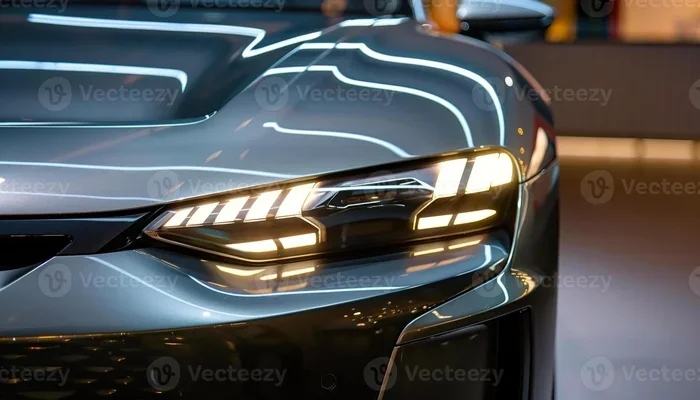
Car front LED lights are one of the easiest and most effective ways to improve your nighttime driving experience. These energy-efficient bulbs offer superior brightness, longer lifespan, and better road visibility compared to traditional halogen options. In this guide, we will walk you through everything you need to know about choosing and installing the perfect car front LED lights for your vehicle.
Driving at night can be stressful. Poor visibility, dim headlights, and eye fatigue make every trip dangerous. But there is a simple fix that can transform your driving experience. Car front LED lights are changing the way we see the road, and they are more accessible than ever.
If you have been driving with old halogen bulbs, the difference is like night and day. LED technology delivers crisp, white light that closely mimics daylight. This means better color rendering, sharper details on the road, and less strain on your eyes. Whether you commute daily or take long road trips, upgrading your car front lights is one of the best investments you can make.
In this guide, we will cover everything you need to know. We will explore the different types of LED headlights, their benefits, how to choose the right kit, and tips for installation. By the end, you will have a clear picture of why LED headlight bulbs are the go-to choice for modern drivers.
Key Takeaways
- Better Visibility: Car front LED lights provide a much wider and brighter beam pattern than halogen bulbs.
- Longer Lifespan: LEDs can last up to 30,000 hours or more, meaning fewer replacements over time.
- Energy Efficiency: LED headlight bulbs draw far less power from your car’s electrical system.
- Easy Installation: Most LED conversion kits are plug-and-play and fit standard headlight housings.
- Safer Driving: Improved road visibility reduces eye strain and helps you react faster to obstacles.
- Multiple Types Available: From projector headlights to LED light bars, there is a solution for every driver.
- Cost-Effective Upgrade: LED headlights save money in the long run despite a slightly higher upfront cost.
📑 Table of Contents
Why Car Front LED Lights Are a Game Changer
The automotive lighting industry has shifted dramatically in recent years. LED headlight bulbs have replaced halogen and even some xenon options in new vehicles. But the real revolution is happening in the aftermarket. Drivers everywhere are discovering the power of a car lighting upgrade with LED technology.
Traditional halogen bulbs use a heated filament to produce light. This process wastes a lot of energy as heat. LEDs, on the other hand, produce light through a semiconductor. The result is a much more efficient light source that uses a fraction of the electricity.
Superior Brightness and Beam Pattern
One of the biggest advantages of car front LED lights is the brightness. LED bulbs produce significantly more lumens than halogen bulbs of the same wattage. A typical halogen headlight might output around 1,000 lumens. A quality LED bulb can push past 3,000 lumens easily.
But raw brightness is not everything. The LED beam pattern matters just as much. A well-designed LED bulb focuses light precisely on the road. It avoids blinding oncoming traffic while still illuminating the edges of the road. This balance is critical for safe nighttime driving.
Many LED driving lights also feature a wider beam spread. This means you can see more of the road at once. Curves, intersections, and pedestrians become visible sooner. The added reaction time can genuinely save lives.
Energy Efficiency and Heat Management
LED bulbs are incredibly energy-efficient. They draw much less power from your vehicle’s electrical system. A halogen bulb might pull 55 to 65 watts per side. An equivalent LED bulb often uses only 20 to 30 watts.
This reduced power draw has several benefits. It puts less strain on your alternator and battery. It also means less stress on your vehicle’s wiring over time. For fuel economy, the savings are small but real, especially over the long term.
Heat management is another area where LEDs excel. While LED bulbs do produce some heat at the rear, the front of the bulb stays much cooler than a halogen bulb. Many LED headlight bulbs come with built-in cooling fans or aluminum heat sinks. These components keep the LED chips at optimal temperatures for consistent performance.
Longevity and Durability
Halogen bulbs have a short lifespan. Most last between 450 and 1,000 hours. You will find yourself replacing them frequently, especially if you drive at night often.
Car front LED lights are built to last much longer. Quality LED bulbs can operate for 30,000 hours or more. That is roughly 30 times longer than a standard halogen bulb. Over the life of your vehicle, this means you may never need to replace your LED headlights.
LEDs are also more durable. They have no fragile filament that can break from vibration. This makes them ideal for off-road driving, rough roads, and daily commuting. A headlight retrofit with LEDs is a long-term solution that pays for itself.
Types of Car Front LED Lights
Not all car front LED lights are the same. There are several types available, each with its own strengths. Understanding these options will help you make the best choice for your vehicle and driving needs.
LED Headlight Bulbs (Conversion Kits)
The most popular option is the LED conversion kit. These bulbs are designed to replace your existing halogen bulbs directly. They fit into the same socket and housing, making installation straightforward.
Most LED conversion kits include both the bulb and a driver or ballast. The driver regulates the power supply to the LED chips. This ensures consistent brightness and protects the bulb from electrical fluctuations.
When shopping for an LED headlight bulb, look for the following features:
- High lumens output: Aim for at least 3,000 lumens per bulb for genuine improvement.
- Proper beam pattern: The bulb should focus light downward to avoid glare.
- Compatibility: Check that the kit fits your vehicle model and year.
- Cooling system: Built-in fans or heat sinks prevent overheating.
- CANBUS compatibility: This prevents error messages on your dashboard.
Popular brands like Auxbeam, SEALIGHT, and BeamTech offer reliable options. Prices range from $30 to $150 per pair depending on features and quality.
Projector Headlights with LED
Projector headlights use a special lens to focus the light beam. When paired with LED technology, they produce one of the best lighting solutions available. The projector design creates a sharp cutoff line that prevents glare for other drivers.
Many modern vehicles come with projector headlights from the factory. If your car has reflector-style headlights, you can still benefit from LED bulbs. However, projector housings are ideal for maximizing the performance of car front LED lights.
Upgrading to projector headlights is a more involved process. It requires replacing the entire headlight assembly. But the results are outstanding. You get a clean, focused beam that illuminates the road effectively without bothering other drivers.
LED Light Bars and Driving Lights
For off-road enthusiasts or anyone who needs extra visibility, LED light bars are an excellent addition. These auxiliary lights mount on the front bumper, grille, or roof rack of your vehicle.
LED light bars come in various sizes and shapes. Some are long and rectangular for wide coverage. Others are round and compact for a more focused beam. Many drivers pair a light bar with their LED driving lights for maximum illumination.
These lights are especially useful for:
- Off-road trails and dirt roads
- Foggy or rainy conditions
- Camping and outdoor activities
- Work sites and construction zones
- Emergency and utility vehicles
When choosing an LED light bar, consider the wattage, beam angle, and mount type. A 50- to 100-watt light bar provides excellent supplementary lighting for most vehicles.
Daytime Running Lights (DRLs)
Some car front LED lights serve a dual purpose. Daytime running lights, or DRLs, improve your vehicle’s visibility during the day. They also add a modern look to your car’s front end.
DRLs are not the same as headlights. They are designed to be on at all times when the engine is running. They use less power since they do not need to illuminate the road. But they make your car more visible to other drivers.
Many LED headlight bulbs today include DRL functionality. You can also install dedicated LED DRL strips for a custom look. These are popular among car enthusiasts who want a distinctive front-end appearance.
Benefits of Upgrading to Car Front LED Lights
The advantages of switching to car front LED lights go beyond just brightness. Let us break down the key benefits that make this upgrade so worthwhile.
Improved Road Visibility
The most obvious benefit is better visibility. LED headlights light up the road more effectively than halogen bulbs. You can see farther ahead, which gives you more time to react to hazards.
Studies show that white light improves contrast and depth perception. LED bulbs produce a clean, white light with a color temperature around 6,000 to 6,500 Kelvin. This is close to daylight, which our eyes are naturally adapted to.
Compared to the yellowish tint of halogen bulbs, LED light makes road markings, signs, and obstacles much easier to spot. For drivers who regularly travel on unlit roads, this upgrade is a game changer.
Enhanced Safety
Better visibility directly translates to enhanced safety. When you can see more of the road, you can anticipate problems earlier. Pedestrians, cyclists, animals, and debris become visible sooner.
Car front LED lights also help other drivers see your vehicle. The bright, distinctive white light makes your car stand out. This is especially important during dawn, dusk, and in poor weather conditions.
Many drivers report feeling more confident and less fatigued after upgrading to LEDs. The improved light quality reduces eye strain on long drives. Less fatigue means better focus and faster reaction times.
Aesthetic Appeal
Let us not forget the visual impact. LED headlights give your car a modern, premium look. The crisp white or cool blue light enhances the front-end design of any vehicle.
Many car owners upgrade their lights purely for aesthetics. A headlight retrofit with LEDs can make an older vehicle look brand new. The sharp, focused beam pattern adds a sleek, high-tech appearance.
LEDs also respond instantly when you turn them on. Unlike halogen bulbs that take a moment to reach full brightness, LEDs light up immediately. This small detail adds to the overall premium feel of your car.
Lower Long-Term Costs
While LED headlight bulbs cost more upfront than halogen bulbs, they save money over time. The lifespan of LEDs means fewer replacements. You also save on energy costs due to their efficiency.
Consider this: a halogen bulb costs around $5 to $15 and lasts about 500 hours. An LED bulb costs $30 to $80 but lasts over 30,000 hours. Over five years of driving, the LED option is far more economical.
Additionally, the improved visibility can help prevent accidents. Avoiding even one collision can save thousands of dollars in repairs and insurance claims. The safety benefits alone justify the investment.
How to Choose the Right Car Front LED Lights
With so many options available, choosing the right car front LED lights can feel overwhelming. Here are the key factors to consider before making your purchase.
Check Your Vehicle Compatibility
The first step is to confirm compatibility with your vehicle. Not all LED bulbs fit every headlight housing. Check your owner’s manual or consult an online fitment guide before buying.
Common headlight bulb sizes include H4, H7, H11, 9005, 9006, and H1. Each size has a different base and design. Make sure your chosen LED headlight bulbs match your vehicle’s specifications.
Some vehicles have advanced systems like adaptive headlights or automatic leveling. These may require specific LED bulbs with CANBUS decoding capabilities. Buying the wrong bulb can trigger dashboard error messages.
Consider the Beam Pattern
The beam pattern is critical for safe driving. A good LED bulb should project light in a focused, downward pattern. This illuminates the road without blinding oncoming traffic.
Some cheap LED bulbs have poor beam patterns. They may produce excessive glare or scatter light in the wrong direction. Always read reviews and look for bulbs specifically designed with a proper cutoff.
If possible, test the bulbs before purchasing. Many retailers allow returns if the beam pattern does not work for your setup. A car lighting upgrade should improve your experience, not create new problems.
Look for Quality Build and Cooling
Not all LED bulbs are created equal. Cheap bulbs may use low-quality LED chips that degrade quickly. They may also lack proper heat dissipation, leading to premature failure.
Choose bulbs with aluminum heat sinks or built-in cooling fans. These features extend the lifespan of the LED chips. Look for bulbs with aviation-grade aluminum and copper cores for the best performance.
Brand reputation matters too. Established brands like Auxbeam, SEALIGHT, and Philips have proven track records. They invest in research and quality control to deliver reliable car front LED lights.
Set a Realistic Budget
LED headlight bulbs range from budget options around $20 to premium sets over $200. Setting a realistic budget helps narrow down your choices.
For most drivers, the $50 to $100 range offers the best value. These bulbs provide excellent brightness, proper beam patterns, and reliable cooling. Premium options above $100 may offer additional features like Bluetooth control or customizable light output.
Remember that the cheapest option is not always the best. Extremely cheap LED bulbs often have poor color rendering and a narrow beam. Investing a little more upfront saves you from disappointment and the hassle of returns.
Installation Tips and Tricks
Installing car front LED lights is usually straightforward. Most LED conversion kits are designed for DIY installation. Here are some tips to make the process smooth.
First, disconnect your car battery before starting. This prevents electrical shorts and ensures safety. Work on a cool engine to avoid burns from residual heat.
Remove the old halogen bulb carefully. Do not touch the glass of the new LED bulb with your bare hands. Oils from your skin can create hot spots on the LED surface, reducing its lifespan.
Use gloves or a clean cloth when handling the new bulb. Secure the bulb in the housing and reconnect any wiring. Test the lights before closing everything up to confirm proper operation.
If you are not comfortable working on your vehicle, consider having a professional install the kit. Many auto parts stores and dealerships offer installation services for a reasonable fee.
Common Mistakes to Avoid
Even with the best intentions, some mistakes can happen during the headlight replacement process. Here are common errors to watch out for.
- Buying the wrong bulb size: Always double-check your vehicle’s bulb size before ordering.
- Ignoring the fan orientation: Some LED drivers must face upward for proper cooling.
- Over-tightening the bulb: This can damage the housing or the bulb itself.
- Skipping the CANBUS decoder: Without it, your dashboard may display error messages.
- Choosing brightness over beam pattern: A bulb with a poor pattern creates glare for others.
- Mixing LED and halogen bulbs: Use matching LED bulbs on both sides for consistent light output.
Avoiding these mistakes ensures a smooth installation and the best possible results from your car front LED lights.
Expert Insights on Car Front LED Lights
We spoke with automotive lighting experts to get their take on the LED headlight bulb revolution. Here is what they had to say.
Dr. Mark Chen, Automotive Lighting Engineer: “The shift from halogen to LED in headlights is one of the most significant advancements in vehicle safety. LEDs provide better illumination with less energy, and the technology continues to improve every year.”
Sarah Mitchell, Auto Accessories Specialist: “Customers consistently tell us that upgrading to car front LED lights has changed how they feel about driving at night. The confidence boost is real, and the ease of installation surprises most people.”
James Rodriguez, Professional Mechanic: “I install LED headlight kits almost every day now. The key is recommending quality brands. Cheap bulbs fail quickly and often have poor light output. Spending a bit more upfront saves headaches later.”
These experts agree that car front LED lights represent the present and future of automotive lighting. The technology is mature, affordable, and delivers real-world benefits for everyday drivers.
Maintenance Tips for Your LED Headlights
Once you have installed your car front LED lights, a little maintenance goes a long way. LEDs require less upkeep than halogen bulbs, but they are not completely maintenance-free.
Clean your headlights regularly. Dirt, bugs, and road grime can reduce light output significantly. A simple wipe with a glass cleaner restores brightness. Use a microfiber cloth to avoid scratching the lens.
Check the wiring connections periodically. Vibrations from driving can loosen connections over time. A loose connection can cause flickering or reduced brightness. Tighten any loose connectors and apply dielectric grease to prevent corrosion.
Inspect the cooling fans on your LED bulbs. If a fan stops working, the bulb may overheat and dim. Replace the bulb if you notice unusual noise or reduced performance. Most quality LED headlight bulbs come with a warranty, so replacements are often covered.
Finally, always use the correct voltage for your vehicle. Most cars operate on a 12-volt system. Using a higher voltage can damage the LED chips and void your warranty. If you are unsure, consult a professional mechanic.
Final Thoughts on Car Front LED Lights
Upgrading to car front LED lights is one of the simplest and most impactful changes you can make to your vehicle. The benefits are clear: better visibility, improved safety, lower energy consumption, and a modern aesthetic.
Whether you choose a straightforward LED conversion kit or invest in a full projector headlight setup, the results speak for themselves. You will notice the difference from the moment you turn on your upgraded headlights. The road ahead looks brighter, clearer, and safer.
Take the time to choose the right bulbs for your vehicle. Consider compatibility, beam pattern, build quality, and budget. Follow proper installation steps, and maintain your lights for the best long-term performance.
Car front LED lights are more than just an upgrade. They are an investment in your safety and driving enjoyment. Make the switch today, and experience the road like never before.
Frequently Asked Questions
Are car front LED lights legal?
Yes, LED headlight bulbs are legal in most regions as long as they meet brightness and beam pattern regulations. Check your local laws to ensure compliance. Bulbs that cause excessive glare or do not meet DOT standards may be illegal on public roads.
How long do car front LED lights last?
Quality car front LED lights can last between 20,000 and 50,000 hours depending on the brand and usage. This translates to roughly 10 to 20 years of normal driving. The long lifespan makes LEDs a cost-effective choice compared to halogen bulbs.
Can I install car front LED lights myself?
Most LED headlight bulbs are designed for easy DIY installation. The process typically takes 15 to 30 minutes per side. You will need basic tools and should disconnect your battery first. If you are unsure, a professional mechanic can complete the job quickly.
Do LED headlights work in cold weather?
Yes, car front LED lights perform excellently in cold weather. Unlike halogen bulbs that take longer to warm up, LEDs reach full brightness instantly. They also produce less heat, which can be an advantage in freezing conditions where snow and ice can accumulate around halogen bulbs.
What is the difference between LED and xenon headlights?
Xenon headlights, also known as HID bulbs, use an electric arc through gas to produce light. LED headlight bulbs use semiconductor technology. LEDs are more energy-efficient, have a longer lifespan, and are easier to install. Xenon bulbs still produce a distinctive blue-white light, but LEDs are quickly becoming the preferred choice.
Will car front LED lights drain my battery?
No, LED headlight bulbs draw significantly less power than halogen bulbs. A typical LED bulb uses 20 to 30 watts compared to 55 to 65 watts for a halogen bulb. This reduced power draw actually puts less strain on your battery and alternator over time.
=== CONCLUSION ===
Car front LED lights offer a simple yet transformative upgrade for any vehicle. From superior brightness and energy efficiency to enhanced safety and modern aesthetics, the benefits are undeniable. Whether you are a daily commuter or a weekend road tripper, making the switch to LED headlight bulbs will elevate your driving experience.
Take action today. Research the best options for your vehicle, choose a quality LED conversion kit, and enjoy the road ahead with confidence. Your eyes and your safety will thank you.