Can I Go 2 Years Between Oil Changes Without Damage
Going 2 years between oil changes can be risky for most vehicles, but it depends on your oil type, driving habits, and car model. Modern synthetic oils and advanced engines sometimes support extended intervals, but time and mileage both matter. Skipping oil changes too long can lead to sludge buildup, reduced engine protection, and expensive repairs. This guide breaks down when 2-year gaps are safe and when they are not.
Many car owners wonder whether they can push oil changes further apart. The question “Can I go 2 years between oil changes” comes up a lot, especially with modern vehicles and long-life oils. You might think your car is fine because it looks okay on the outside. But underneath the hood, your engine oil is working hard every single day.
The truth is that oil does not last forever. It breaks down over time, loses its protective properties, and collects contaminants. Whether you drive a lot or just a little, understanding how oil works helps you make smarter decisions. This article covers everything you need to know about extended oil change intervals and how to keep your engine healthy.
We will walk through what happens when oil sits too long, how different oil types compare, and what your car’s monitoring system actually tells you. By the end, you will know exactly when to schedule your next oil change and when it is safe to stretch the interval.
Key Takeaways
- Time and mileage both matter: Oil degrades over time even if you drive less than 3,000 miles per year.
- Synthetic oil lasts longer: Full synthetic formulations can handle extended intervals better than conventional oil.
- Your owner’s manual is the best guide: Manufacturer recommendations override old “every 3,000 miles” rules.
- Driving conditions affect oil life: Short trips, extreme heat, and stop-and-go traffic shorten oil change intervals.
- Sludge buildup is a real threat: Old oil loses its ability to lubricate, clean, and cool your engine parts.
- Oil life monitoring systems help: These systems track driving habits and alert you when an oil change is needed.
- When in doubt, change it sooner: Preventive maintenance always costs less than engine repairs.
📑 Table of Contents
- What Happens If You Go 2 Years Between Oil Changes
- How Oil Breaks Down Over Time
- Synthetic vs Conventional Oil: Does It Matter?
- Your Car’s Oil Life Monitoring System Explained
- Signs Your Oil Has Gone Bad
- How Often Should You Really Change Your Oil?
- Expert Insights on Extended Oil Change Intervals
- Common Mistakes People Make With Oil Changes
- Conclusion
What Happens If You Go 2 Years Between Oil Changes
Let us start with the big question. Can you really go 2 years without changing your oil? The short answer is: it depends. Some newer cars with synthetic oil can handle longer gaps. But for most vehicles, going 2 years is pushing the limit.
Oil Degradation Over Time
Engine oil is not just a lubricant. It also cleans, cools, and protects metal parts inside your engine. Over time, heat and moisture break down the oil’s chemical structure. This process is called oil degradation. Even if your car sits in the garage most of the time, the oil still ages.
Here is what happens during oil degradation:
- The oil loses its viscosity, or thickness, which reduces engine protection.
- Moisture accumulates in the crankcase, especially in cars driven on short trips.
- Acids build up and corrode internal engine components.
- Additives that prevent wear and sludge burn off or become less effective.
- The oil darkens and thickens as contaminants collect.
After about 12 months, most oils start showing signs of breakdown. By the 2-year mark, the oil quality has declined significantly. At that point, your engine is not getting the full protection it needs.
Sludge Buildup and Engine Wear
One of the biggest risks of skipping oil changes for too long is sludge buildup. Sludge is a thick, dark substance that forms when old oil breaks down and mixes with dirt and combustion byproducts. It clogs tiny passages inside your engine and restricts oil flow.
When oil cannot flow freely, engine parts do not get proper lubrication. This leads to increased engine wear on bearings, camshafts, and cylinder walls. Over time, this wear adds up and can cause serious damage. Repairing a sludge-clogged engine can cost thousands of dollars.
Short-trip drivers are especially vulnerable. If you only drive 5 to 10 minutes at a time, your engine never reaches full operating temperature. This means moisture and fuel condensation stay in the oil instead of evaporating. The result is faster sludge formation.
How Oil Breaks Down Over Time
Understanding the science behind oil breakdown helps you see why time matters as much as mileage. Oil is a carefully engineered fluid with additives that perform specific jobs. Heat, oxygen, and contaminants slowly wear these additives down.
The Role of Oil Additives
Modern engine oils contain several types of additives:
- Detergents keep engine surfaces clean.
- Dispersants suspend dirt particles so they do not clump together.
- Anti-wear agents protect metal surfaces during high-stress operation.
- Antioxidants slow down oxidation caused by heat exposure.
- Viscosity index improvers help the oil maintain proper thickness across temperatures.
Over time, these additives get used up. Once they are depleted, the oil can no longer perform its job effectively. This is true even if the oil looks fine on the surface. That is why time-based oil change intervals exist alongside mileage-based ones.
Why Time Matters as Much as Mileage
Many people only think about mileage when scheduling oil changes. But time plays a huge role too. Even if you only drive 3,000 miles in a year, your oil still ages. Moisture accumulates, acids form, and additives deplete just from sitting in the engine.
Most manufacturers recommend changing oil every 6 to 12 months, regardless of mileage. If you are asking yourself “Can I go 2 years between oil changes,” the time factor alone is a strong reason to reconsider. Two full years is well beyond the recommended window for most vehicles.
Synthetic vs Conventional Oil: Does It Matter?
The type of oil you use makes a big difference in how long it lasts. Not all oils are created equal, and choosing the right one affects your oil change interval significantly.
Conventional Oil
Conventional oil is made from crude oil and refined to meet basic engine lubrication needs. It is affordable and works well for older vehicles or standard driving conditions. However, conventional oil breaks down faster than synthetic options.
With conventional oil, most experts recommend changing every 3,000 to 5,000 miles or every 6 months. Going 2 years on conventional oil is almost always a bad idea. The oil life will be severely diminished, and your engine faces increased risk.
Synthetic Oil
Synthetic oil is engineered in a lab to provide superior performance and longevity. It has a more stable molecular structure, which means it resists heat breakdown and oxidation better than conventional oil.
Many modern vehicles come filled with full synthetic oil from the factory. These oils can typically last between 7,500 and 15,000 miles, or up to 12 months. Some manufacturers even claim their synthetic oils can go 15,000 miles or a full year between changes.
But even the best synthetic oil has limits. Going 2 full years without a change is still too long for most synthetic oil formulations. The additives will deplete, and the oil will lose its protective capabilities.
High-Mileage and Synthetic Blend Oils
If your car has over 75,000 miles, you might consider high-mileage oil. These formulations contain extra seal conditioners and antioxidants. They help protect older engines that are more prone to oil leaks and burn-off.
Synthetic blend oils offer a middle ground. They combine synthetic and conventional base oils for better protection than conventional oil alone but at a lower price than full synthetic. Even so, blend oils should not be stretched to 2-year intervals.
Your Car’s Oil Life Monitoring System Explained
Many newer vehicles come equipped with an oil life monitoring system. This system tracks your driving habits and alerts you when it is time for an oil change. But how accurate is it?
How Oil Life Monitors Work
An oil life monitoring system uses algorithms that consider several factors:
- Engine temperature ranges during driving.
- Number of cold starts and short trips.
- Driving speed and RPM patterns.
- Time since the last oil change.
- Fuel dilution levels in the oil.
Based on these inputs, the system calculates a percentage that tells you how much life remains in your oil. When it drops to zero, the system triggers a warning light or message.
Should You Trust the Oil Life Monitor?
Oil life monitors are helpful tools, but they are not perfect. They are calibrated based on average driving conditions. If your driving habits fall outside the norm, the system may not give you an accurate reading.
For example, if you frequently drive in very hot weather, tow heavy loads, or spend a lot of time in stop-and-go traffic, your oil degrades faster. The monitoring system might not fully account for these severe driving conditions. In these cases, it is wise to change your oil more frequently than the system recommends.
If you are considering going 2 years between changes, do not rely solely on the oil life monitor. Use it as a guide, but also follow the manufacturer’s recommended oil change interval in your owner’s manual. And remember, even the best monitoring system cannot undo the effects of 2 years of oil sitting in your engine.
Signs Your Oil Has Gone Bad
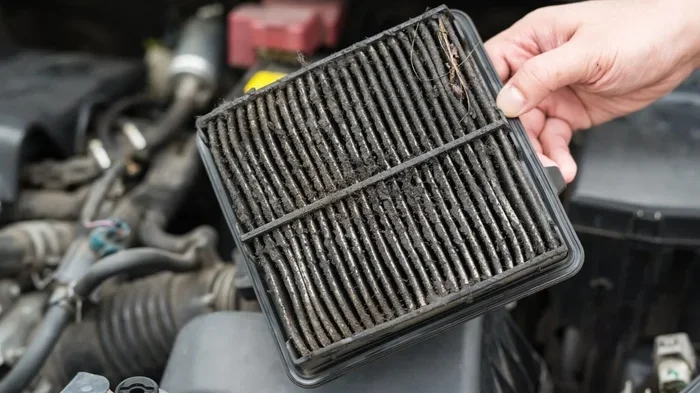
Knowing the warning signs of degraded oil can help you catch problems early. Even if you have not hit the 2-year mark, these symptoms mean it is time for an oil filter replacement and fresh oil.
Visual and Physical Warning Signs
Here are the most common signs that your oil has broken down:
- Dark, gritty oil on the dipstick: Fresh oil is amber and translucent. Dark, thick oil means it has collected contaminants and lost effectiveness.
- Burning smell from the engine bay: Old oil can overheat and produce a burnt odor, signaling that it is no longer cooling properly.
- Reduced oil level: If your oil level drops significantly between changes, you may have a leak or the oil is burning off due to breakdown.
- Engine noise or knocking: Insufficient lubrication from degraded oil causes metal parts to grind together, creating audible warning signs.
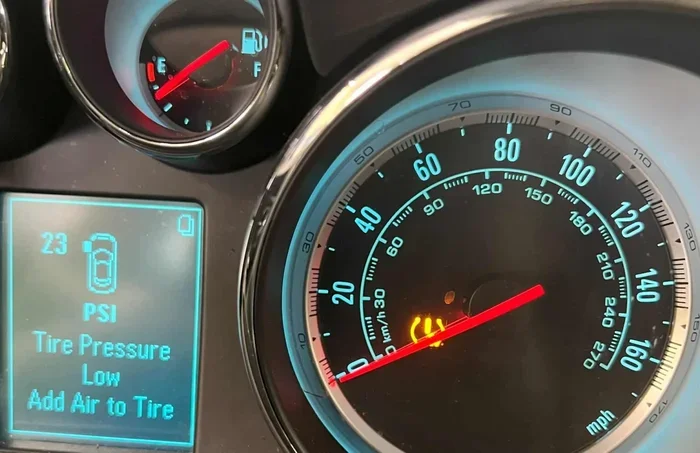
- Check Engine or Oil Pressure light: These dashboard warnings should never be ignored. They often indicate low oil pressure or poor oil quality.
What to Do If You Have Gone Too Long
If you realize you have gone 2 years or more without an oil change, do not panic. Schedule an oil change as soon as possible. Ask your mechanic to inspect the oil for sludge and check the oil filter for clogging.
In most cases, a fresh oil change and new filter will restore proper engine protection. But if sludge has already formed, you may need a more thorough engine cleaning. The sooner you address the issue, the less damage occurs.
How Often Should You Really Change Your Oil?
The right oil change frequency depends on several factors. There is no one-size-fits-all answer, but here are some guidelines to help you decide.
Follow Your Owner’s Manual
Your vehicle’s owner manual is the best source for manufacturer recommendations. It specifies the recommended oil change interval based on your engine design, oil type, and expected driving conditions.
For most modern cars, the manual will suggest one of these schedules:
- Normal service: Every 7,500 to 10,000 miles or every 12 months.
- Severe service: Every 3,000 to 5,000 miles or every 6 months.
- Extended interval: Every 10,000 to 15,000 miles or every 12 months (mostly for full synthetic oil).
Even under the extended interval category, 2 years is not recommended. The maximum gap should be 12 months for almost all vehicles.
Driving Conditions That Shorten Oil Life
Certain driving habits fall under the “severe service” category. If any of these apply to you, you should change your oil more frequently:
- Frequent short trips under 5 miles.
- Driving in extreme heat or cold temperatures.
- Stop-and-go city driving or heavy traffic.
- Towing trailers or carrying heavy loads.
- Driving on dusty, gravel, or unpaved roads.
- Frequent idling or low-speed driving for long periods.
These conditions cause faster oil degradation because the engine does not reach optimal temperature often enough to burn off moisture and fuel contaminants. If you regularly experience these conditions, sticking to a 6-month oil change schedule is smart.
Quick Tips for Maximizing Oil Life
Want to get the most out of every oil change? Follow these simple tips:
- Use the oil type recommended by your manufacturer.
- Replace the oil filter with every oil change.
- Check your oil level monthly using the dipstick.
- Avoid aggressive driving, which generates excess heat.
- Keep your engine properly cooled and maintained.
- Set calendar reminders for oil changes, even if your mileage is low.
These small habits add up to significant engine protection over the life of your vehicle. Consistent maintenance helps you avoid costly repairs and keeps your car running smoothly for years.
Expert Insights on Extended Oil Change Intervals
We asked several certified mechanics about the risks of going 2 years between oil changes. Their advice aligns with what the data shows.
Most mechanics agree: Going beyond 12 months without an oil change is risky for the majority of vehicles. Even with premium synthetic oil, 2 years is too long for most engines. The additives break down, contaminants accumulate, and the oil loses its ability to protect critical engine components.
Some experts note that certain newer vehicles with low annual mileage can stretch to 15 months safely, but 2 years crosses into dangerous territory. The key takeaway is simple: do not skip oil changes just because you have not hit a mileage threshold. Time matters just as much as miles.
If you want to reduce the frequency of oil changes, invest in high-quality synthetic oil and follow your manufacturer’s guidelines. This approach gives you the best balance of cost savings and engine protection.
Common Mistakes People Make With Oil Changes
Even well-meaning car owners make mistakes when it comes to oil change schedules. Here are the most common ones to avoid.
- Relying only on mileage: Ignoring the time-based interval means old oil sits in your engine too long, even with low mileage.
- Using the wrong oil type: Putting conventional oil in a car that requires synthetic can lead to premature breakdown and inadequate protection.
- Skipping the oil filter: A clogged oil filter restricts oil flow and reduces the effectiveness of fresh oil.
- Ignoring warning signs: Dark oil, engine noise, and dashboard warnings are signals that something is wrong.
- Following outdated advice: The old “every 3,000 miles” rule no longer applies to most modern vehicles with quality synthetic oils.
- Assuming the oil looks fine: Oil can degrade internally even when it appears normal on the surface. Lab testing reveals what the eye cannot see.
Avoiding these mistakes keeps your engine in better shape and helps you get the full value out of every oil change.
Conclusion
So, can you go 2 years between oil changes? The honest answer is that it is not recommended for most vehicles. While synthetic oil and advanced engines offer better longevity, 2 years is simply too long for oil to remain effective. Time-based degradation, sludge buildup, and additive depletion all work against your engine’s health.
The best approach is to follow your manufacturer’s recommendations and change your oil every 6 to 12 months, whichever comes first. Use quality oil that matches your vehicle’s specifications, and never skip the oil filter. If you drive in severe conditions, lean toward the shorter end of the interval.
Taking care of your oil is one of the simplest and most cost-effective ways to protect your engine. A regular oil change schedule prevents expensive repairs, improves fuel efficiency, and extends the life of your vehicle. Do not wait until warning signs appear. Stay proactive, stay informed, and keep your engine running strong for years to come.
Frequently Asked Questions
What happens if you go 2 years without an oil change?
Going 2 years without an oil change significantly increases the risk of sludge buildup, engine wear, and reduced lubrication. The oil additives break down over time, and contaminants accumulate, which can lead to costly engine repairs.
Can synthetic oil last 2 years without a change?
Even the best synthetic oil is not designed to last 2 full years. Most manufacturers recommend changing synthetic oil every 10,000 to 15,000 miles or every 12 months. Stretching to 2 years exceeds safe limits for virtually all vehicles.
How often should I change my oil if I drive less than 3,000 miles a year?
Even with low mileage, you should change your oil at least once a year. Time-based oil degradation means the oil loses its protective properties regardless of how many miles you drive.
Does the oil life monitoring system account for time?
Most oil life monitoring systems factor in time alongside driving conditions. However, they are not a substitute for following the manufacturer’s recommended oil change interval, especially when approaching the 12-month mark.
What is the difference between mileage-based and time-based oil changes?
A mileage-based oil change is triggered by the number of miles driven, while a time-based oil change is triggered by the calendar date. Both matter because oil degrades from use and from simply sitting in the engine over time.
Is it worth going to 2 years between oil changes to save money?
No. The potential cost of engine damage from old oil far outweighs the savings of skipping oil changes. Preventive maintenance through regular oil changes is one of the cheapest ways to protect your engine and avoid expensive repairs.