Black Smoke From Car What It Means and How to Fix It
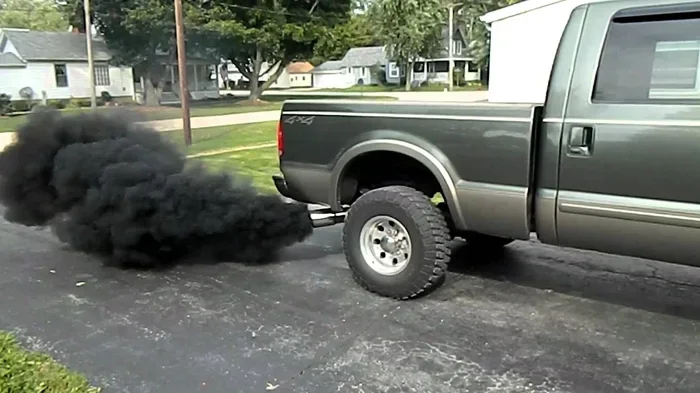
Black smoke from your car means the engine is burning too much fuel. This problem can stem from a dirty air filter, bad fuel injectors, or a faulty sensor. In this guide, you will learn the top causes, how to diagnose the issue yourself, and the best fixes to get your car running clean again.
You are driving down the road, and suddenly you notice dark, thick smoke billowing from your tailpipe. Your heart drops. What does black smoke from car mean? Is it serious? Will your engine survive the drive home?
Here is the good news. Black smoke from your exhaust is one of the most common car problems, and in most cases, it is fixable. The smoke itself is a warning sign. It tells you that your engine is running rich, which means it is burning too much fuel relative to the air it takes in. Think of it like a candle with too much wax and not enough oxygen. The flame gets smoky and dirty. Your engine works the same way.
In this article, we will break down everything you need to know about black smoke from car. You will learn the exact causes, how to diagnose the problem yourself, and the best fixes for every budget. Whether you drive a gasoline sedan or a diesel truck, this guide has you covered.
Key Takeaways
- Black smoke means rich fuel mixture: Your engine is burning more fuel than air, which hurts performance and fuel economy.
- Common culprits include clogged air filters, dirty injectors, and bad sensors: These are the most frequent reasons for black exhaust smoke.
- Diesel engines are more prone to black smoke: Fuel injection problems and turbo issues are common diesel-specific causes.
- You can diagnose the issue at home: Simple checks like inspecting the air filter and using an OBD2 scanner can point you in the right direction.
- Fixes range from cheap to moderate cost: Replacing an air filter costs very little, while injector replacement can be pricier.
- Regular maintenance prevents the problem from returning: Routine oil changes, filter replacements, and sensor checks keep your engine healthy.
- Ignoring black smoke leads to bigger problems: Prolonged neglect can damage the catalytic converter and other expensive components.
📑 Table of Contents
What Causes Black Smoke From Your Car
When your car shoots out black smoke, the root cause almost always comes down to one thing: an imbalance in the air-fuel mixture. Your engine needs the right blend of air and fuel to burn cleanly. Too much fuel and not enough air equals black smoke. Let us look at the most common reasons this happens.
Rich Air-Fuel Mixture
The most frequent cause of black exhaust smoke is a rich air-fuel mixture. This means your engine is getting way too much fuel and not enough air. Several things can trigger this imbalance. A faulty fuel pressure regulator may push too much fuel into the combustion chamber. A stuck open fuel injector can flood the engine with fuel. Even a leaking fuel return line can cause problems.
When the mixture runs rich, the fuel does not burn completely. The leftover fuel turns into soot and exits through your exhaust as black smoke. You will also notice other symptoms. Your gas mileage drops. The engine feels sluggish. Sometimes you will smell a strong fuel odor inside or outside the car.
Dirty or Clogged Fuel Injectors
Fuel injectors spray fuel into the combustion chamber in a fine mist. Over time, carbon buildup can clog these injectors. When a injector is clogged, it does not spray fuel properly. Instead of a fine mist, you get drips or uneven sprays. This leads to incomplete combustion and, you guessed it, black smoke from car exhaust.
Clogged injectors are especially common in older vehicles or cars that have not had regular fuel system cleaning. If you drive in dusty areas or use low-quality fuel, the problem can develop faster. The good news is that cleaning injectors is often affordable and can restore proper fuel atomization.
Clogged or Dirty Air Filter
Your engine needs air to burn fuel efficiently. A dirty air filter restricts airflow, which means the engine gets starved for oxygen. The result is the same as too much fuel: a rich mixture that produces black smoke.
This is one of the simplest and cheapest causes to fix. Air filters should be replaced every 12,000 to 15,000 miles, or more often if you drive in dusty or polluted conditions. A quick inspection of your air filter can tell you a lot. If it looks dark and clogged, swap it out. You might be surprised how much this simple fix can improve engine performance and reduce exhaust smoke.
Faulty Mass Airflow Sensor
The mass airflow sensor, or MAF sensor, tells your car’s computer how much air is entering the engine. Based on this information, the computer decides how much fuel to inject. If the MAF sensor is dirty or failing, it sends wrong readings. The computer then adds too much fuel, creating a rich mixture and black exhaust smoke.
A bad MAF sensor also triggers the check engine light. If you notice black smoke along with a glowing warning light on your dashboard, the MAF sensor should be one of the first things you check. Cleaning the sensor with a special cleaner is often enough to fix the problem. If it is damaged, replacement is straightforward and affordable.
Fuel Pressure Regulator Issues
The fuel pressure regulator controls how much fuel goes to the injectors. If this part fails, it can push too much fuel into the system. A failing regulator often causes black smoke, poor fuel economy, and sometimes fuel leaks. You might also notice a strong fuel smell near the engine bay or under the car.
Diagnosing a bad fuel pressure regulator requires a fuel pressure gauge. You attach it to the fuel rail and check the pressure against manufacturer specifications. If the pressure is too high, the regulator is likely the culprit. Replacement is a moderate repair that a decent mechanic can handle in an hour or two.
How to Diagnose Black Smoke From Your Car
Before you rush to the repair shop, there are several things you can check yourself. Diagnosing the problem at home can save you time and money. Here is a step-by-step approach to figuring out what is causing the black smoke.
Step One: Inspect the Air Filter
Start with the easiest check. Pull out your air filter and hold it up to a light source. If you cannot see light through it, it is time for a replacement. This costs under 30 dollars for most vehicles and takes about five minutes. Always replace the air filter with the correct size for your make and model.
Step Two: Check for Fuel Odor
Do you smell fuel around the car or inside the cabin? A strong fuel smell often points to a fuel system problem. It could be a leaking injector, a bad regulator, or a fuel line issue. Do not ignore this smell. Fuel leaks are a fire hazard and should be addressed immediately.
Step Three: Use an OBD2 Scanner
An OBD2 scanner is one of the best tools for diagnosing engine problems. You plug it into the diagnostic port under your dashboard. The scanner reads error codes from your car’s computer. Codes related to fuel trim, MAF sensor, or oxygen sensor can point directly to the cause of black smoke.
You can buy a basic OBD2 scanner for around 30 to 50 dollars. Many auto parts stores also offer free diagnostic scanning. The codes will tell you which sensor or system is out of range, giving you a clear direction for repairs.
Step Four: Inspect the Fuel Injectors
If the air filter and MAF sensor check out fine, look at the injectors. You can listen for a clicking sound with a mechanic’s stethoscope. Each injector should make a faint clicking noise when the engine is running. A silent injector is likely clogged or dead. You can also have a professional perform a fuel pressure test to check injector performance.
Step Five: Check the Turbocharger (Diesel and Some Gas Engines)
If you drive a turbocharged vehicle, a failing turbo can cause black smoke. A damaged turbo seal lets oil leak into the combustion chamber. This creates thick dark smoke that smells like burning oil. Turbo issues require professional diagnosis and repair, so do not try to fix this yourself unless you have experience.
Common Fixes for Black Exhaust Smoke
Once you know the cause, fixing black smoke from your car becomes much simpler. Here are the most effective solutions, ranked from easiest and cheapest to more involved repairs.
Replace the Air Filter
This is the cheapest and easiest fix. A new air filter costs between 10 and 50 dollars. You can do this yourself in most cases. Just make sure you get the right filter for your vehicle. After replacement, take a test drive and check if the black smoke clears up. In many cases, this alone solves the problem.
Clean the Fuel Injectors
Fuel injector cleaner additives are available at any auto parts store. You pour the cleaner into your fuel tank, and it works its way through the fuel system, breaking up carbon deposits. This works best for mild clogs. For heavily clogged injectors, you may need to remove them and have them professionally cleaned or replaced.
Replacing a single fuel injector costs between 150 and 350 dollars, including parts and labor. If multiple injectors need replacement, the cost goes up. But keeping your injectors clean through regular maintenance can prevent this expensive repair altogether.
Replace the Fuel Pressure Regulator
A faulty fuel pressure regulator typically costs between 150 and 300 dollars to replace, including parts and labor. The regulator is usually mounted on or near the fuel rail. The repair involves disconnecting fuel lines, removing the old regulator, and installing the new one. Most mechanics can do this in under two hours.
Replace or Clean the MAF Sensor
Cleaning the MAF sensor is the first step. Use a dedicated MAF cleaner spray, which costs around 10 dollars. Spray it gently on the sensor wire or element. Do not touch it with your fingers. Let it dry completely before reinstalling.
If cleaning does not work, you will need to replace the sensor. A new MAF sensor costs between 100 and 300 dollars depending on your vehicle. The replacement is straightforward and usually takes about 30 minutes.
Repair or Replace the Turbocharger
Turbo repairs are the most expensive fix on this list. A new turbocharger can cost anywhere from 1,000 to 3,000 dollars or more. However, sometimes the issue is simpler, like a broken turbo hose or a leaking seal. A mechanic can assess the exact problem and give you a clear cost estimate.
| Repair | Estimated Cost | Difficulty Level |
|---|---|---|
| Air Filter Replacement | $10 – $50 | Easy (DIY-friendly) |
| Fuel Injector Cleaning | $50 – $100 | Easy |
| MAF Sensor Cleaning | $10 – $20 | Easy |
| MAF Sensor Replacement | $100 – $300 | Moderate |
| Fuel Pressure Regulator | $150 – $300 | Moderate |
| Fuel Injector Replacement | $150 – $350 per unit | Moderate to Hard |
| Turbocharger Repair/Replace | $1,000 – $3,000+ | Hard (Professional) |
Diesel vs Gasoline Engines and Black Smoke
Black smoke from car exhaust affects both diesel and gasoline engines, but the causes and fixes can differ. Understanding these differences helps you narrow down the problem faster.
Why Diesel Engines Produce More Black Smoke
Diesel engines are naturally more prone to producing black smoke. They run on compression ignition, which means fuel is injected directly into highly compressed air. If the fuel does not burn completely, you get visible black smoke. This is why diesel trucks and vehicles have long been associated with exhaust smoke.
Modern diesel engines use advanced fuel injection systems and sensors to minimize smoke. But older diesel engines or ones with maintenance neglect will produce more black exhaust smoke. Common diesel-specific issues include worn injectors, a failing turbo, and incorrect injection timing.
Common Diesel-Specific Issues
Diesel engines have a few extra components that gasoline engines do not. The fuel injection pump, glow plugs, and turbo system all play a role in clean combustion. If any of these fail, black smoke is often the result.
For example, a worn injection pump may deliver too much fuel at the wrong time. Glow plugs help diesel engines start in cold weather. If they fail, the engine may run rich during startup, producing temporary black smoke. Turbo issues, like a damaged wastegate or leaking seals, are also common in diesel vehicles and a major cause of black exhaust smoke.
Gasoline Engines and Black Smoke
Gasoline engines produce black smoke less often than diesels, but it still happens. The causes are usually related to fuel injection problems, sensor failures, or air intake restrictions. A gasoline engine running rich will show the same symptoms as a diesel: black smoke, poor fuel economy, and rough idling.
Direct-injection gasoline engines are more susceptible to carbon buildup on injectors. This can cause clogging and fuel spray issues over time. Regular fuel system cleaning and using quality fuel can help prevent these problems in gasoline engines.
When to See a Mechanic
Some causes of black smoke are simple enough to fix at home. But certain situations require professional help. Knowing when to visit a mechanic can save you from expensive mistakes and keep you safe on the road.
Warning Signs You Should Not Ignore
- Black smoke that does not go away after replacing the air filter. This suggests a deeper fuel system problem that needs professional diagnosis.
- Black smoke accompanied by a check engine light. The engine computer has detected a problem that requires scanning and professional interpretation.
- Fuel leaks or strong fuel smells. These are safety hazards that need immediate attention.
- Excessive smoke from a diesel turbo vehicle. Turbo issues are complex and should be handled by a diesel specialist.
- Poor engine performance combined with black smoke. This could indicate multiple problems that need a comprehensive inspection.
If you notice any of these warning signs, do not keep driving and hoping the problem fixes itself. Black smoke from car exhaust is your engine telling you something is wrong. The longer you ignore it, the more damage it can cause. A catalytic converter can get clogged from running rich, and replacing a catalytic converter costs anywhere from 500 to 2,500 dollars. Early diagnosis and repair will save you a lot of money in the long run.
Preventing Black Smoke From Returning
Once you have fixed the black smoke problem, you want to make sure it stays fixed. Prevention is always better than repair, and a few simple habits can keep your engine running clean and healthy.
Follow a Regular Maintenance Schedule
Stick to your manufacturer’s recommended maintenance schedule. This includes regular oil changes, air filter replacements, and fuel system cleaning. Skipping maintenance is the number one reason problems like black smoke come back.
Use Quality Fuel
Cheap fuel contains more impurities and contaminants. These can clog injectors and foul sensors over time. Try to fill up at reputable gas stations and consider using a fuel system cleaner every few thousand miles. This keeps your injectors clean and your combustion process efficient.
Monitor Your Dashboard Warning Lights
Your car’s warning lights are designed to alert you to problems early. If you see the check engine light or any other warning, do not ignore it. Getting a quick diagnostic scan can catch small problems before they turn into expensive repairs and black smoke.
Address Small Problems Quickly
Do not wait for a small issue to become a big one. If you notice a slight change in engine performance, a mild fuel smell, or a hint of smoke, get it checked right away. Catching problems early is the best way to avoid major repairs and keep your car running smoothly for years to come.
Key Takeaways
- Black smoke means rich fuel mixture: Your engine is burning more fuel than air, which hurts performance and fuel economy.
- Common culprits include clogged air filters, dirty injectors, and bad sensors: These are the most frequent reasons for black exhaust smoke.
- Diesel engines are more prone to black smoke: Fuel injection problems and turbo issues are common diesel-specific causes.
- You can diagnose the issue at home: Simple checks like inspecting the air filter and using an OBD2 scanner can point you in the right direction.
- Fixes range from cheap to moderate cost: Replacing an air filter costs very little, while injector replacement can be pricier.
- Regular maintenance prevents the problem from returning: Routine oil changes, filter replacements, and sensor checks keep your engine healthy.
- Ignoring black smoke leads to bigger problems: Prolonged neglect can damage the catalytic converter and other expensive components.
Frequently Asked Questions
Can I keep driving my car if it produces black smoke?
You can drive a short distance if the smoke is minimal, but you should not ignore it. Black smoke means your engine is running inefficiently and wasting fuel. Continuing to drive for a long time can damage the catalytic converter and other expensive parts. Get the issue diagnosed and fixed as soon as possible.
How much does it cost to fix black smoke from a car?
The cost depends entirely on the cause. Replacing an air filter costs under 50 dollars. Cleaning fuel injectors runs 50 to 100 dollars. More complex repairs like replacing a fuel pressure regulator or MAF sensor can cost 150 to 300 dollars. Turbo repairs are the most expensive, ranging from 1,000 to 3,000 dollars or more.
Is black smoke from a diesel engine normal?
A small amount of black smoke from a diesel engine under heavy load can be normal, especially in older vehicles. However, constant or heavy black smoke is not normal and indicates a problem. Modern diesel engines should burn fuel cleanly, so persistent smoke always warrants attention.
Can a clogged catalytic converter cause black smoke?
A clogged catalytic converter usually causes different symptoms, like reduced power and a rotten egg smell. However, a severely clogged converter can contribute to poor engine performance and exhaust issues. If you have black smoke along with power loss, have both the exhaust system and fuel system checked.
Does bad fuel cause black smoke from a car?
Yes, contaminated or low-quality fuel can cause black smoke. Bad fuel may contain impurities that do not burn cleanly. It can also clog fuel injectors over time, leading to incomplete combustion. Always try to use fuel from reputable stations and consider using a fuel additive to keep your system clean.
How long does it take to fix black smoke from a car?
Simple fixes like air filter replacement take about 30 minutes. Cleaning or replacing fuel injectors can take a few hours. More complex repairs like turbo work may require a full day or more at the shop. The time depends on the root cause and the specific repair needed.
Conclusion
Black smoke from car exhaust is a clear signal that your engine needs attention. The most common causes are a rich air-fuel mixture, dirty fuel injectors, a clogged air filter, or a failing sensor. The good news is that most fixes are affordable and straightforward, especially when you catch the problem early.
Start with the simple stuff. Check your air filter. Clean your MAF sensor. Use an OBD2 scanner to read error codes. These steps can often solve the problem without a trip to the mechanic. For more complex issues like fuel injector replacement or turbo repairs, a trusted mechanic can get the job done right.
The best way to deal with black smoke from car problems is to prevent them in the first place. Follow your maintenance schedule, use quality fuel, and pay attention to warning signs. Your engine will thank you with better performance, improved fuel economy, and fewer trips to the repair shop.
Do not let black smoke sit on your mind or damage your car. Take action today, and your car will run cleaner, smoother, and more efficiently for miles to come.