Upgrade Your Drive with a Backup Camera for Car Radio
A backup camera for car radio is one of the smartest upgrades you can make to your vehicle. It gives you a clear view behind your car when you reverse, making parking and maneuvering much safer. This guide covers everything you need to know, from choosing the right system to installation tips and common mistakes. Whether you drive a sedan, SUV, or truck, a backup camera for car radio can transform your daily driving experience. Read on to learn how to pick, install, and get the most from your new backup camera for car radio setup.
A backup camera for car radio is one of the most practical upgrades you can add to any vehicle. It connects directly to your car stereo or radio display, giving you a live video feed from behind your car. This simple addition makes reversing, parking, and navigating tight spaces far safer and easier. Whether you are a new driver or have been driving for years, a backup camera for car radio system changes the way you see the road behind you.
More and more drivers are choosing a backup camera for car radio as their go-to vehicle safety upgrade. Unlike standalone backup cameras, a radio-integrated system keeps your dashboard clean and your view seamless. You get a high-quality rearview display right on your car stereo screen. This means no extra monitors cluttering your windshield or dashboard. The result is a cleaner look and a smarter driving experience.
In this guide, we will walk you through everything you need to know about a backup camera for car radio. We will cover how these systems work, why they matter for vehicle safety, and how to choose the best one for your car. You will also find step-by-step installation tips, common mistakes to avoid, and expert advice for getting the most out of your setup. By the end, you will feel confident about upgrading your drive with a backup camera for car radio system.
Key Takeaways
- A backup camera for car radio boosts safety: It gives you a clear rear view, reducing blind spots and helping you avoid accidents while reversing.
- Choosing the right system matters: Consider resolution, display size, weather resistance, and compatibility with your car stereo before buying.
- Installation is doable at home: Most systems come with straightforward wiring and mounting hardware. Basic tools and patience are all you need.
- Top features include night vision, parking lines, and wide-angle lenses: These extras make your backup camera far more useful in all conditions.
- Avoid common mistakes like poor wiring and wrong placement: Small errors during install can cause big problems later.
- Regular maintenance keeps your system working: Clean the lens, check connections, and update firmware for the best performance.
📑 Table of Contents
What Is a Backup Camera for Car Radio?
A backup camera for car radio is a rear-facing camera that links to your car stereo or radio display. When you shift into reverse, the camera automatically turns on and shows a live feed on your screen. This gives you a direct view of what is behind your vehicle. It works as part of your car multimedia system and replaces or enhances the standard radio display.
These systems are also called a rearview camera, a reversing camera, or a radio with camera. They come in many shapes and sizes. Some cameras are small and flush-mount, while others are larger and surface-mounted. The camera sends a video signal to your car radio monitor, which displays the image in real time. This is a key part of modern vehicle safety technology.
How Does It Work?
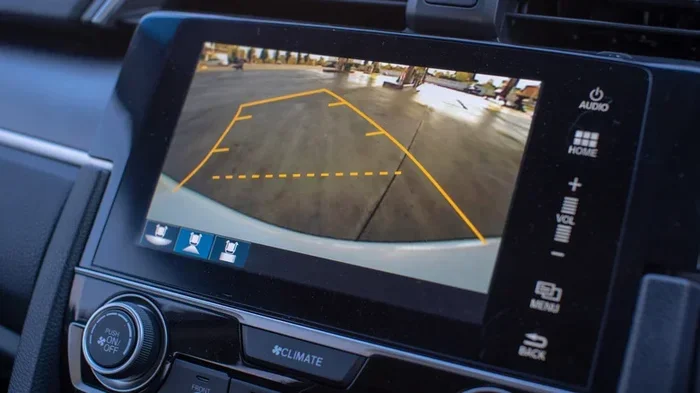
The system is simple. A small camera mounts near your rear license plate or trunk. It connects to a video cable that runs to the back of your car stereo. When you put your car in reverse gear, the radio switches to the camera input automatically. You then see a live image on your dashboard display. Most systems also show dynamic parking guide lines that adjust as you steer. This makes reverse parking much easier and safer.
A good backup camera for car radio also works with backup sensors. These sensors detect objects behind your car and beep or display warnings. Together, the camera and sensors create a strong vehicle backup system. This combo gives you both visual and audio alerts, which greatly improves driving safety.
Why You Need a Backup Camera for Car Radio
Adding a backup camera for car radio to your vehicle is one of the best decisions you can make for safety. Rear-end collisions while reversing are very common. According to safety studies, thousands of backup accidents happen every year, many involving children or pets. A backup camera for car radio dramatically reduces this risk by eliminating blind spots behind your vehicle.
Beyond safety, a backup camera for car radio adds real convenience. Parallel parking becomes less stressful. Hitting curbs or low obstacles becomes far less likely. You also gain confidence when backing into tight parking spots or driveways. For older drivers or those with limited mobility, this kind of car technology is a game changer. It makes every reverse maneuver smoother and more controlled.
Safety Benefits of a Backup Camera for Car Radio
The main reason to install a backup camera for car radio is safety. Here is how it helps:
- Eliminates rear blind spots: You can see behind your car clearly, even in low light.
- Protects children and pets: A live video feed helps you spot people or animals behind your vehicle.
- Reduces property damage: You avoid hitting walls, poles, and other cars when parking.
- Improves awareness in crowded areas: Parking lots, driveways, and garages become much safer.
- Works day and night: Most backup camera for car radio systems include night vision for low-light conditions.
Parking Becomes Easier
Let us be honest. Parking can be stressful, especially in tight spaces. A backup camera for car radio takes the guesswork out of reverse parking. You can see exactly where your rear wheels are and how close you are to obstacles. Many systems show colored parking lines that turn red when you are too close. This visual guide helps you park smoothly every time. It is one of the best car accessories you can add for everyday convenience.
How to Choose the Right Backup Camera for Car Radio
Not all backup camera for car radio systems are the same. Choosing the right one depends on your vehicle, your budget, and your needs. Here are the key factors to consider before you buy.
Compatibility with Your Car Stereo
First, make sure the camera works with your car stereo system. Some backup camera for car radio units are designed for specific radio brands or models. Check the wiring harness and video input type before purchasing. If you have a newer car with a touchscreen radio, you may need an adapter. Always confirm compatibility to avoid returns and frustration.
Resolution and Image Quality
The whole point of a backup camera for car radio is a clear view. Look for at least 720p resolution. 1080p is even better for sharp, detailed images. Higher resolution means you can see small objects like curbs, rocks, or toys on the ground. A rear camera display with good color accuracy and contrast also helps a lot in bright sunlight or at night.
Weather Resistance and Durability
Your camera will face rain, snow, heat, and dust. Choose a backup camera for car radio with an IP67 or IP69K waterproof rating. This ensures the camera survives all weather conditions. Also look for a wide operating temperature range. A durable camera will last for years without needing replacement.
Comparison Table: Types of Backup Cameras for Car Radio
| Feature | Flush Mount | Surface Mount | License Plate Mount |
|---|---|---|---|
| Appearance | Sleek, hidden | Bulky but easy to install | Integrated with plate |
| View Angle | Wide (150-170 degrees) | Wide (120-150 degrees) | Medium (120-140 degrees) |
| Weather Resistance | Excellent | Good | Very Good |
| Installation Difficulty | Moderate | Easy | Easy |
| Price Range | $$ – $$$ | $ – $$ | $ – $$ |
| Best For | Clean look, new cars | Easy DIY install | Truck and SUV owners |
Quick Tips for Choosing the Right System
- Match the camera to your radio size: Make sure the video output fits your car stereo display resolution.
- Choose a wide-angle lens: A wider view shows more of the area behind your car.
- Check the night vision range: If you park in dark garages, infrared night vision is essential.
- Read user reviews: Real-world feedback helps you spot quality issues before buying.
- Consider a combo kit: Some backup camera for car radio kits include everything you need in one box.
Top Features to Look For
When shopping for a backup camera for car radio, certain features stand out. These features make the system more useful, safer, and easier to use every day.
Must-Have Features
- Night Vision: A good backup camera for car radio should have infrared or enhanced night vision. This lets you see clearly even in complete darkness.
- Dynamic Parking Lines: These lines shift as you steer, giving you a real-time guide for reverse parking.
- Wide Viewing Angle: Look for at least 120 degrees. A wider angle captures more of the area behind your car.
- Waterproof Design: The camera must handle rain, snow, and hose water without damage.
- Auto-On Function: The camera should turn on automatically when you shift into reverse.
Nice-to-Have Features
- Built-In Backup Sensor Integration: Some backup camera for car radio systems connect with backup sensors for audio alerts.
- GPS Overlay: A few advanced car radio monitor units show GPS navigation on the same screen.
- Multiple Camera Inputs: This lets you add a front camera or side cameras later for a full vehicle camera system.
- Touchscreen Control: Easy menu navigation makes adjusting settings a breeze.
- Firmware Updates: Some brands offer updates that improve performance and add new features over time.
Expert Insights
From an expert standpoint, the best backup camera for car radio systems balance image quality with ease of use. Do not overspend on features you will never use. Instead, focus on a camera with solid night vision, a wide angle, and reliable waterproofing. These three features matter the most for daily driving. If your budget allows, add a backup sensor system for extra safety. This combination gives you both visual and audio alerts, which is the gold standard for vehicle safety.
Installation Tips for Your Backup Camera for Car Radio
Installing a backup camera for car radio is easier than most people think. Many kits come with all the wiring and mounting hardware you need. You can do it yourself with basic tools and about 30 to 60 minutes of time. Here is how to get it done right.
What You Will Need
- Backup camera for car radio kit (includes camera, cable, and connectors)
- Screwdriver set (Phillips and flathead)
- Wire stripper and crimping tool
- Electrical tape or heat shrink tubing
- Drill with mounting bits (if needed for camera bracket)
- Owner’s manual for your car stereo
Step-by-Step Installation
- Disconnect your car battery: Always start by disconnecting the negative terminal. This prevents electrical shorts.
- Mount the camera: Place the camera near your rear license plate or trunk lid. Use the provided bracket and screws. Make sure the lens faces straight back.
- Run the video cable: Feed the cable from the rear of the car through the trunk or tailgate seal into the cabin. Avoid sharp bends that could damage the wire.
- Connect the power wire: Tap into your reverse light wire for power. Use a multimeter to identify the correct wire. Splice and connect with a weatherproof connector.
- Connect the video cable to the radio: Plug the video input into the back of your car stereo. Most modern car stereo systems have a dedicated backup camera input.
- Reconnect the battery and test: Put your car in reverse and check the display. Adjust the camera angle if needed for the best view.
Common Mistakes to Avoid
Even with a simple install, mistakes can happen. Here are the most common ones:
- Skipping the battery disconnect: This can cause short circuits and damage your car stereo or wiring.
- Placing the camera too low or too high: The lens should be at bumper height for the best rear view angle.
- Using low-quality connectors: Cheap connectors can corrode or loosen over time. Use weatherproof connections for the rear of the car.
- Ignoring the reverse light wire: If you tap into the wrong wire, the camera may not turn on automatically when you reverse.
- Not testing before final mounting: Always test the camera view and angle before tightening all screws and brackets.
Quick Tips for a Smooth Installation
- Use a car radio monitor wiring harness adapter to make connections cleaner and easier.
- Label every wire before you disconnect anything from your factory radio.
- Apply dielectric grease to connectors to prevent moisture and corrosion.
- Take photos during the process so you can remember how things connect.
- If you are unsure about any wiring step, consult a professional installer. A small investment in help can save big headaches later.
Common Mistakes and Expert Tips for Your Backup Camera for Car Radio
Even after a great install, there are habits and mistakes that can affect how well your backup camera for car radio works. Knowing these pitfalls helps you get the best performance for years to come.
Common Mistakes People Make
- Never cleaning the camera lens: Dirt, mud, and winter grime build up on the lens and blur your image. Wipe it gently with a microfiber cloth every few weeks.
- Ignoring firmware updates: Many modern car multimedia systems have software updates that improve camera quality and fix bugs. Check for updates regularly.
- Setting the camera angle wrong: A camera pointed too high shows sky and trees instead of the ground behind your car. Adjust it to aim at the rear bumper area.
- Overloading the radio system: Adding too many devices to your car stereo system can cause display lag or power issues. Keep your setup clean and efficient.
- Using the camera in place of mirrors: A backup camera for car radio is a helpful tool, not a replacement for checking your side and rearview mirrors. Always use all your mirrors together.
Expert Insights
Automotive experts agree that a backup camera for car radio is one of the highest-value car safety features you can add. According to the National Highway Traffic Safety Administration (NHTSA), rear visibility cameras have significantly reduced backup accidents since they became standard in new vehicles. Experts also recommend pairing your camera with backup sensors for a complete vehicle backup system. This dual approach gives you both visual and audio feedback, which is the safest combination.
Another expert tip is to upgrade your car radio monitor to a higher-resolution display if your factory radio has a small or low-quality screen. A better display makes the camera image sharper and easier to read in bright sunlight. This small upgrade can make a big difference in how useful your backup camera for car radio really is.
Quick Tips for Long-Lasting Performance
- Clean the lens monthly: A quick wipe keeps the image clear and bright.
- Check cable connections twice a year: Look for loose wires or corrosion at the connectors.
- Keep firmware updated: Visit your manufacturer’s website for the latest software.
- Adjust camera angle seasonally: If you change your car’s ride height with different loads or seasons, recheck the camera angle.
- Use dielectric grease on connections: This protects against moisture and extends the life of your wiring.
Conclusion
A backup camera for car radio is one of the most worthwhile upgrades you can make to any vehicle. It boosts safety, makes parking easier, and adds real convenience to your daily driving. With the right system, clear installation, and a little regular care, your backup camera for car radio will serve you well for many years.
Remember to choose a system that matches your car stereo, offers good night vision, and has a wide viewing angle. Follow the installation steps carefully and avoid the common mistakes we covered. Take care of your camera with regular cleaning and maintenance. And always use the camera as a helpful tool alongside your mirrors, not a replacement for them.
Whether you are a daily commuter, a parent juggling kids and groceries, or someone who just wants more confidence behind the wheel, a backup camera for car radio delivers real value. Start your search today, pick the right system for your car, and enjoy a safer, smarter driving experience every time you hit the road.
Frequently Asked Questions
Can I install a backup camera for car radio myself?
Yes, most backup camera for car radio kits are designed for DIY installation. They come with clear instructions, wiring harnesses, and mounting hardware. If you are comfortable with basic car electronics and have a screwdriver, you can likely do it yourself in under an hour.
Do backup cameras for car radio work at night?
Most quality backup camera for car radio systems include infrared night vision or low-light enhancement. This allows you to see clearly behind your car even in complete darkness. Check the product specs for night vision range before purchasing.
Will a backup camera for car radio work with any car stereo?
Not always. Compatibility depends on your car stereo model and video input options. Many modern car stereo systems support backup camera inputs, but older radios may need an adapter. Always check compatibility before buying.
How much does a backup camera for car radio cost?
Prices range from about $50 for basic models to $300 or more for high-end systems with advanced features. A mid-range backup camera for car radio with 1080p resolution, night vision, and dynamic parking lines typically costs between $100 and $200.
Can I add a front camera to my backup camera for car radio system?
Yes, many backup camera for car radio systems support multiple camera inputs. You can add a front-facing camera later to create a full vehicle camera system. This gives you front and rear views on your car radio display for even greater safety.
How do I clean and maintain my backup camera for car radio?
Wipe the camera lens with a soft microfiber cloth every few weeks to remove dirt and grime. Check cable connections twice a year for corrosion or looseness. Keep the firmware updated through your car stereo settings for the best image quality and performance.