Air Filling for Car A Complete Guide to Tire Inflation
Air filling for car tires is one of the simplest yet most overlooked maintenance tasks every driver should master. Keeping your tires at the right pressure improves safety, boosts fuel economy, and extends tire life. This guide walks you through everything from checking pressure to choosing the best air compressor for your needs.
Air filling for car tires might not sound exciting, but it is one of the most important things you can do for your vehicle. Every time you get behind the wheel, your tires are the only part of your car touching the road. That means their condition directly affects how your car drives, how safely it stops, and how much fuel it uses.
Yet many drivers ignore their tires until something goes wrong. A slow leak. A flat. A strange vibration while driving. By then, the damage is often already done. The good news is that keeping up with air filling for car tires takes just a few minutes each month. It is simple, cheap, and incredibly effective.
In this guide, we will cover everything you need to know about tire inflation. You will learn why tire pressure matters so much, how to check it the right way, which tools work best, and the mistakes most drivers make. Whether you are a complete beginner or someone who just wants to brush up on the basics, this guide has you covered.
Let us start with the basics. Your tires need a specific amount of air to work properly. Too little air, and they struggle. Too much air, and they wear out fast. Finding that sweet spot is what tire inflation is all about.
Key Takeaways
- Correct tire pressure saves lives: Proper air filling for car tires improves handling, braking, and overall road safety.
- Check pressure monthly: Tires lose about 1 PSI per month, so regular checks keep you ahead of problems.
- Use the right PSI: Always follow the recommended tire pressure listed on your driver’s side door jamb.
- Air compressors are a smart investment: A portable air compressor lets you fill tires at home anytime.
- Avoid common mistakes: Overinflation and underinflation both cause uneven tire wear and reduced performance.
- Cold tire pressure readings are most accurate: Always check tires before driving for the best results.
- Proper inflation saves money: Correct tire pressure can improve fuel economy by up to 3 percent.
📑 Table of Contents
- Why Tire Pressure Matters So Much
- How to Check Your Tire Pressure the Right Way
- Best Tools for Air Filling for Car Tires
- Common Tire Inflation Mistakes and How to Avoid Them
- How Proper Air Filling Saves You Money
- Understanding Your Tire Pressure Monitoring System
- Quick Tips for Perfect Tire Inflation Every Time
- When to Seek Professional Help for Tire Inflation
- Conclusion
Why Tire Pressure Matters So Much
The air inside your tires does more than just keep them round. It supports the weight of your entire vehicle. It absorbs road bumps. It creates the traction your tires need to grip the road. When the pressure is off, even slightly, all of these functions suffer.
Here is something that surprises many drivers. Your car was designed to run at a specific recommended tire pressure. That number is not random. Engineers calculated it based on the weight of your vehicle, the size of your tires, and how the car handles. Going even a few PSI off can change how your car feels on the road.
Safety First: How Pressure Affects Driving
Underinflated tires are dangerous. When a tire does not have enough air, it flexes more than it should. This extra flex can cause overheating, which increases the risk of a blowout. According to the National Highway Traffic Safety Administration, tire-related crashes account for thousands of accidents every year. Many of these are linked to poor tire pressure maintenance.
Overinflated tires are risky too. Too much air makes the tire ride hard and reduces the contact patch. That means less grip on wet roads, longer braking distances, and a harsher ride. Neither extreme is safe, which is why regular tire pressure checks are so important.
Fuel Economy and Tire Pressure
Did you know that properly inflated tires can improve your fuel economy? The U.S. Department of Energy estimates that drivers can save up to 3 percent on gas by keeping tires at the right pressure. That might not sound like much, but over a year of driving, it adds up to real savings.
When tires are underinflated, they create more rolling resistance. Your engine has to work harder to keep the car moving. That means more fuel burned for the same distance. On the flip side, overinflated tires have a smaller contact area, which can also reduce traction and comfort. The goal is always optimal tire pressure for the best balance of safety, comfort, and efficiency.
Tire Wear and Longevity
Your tires are a significant investment. A new set can cost several hundred dollars or more. You want them to last as long as possible. Proper tire inflation plays a huge role in that.
Underinflated tires wear out faster on the outer edges of the tread. Overinflated tires wear down the center of the tread. Both patterns mean you need to replace tires sooner than you should. By keeping your air filling for car tires at the correct level, you ensure even wear across the entire tread surface. This means safer driving and fewer trips to the tire shop.
How to Check Your Tire Pressure the Right Way
Checking tire pressure is easy, but doing it correctly matters. Many drivers make small mistakes that lead to inaccurate readings. Let us walk through the process step by step.
Step 1: Find the Recommended PSI
Before you grab a gauge, you need to know what pressure your tires should be. Look for a sticker on the driver’s side door jamb. It lists the recommended tire pressure for both front and rear tires. Some cars also list it in the owner’s manual or on a sticker inside the fuel door.
Do not use the number printed on the tire sidewall. That number is the maximum pressure the tire can handle, not the pressure your car needs. Confusing these two numbers is one of the most common mistakes drivers make.
Step 2: Check When Tires Are Cold
For the most accurate reading, check your tire pressure when the tires are cold. This means the car has been parked for at least three hours or driven less than a mile. Driving heats up the air inside the tires, which increases the pressure reading. A warm reading can be misleading and lead you to let out air that is actually at the correct level.
If you must check warm tires, add about 3 to 4 PSI to the recommended number to account for the heat expansion.
Step 3: Remove the Valve Stem Cap
Each tire has a valve stem with a small cap. Unscrew the cap and keep it somewhere safe. You will need it again when you are done.
Step 4: Press the Gauge Firmly onto the Valve Stem
Place your tire gauge squarely onto the valve stem. Push down firmly to create a seal. You should hear a brief hiss of air escaping, but the gauge should hold its reading. If air is escaping around the gauge, try repositioning it or using a different gauge.
Step 5: Read the Pressure and Compare
Look at the gauge reading and compare it to the recommended PSI. If the pressure is low, you need to add air. If it is high, you need to release some. Most gas stations have air pumps with built-in gauges, making this step quick and easy.
Step 6: Replace the Valve Stem Cap
Once you have the pressure right, put the valve stem cap back on. This small cap keeps dirt and moisture out of the valve, which helps prevent slow leaks over time.
Best Tools for Air Filling for Car Tires
Having the right tools makes air filling for car tires faster, easier, and more accurate. Let us look at the options available to every driver.
Tire Pressure Gauges
A good tire pressure gauge is the most essential tool. There are three main types to consider:
- Pencil-style gauges: These are small, affordable, and easy to use. They give a simple digital or analog reading. They fit in your glove box easily.
- Dial gauges: These are more accurate and easier to read. They have a round dial face with a needle that shows the pressure.
- Digital gauges: These offer the most precise readings. They are easy to read and often come with backlit displays for nighttime use.
Any of these will work well. Pick one that feels comfortable in your hand and gives you a clear reading. A quality gauge costs between 10 and 30 dollars. It is a small price for peace of mind.
Portable Air Compressors
If you want the convenience of filling your tires at home, a portable air compressor is a great choice. These compact machines plug into your car’s 12-volt outlet and can inflate tires in minutes.
Look for a compressor with a built-in gauge so you can monitor pressure as you fill. Some models also include LED lights, which come in handy for nighttime emergencies. Popular brands like Viair, EPAuto, and AstroAI make reliable units that cost between 30 and 80 dollars.
Gas Station Air Pumps
Most gas stations have air pumps available for a small fee, usually 50 cents to 2 dollars. These are convenient if you do not own a compressor. However, the gauges on gas station pumps are not always accurate. That is why having your own tire gauge is important. Use the station pump to add air, but verify the pressure with your own gauge afterward.
Electric vs. Manual Air Pumps
Electric air pumps run on your car’s battery or a power outlet. They are fast and do the work for you. Manual foot pumps require effort but are lightweight and reliable. For most drivers, an electric portable compressor is the best all-around choice for air filling for car tires at home.
Common Tire Inflation Mistakes and How to Avoid Them
Even careful drivers sometimes make mistakes when it comes to tire pressure. Knowing what to avoid can save you time, money, and trouble.
Mistake 1: Only Checking Tires When They Look Flat
Tires can lose a significant amount of air before they look flat. A tire can be 20 percent underinflated and still look normal. This is why you should never rely on visual inspection alone. Use a tire pressure gauge every time you check.
Mistake 2: Ignoring the Spare Tire
Your spare tire needs air too. Many drivers forget about it until they need it and find it is flat. Check your spare tire pressure at least twice a year. The recommended pressure is usually higher than your regular tires, often around 60 PSI, so check the label on the spare or your owner’s manual.
Mistake 3: Overinflating Tires
Some drivers think more air is better. It is not. Overinflated tires ride hard, wear unevenly, and provide a less comfortable ride. They also have less grip on wet surfaces. Always stick to the recommended tire pressure on your door jamb sticker.
Mistake 4: Forgetting to Check All Four Tires
It is easy to check the front tires and forget the rear ones. Make it a habit to check all four tires every time. Your car’s handling depends on even pressure across all tires. Uneven pressure can cause pulling, poor fuel economy, and uneven wear.
Mistake 5: Not Checking After Temperature Changes
Air pressure inside tires drops in cold weather. For every 10-degree drop in temperature, tires can lose about 1 PSI. In winter, you may need to add air more frequently. Keep an eye on your tire pressure monitoring system (TPMS) warning light during cold months.
How Proper Air Filling Saves You Money
Let us talk about the financial side of air filling for car tires. Proper inflation does not just keep you safe. It also saves you real money over time.
Reduced Fuel Costs
As mentioned earlier, correctly inflated tires improve fuel economy by up to 3 percent. If you drive 12,000 miles a year and get 25 miles per gallon, that 3 percent savings means you use about 15 fewer gallons of gas annually. At current prices, that is real money back in your pocket.
Longer Tire Life
Tires that are properly inflated wear evenly and last longer. Replacing a set of tires is expensive. By spending a few minutes each month checking your tire pressure, you can extend the life of your tires by thousands of miles. That delays the cost of a new set significantly.
Fewer Tire Repairs
Underinflated tires are more prone to damage from potholes, curbs, and road debris. The extra flex in the sidewall makes them more vulnerable to punctures and blowouts. Keeping your tires at the right pressure reduces the chance of costly tire repairs or replacements.
Better Resale Value
Well-maintained tires with even tread wear make your car more appealing to buyers. If you ever plan to sell or trade in your vehicle, good tire condition is a plus. It shows the car has been cared for properly.
Understanding Your Tire Pressure Monitoring System
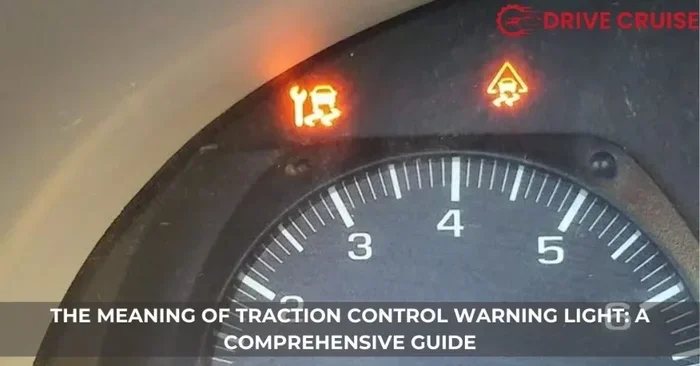
Most modern cars come equipped with a tire pressure monitoring system, commonly known as TPMS. This system uses sensors inside each tire to monitor air pressure in real time. When pressure drops below a safe level, a warning light appears on your dashboard.
The TPMS light looks like a horseshoe shape with an exclamation point in the center. If you see it, do not ignore it. Pull over safely and check your tire pressure as soon as possible.
There are two types of TPMS. Direct TPMS uses physical sensors inside each tire to measure pressure. Indirect TPMS uses the car’s wheel speed sensors to detect when a tire is spinning faster than the others, which happens when it is underinflated. Both systems serve the same purpose: alerting you to low pressure before it becomes a safety issue.
Keep in mind that TPMS is a warning system, not a replacement for regular manual checks. The sensors can fail, batteries can die, and the system may not catch slow leaks until they are significant. Use your tire gauge regularly and do not rely solely on the TPMS light.
When to Reset Your TPMS
After you inflate your tires to the correct pressure, the TPMS light may stay on for a while. In many cars, you can reset the system by pressing a button on the dashboard or steering column. Check your owner’s manual for the specific reset procedure for your vehicle. If the light stays on after a reset, it may indicate a sensor issue that needs professional attention.
Quick Tips for Perfect Tire Inflation Every Time
Here are some quick, practical tips to keep your tires in top shape:
- Check tire pressure once a month. Tires naturally lose about 1 PSI per month. Monthly checks keep you on track.
- Always check when tires are cold. Park the car for at least three hours before checking for the most accurate reading.
- Keep a tire gauge in your car. Do not rely on gas station gauges alone. A personal gauge is more reliable and always available.
- Invest in a portable air compressor. Having one at home means you can top off tires anytime without leaving your driveway.
- Check the valve stems. Damaged or dirty valve stems can cause slow air leaks. Inspect them regularly and replace caps when needed.
- Rotate your tires. Regular tire rotation helps ensure even wear, which works hand in hand with proper inflation.
- Do not forget the valve stem caps. They may seem small, but they protect the valve from dirt and moisture that can cause leaks.
When to Seek Professional Help for Tire Inflation
Most of the time, checking and filling your tires is a DIY task. But there are times when you should visit a professional.
If you notice a tire losing air frequently, there may be a slow leak. This could be caused by a nail, a damaged valve stem, or a small crack in the rim. A tire shop can inspect the tire, find the leak, and perform a tire repair if needed.
If your TPMS light stays on even after you have inflated your tires correctly, the sensor itself may be faulty. Sensors have batteries that eventually die and need replacement. A mechanic can diagnose and replace TPMS sensors quickly and affordably.
Also, if you are unsure about the recommended tire pressure for your specific vehicle, a tire shop or dealership can look it up for you. They can also check your tires for signs of uneven wear caused by pressure issues and recommend the best course of action.
Regular tire inspections as part of your routine car maintenance are always a good idea. Many tire shops offer free pressure checks and visual inspections. Take advantage of these services to keep your tires in excellent condition.
Conclusion
Air filling for car tires is one of the simplest and most impactful things you can do for your vehicle. It takes just a few minutes each month, requires minimal tools, and delivers big benefits. Proper tire pressure keeps you safe on the road, improves your fuel economy, and helps your tires last longer.
Remember the basics. Check your pressure monthly with a reliable gauge. Always check when tires are cold. Follow the recommended PSI from your door jamb sticker. Use the right tools, avoid common mistakes, and do not ignore your TPMS light.
Your tires are the foundation of your car’s performance. Treat them well, and they will reward you with a smoother, safer, and more efficient ride every time you drive. Start today. Grab a tire gauge, check your pressure, and make proper tire inflation a regular part of your car care routine.
Frequently Asked Questions
How often should I check my tire pressure?
You should check your tire pressure at least once a month. Tires naturally lose about 1 PSI per month, and pressure can also drop with seasonal temperature changes. A monthly check keeps your tires at the right level and helps you catch slow leaks early.
What is the recommended tire pressure for my car?
The recommended tire pressure is listed on a sticker on the driver’s side door jamb. It is also in your owner’s manual. Never use the number on the tire sidewall, as that is the maximum pressure the tire can handle, not the pressure your car needs.
Can I use a gas station air pump to fill my tires?
Yes, gas station air pumps work well for filling tires. However, their built-in gauges are not always accurate. Use the station pump to add air, then verify the pressure with your own tire gauge for the most accurate reading.
Is it safe to drive on slightly underinflated tires?
Even slightly underinflated tires are not ideal. They reduce fuel economy, cause uneven wear, and increase the risk of a blowout. If you notice your tires are low, fill them to the correct recommended tire pressure as soon as possible.
Do I need to check my spare tire pressure?
Yes, you should check your spare tire at least twice a year. Spare tires often lose air over time, and you do not want to discover a flat spare when you need it most. The recommended pressure for most spares is around 60 PSI, but check your owner’s manual to be sure.
What should I do if my TPMS light stays on after inflating my tires?
First, double-check that all tires are at the correct pressure using your own gauge. If the pressure is correct, the TPMS sensor itself may be faulty or the battery may need replacing. Visit a tire shop or mechanic to diagnose and fix the issue.
=== CONCLUSION ===
Air filling for car tires is a small task that makes a big difference. It keeps you safe, saves you money at the pump, and helps your tires last longer. With the right tools, a little knowledge, and a consistent routine, you can master tire inflation in no time. Start today, and your car and wallet will thank you every mile you drive.