The Fascinating Story of a Car With a Vertical Windshield
A car with a vertical windshield is a unique design where the front glass sits almost straight up and down instead of tilting backward. This bold style shaped early automotive history and still turns heads today. Vertical windshield cars offer a nostalgic look and a glimpse into how far vehicle design has come. Let us explore the story behind this iconic feature.
Have you ever spotted an old car and noticed its front glass stands straight up and down? That is what people call a car with a vertical windshield. It looks striking, a bit unusual, and full of character. This design was once the norm, not the exception. Today, it reminds us of a time when cars were simpler and more raw.
The story of the vertical windshield is more than just a visual curiosity. It tells us about how cars were built, how safety changed, and how style evolved over decades. From early motorcars to modern restorations, the upright windshield left a real mark on automotive history. In this article, we will take a deep dive into this fascinating design feature.
Key Takeaways
- Early car design: The vertical windshield was the default in the early days of motoring, before angled glass became standard.
- Design shift: Engineers later tilted windshields for better aerodynamics, safety, and comfort.
- Classic appeal: Many vintage and retro car fans love the upright glass look for its nostalgic charm.
- Safety evolution: Modern vertical windshield cars use laminated safety glass that early models lacked.
- Iconic models: Several famous cars featured a vertical windshield and left a lasting mark on automotive history.
- Engineering trade-offs: The upright design has both advantages and drawbacks that shaped future vehicle engineering.
- Lasting influence: The vertical windshield concept still inspires modern car designers today.
📑 Table of Contents
What Is a Car With a Vertical Windshield?
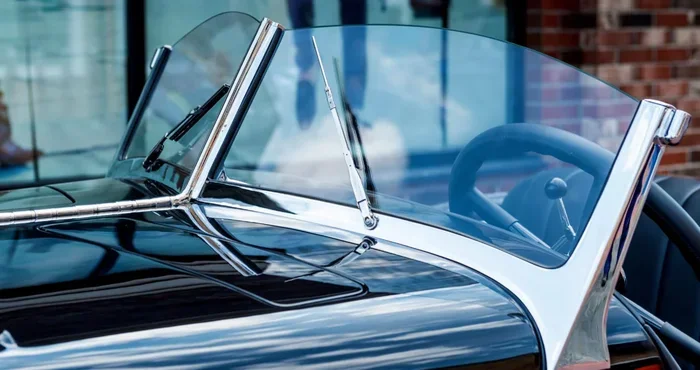
When we talk about a car with a vertical windshield, we mean a vehicle where the front glass is nearly straight up and down. There is little to no tilt or rake. The glass sits perpendicular to the ground, creating a boxy, upright front end. This contrasts with most modern cars, where the windshield tilts backward at an angle.
The upright windshield design was not a mistake. It was simply how early car makers built their vehicles. Back then, engineers had limited tools and materials. A flat, vertical pane of glass was easier to produce and install than a curved, angled one. Over time, this design became a defining look of early motoring.
How It Differs from Tilted Windshields
Most cars today use a sloped windshield that angles backward. This helps with air flow, reduces wind noise, and improves fuel efficiency. A vertical windshield car does none of that by default. The straight-up glass creates more drag and can make the cabin noisier at high speeds. However, it also gives the car a bold, distinctive appearance that many people find charming.
The History Behind the Vertical Windshield Design
The story begins in the late 1800s and early 1900s. The very first cars did not even have windshields. Drivers and passengers dealt with dirt, bugs, and wind directly. As cars grew faster, makers added simple glass panels to protect riders. These early panels stood straight up because that was the easiest shape to manufacture.
By the 1920s and 1930s, cars with a vertical windshield were everywhere. Brands like Ford, Chevrolet, and others used this design across their lineup. The glass was flat and thin. It offered basic protection but not much else. Still, drivers and buyers accepted it without complaint. It was just part of the car experience.
Early Automotive Engineering
In the early days of automotive engineering, the goal was simple. Build a car that works, keep it affordable, and make it reliable. Windshield design was not a big focus. Car manufacturing processes were basic. Curved or angled glass required more complex tools and higher costs. So the vertical glass panel won out by default.
As roads improved and cars got faster, people began to notice problems. Wind noise increased. The upright glass caused glare from the sun. Rain and debris hit the glass directly. These issues slowly pushed engineers to rethink the design. But the change did not happen overnight.
Why Did Car Makers Choose a Vertical Windshield?
There were several practical reasons why early car makers stuck with the upright windshield design. Understanding these reasons helps us appreciate why the design looked the way it did and how it shaped early vehicle culture.
Ease of Production
Flat glass was easy to make. In the early 1900s, glass production was still developing. A vertical pane required fewer steps and less specialized equipment. Car factories could produce these panels quickly and cheaply. This kept the overall cost of the vehicle down, which mattered a lot to buyers in those days.
Structural Simplicity
A vertical windshield also meant a simpler car body. The frame around the glass was straightforward to build. There were no complex angles or curves to worry about. This simplicity helped car makers scale up production during the early mass-market era. It was a practical choice driven by manufacturing limits.
Aesthetic Preferences of the Era
Design tastes have always shifted with the times. In the early 20th century, boxy and angular shapes were popular. People saw cars as functional machines, not style statements. The upright windshield fit perfectly with the overall look of these vehicles. It gave cars a sturdy, no-nonsense appearance that matched the industrial spirit of the age.
Famous Cars With a Vertical Windshield
Several well-known vehicles featured a vertical windshield and became icons of their time. These cars are now highly sought after by collectors and enthusiasts who love vintage automobile design.
The Ford Model T
The Ford Model T is perhaps the most famous example. Early versions of this car had a flat vertical windshield that was small and basic. As the model evolved, Ford added slightly larger glass panels. But the overall upright look remained. The Model T helped put America on wheels, and its simple design played a big role in that success.
The 1930s Chevrolet Master Series
Chevrolet’s Master Series from the early 1930s also used a nearly vertical front glass. These cars were popular for their durability and value. The upright windshield gave them a clean, honest look that many buyers appreciated. Today, these models are prized by classic car collectors around the world.
Other Notable Models
Many other cars from the 1920s through the 1940s used this design. The retro car design of these early vehicles is now celebrated in car shows and museums. Some restored models even keep the original vertical glass to maintain historical accuracy. This commitment to authenticity shows how much the vertical windshield matters to car history.
The Pros and Cons of a Vertical Windshield
Like any design choice, the upright windshield design has its strengths and weaknesses. Let us look at both sides so we can understand why it eventually gave way to angled glass.
Advantages of a Vertical Windshield
- Simple construction: Flat glass is easier to produce and replace.
- Clear sightlines: The upright position can offer a direct, unobstructed view of the road ahead.
- Classic look: Many people find the vertical design visually appealing and full of character.
- Lower cost: Less complex manufacturing keeps the price down.
- Easy to repair: Flat glass panels are simpler to source and install than curved ones.
Disadvantages of a Vertical Windshield
- More wind noise: The straight-up glass creates a flat surface for wind to hit, making the cabin louder.
- Higher drag: A vertical panel increases air resistance, which can hurt fuel efficiency.
- Glare issues: Sunlight hits the glass directly, causing more glare for the driver.
- Less structural strength: Without proper angles, the glass bears more direct force in a collision.
- Reduced visibility in rain: Rain hits the glass straight on and does not slide off as easily.
Safety Considerations
Safety was not a major concern in early car design. Early vertical windshield cars used thin, brittle glass that shattered easily. Today, all car windshields use safety glass windshield technology. This includes laminated glass that holds together when broken. Modern restorations of vintage cars often upgrade the original glass to meet current safety standards.
How the Vertical Windshield Shaped Modern Car Design
The move from a vertical to a tilted windshield was a turning point in car design evolution. This shift did not happen all at once. It was driven by new materials, better engineering, and changing consumer expectations.
The Shift to Angled Windshields
By the late 1930s and 1940s, car makers began experimenting with sloped windshields. The Chrysler Airflow in 1934 was a landmark moment. It featured a curved windshield that tilted backward. This design reduced drag and improved cabin comfort. Other brands took notice, and the angled windshield slowly became the new standard.
As vehicle aerodynamics became more important, the vertical windshield faded from mainstream use. Engineers learned that the angle of the glass affected how air flowed over the car. A tilted windshield helped cars move more smoothly through the air, saving fuel and reducing noise. These benefits were too good to ignore.
The Vertical Windshield in Modern Times
Today, you rarely see a true vertical windshield on a new production car. However, the design has not disappeared entirely. Some concept cars and electric vehicles experiment with panoramic windshield designs that stretch from pillar to pillar. While these are not strictly vertical, they echo the spirit of the upright glass panel.
Restoration enthusiasts also keep the tradition alive. Many owners of classic car features insist on using original-style vertical glass. They believe it preserves the authentic look and feel of the vehicle. This passion for history ensures that the vertical windshield remains a valued part of car culture.
Expert Insights
According to automotive historians, the shift from vertical to angled windshields was one of the most significant changes in car design. It was not just about looks. It reflected a deeper shift in how people thought about vehicles. Cars became more than transportation. They became experiences. The upright windshield was a product of its time, and its story reminds us that design always evolves.
Quick Tips for Buying a Car With a Vertical Windshield
- Check the glass quality: Original thin glass may need upgrading for safety. Look for models that use modern laminated glass.
- Inspect the frame: The metal around the windshield can rust over time. Have a professional check for corrosion.
- Test visibility: The upright position may cause more glare. Try driving the car in different lighting conditions.
- Verify authenticity: If buying a restored model, confirm that the vertical glass matches the original design.
- Plan for maintenance: Flat glass panels are easier to replace, but sourcing vintage sizes can be tricky.
Common Mistakes to Avoid
- Ignoring safety upgrades: Do not assume old glass meets modern standards. Always upgrade to safety glass.
- Overlooking wind noise: A vertical windshield can make highway driving uncomfortable. Test drive before buying.
- Assuming all vintage cars are the same: Different eras and brands used different glass styles. Research the specific model.
- Skipping professional inspection: Always have a classic car expert examine the vehicle before purchase.
Conclusion
The story of a car with a vertical windshield is a story of innovation, simplicity, and evolution. From the earliest motorcars to the iconic models of the 1920s through 1940s, the upright glass panel defined an era. It was practical, affordable, and perfectly suited to the manufacturing capabilities of its time.
As car design advanced, the vertical windshield gave way to angled and curved glass. Engineers found better ways to reduce drag, improve safety, and enhance comfort. Yet the vertical design never truly vanished. It lives on in restored classics, car museums, and the hearts of enthusiasts who appreciate its raw, honest character.
Understanding the history of the vertical windshield car gives us a deeper appreciation for how far automotive design has come. Every design choice tells a story. The upright windshield tells a story of a time when cars were new, roads were rough, and the future of motoring was wide open. That story is well worth remembering.
If you ever see a car with a straight-up front glass on the road or at a show, take a closer look. You are seeing a piece of history. The car with a vertical windshield may be simple in design, but its impact on automotive history is anything but simple. It is a reminder that great design often starts with the most straightforward solutions.
Frequently Asked Questions
What is a car with a vertical windshield called?
A car with a vertical windshield is often referred to as having an upright windshield design. In the early days of motoring, this was simply the standard design. Today, it is associated with vintage and classic cars from the 1920s through the 1940s.
Why did old cars have vertical windshields?
Old cars had vertical windshields because flat glass was easy and cheap to produce. Manufacturing technology was limited, and a straight-up panel required fewer resources. It was a practical choice that became the default design for early motor vehicles.
Are vertical windshield cars safe by modern standards?
Original vertical windshield cars used thin, brittle glass that was not very safe. Modern safety glass technology, including laminated glass, did not exist in those early years. Today, restored vintage cars often upgrade to modern safety glass to meet current standards.
Do any modern cars still use a vertical windshield?
True vertical windshields are very rare in modern production cars. However, some concept vehicles and electric cars experiment with large, nearly upright glass panels. These designs pay homage to the classic look while using modern materials and technology.
What are the benefits of a vertical windshield?
The benefits include simpler construction, lower production cost, clear sightlines, and a classic, distinctive appearance. Flat glass panels are also easier to source and replace compared to curved or angled glass.
How can I maintain the windshield on a vintage car?
Regular cleaning with gentle products helps preserve the glass. Check the rubber seals around the windshield for cracks or wear. If the original glass is thin or damaged, consider upgrading to modern laminated safety glass for better protection and longevity.