Are Maseratis Bad Cars or Are They Really Worth It
Are Maseratis bad cars? The answer is not a simple yes or no. Maseratis offer stunning design, powerful engines, and a thrilling driving experience that few brands can match. However, they also come with high repair costs, frequent reliability issues, and expensive maintenance that can catch owners off guard. This guide breaks down everything you need to know before buying one.
So, are Maseratis bad cars? That is a question that sparks heated debates among car enthusiasts and everyday buyers alike. The truth is, Maseratis sit in a fascinating spot in the automotive world. They are not the worst cars you can buy, but they are certainly not the easiest to own either.
Are Maseratis bad cars or are they misunderstood machines that deserve a fairer reputation? The answer depends on what you value in a car. If you prioritize reliability and low ownership costs, a Maserati might frustrate you. But if you crave Italian design, throaty engine sounds, and a sense of exclusivity, few cars can match the experience.
In this article, we will dive deep into the world of Maserati ownership. We will look at common problems, real costs, reliability data, and expert opinions. By the end, you will have a clear picture of whether a Maserati fits your lifestyle and budget. Let us get into it.
Key Takeaways
- Maseratis are not inherently bad cars: They deliver a unique luxury experience with powerful engines and elegant Italian design that many car enthusiasts love.
- Repair costs are significantly higher than average: Parts are expensive and specialized, and finding qualified mechanics can be a challenge.
- Reliability ratings lag behind competitors: Maseratis tend to score lower than German luxury brands like BMW and Mercedes in long-term reliability studies.
- Depreciation hits hard: Maseratis lose value faster than many other luxury brands, which affects resale value.
- Ownership costs go beyond the purchase price: Insurance, maintenance, and repairs add up quickly over time.
- The right buyer can find great value: If you understand the costs and buy used wisely, a Maserati can be a rewarding ownership experience.
📑 Table of Contents
What Makes Maseratis So Special
Before we talk about the downsides, it is important to understand why people fall in love with Maseratis in the first place. These cars are not just machines. They are statements of style, taste, and passion for driving.
The Italian Luxury Experience
Maserati is an Italian luxury brand with a rich history dating back to 1914. The company has always focused on blending performance with elegance. When you sit inside a Maserati, you notice the fine leather, the premium materials, and the attention to detail that mass-market brands simply cannot replicate.
The driving experience is another area where Maseratis shine. The engines are tuned for a smooth yet powerful ride. The steering feels connected to the road. The exhaust note is music to the ears of any car lover. These are sensory experiences that you cannot get from a spreadsheet or a reliability rating.
Popular Maserati Models
Maserati has produced several memorable models over the years. Here are some of the most well-known ones:
- Maserati Ghibli: A sporty sedan that offers a great balance of luxury and performance.
- Maserati Quattroporte: The flagship sedan with a more refined and spacious interior.
- Maserati Levante: A luxury SUV that combines Maserati styling with everyday practicality.
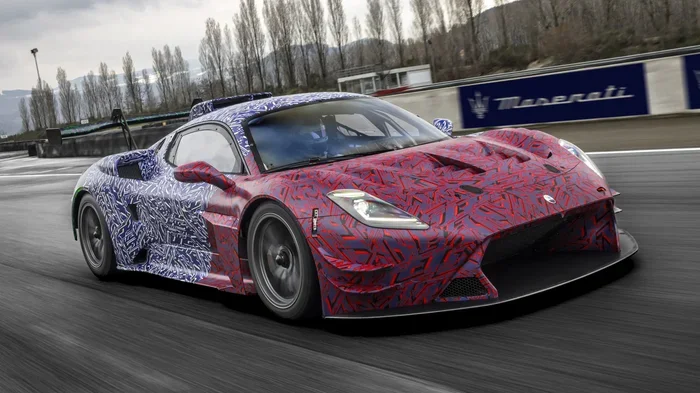
- Maserati MC20: A mid-engine supercar that showcases Maserati’s performance pedigree.
- Maserati GranTurismo: A grand tourer known for its comfort and long-distance cruising ability.
Each model brings its own personality, but they all share that unmistakable Maserati DNA. The design language, the sound, and the driving feel are consistent across the lineup.
Common Maserati Problems Owners Face
Now let us address the elephant in the room. Why do so many people ask, “are Maseratis bad cars?” The answer often lies in the common problems that owners report over time. Understanding these issues is essential before you make a purchase decision.
Engine and Electrical Issues
Maseratis use complex engines and electrical systems that can develop problems as the car ages. Some owners have reported issues with the turbochargers, fuel injectors, and sensor failures. Electrical gremlins, such as flickering dashboards or malfunctioning infotainment systems, are also commonly reported.
These problems are not unique to Maserati. Many high-performance luxury cars face similar challenges. However, the cost to fix them on a Maserati tends to be higher than on more mainstream brands. A simple sensor replacement might cost several hundred dollars, while the same part on a Honda might cost a fraction of that.
Maintenance and Repair Challenges
One of the biggest headaches with Maserati ownership is finding a qualified mechanic. Not every shop has the expertise or the specialized tools needed to work on these vehicles. This means you may need to drive long distances to find a reputable Maserati specialist.
Routine maintenance tasks also cost more than you might expect. An oil change on a Maserati can run significantly higher than on a standard sedan. Brake jobs, suspension work, and engine repairs all carry a premium price tag. Over time, these costs add up quickly and can surprise owners who did not budget for them.
Interior Wear and Quality Concerns
While the initial interior looks stunning, some owners report that the materials do not hold up as well as they expected over the years. Leather can crack, electronics can fail, and small plastic trim pieces can rattle or break. This is not true for every Maserati, but it is a pattern that appears in owner reviews and forums.
How Much Does It Cost to Own a Maserati
The purchase price is only the beginning when it comes to Maserati ownership costs. If you are seriously considering one, you need to understand the full financial picture.
Purchase Price and Depreciation
New Maseratis range from around $60,000 for an entry-level Ghibli to well over $200,000 for a top-of-the-line MC20. However, the depreciation curve is steep. Maseratis lose value faster than many competitors from BMW, Audi, and Mercedes-Benz.
Within the first three years, a new Maserati can lose 40% or more of its original value. This is a significant factor to consider. While the upfront cost might seem manageable, the rapid depreciation means you are essentially paying a premium for a car that will be worth much less in just a few years.
Insurance and Ongoing Expenses
Insurance premiums for Maseratis tend to be higher than for average vehicles. The car’s value, its performance capabilities, and the cost of repairs all factor into the insurance equation. Expect to pay more each month compared to a similar-sized sedan from a mainstream brand.
Beyond insurance, fuel costs can also add up. Maseratis are not known for fuel efficiency. The powerful engines consume more gasoline, and with fuel prices fluctuating, this is an ongoing expense that owners need to factor in.
| Expense Category | Estimated Annual Cost | Notes |
|---|---|---|
| Insurance | $2,000 – $4,000 | Varies by model and driver history |
| Maintenance | $1,500 – $3,000 | Higher than average for luxury cars |
| Fuel | $2,000 – $3,500 | Depends on driving habits and model |
| Repairs | $1,000 – $5,000+ | Can spike with major issues |
| Depreciation | $8,000 – $20,000+ | Steep in first 3 years |
As you can see, the numbers add up fast. This does not mean you should avoid Maseratis entirely, but you should go in with open eyes about what ownership really costs.
Maserati Reliability: What the Data Says
When people ask, “are Maseratis bad cars,” reliability data often plays a big role in shaping their opinion. Let us look at what the numbers actually tell us.
Consumer Reports and Owner Surveys
Maserati has consistently ranked below average in reliability surveys conducted by organizations like Consumer Reports and J.D. Power. These rankings consider factors like powertrain durability, electrical system dependability, and overall owner satisfaction over time.
It is worth noting that newer models have shown improvement in some areas. Maserati has invested in better engineering and quality control in recent years. However, the brand still trails behind established luxury brands when it comes to long-term reliability.
Comparing Maserati to Other Luxury Brands
To put things in perspective, here is a general comparison of how Maserati stacks up against other luxury brands in terms of reliability and ownership costs:
- Maserati vs. BMW: BMWs tend to be more reliable and have a wider network of service centers. Repair costs are still high but generally more predictable.
- Maserati vs. Mercedes-Benz: Mercedes offers a similar luxury experience with slightly better reliability ratings and more accessible parts.
- Maserati vs. Lexus: Lexus dominates in reliability. If low maintenance costs are your priority, Lexus is the clear winner.
- Maserati vs. Porsche: Porsches offer better reliability and hold their value better, though they also come with high ownership costs.
These comparisons are not meant to bash Maserati. Each brand has its strengths and weaknesses. But if reliability and ownership cost are your top priorities, Maserati is not the strongest choice in the luxury segment.
Who Should Buy a Maserati (and Who Should Not)
Not everyone is a good fit for Maserati ownership. Understanding whether you fall into the right category can save you a lot of frustration and money.
The Ideal Maserati Owner
The best Maserati owner is someone who:
– Loves driving and appreciates the sensory experience of a premium Italian sports car
– Has a budget that comfortably absorbs higher-than-average maintenance and repair costs
– Buys a used model rather than a brand-new one to minimize depreciation pain
– Values exclusivity and design over practicality and resale value
– Lives near or has access to a qualified Maserati service center
If this sounds like you, a Maserati can be an incredibly rewarding car to own. The driving thrill, the head-turning design, and the sense of prestige are real benefits that go beyond numbers on a spreadsheet.
When a Maserati Might Not Be Right for You
On the flip side, you might want to reconsider a Maserati if:
– You need a dependable daily driver with minimal downtime
– You have a tight budget for ongoing ownership costs
– You plan to sell the car within a few years and want to minimize depreciation loss
– You live far from a Maserati dealer or specialist mechanic
– You prioritize fuel efficiency and low running costs
For these buyers, brands like Lexus, BMW, or even a well-maintained used Mercedes might offer a better overall value proposition. There is no shame in choosing a different car. The best car is the one that fits your life and needs.
The Verdict: Are Maseratis Bad Cars
So, after all of this, are Maseratis bad cars? The honest answer is no. They are not bad cars. They are complex, expensive, and sometimes frustrating machines that deliver an unforgettable driving experience for those willing to accept the trade-offs.
Are Maseratis bad cars for the average buyer who wants worry-free transportation? Probably yes. The high costs, reliability concerns, and maintenance challenges make them a poor choice for someone who just needs a reliable way to get from point A to point B.
But for enthusiasts who understand what they are getting into, a Maserati can be a source of joy and pride for years. The key is to go in with realistic expectations, budget for the extra costs, and choose your model and year carefully.
If you are on the fence, consider buying a used Maserati with a solid maintenance history. This lets you enjoy the experience at a lower price point while minimizing the depreciation hit. Just make sure you get a thorough pre-purchase inspection from a qualified mechanic who knows Maseratis well.
Ultimately, the question is not simply “are Maseratis bad cars.” The real question is whether a Maserati aligns with your priorities, budget, and lifestyle. If it does, you might just find that the ownership experience is worth every penny.
Take your time, do your research, test drive multiple models, and make an informed decision. The right car is out there for you, whether it has the Maserati trident on the front or not.
Frequently Asked Questions
Are Maseratis expensive to maintain?
Yes, Maseratis are generally more expensive to maintain than most other brands. Parts are specialized, labor costs are higher, and finding a qualified mechanic can add to the expense. Routine maintenance alone costs significantly more than on a mainstream vehicle.
How reliable are Maseratis compared to other luxury brands?
Maseratis tend to rank below average in reliability compared to brands like Lexus, BMW, and Mercedes-Benz. However, newer models have shown improvement, and individual experiences can vary based on the specific model and how well the car has been maintained.
Is it better to buy a new or used Maserati?
Buying a used Maserati is generally the smarter financial choice. New Maseratis depreciate rapidly in the first few years, so purchasing a well-maintained used model lets you enjoy the car while avoiding the steepest depreciation curve.
What is the most reliable Maserati model?
The Maserati Ghibli and Quattroporte tend to have better reliability track records compared to some other models. However, no Maserati is known for exceptional reliability. Regular maintenance and timely repairs play a big role in how well any Maserati ages.
Can you use a regular mechanic for Maserati repairs?
It is not recommended. Maseratis require specialized knowledge and tools. While a general mechanic can handle basic services, complex repairs and diagnostics are best left to Maserati specialists or certified technicians who are familiar with the brand.
Are Maseratis a good investment?
Maseratis are not good financial investments. They depreciate quickly and have high ownership costs. However, they can be excellent investments in terms of personal enjoyment and driving experience for those who value the thrill of Italian luxury performance cars.
=== CONCLUSION ===
Are Maseratis bad cars? The answer is nuanced and depends entirely on your expectations and circumstances. Maseratis are not bad cars by any stretch. They are beautiful, powerful, and exciting machines that deliver a driving experience unlike anything else in their price range. But they come with significant ownership costs, reliability concerns, and maintenance challenges that every potential buyer should understand.
If you are an enthusiast who values the driving experience above all else and you have the budget to support that passion, a Maserati can be a fantastic choice. Just go in with your eyes open, budget for the extra costs, and commit to proper maintenance.
For everyone else, there are plenty of excellent luxury cars that offer a better balance of performance, reliability, and ownership cost. The automotive world is full of options, and the best car is always the one that fits your life the best.
Now that you have all the information, you are well-equipped to make a confident decision. Whether you choose a Maserati or another luxury brand, the most important thing is to enjoy the drive.