How Many Hours Do Toyota Employees Work Every Week
Toyota employees typically work between 40 and 60 hours per week, depending on their role, location, and production schedule. Factory workers often follow rotating shift patterns that include nights and weekends, while office employees stick to standard full-time hours. Understanding Toyota’s work schedule helps you make informed decisions about employment at Toyota and what to expect from the Toyota work environment.
Key Takeaways
- Standard full-time hours: Most Toyota employees work around 40 hours per week in a regular schedule.
- Factory shifts run longer: Production line workers often work 10-12 hour shifts, especially during peak manufacturing periods.
- Overtime is common: Many Toyota workers put in extra hours, which can push weekly totals to 50-60 hours or more.
- Shift patterns vary by role: Office staff, engineers, and factory workers all have different Toyota employee schedules.
- Benefits offset the hours: Toyota offers competitive pay and benefits that reflect the demands of the Toyota work schedule.
- Work-life balance differs by department: Some roles offer more flexibility than others within the Toyota labor hours structure.
📑 Table of Contents
- How Many Hours Do Toyota Employees Work Every Week?
- Standard Work Hours at Toyota
- Factory and Production Line Hours
- Overtime and Extra Hours
- Toyota Employee Schedule by Role
- Benefits That Compensate for Long Hours
- Tips for Managing Your Toyota Work Schedule
- How Toyota’s Reputation for Durability Connects to Employee Dedication
- Final Thoughts on Toyota Employee Hours
How Many Hours Do Toyota Employees Work Every Week?
If you are thinking about joining Toyota, one of the first questions you will probably ask is: how many hours do Toyota employees work every week? The answer is not as simple as a single number. It depends on whether you are working on the factory floor, in an office, or in a specialized technical role.
Toyota is one of the largest automakers in the world. With thousands of employees across the globe, the Toyota work schedule varies quite a bit. Some workers put in standard 40-hour weeks. Others work rotating shifts that can stretch well beyond that. Let us break it all down so you know exactly what to expect.
The Toyota employee schedule is designed to keep production running smoothly. Whether you are building vehicles or managing projects behind a desk, your hours will reflect the needs of the business. Below, we cover everything from standard shifts to overtime, so you get a full picture of what employment at Toyota really looks like.
Standard Work Hours at Toyota
For most salaried and office-based Toyota employees, the standard work week looks a lot like any other corporate job. You will likely work 40 hours per week, spread across five eight-hour days. This is the baseline for roles in management, engineering, administration, and sales.
However, even within standard hours, there is variation. Some departments run on compressed schedules. Others allow flexible start times. The key is that Toyota full-time hours generally fall in the 40-hour range for non-production roles.
What Does a Typical Office Day Look Like?
Most office workers at Toyota start around 8 or 9 AM and finish by 5 or 6 PM. Lunch breaks are usually an hour long. You will find that Toyota office hours are fairly predictable compared to factory roles. There is less shift swapping and more consistency.
If you are coming from another automaker or a different industry, the Toyota work environment for office staff tends to be structured but not overly rigid. You get a clear schedule, and most teams respect work-life boundaries during the standard week.
Factory and Production Line Hours
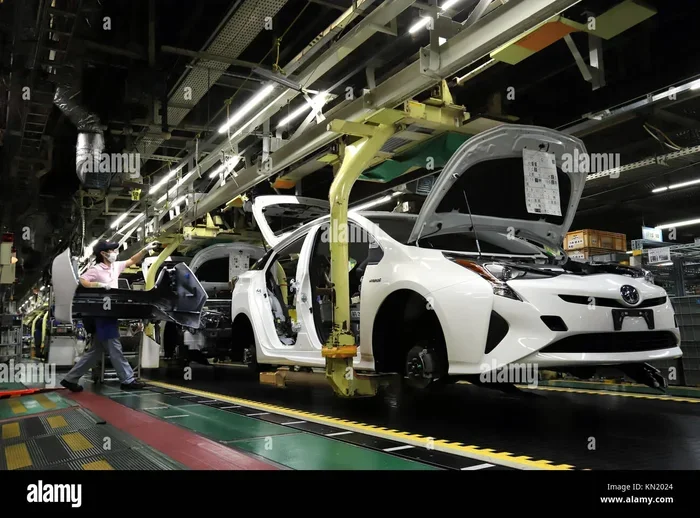
This is where things get different. Toyota factory workers often work in shifts that are longer than the standard eight hours. Many production line employees work 10 to 12 hour shifts, especially at plants that run multiple shifts per day.
The reason is simple. Toyota manufacturing facilities need to keep assembly lines running around the clock. To do that, they split the day into shifts. Each shift covers a portion of the 24-hour cycle. This means your Toyota shift work schedule might look very different from a typical nine-to-five job.
Common Shift Patterns
Toyota plants commonly use one of these shift structures:
- Day shift: Usually 6 AM to 4:30 PM or 7 AM to 5:30 PM. This is the most common starting point for new hires.
- Swing shift: Typically 3 PM to 1 AM or 4 PM to midnight. Workers on this shift pick up where the day shift leaves off.
- Night shift: Often 11 PM to 7:30 AM or midnight to 8:30 AM. Night shift workers keep the line running through the early morning hours.
Some facilities use a rotating shift pattern where employees cycle through day, swing, and night shifts on a weekly or biweekly basis. This can be tough on your body clock at first, but most workers adjust over time.
How Many Hours Per Shift?
Most Toyota production shifts run for 10 hours, including a short break. Over a five-day work week, this adds up to 50 hours. Some plants run four 10-hour shifts instead of five, giving workers an extra day off each week. This is a popular Toyota manufacturing schedule because it balances productivity with personal time.
During busy production periods, shifts can extend further. Overtime becomes mandatory or strongly encouraged. We will cover overtime in more detail below.
Overtime and Extra Hours
Overtime at Toyota is a reality for many employees, especially those on the production floor. When demand for vehicles spikes, or when new models are being prepared for launch, the Toyota labor hours increase significantly.
Overtime pay is typically 1.5 times your regular hourly rate for hours worked beyond 40 in a week. This is standard under U.S. labor laws, and Toyota follows these rules closely. Some roles may also offer double-time pay for working on holidays or during particularly demanding periods.
How Much Overtime Is Common?
It varies by plant and time of year. During peak production months, some factory workers put in an extra 10 to 20 hours per week. Over the course of a year, the average Toyota employee work week lands somewhere between 40 and 50 hours for most roles.
For office workers, overtime is less frequent but still possible. Project deadlines, year-end reporting, and model launch preparations can all require extra hours. However, Toyota overtime for salaried staff is generally more manageable than on the factory floor.
Does Overtime Affect Your Pay?
Absolutely. If you work Toyota hourly shifts that include regular overtime, your paycheck will reflect it. Many production workers prefer the extra hours because it means more income. Some workers even seek out overtime-heavy roles specifically to boost their earnings.
That said, too much overtime can wear you down. It is important to find a balance that works for your health and personal life. Toyota does offer Toyota employee benefits that help offset the demands of longer hours, including paid time off and health coverage.
Toyota Employee Schedule by Role
Not every Toyota worker follows the same Toyota employee schedule. Your hours depend largely on what role you hold. Here is a closer look at how different positions break down.
| Role Type | Typical Weekly Hours | Shift Structure | Overtime Frequency |
|---|---|---|---|
| Office / Admin | 40 hours | Standard 9-to-5 | Low |
| Production Line Worker | 40-60 hours | Rotating or fixed 10-hour shifts | Moderate to High |
| Engineer / Technical | 40-50 hours | Standard with occasional overtime | Moderate |
| Management / Supervisory | 40-55 hours | Standard with on-call duties | Moderate |
| Quality Control | 40-50 hours | Shift-based or standard | Moderate |
As you can see, the range is wide. A factory worker on a rotating night schedule might work very different hours than a project manager in a corporate office. Both are Toyota employees, but their weekly hours at Toyota reflect their specific responsibilities.
Benefits That Compensate for Long Hours
Toyota understands that long hours demand fair compensation. That is why the company offers a strong benefits package designed to support employees who work demanding Toyota shift schedules.
Here are some of the key benefits that help balance out the Toyota work hours:
- Competitive hourly wages and salaries: Toyota pays above-average rates for manufacturing roles. Many workers earn more than the industry standard, especially when overtime pay at Toyota is factored in.
- Health and wellness coverage: Medical, dental, and vision plans are available for eligible employees and their families.
- Retirement savings: Toyota offers 401(k) plans with company matching contributions.
- Paid time off: Vacation days, sick leave, and holidays help workers recharge after long stretches of shifts.
- Employee discounts: Toyota team members often receive discounts on vehicle purchases, which can help with the down payment on a car if you are saving up. In fact, many Toyota employees take advantage of these savings when they decide to buy a vehicle, similar to how much you should put down on a car to keep your budget healthy.
- Career development programs: Training and advancement opportunities help employees grow within the company.
These benefits make Toyota employment attractive even for roles that require longer hours. The combination of solid pay, overtime opportunities, and strong benefits creates a package that many workers find worthwhile.
How Do Toyota Hours Compare to Other Automakers?
Toyota’s work schedule for Toyota employees is fairly standard compared to other major automakers. Most factories in the industry run similar shift structures. The biggest difference often comes down to company culture and how overtime is managed.
Toyota is known for its Toyota production system, which emphasizes efficiency and respect for workers. This philosophy extends to how the company handles schedules. Rather than pushing workers to their limits, Toyota tries to build sustainable routines that support long-term employment.
That said, the hours can still be demanding, especially during high-production periods. If you are comparing Toyota to other manufacturers, the Toyota employee work week is competitive and fair by industry standards.
Tips for Managing Your Toyota Work Schedule
Whether you are a new hire or considering a role at Toyota, here are some practical tips to help you manage your Toyota work schedule effectively.
- Know your shift in advance. Request your schedule as early as possible so you can plan your personal life around work.
- Prioritize sleep. If you work night or rotating shifts, a consistent sleep routine is essential. Your body will thank you.
- Track your overtime hours. Keep a personal log so you can verify that your paycheck matches the hours you actually worked.
- Use your time off wisely. Toyota offers paid leave. Take advantage of it to rest and recharge.
- Stay connected with coworkers. The Toyota work environment is strongest when teams support each other through tough shifts.
- Communicate with your supervisor. If your Toyota labor hours are becoming unsustainable, speak up. Management can often help adjust your schedule.
These tips may seem simple, but they make a real difference. Workers who actively manage their Toyota shift patterns tend to be happier and more productive over the long haul.
How Toyota’s Reputation for Durability Connects to Employee Dedication
Toyota is famous for building vehicles that last for hundreds of thousands of miles. Many Toyota cars last well over 200,000 miles with proper maintenance. This reputation for durability is no accident. It reflects the dedication and hard work of the employees who build every vehicle.
When you think about how many hours Toyota employees put in each week, it makes sense. The same attention to detail and commitment that goes into a long-lasting vehicle also goes into the work schedule that keeps the production lines running. Whether you are assembling an engine or reviewing quality reports, your effort contributes to the miles a Toyota car can last.
In fact, if you are a Toyota employee or enthusiast who wants to understand how long the vehicles you build can endure, it is worth exploring how many miles a car can last and what factors contribute to that longevity. Just as the Toyota work ethic drives long hours on the job, it also drives the engineering that makes Toyota vehicles reliable for years to come.
The connection between employee dedication and vehicle durability is real. Every hour spent on the job, every shift worked, and every detail checked contributes to the final product. That is something to be proud of when you clock in each week.
Final Thoughts on Toyota Employee Hours
So, how many hours do Toyota employees work every week? The honest answer is: it depends on your role, your location, and the current production demands. Most employees fall somewhere between 40 and 60 hours per week. Factory workers often work longer shifts with more overtime, while office staff generally stick to a standard 40-hour week.
What remains consistent across all roles is that Toyota values its workforce. The company offers competitive pay, strong benefits, and career growth opportunities that make the hours worthwhile. Whether you are interested in Toyota factory jobs or a corporate role, understanding the Toyota work schedule before you apply will help you set the right expectations.
If you are exploring career options at Toyota, take the time to learn about the specific role you are interested in. Ask about shift patterns during the interview process. Understanding the Toyota employee hours upfront will help you decide if the position is the right fit for your lifestyle and goals.
The bottom line is clear. Toyota employees work hard, and the hours reflect that dedication. But the company also invests in its people. That balance between effort and support is what makes working at Toyota a solid choice for so many people.
Frequently Asked Questions
How many hours does a typical Toyota factory worker work per week?
A typical Toyota factory worker works between 40 and 60 hours per week. This usually involves 10-hour shifts over four or five days, depending on the plant’s schedule and production needs. Overtime can push the total higher during busy periods.
Does Toyota pay overtime for hours worked beyond 40?
Yes, Toyota follows U.S. labor laws and pays overtime at 1.5 times the regular hourly rate for hours worked beyond 40 in a week. Some roles may also qualify for double-time pay during holidays or peak production periods.
Are Toyota office hours different from factory hours?
Yes, office-based Toyota employees generally work a standard 40-hour week with consistent hours, while factory workers often follow shift schedules that include nights, weekends, and longer daily shifts.
What is the shift structure like at Toyota manufacturing plants?
Toyota plants typically run day, swing, and night shifts. Many workers follow a rotating schedule that cycles through these shifts, while others may be assigned to a fixed shift depending on their role and the plant’s needs.
How does Toyota support employees who work long hours?
Toyota offers competitive pay, overtime opportunities, health benefits, retirement plans, paid time off, and employee discounts. These benefits are designed to support workers who put in demanding hours on the job.
Can I expect a predictable schedule if I work at Toyota?
Office roles at Toyota tend to have very predictable schedules. Factory roles may involve rotating shifts or overtime that can affect predictability, but most workers receive their schedules well in advance.