How Long Should a Toyota Radiator Last on Average
A Toyota radiator should last between 8 and 10 years or roughly 150,000 miles under normal driving conditions. However, factors like driving habits, climate, and maintenance routines can shorten or extend that lifespan significantly. This guide breaks down everything you need to know about Toyota radiator longevity, replacement signs, and cost-saving tips.
Your Toyota radiator works hard every time you turn the key. It keeps your engine from overheating by circulating coolant through the engine block and dissipating heat through the fins. But like every car part, it doesn’t last forever. So how long should a Toyota radiator last before you need to replace it?
The short answer is that most Toyota radiators last between 8 and 10 years, or around 150,000 miles. But that’s just the average. Your actual experience depends on several factors, including how you drive, where you live, and how well you maintain your cooling system. In this article, we’ll walk you through everything you need to know about Toyota radiator lifespan, from early warning signs to replacement costs and prevention tips.
Whether you drive a Toyota Camry, a Corolla, or a Highlander, understanding your radiator’s lifespan helps you avoid costly repairs and keep your car running smoothly. Let’s dive in and explore what affects radiator longevity and how you can get the most miles out of yours.
Key Takeaways
- Average Lifespan: Most Toyota radiators last 8-10 years or 150,000 miles with proper care.
- Watch for Warning Signs: Overheating, coolant leaks, and rust are clear indicators your radiator needs attention.
- Maintenance Matters: Regular coolant flushes and inspections can extend radiator life by several years.
- Replacement Costs Vary: Expect to pay between $300 and $1,200 depending on your Toyota model and labor costs.
- Climate Plays a Role: Extreme heat and cold both accelerate radiator wear and reduce cooling system efficiency.
- Don’t Ignore Small Leaks: Even minor coolant leaks can lead to major engine damage if left unchecked.
- OEM vs Aftermarket: Original equipment radiators often outlast cheaper aftermarket alternatives.
📑 Table of Contents
- Understanding Your Toyota Radiator and Cooling System
- How Long Should a Toyota Radiator Last on Average
- Factors That Affect Toyota Radiator Lifespan
- Signs Your Toyota Radiator Needs Replacement
- Toyota Radiator Replacement Cost and Process
- Tips to Extend Your Toyota Radiator Life
- Common Mistakes That Shorten Radiator Life
- When to Seek Professional Help
- Final Thoughts
Understanding Your Toyota Radiator and Cooling System
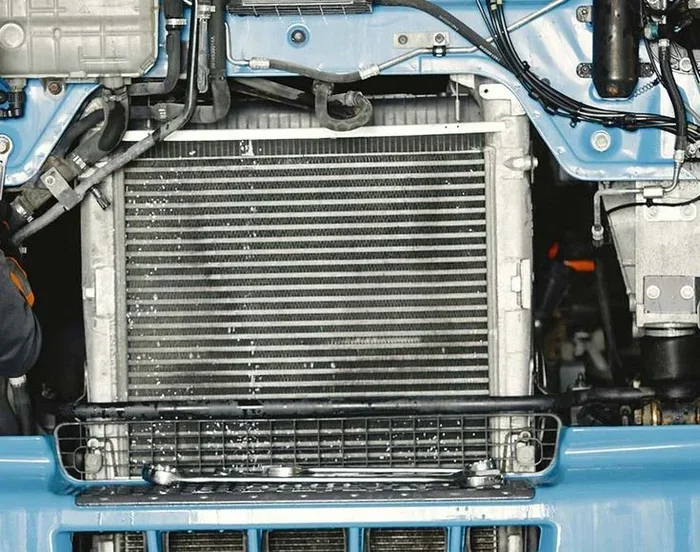
The radiator is the heart of your Toyota’s cooling system. It works alongside the water pump, thermostat, hoses, and coolant to keep your engine at the right temperature. When your engine runs, it generates a lot of heat. The coolant absorbs that heat and carries it to the radiator, where air flowing through the fins cools it down. Then the cooled fluid cycles back into the engine.
Toyota builds their radiators to be durable and reliable. Most come with aluminum cores and plastic tanks, which offer a great balance of strength and weight. But even the best-built radiator faces wear over time. The coolant breaks down, the seals degrade, and external factors like road debris and corrosion take their toll.
How the Cooling System Works in a Toyota
Here’s a quick look at the key components of your Toyota cooling system:
- Radiator: Dissipates heat from the coolant into the surrounding air.
- Water Pump: Circulates coolant through the engine block and radiator.
- Thermostat: Regulates coolant flow based on engine temperature.
- Radiator Hoses: Carry coolant between the engine and radiator.
- Coolant Reservoir: Stores excess coolant and maintains system pressure.
- Radiator Cap: Maintains the correct pressure within the cooling system.
When any of these parts fail, the whole system suffers. A weak water pump or a stuck thermostat can cause your radiator to work harder than it should, which shortens its overall lifespan. That’s why it’s important to look at the cooling system as a whole, not just the radiator itself.
How Long Should a Toyota Radiator Last on Average
Most Toyota owners can expect their radiator to last somewhere between 8 and 10 years. In terms of mileage, that translates to about 150,000 miles under normal driving conditions. But this number varies quite a bit depending on your specific situation.
Some Toyota owners report their radiators lasting well beyond 200,000 miles with diligent maintenance. Others experience radiator failure as early as 60,000 miles, especially in harsh driving environments. The key takeaway is that your mileage and experience may differ, and maintenance plays a huge role in determining how long yours will last.
Toyota Model-Specific Radiator Longevity
Different Toyota models put different demands on the radiator. Here’s a quick comparison of how long radiators tend to last across popular Toyota models:
- Toyota Camry: Radiators in Camrys often last 10+ years or 150,000+ miles. These sedans are known for longevity, and their cooling systems are well-engineered for extended use.
- Toyota Corolla: Similar to the Camry, Corolla radiators typically last 8-12 years with proper maintenance. The smaller engine generates less heat, which reduces stress on the radiator.
- Toyota Highlander: The larger engine and heavier body mean the Highlander radiator works harder. Expect a lifespan of 8-10 years on average.
- Toyota Prius: The Prius has a unique cooling setup that includes both a traditional radiator and a cooling system for the hybrid battery. This dual system can add complexity but generally lasts well.
If you’re curious about how long a Toyota can last overall, check out our article on can a Toyota last 500,000 miles for more insights on Toyota longevity.
Factors That Affect Toyota Radiator Lifespan
Not all radiators age the same way. Several factors determine whether your radiator will last 8 years or 15. Understanding these factors helps you take control of your radiator’s health.
Driving Habits and Conditions
How you drive has a direct impact on radiator wear. If you frequently drive in stop-and-go traffic, your engine runs hotter, which puts more stress on the cooling system. Highway driving is generally easier on the radiator because airflow keeps the engine cooler.
Towing heavy loads also strains the radiator. If you pull a trailer or carry heavy cargo regularly, your cooling system works harder to maintain safe temperatures. Over time, this extra workload can accelerate wear on the radiator and its components.
Climate and Weather
Where you live matters more than you might think. Hot climates force the radiator to work overtime to keep the engine cool. In desert regions or southern states, radiators often degrade faster than those in moderate climates.
Cold weather brings its own challenges. Extreme cold can cause coolant to thicken and reduce circulation efficiency. Freeze-thaw cycles can also stress radiator seams and hoses over time. If you live in an area with harsh winters, paying extra attention to your cooling system is especially important.
Maintenance Practices
This is the factor you have the most control over. Regular maintenance is the single biggest determinant of how long your Toyota radiator will last. Skipping coolant flushes, ignoring small leaks, and neglecting hose inspections all shorten radiator life significantly.
On the flip side, staying on top of your Toyota maintenance schedule pays dividends. Fresh coolant with the right mixture of water and antifreeze protects the radiator from corrosion and keeps the system running efficiently. A simple coolant flush every 30,000 to 50,000 miles can add years to your radiator’s life.
Signs Your Toyota Radiator Needs Replacement
Catching radiator problems early saves you from expensive engine repairs. Here are the most common signs that your Toyota radiator is wearing out or failing.
1. Engine Overheating
This is the most obvious and most serious sign. If your temperature gauge climbs into the red zone frequently, your radiator may not be cooling the coolant effectively. Overheating can cause warped heads, blown gaskets, and catastrophic engine damage if you ignore it.
If your car overheats, pull over safely and let the engine cool down. Continuing to drive with an overheating engine can turn a $500 radiator repair into a $3,000 engine rebuild.
2. Coolant Leaks
Puddles of green, orange, or pink fluid under your car signal a coolant leak. Leaks can come from the radiator itself, the hoses, or the connections between components. Even a small leak reduces coolant levels and forces the remaining fluid to work harder.
Check your coolant reservoir regularly. If you notice the level dropping between flushes, inspect for leaks underneath the car and around the radiator cap. A leaking radiator cap is an easy and cheap fix compared to a full radiator replacement.
3. Rust or Corrosion
Visible rust on the radiator fins or tanks is a clear sign of internal corrosion. Rust restricts coolant flow and reduces heat dissipation. In severe cases, corrosion can eat through the radiator walls and create holes that lead to coolant loss.
If you live in a snowy climate where roads are salted, rust is an even bigger concern. Road salt accelerates corrosion on the underside of the radiator and can significantly shorten its lifespan.
4. Damaged or Clogged Fins
The thin fins on your radiator allow air to pass through and cool the coolant. When these fins get bent, clogged with debris, or damaged, airflow is restricted and cooling efficiency drops. You may notice your engine running hotter than normal, especially in traffic.
A visual inspection of the radiator fins is easy to do. Simply look at the front of the radiator and check for bent, crushed, or debris-covered fins. If you spot damage, a radiator repair shop can often straighten or clean the fins before the problem worsens.
5. Discolored or Dirty Coolant
Healthy coolant should be bright green, orange, or pink depending on the type. If your coolant looks rusty, brown, or sludgy, it’s a sign that the radiator is corroding internally. Dirty coolant doesn’t transfer heat efficiently and can cause buildup that clogs the radiator passages.
If you notice discolored coolant, don’t just top it off. Have the system flushed and refilled with fresh coolant. This simple step can prevent further damage and extend the life of your radiator.
If you want to understand how long cooling-related components last in general, our article on how long a car can overheat before damage occurs provides great context on the risks of ignoring cooling system problems.
Toyota Radiator Replacement Cost and Process
Replacing a Toyota radiator isn’t cheap, but it’s far less expensive than dealing with the consequences of a failed radiator. Understanding the costs and what to expect during the replacement process helps you plan and budget effectively.
Average Replacement Cost
The cost to replace a Toyota radiator typically ranges from $300 to $1,200, depending on your model and where you live. Here’s a breakdown of what goes into that price:
- Parts Cost: The radiator itself costs between $100 and $600. OEM Toyota radiators tend to be on the higher end but offer better fit and durability. Aftermarket radiators are more affordable but vary in quality.
- Labor Cost: Labor runs between $200 and $600, depending on the complexity of the job. Some Toyota models have radiators that are easy to access, while others require removing additional components to reach the radiator.
- Coolant and Flushing: Fresh coolant and a system flush add another $50 to $100 to the total cost.
If you’re handy with tools, replacing a radiator yourself can save you significant labor costs. Many Toyota radiators are accessible enough for a DIY replacement if you have basic mechanical skills and the right tools.
The Replacement Process Step by Step
Here’s what a typical Toyota radiator replacement looks like:
- Drain the Coolant: The technician opens the drain valve and lets the old coolant flow into a catch pan. Proper disposal of old coolant is important for environmental safety.
- Disconnect Hoses and Lines: The radiator hoses, heater hoses, and any electrical connections (like the cooling fan wiring) are disconnected.
- Remove the Old Radiator: The radiator is unbolted from the mounting brackets and carefully lifted out of the engine bay.
- Install the New Radiator: The new radiator is positioned, bolted in place, and all connections are reattached.
- Refill and Bleed the System: Fresh coolant is added, and the system is bled to remove air pockets. The technician checks for leaks before finishing.
- Test Run: The engine is started and allowed to reach operating temperature while monitoring for proper coolant flow and no leaks.
The entire process usually takes 2 to 4 hours at a shop. If you’re doing it yourself, allow extra time for learning the process and dealing with any unexpected challenges.
Tips to Extend Your Toyota Radiator Life
The best way to deal with radiator problems is to prevent them from happening in the first place. Here are practical tips to help your Toyota radiator last as long as possible.
Follow the Toyota Maintenance Schedule
Toyota provides a detailed maintenance schedule for every model. Sticking to this schedule ensures your cooling system gets the attention it needs at the right intervals. The schedule includes coolant flushes, hose inspections, and thermostat checks that all contribute to radiator longevity.
Don’t treat the maintenance schedule as a suggestion. It’s a roadmap designed by the engineers who built your car. Following it consistently is one of the best investments you can make in your Toyota’s long-term health.
Use the Right Coolant
Not all coolants are created equal. Toyota specifies a particular type of coolant for each model, and using the wrong one can cause corrosion and reduce cooling efficiency. Check your owner’s manual or ask your dealer for the correct coolant specification.
When topping off coolant between flushes, always use the same type and brand if possible. Mixing different coolant formulations can cause chemical reactions that degrade the system from the inside out.
Monitor Your Temperature Gauge
Your temperature gauge is your radiator’s best friend. Get in the habit of glancing at it during your drive. If you notice the needle climbing higher than normal, pull over safely and investigate.
Ignoring a rising temperature gauge is one of the fastest ways to destroy a radiator and damage the engine. A few minutes of attention can save thousands of dollars in repairs.
Keep the Radiator Clean
Your radiator sits at the front of the car, exposed to road debris, bugs, and dirt. Over time, this buildup blocks airflow through the fins and reduces cooling efficiency. Rinse the radiator with a gentle stream of water during car washes to keep the fins clear.
Be careful not to use high-pressure washers directly on the radiator fins, as they can bend and damage them. A gentle spray from a garden hose works perfectly for routine cleaning.
Inspect Hoses and Connections Regularly
The rubber hoses that connect to your radiator degrade over time. They can crack, swell, or develop weak spots that lead to leaks. Inspect these hoses every few months, especially as your car passes the 100,000-mile mark.
Replacing a hose costs just a few dollars and takes minutes. Ignoring a worn hose can lead to sudden coolant loss and engine overheating. It’s a small investment with a big payoff.
For more tips on keeping your Toyota running strong, check out our guide on how many miles a car can last for comprehensive longevity advice.
Common Mistakes That Shorten Radiator Life
Some habits and mistakes quietly shorten your radiator’s lifespan without you even realizing it. Avoiding these common errors can add years to your cooling system.
Ignoring Small Leaks
A tiny drip from a radiator hose might seem harmless, but it’s a warning sign. Small leaks indicate that seals are degrading and pressure is dropping. Left unaddressed, even a minor leak can escalate into a major failure that leaves you stranded on the side of the road.
Using Tap Water Instead of Distilled Water
Some people top off their coolant with tap water in a pinch. Tap water contains minerals that cause scaling and corrosion inside the cooling system. Always use distilled water when mixing coolant, and only as a temporary measure until you can get a proper flush and refill.
Skipping Coolant Flushes
Coolant breaks down over time and loses its protective properties. Old coolant becomes acidic and starts eating away at the radiator internals. Skipping flushes is one of the fastest ways to shorten radiator life. Stick to the recommended flush interval and your radiator will thank you.
Overlooking the Thermostat
A stuck thermostat can cause your engine to run too hot or too cold. Either scenario stresses the radiator and other cooling components. Replacing a thermostat is inexpensive and straightforward, but ignoring it can lead to serious cooling system problems.
If you’re wondering whether it’s worth repairing an older Toyota or looking at a newer model, our article on can a Toyota Camry last 500,000 miles offers valuable perspective on long-term Toyota ownership and what components to watch.
When to Seek Professional Help
While many cooling system tasks are DIY-friendly, some situations call for a professional mechanic. Here’s when you should definitely seek expert help.
If you notice steam coming from under the hood, pull over immediately and call for assistance. Driving with steam indicates a serious cooling system failure that can cause engine damage within minutes. Don’t try to drive to a repair shop in this situation.
Also seek professional help if you’ve replaced the radiator but still experience overheating. The problem might be deeper in the cooling system, such as a failing water pump, a clogged radiator core, or a head gasket issue. A qualified mechanic can diagnose the root cause and recommend the right fix.
Finally, if you’re unsure about any aspect of your cooling system, it’s always better to consult a professional. A quick inspection can catch problems early and save you from expensive surprises down the road.
For more information on how long car components typically last, check out our article on how long a wrap lasts on a car for insights on vehicle component longevity in general.
Final Thoughts
Your Toyota radiator is designed to last 8 to 10 years or around 150,000 miles, but that’s just the starting point. With the right maintenance, smart driving habits, and attention to warning signs, you can push that lifespan even further. The key is to stay proactive and never ignore the little things that can snowball into big problems.
Remember that your radiator doesn’t work alone. It’s part of a cooling system where every component plays a role. Taking care of the whole system, not just the radiator, gives you the best chance of avoiding unexpected breakdowns and costly repairs.
Stay on top of coolant flushes, inspect hoses regularly, use the right coolant, and keep an eye on that temperature gauge. These simple habits add up to a longer-lasting radiator and a healthier Toyota overall. Your car will reward you with years of reliable service, and your wallet will thank you for the prevention.
A well-maintained radiator is one of the simplest ways to protect your investment and enjoy peace of mind every time you hit the road. Take care of your cooling system, and it will take care of you.
Frequently Asked Questions
How long does a Toyota radiator typically last?
Most Toyota radiators last between 8 and 10 years, or approximately 150,000 miles. With excellent maintenance and favorable driving conditions, some radiators can last well beyond 200,000 miles. The key factors are regular coolant flushes, prompt leak repairs, and using the correct coolant type.
What are the first signs that a Toyota radiator is failing?
The earliest warning signs include a rising temperature gauge, coolant puddles under the car, and discolored coolant. You might also notice a sweet smell from the engine bay or hear gurgling sounds from the cooling system. Catching these signs early makes repairs much simpler and less expensive.
Is it worth replacing a radiator on an older Toyota?
It depends on the overall condition of the car. If your Toyota is otherwise in great shape and has many miles of life left, a new radiator is absolutely worth it. However, if the car has other major issues, you’ll want to weigh the radiator cost against the vehicle’s overall value.
Can I drive with a leaking Toyota radiator?
You should not drive with a leaking radiator. Low coolant levels cause the engine to overheat quickly, which can lead to severe and expensive damage. If you notice a leak, have the car towed to a repair shop or address the leak immediately before driving.
How much does it cost to replace a Toyota radiator?
The total cost typically ranges from $300 to $1,200, including parts and labor. OEM Toyota radiators cost more but offer better durability and fit. Aftermarket options are more affordable but vary widely in quality. Your location and the specific Toyota model also affect the final price.
Can a clogged radiator cause engine overheating?
Yes, a clogged radiator restricts coolant flow and reduces heat dissipation, which leads to overheating. Internal corrosion, sediment buildup, and old coolant can all cause clogs. Regular coolant flushes help prevent this problem and keep your radiator flowing freely.