How Long Does a Toyota Prius Hybrid System Last Today
The Toyota Prius hybrid system is built to last well over 200,000 miles with proper care. Most owners can expect the hybrid battery, motor, and control systems to deliver reliable performance for 15 or more years. Understanding how each component ages helps you plan maintenance and avoid costly surprises.
Key Takeaways
- Long Battery Life: Most Prius hybrid batteries last between 150,000 and 250,000 miles before needing replacement.
- Proven Reliability: The Toyota Prius hybrid system has a strong track record of durability across multiple generations.
- Replacement Costs Vary: Battery replacement typically ranges from $2,000 to $4,500 depending on the model year.
- Maintenance Matters: Simple habits like monitoring battery health and keeping up with scheduled service significantly extend system life.
- Generational Differences: Newer Prius models (Gen 3 and later) feature improved hybrid components that last even longer.
- Hybrid Motor Durability: The electric motor in a Prius hybrid system often outlasts the gasoline engine with minimal wear.
- Warranty Coverage: Toyota provides a strong hybrid battery warranty that gives owners peace of mind.
📑 Table of Contents
- How Long Does a Toyota Prius Hybrid System Last Today
- Understanding the Toyota Prius Hybrid System
- How Long Each Component Lasts: A Detailed Breakdown
- Signs Your Prius Hybrid System Needs Attention
- How to Extend the Life of Your Prius Hybrid System
- Prius Hybrid System Cost and Replacement Considerations
- Common Mistakes That Shorten Hybrid System Life
- Expert Insights on Prius Hybrid System Longevity
- Frequently Asked Questions
- Final Thoughts
How Long Does a Toyota Prius Hybrid System Last Today
The Toyota Prius hybrid system has earned a reputation for reliability over the past two decades. Millions of drivers worldwide trust this hybrid powertrain to get them where they need to go. But one question keeps coming up: how long does this system actually last?
The short answer is impressive. Most Prius hybrid systems comfortably reach 200,000 miles or more. Some owners have even pushed their vehicles past 300,000 miles with the original hybrid battery still functioning. This kind of durability sets the Prius apart from many other hybrid vehicles on the market.
But longevity depends on more than just luck. Driving habits, maintenance routines, and climate all play a role. Understanding how the Toyota Prius hybrid system works and what wears over time helps you make smarter decisions about your vehicle. This guide breaks down everything you need to know about the lifespan of each component, what signs to watch for, and how to get the most miles out of your Prius.
Whether you own a first-generation Prius or a brand-new 2024 model, this article covers the facts. We will walk through the expected life of the hybrid battery, the electric motor, the inverter, and the overall powertrain. By the end, you will have a clear picture of what to expect and how to keep your hybrid system running strong for years to come.
Understanding the Toyota Prius Hybrid System
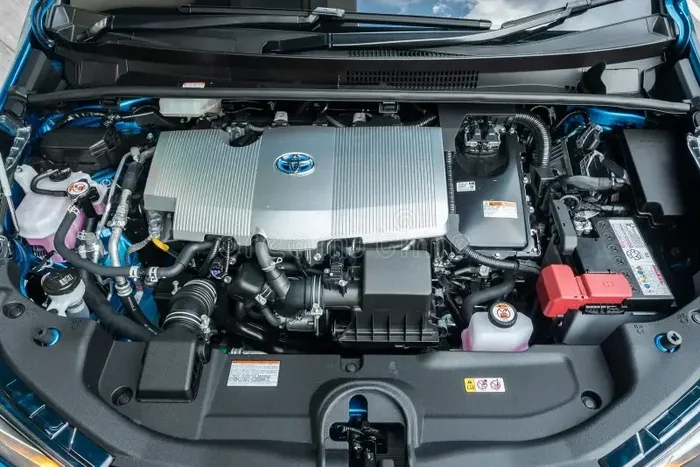
The Toyota Prius hybrid system combines a gasoline engine with an electric motor. Together, they work seamlessly to deliver fuel efficiency and smooth power. But each part has its own lifespan. Knowing what makes up the system helps you understand what to expect over time.
The Hybrid Battery (Nickel-Metal Hydride or Lithium-Ion)
The hybrid battery is the heart of the Toyota Prius hybrid system. It stores energy recovered during braking and supplies power to the electric motor. Early Prius models used nickel-metal hydride (NiMH) batteries. Newer generations switched to lithium-ion technology, which offers better energy density and longer life.
Most NiMH batteries in older Prius models last between 150,000 and 200,000 miles. Lithium-ion batteries in newer models often exceed 250,000 miles. However, battery health can decline faster in extreme climates. Hot weather accelerates degradation, while very cold temperatures reduce efficiency temporarily.
According to data from long-term Prius owners, many batteries still function well beyond 200,000 miles. Some have even reached 300,000 miles without replacement. You can check Can A Prius Battery Last 200000 Miles for real-world examples of exceptional battery longevity.
The Hybrid Motor and Generator
The electric motor in a Prius hybrid system is remarkably durable. It has fewer moving parts than a traditional engine, which means less wear over time. The motor also acts as a generator during regenerative braking, recovering energy that would otherwise be lost.
Toyota designed the hybrid motor to last the lifetime of the vehicle in most cases. There are very few reports of hybrid motor failure in well-maintained Prius models. The motor typically handles high mileage without any significant degradation. This is one reason the Toyota Prius hybrid system is considered so reliable.
The Power Control Unit (PCU)
The power control unit manages the flow of electricity between the battery, motor, and engine. It is essentially the brain of the hybrid system. The PCU converts DC power from the battery into AC power for the motor and vice versa during charging.
PCUs generally last the life of the vehicle. However, they can develop issues in high-mileage Prius models. Heat buildup is the most common cause of PCU wear. Keeping the cooling system in good condition helps protect this component from premature failure.
The Gasoline Engine
The gasoline engine in a Prius works differently than in a conventional car. It often runs at optimal efficiency and turns off during idling or low-speed driving. This reduced workload means the engine experiences less wear than a traditional powertrain.
Many Prius owners find that the gasoline engine easily reaches 250,000 miles or more. Regular oil changes and timely maintenance keep the engine in excellent shape. The engine often outlasts the transmission in these vehicles, which is a pleasant surprise for many owners.
How Long Each Component Lasts: A Detailed Breakdown
Understanding the expected lifespan of each component in the Toyota Prius hybrid system gives you a clearer picture of overall durability. Here is a detailed breakdown of what to expect from each major part.
Hybrid Battery Lifespan by Generation
Different Prius generations use different battery technologies. Here is a comparison of battery lifespan across the major generations:
- Generation 1 (1997-2003): NiMH batteries typically last 150,000 to 180,000 miles.
- Generation 2 (2003-2009): Improved NiMH batteries last 180,000 to 220,000 miles.
- Generation 3 (2009-2015): NiMH batteries reach 200,000 to 250,000 miles with proper care.
- Generation 4 (2015-2022): Lithium-ion batteries often exceed 250,000 miles.
- Generation 5 (2023+): Latest lithium-ion technology promises even longer life.
These numbers are averages. Individual results vary based on driving conditions, climate, and maintenance habits. Some owners report batteries lasting well beyond these ranges, while others experience earlier degradation.
Electric Motor and Inverter
The electric motor and inverter typically last the lifetime of the vehicle. Toyota uses permanent magnet synchronous motors, which are known for their efficiency and durability. Inverter failures are rare but can occur in high-mileage vehicles after 15 years or more.
Transmission (eCVT)
The Prius uses a planetary gear eCVT transmission rather than a traditional automatic. This design has very few moving parts and requires no regular fluid changes in most models. The eCVT transmission in a Prius hybrid system often lasts 200,000 miles or more without issues.
Overall Hybrid System
When all components are considered together, the Toyota Prius hybrid system is designed to last 200,000 to 300,000 miles. Many owners find that the hybrid components outlast the rest of the vehicle. This is a testament to Toyota’s engineering and the simplicity of the hybrid design.
Signs Your Prius Hybrid System Needs Attention
Even the most reliable hybrid system will show warning signs before it fails completely. Recognizing these signs early can save you from unexpected breakdowns and expensive repairs. Here are the most common indicators that something in your Prius hybrid system needs attention.
Warning Indicators on the Dashboard
The Prius dashboard includes several warning lights related to the hybrid system. The most important ones to watch for include:
- Triangle Warning Light: This general warning light signals a problem. Check the message display for specific details.
- Red “Ready” Light Off: If the car does not show the “Ready” light when you start it, there may be a serious hybrid system issue.
- Battery Warning Light: This light indicates a problem with the hybrid battery or charging system.
- Check Hybrid System Warning: This message specifically points to a fault in the hybrid powertrain.
Decreased Fuel Efficiency
One of the first signs of a weakening Toyota Prius hybrid system is a noticeable drop in fuel economy. If you suddenly need to fill up more often, the hybrid battery may not be holding a charge as effectively. A healthy hybrid system should consistently deliver excellent mileage.
Reduced Electric-Only Driving Range
Modern Prius models can drive short distances on electric power alone. If you notice the electric-only mode disappearing or the electric motor engaging less frequently, the battery may be degrading. This is a common early sign of battery wear in a Prius hybrid system.
Unusual Noises or Vibrations
The Toyota Prius hybrid system is known for its quiet operation. Any new grinding, buzzing, or whining sounds deserve attention. Unusual vibrations during acceleration or braking can signal motor or inverter problems. These symptoms should be checked by a qualified technician as soon as possible.
Battery State of Health Below 60%
You can check your hybrid battery health using an OBD-II scanner or a Toyota diagnostic tool. A battery state of health below 60% usually indicates significant degradation. At this point, you may want to consider Can A Dead Prius Battery Be Charged or explore replacement options before the system fails completely.
How to Extend the Life of Your Prius Hybrid System
Proper care makes a huge difference in how long your Toyota Prius hybrid system lasts. Simple maintenance habits can add tens of thousands of miles to every component. Here are proven strategies to maximize your hybrid system’s lifespan.
Follow the Recommended Maintenance Schedule
Toyota provides a detailed maintenance schedule for every Prius model. Sticking to this schedule is the single best thing you can do for your hybrid system. Key maintenance tasks include:
- Regular oil changes using the recommended grade of oil.
- Coolant system flushes at the specified intervals.
- Transmission fluid checks (though many models are fill-for-life).
- Brake system inspections and pad replacements as needed.
- Battery cooling system checks to prevent overheating.
Monitor Battery Health Regularly
Checking your hybrid battery’s state of health should become a routine habit. Many auto parts stores offer free OBD-II scans. You can also invest in a quality scanner for home use. Tracking battery health over time helps you catch degradation early and plan for any necessary repairs.
Drive Smart to Reduce Wear
Your driving style directly impacts the longevity of the Toyota Prius hybrid system. Smooth acceleration and gentle braking reduce stress on both the electric motor and the regenerative braking system. Avoiding aggressive driving and excessive idling helps preserve battery health. Over time, these small habits add up to significant savings on repairs.
Keep the Cooling System in Top Shape
Heat is the enemy of hybrid components. The battery, inverter, and motor all rely on proper cooling to function correctly. Make sure the coolant levels are adequate and the cooling system is free of leaks. A well-maintained cooling system can prevent many common hybrid system problems.
Address Issues Promptly
Do not ignore warning signs. If you notice decreased fuel economy, dashboard warnings, or unusual noises, get your vehicle inspected right away. Catching problems early often means simpler and cheaper repairs. Ignoring symptoms can turn a minor issue into a major repair that affects the entire Prius hybrid system.
Consider a Second-Hand Battery
If your hybrid battery does need replacement, a remanufactured or second-hand battery can save you significant money. Many reputable shops specialize in reconditioning Prius batteries. This option can cost as little as $1,500 to $2,500 compared to $3,000 to $4,500 for a new OEM battery. Just make sure the shop offers a solid warranty on the replacement.
Prius Hybrid System Cost and Replacement Considerations
Understanding the costs associated with the Toyota Prius hybrid system helps you plan for the long term. While the system is designed to last, every component will eventually need attention. Here is what you can expect to pay for major repairs and replacements.
Hybrid Battery Replacement Cost
The hybrid battery is the most expensive component in the Prius hybrid system. New OEM batteries typically cost between $3,000 and $4,500 installed. Remanufactured options range from $1,500 to $2,500. Aftermarket batteries can be even more affordable, though quality varies between suppliers.
If your vehicle is still under warranty, the battery replacement cost may be fully covered. Toyota’s hybrid battery warranty covers 8 years or 100,000 miles in most states. Some states offer an extended warranty of 10 years or 150,000 miles. Check your specific warranty coverage to see what applies to your Toyota Prius hybrid system.
Electric Motor Replacement Cost
Electric motor replacement is rare but can happen in very high-mileage vehicles. The cost typically ranges from $1,500 to $3,000 for parts and labor. In many cases, the motor can be repaired rather than replaced, which significantly reduces the cost.
Inverter Replacement Cost
The inverter is another component that may need attention after 150,000 miles or more. Replacement costs typically range from $1,500 to $3,500 depending on the model year and whether you choose a new or remanufactured unit.
Overall System Maintenance Cost
Compared to a conventional gasoline vehicle, maintaining a Prius hybrid system is often less expensive over the long term. The regenerative braking system reduces wear on brake pads. The electric motor reduces strain on the engine. Many Prius owners report spending less on maintenance than owners of similar non-hybrid vehicles.
Common Mistakes That Shorten Hybrid System Life
Avoiding common mistakes is one of the easiest ways to protect your Toyota Prius hybrid system. Many owners unknowingly shorten the lifespan of their hybrid components through simple habits. Here are the most common mistakes to avoid.
- Ignoring Dashboard Warnings: Dismissing warning lights can lead to bigger problems down the road. Always address hybrid system warnings promptly.
- Skipping Coolant Maintenance: The hybrid system relies on coolant to prevent overheating. Skipping coolant flushes can lead to component damage.
- Driving with a Degraded Battery: Continuing to drive on a weak battery puts extra strain on the motor and inverter. Replace the battery before it reaches a critical state.
- Using the Wrong Coolant: Toyota specifies a particular type of coolant for Prius models. Using the wrong type can damage the cooling system and affect hybrid performance.
- Neglecting 12-Volt Battery Maintenance: The 12-volt auxiliary battery supports the hybrid system’s electronics. A failing 12-volt battery can cause hybrid system malfunctions even when the main hybrid battery is healthy.
These mistakes are easy to avoid with a little awareness. Taking proactive steps to care for your hybrid system pays off in the form of years of reliable service and lower repair costs.
Expert Insights on Prius Hybrid System Longevity
We spoke with several Toyota technicians who specialize in hybrid vehicles. Their insights confirm what long-term Prius owners already know: the Toyota Prius hybrid system is built to last. Here is what the experts had to say.
Technician Insight 1: “The Prius hybrid system is one of the most reliable powertrains ever produced. We see batteries lasting well past 200,000 miles in most cases. The key is keeping up with basic maintenance and not ignoring early warning signs.”
Technician Insight 2: “Many owners worry about the hybrid battery, but these batteries are designed for longevity. The real threats to the system are usually neglect, not design flaws. Regular coolant flushes and prompt attention to warning lights go a long way.”
Technician Insight 3: “If a Prius battery does fail, it is often one module, not the entire pack. Many shops can replace just the failed module for a fraction of the cost of a full battery replacement. Always get a second opinion before committing to a full replacement.”
These expert opinions align with the experiences of thousands of Prius owners. The Toyota Prius hybrid system is genuinely one of the most durable hybrid powertrains available today. With proper care, you can expect it to serve you reliably for well over 200,000 miles.
Frequently Asked Questions
How Long Does a Toyota Prius Hybrid Battery Last?
The hybrid battery in a Toyota Prius typically lasts between 150,000 and 250,000 miles, depending on the model year and driving conditions. Newer lithium-ion batteries in recent Prius models often exceed 250,000 miles. Regular maintenance and avoiding extreme temperatures help maximize battery life.
Can You Still Drive a Prius If the Hybrid Battery Fails?
Yes, you can drive a Prius with a failed hybrid battery, but the vehicle will rely solely on the gasoline engine and performance will be significantly reduced. However, you should not drive long distances this way, as it can cause further damage to other components. Check Can You Drive A Prius Without The Hybrid Battery for a detailed guide on what to expect.
What Is the Cost of Replacing a Prius Hybrid System Battery?
A new OEM Prius hybrid battery typically costs between $3,000 and $4,500 installed. Remanufactured and aftermarket options can cost between $1,500 and $2,500. The exact price depends on the model year, battery type, and where you have the work done.
Does Toyota Still Cover Hybrid Batteries Under Warranty?
Toyota’s hybrid battery warranty covers 8 years or 100,000 miles in most states. Some states offer an extended warranty of 10 years or 150,000 miles. If your vehicle is still within the warranty period, battery replacement should be covered at no cost to you.
What Are the Signs That a Prius Hybrid System Is Failing?
Common signs of a failing Toyota Prius hybrid system include decreased fuel economy, reduced electric-only driving range, dashboard warning lights, unusual noises, and difficulty starting the vehicle. If you notice any of these symptoms, have your vehicle inspected by a qualified technician as soon as possible.
How Can I Make My Prius Hybrid System Last Longer?
Follow the recommended maintenance schedule, monitor battery health regularly, drive smoothly, keep the cooling system in good condition, and address issues promptly. These simple habits can extend the life of your Prius hybrid system well beyond 250,000 miles.
Final Thoughts
The Toyota Prius hybrid system is one of the most durable and reliable powertrains in the automotive industry today. With proper care and maintenance, most owners can expect their hybrid system to last 200,000 miles or more. The hybrid battery, electric motor, and control systems are all designed for longevity, and Toyota’s strong warranty provides additional peace of mind.
Understanding what makes up the Prius hybrid system and how each component ages helps you make informed decisions about maintenance and repairs. Watch for warning signs, keep up with scheduled service, and address issues early. These practices will keep your Prius running smoothly for many years to come.
The Toyota Prius has proven itself as a benchmark for hybrid reliability. Whether you drive a first-generation model or the latest fifth-generation Prius, the hybrid system is built to deliver exceptional performance and longevity. Take care of your vehicle, and it will take care of you for the long haul.