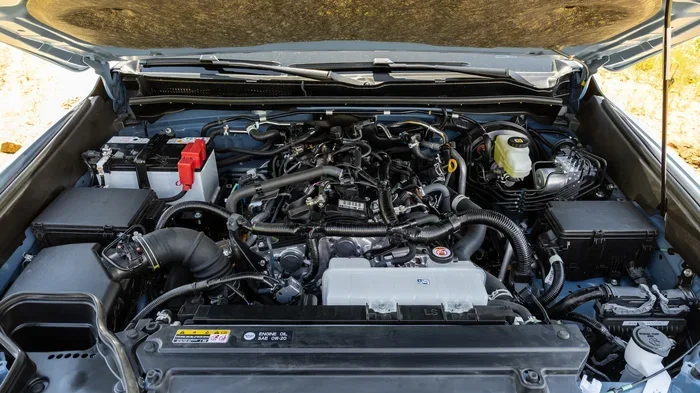
How Long Can a Toyota 4Runner Go Without an Oil Change
Most Toyota 4Runner models can go between 5,000 and 10,000 miles before needing an oil change, depending on your driving habits and the type of oil you use. Ignoring this maintenance window can lead to serious engine damage, reduced fuel efficiency, and costly repairs down the road.
Key Takeaways
- Standard Interval: Most Toyota 4Runner models need an oil change every 5,000 to 10,000 miles, depending on driving conditions.
- Synthetic Oil Advantage: Full synthetic oil can extend the interval up to 10,000 miles, while conventional oil typically requires changes at 5,000 miles.
- Warning Signs Matter: Dashboard alerts, dark or gritty oil, and unusual engine noises are clear signals your 4Runner is overdue.
- Severe Service Shortens Intervals: Towing, off-roading, extreme temperatures, and short trips all demand more frequent oil changes.
- Engine Protection: Regular oil changes keep your 4Runner engine running smoothly and can significantly extend its lifespan.
- DIY or Dealer: You can change your own oil or visit a Toyota service center for professional maintenance.
[FEATURED_IMAGE_PLACEHOLDER]
📑 Table of Contents
- How Long Can a Toyota 4Runner Go Without an Oil Change?
- Understanding Oil Change Intervals for the Toyota 4Runner
- What Happens If You Skip an Oil Change?
- How to Know When Your 4Runner Is Overdue for an Oil Change
- Oil Type Matters: Conventional vs. Synthetic
- How Often Should You Change Your 4Runner’s Oil Filter?
- Can You Change Your 4Runner Oil at a Toyota Dealership?
- How Regular Oil Changes Help Your 4Runner Last Longer
- Quick Tips for Staying on Top of Your 4Runner Oil Changes
- Common Mistakes People Make with Oil Changes
- How Your Driving Style Affects Oil Change Frequency
- Expert Insight: The Real Cost of Delaying an Oil Change
- Final Thoughts: Keep Your Toyota 4Runner Running Strong
How Long Can a Toyota 4Runner Go Without an Oil Change?
The Toyota 4Runner is one of the most rugged and dependable SUVs on the road. People love it for its off-road capability, strong build, and long-lasting performance. But even the toughest truck needs basic maintenance to keep running strong. And one of the most important jobs you can do is change the oil on time.
So how long can a Toyota 4Runner go without an oil change? The short answer is somewhere between 5,000 and 10,000 miles. But the full picture is a bit more complicated. Your driving style, the type of oil you use, and the conditions you drive in all play a big role. Let us break it all down so you know exactly what your 4Runner needs.
Skipping or delaying an oil change might seem harmless at first. After all, the 4Runner feels just fine. But oil breaks down over time. It gets dirty. It loses its ability to lubricate and protect your engine. And when that happens, you are asking for trouble. This guide will walk you through everything you need to know about oil change intervals, warning signs, and how to keep your 4Runner in top shape for years to come.
Understanding Oil Change Intervals for the Toyota 4Runner
Every vehicle has a recommended oil change interval. This is the distance or time frame at which you should swap out old oil for fresh, clean oil. For the Toyota 4Runner, the interval depends on several factors. Let us look at what Toyota recommends and why it matters.
Toyota’s Official Recommendation
Toyota generally suggests an oil change every 5,000 to 7,500 miles for most 4Runner models. This is based on normal driving conditions. If you use conventional oil, you should stick closer to the 5,000-mile mark. If you use synthetic oil, you can stretch it to 7,500 or even 10,000 miles.
Your owner’s manual is the best place to confirm the exact interval for your specific year and engine type. Toyota designs the 4Runner to handle tough conditions, but that does not mean it can skip maintenance forever. The manufacturer sets these intervals to protect your engine and ensure long-term reliability.
Normal vs. Severe Service Conditions
Toyota also separates driving into two categories: normal service and severe service. Understanding the difference helps you decide how often to change your oil.
Normal service includes driving on highways at steady speeds, in moderate temperatures, with no heavy loads. If this sounds like your typical driving, you can follow the standard interval.
Severe service includes any of these situations:
- Frequent short trips under five miles
- Driving in extreme heat or cold
- Towing a trailer or hauling heavy loads
- Off-roading through mud, sand, or rocky terrain
- Stop-and-go traffic for long periods
- Dusty or dirty driving environments
If you do any of these regularly, you should shorten your oil change interval by about 30 to 50 percent. That means an oil change every 3,000 to 5,000 miles for severe conditions. The 4Runner is built tough, but it still needs clean oil to perform at its best.
What Happens If You Skip an Oil Change?
It is tempting to push an oil change a little further, especially when life gets busy. But skipping this maintenance can cause real damage. Here is what happens inside your engine when you go too long without fresh oil.
Oil Degradation and Contamination
Fresh oil is clean and full of additives that protect your engine. Over time, those additives break down. The oil picks up dirt, metal particles, and combustion byproducts. As the oil gets dirtier, it becomes less effective at lubricating engine parts.
When oil loses its lubricating properties, metal parts start grinding against each other. This creates friction, heat, and wear. Over time, this wear adds up and can lead to serious engine problems. The longer you wait, the worse it gets.
Engine Overheating
Oil does more than just lubricate. It also helps cool your engine by carrying heat away from critical components. Old, degraded oil cannot do this job well. As a result, your engine may run hotter than normal.
Prolonged overheating can warp engine parts, damage seals, and even cause a blown head gasket. These are expensive repairs that can easily be avoided with a simple oil change on schedule.
Sludge Build-Up
When oil sits in the engine too long without being changed, it can form sludge. Sludge is a thick, dark substance that clogs oil passages and restricts flow. This means less oil reaches the parts that need it most.
Sludge build-up is one of the leading causes of premature engine failure. It is also completely preventable with regular maintenance and timely oil changes.
How to Know When Your 4Runner Is Overdue for an Oil Change
Your 4Runner will give you several warning signs when it is time for an oil change. Paying attention to these signals can save you from bigger problems later.
Dashboard Warning Lights
Most modern Toyota 4Runners come equipped with an oil life system. This system tracks your driving habits and alerts you when it is time for maintenance. If you see the maintenance required light on your dashboard, do not ignore it.
You can reset your maintenance required light after an oil change to keep track of your next service. This is a quick and easy step that helps you stay on top of your 4Runner’s maintenance schedule.
Some older models may also show an oil pressure warning light. If this comes on, check your oil level immediately and get an oil change as soon as possible. Low oil pressure can cause engine damage in a very short time.
Changes in Oil Color and Texture
New oil is amber and smooth. As it ages, it turns dark brown or black. You can check your oil with the dipstick to see its condition. If the oil feels gritty or thick, it is past its prime and needs to be replaced.
Healthy oil should feel slick and thin between your fingers. If it feels rough or gritty, that means it has picked up too many contaminants. Time for a change.
Unusual Engine Noises
Clean oil keeps engine parts moving smoothly and quietly. When oil gets old, it loses its ability to cushion those parts. You may notice knocking, ticking, or rumbling sounds coming from the engine.
These noises are a red flag. They mean metal is making contact without proper lubrication. If you hear anything unusual, check your oil level and schedule an oil change right away.
Decreased Fuel Efficiency
Old, dirty oil creates more friction inside the engine. This extra friction forces your engine to work harder, which burns more fuel. If you notice your 4Runner getting worse gas mileage than usual, an oil change might be all it takes to get things back on track.
Oil Type Matters: Conventional vs. Synthetic
The type of oil you use in your Toyota 4Runner has a big impact on how long you can go between changes. Let us compare the two main options.
| Feature | Conventional Oil | Synthetic Oil |
|---|---|---|
| Change Interval | Every 5,000 miles | Every 7,500 to 10,000 miles |
| Cost Per Change | Lower ($30-$50) | Higher ($50-$80) |
| Engine Protection | Good | Excellent |
| Heat Resistance | Moderate | High |
| Best For | Normal driving | Severe conditions and high mileage |
Synthetic oil is engineered in a lab to provide superior protection. It resists heat breakdown better and stays cleaner longer. For a vehicle like the 4Runner that may see heavy use, synthetic oil is a great investment.
Conventional oil is still perfectly fine for everyday driving. It is more affordable and works well for drivers who stick to normal conditions and shorter intervals. Either option works, but synthetic oil gives you more flexibility and better long-term engine protection.
How Often Should You Change Your 4Runner’s Oil Filter?
Every time you change the oil, you should also replace the oil filter. The oil filter catches dirt, metal particles, and other contaminants. Over time, it gets clogged and can no longer do its job effectively.
A clogged oil filter restricts oil flow to the engine. This means even fresh oil cannot reach the parts that need it. Always pair your oil change with a new filter. It is a small cost that makes a big difference in protecting your engine.
For the Toyota 4Runner, oil filters are widely available and easy to replace. Whether you do it yourself or have a mechanic handle it, this is a quick maintenance step that should never be skipped.
Can You Change Your 4Runner Oil at a Toyota Dealership?
Yes, you absolutely can. Taking your 4Runner to a Toyota dealership for an oil change has several advantages. The technicians are trained specifically for Toyota vehicles. They use genuine Toyota parts and follow the manufacturer’s recommended procedures.
You can also get your Lexus oil change done at Toyota if you own both brands. Toyota service centers are equipped to handle maintenance for both Toyota and Lexus vehicles. This convenience makes it easy to keep all your vehicles properly maintained.
Many dealerships also offer multi-point inspections with every oil change. This means they check other fluids, filters, tires, and components while you wait. It is a great way to catch small problems before they become expensive repairs.
If you prefer to do it yourself, changing your own oil is a manageable DIY project. You will need the right oil, a new filter, a drain pan, and a few basic tools. Just make sure you dispose of the old oil properly at a recycling center.
How Regular Oil Changes Help Your 4Runner Last Longer
The Toyota 4Runner has a reputation for lasting well beyond 300,000 miles. But that kind of longevity does not happen by accident. It happens because owners who take care of their vehicles. And regular oil changes are at the top of that care list.
Clean oil keeps the engine internals lubricated, cool, and free of harmful deposits. Over hundreds of thousands of miles, this adds up. Engines that get regular oil changes consistently outlast those that do not.
If you are curious about how far a 4Runner can go in its lifetime, proper maintenance including timely oil changes is the biggest factor. A well-maintained Toyota 4Runner can easily surpass 300,000 miles with the right care. That is a strong return on a relatively simple and affordable maintenance task.
Regular maintenance including oil changes is the single most important thing you can do to extend your vehicle’s lifespan. It is simple, inexpensive, and incredibly effective.
Quick Tips for Staying on Top of Your 4Runner Oil Changes
- Set a reminder: Use your phone or calendar to track your mileage between oil changes.
- Check oil monthly: Get in the habit of checking your dipstick once a month to catch low oil early.
- Keep records: Write down every oil change date and mileage. This helps you track patterns and stay consistent.
- Use quality oil: Stick with manufacturer-recommended oil weights and brands for best results.
- Watch for leaks: Check under your 4Runner for oil spots. Early leak detection prevents bigger problems.
- Do not ignore warnings: Dashboard lights and unusual sounds are your 4Runner telling you something is wrong.
Common Mistakes People Make with Oil Changes
Even well-meaning 4Runner owners sometimes make mistakes when it comes to oil changes. Here are a few to avoid.
Mistake 1: Waiting for the oil to turn completely black. Oil darkens quickly, and that does not always mean it is bad. Follow the mileage interval rather than judging by color alone.
Mistake 2: Using the wrong oil weight. Always use the oil weight recommended in your owner’s manual. The wrong weight can affect engine performance and protection.
Mistake 3: Forgetting to replace the oil filter. Old filters do not filter properly. Always install a new filter with every oil change.
Mistake 4: Ignoring severe service conditions. If you drive in tough conditions, you need to change your oil more often. Sticking to the normal interval when you should be doing severe service can shorten your engine’s life.
Mistake 5: Skipping oil changes to save money. An oil change costs a fraction of what an engine rebuild costs. Do not let a small savings lead to a big repair bill.
How Your Driving Style Affects Oil Change Frequency
Everyone drives differently, and your driving style directly impacts how quickly your oil degrades. If you are a gentle cruiser on open highways, your oil will last longer. If you are an aggressive driver who loves to push the 4Runner to its limits, your oil will break down faster.
Short trips are especially hard on oil. When you drive less than five miles, the engine does not reach full operating temperature. Moisture and fuel can contaminate the oil without burning off. If your daily routine involves lots of short trips, consider shortening your oil change interval.
Towing and off-roading also take a toll. The extra load and heat generated during these activities accelerate oil breakdown. If you use your 4Runner for adventures, be proactive about scheduling more frequent oil changes.
Expert Insight: The Real Cost of Delaying an Oil Change
Let us put it in real numbers. A standard oil change for a Toyota 4Runner costs between $40 and $80 depending on the oil type and where you go. That is a small price to pay for protecting a multi-thousand-dollar engine.
Now compare that to the cost of an engine rebuild. Replacing an engine can cost anywhere from $4,000 to $8,000 or more. That is 50 to 100 times the cost of a routine oil change. The math is clear. Staying current with your oil change schedule saves you money and keeps your 4Runner on the road longer.
Even if you do not keep your 4Runner forever, regular maintenance preserves its resale value. Buyers pay more for a well-documented maintenance history. A few oil change receipts can make a big difference when it is time to sell or trade in your vehicle.
Final Thoughts: Keep Your Toyota 4Runner Running Strong
The Toyota 4Runner is a machine built to last. But even the best machines need basic care. Regular oil changes are the foundation of that care. They keep your engine clean, cool, and protected from wear.
Stick to the recommended interval, pay attention to warning signs, and never underestimate the power of fresh oil. Whether you use conventional or synthetic oil, the key is consistency. Change your oil on time, every time, and your 4Runner will reward you with years of reliable performance.
Your 4Runner takes you on adventures, gets you to work, and handles whatever the road throws at it. Give it the maintenance it deserves. A simple oil change today can prevent a major engine problem tomorrow.
Frequently Asked Questions
How often should I change the oil in my Toyota 4Runner?
For most Toyota 4Runner models, an oil change every 5,000 to 7,500 miles is recommended under normal driving conditions. If you use synthetic oil, you can stretch that to 10,000 miles. Always check your owner’s manual for the exact recommendation for your specific year and engine.
What happens if I go too long without an oil change in my 4Runner?
Going too long without an oil change can cause oil degradation, sludge build-up, engine overheating, and increased wear on internal components. Over time, this can lead to costly engine repairs or even complete engine failure. Staying on schedule with your oil changes is the best way to protect your 4Runner.
Can I use synthetic oil in my Toyota 4Runner?
Yes, synthetic oil is fully compatible with the Toyota 4Runner. In fact, many owners prefer synthetic oil because it offers better protection, resists heat breakdown, and allows for longer oil change intervals. Check your owner’s manual to confirm the recommended oil weight for your model.
How can I tell if my 4Runner needs an oil change?
Look for dashboard warning lights, dark or gritty oil on the dipstick, unusual engine noises, decreased fuel efficiency, or a burning oil smell. These are all signs your 4Runner is overdue for an oil change. If you are unsure, check your mileage and compare it to the recommended interval.
Does the Toyota 4Runner have an oil life monitoring system?
Yes, most modern Toyota 4Runner models come with an oil life system that tracks driving conditions and alerts you when maintenance is needed. You can also reset the maintenance light after completing an oil change to keep track of your next service interval.
Is it cheaper to change my 4Runner oil myself or at a dealership?
Doing it yourself is generally cheaper since you only pay for the oil and filter. A dealership oil change costs more but includes professional service and often a multi-point inspection. Both options are valid. Choose whichever fits your budget, comfort level, and time.