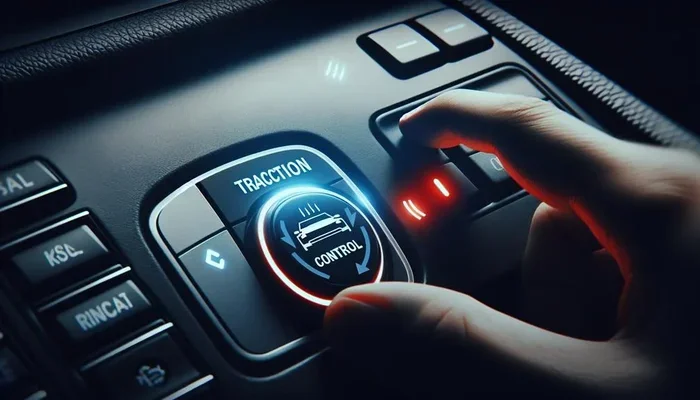
How Does Toyota Traction Control Work A Simple Guide
Toyota traction control is a smart safety system that prevents your wheels from slipping when you accelerate on tricky surfaces. It uses sensors, electronic controls, and braking technology to keep your Toyota stable and predictable. Understanding how Toyota traction control works helps you drive safer and respond correctly when the warning light comes on.
This is a comprehensive guide about How Does Toyota Traction Control Work?.
Key Takeaways
- Toyota Traction Control prevents wheel slip: It automatically adjusts engine power and applies brakes to keep your tires gripping the road.
- It works with other safety systems: Toyota traction control integrates with ABS and electronic stability control for full vehicle stability.
- Multiple sensors detect problems instantly: Wheel speed sensors, steering angle sensors, and yaw sensors all feed data into the system in real time.
- You can manually turn it off: In certain situations like deep snow or mud, you may need to manually turn off traction control for better control.
- Maintenance matters: Keeping your tires and sensors in good shape ensures Toyota traction control works when you need it most.
- Warning lights tell you something: A flashing or steady traction control light means the system is either active or experiencing a fault.
[FEATURED_IMAGE_PLACEHOLDER]
What Is Toyota Traction Control?
Toyota traction control is an electronic safety feature designed to stop your wheels from spinning out when you press the gas pedal. Whether you are driving on a rain-soaked highway or a slippery gravel road, this system helps your Toyota maintain grip. It is one of the many Toyota safety features that come standard on most modern models.
Think of traction control as a guardian that watches your wheels every second. When it detects that a tire is spinning faster than it should, it steps in automatically. The system reduces engine power or applies the brakes to that specific wheel. This keeps your car stable and your ride smooth.
Most Toyota models come equipped with this technology today. From the compact Toyota Corolla to the rugged Toyota Tacoma, traction control is a standard part of the drivetrain. It works behind the scenes so you do not have to think about it. But knowing how it operates gives you a big advantage as a driver.
The system is especially helpful during wet roads and snow driving conditions. Ice driving becomes far less scary when your Toyota has a working traction control setup. It does not replace safe driving habits, but it adds a powerful layer of protection.
How Toyota Traction Control Works: The Technology Explained
Toyota traction control relies on a network of sensors and a central computer to function. The system constantly monitors the speed of each wheel. When one wheel starts spinning faster than the others, the computer takes action. This whole process happens in milliseconds.
Wheel Speed Sensors
Each wheel has a speed sensor attached to it. These sensors send real-time data to the traction control module. If the system notices that the left front wheel is spinning much faster than the right front wheel, it flags a potential slip. The sensors are incredibly precise and can detect even tiny changes in wheel slip.
Electronic Control Unit
The electronic control unit (ECU) acts as the brain of the system. It receives all the sensor data and makes split-second decisions. When the ECU detects a loss of tire grip, it can do two things. First, it reduces engine power by adjusting the fuel injection and ignition timing. Second, it applies the brakes to the spinning wheel individually.
This dual approach is what makes Toyota traction control so effective. By reducing power AND applying brakes, the system brings the wheel back under control quickly. The driver often does not even notice the intervention because it feels so smooth.
Integration With ABS and Stability Control
Toyota traction control does not work alone. It shares information and components with the ABS (anti-lock braking system) and electronic stability control. Together, these systems create a comprehensive safety net. The ABS prevents wheels from locking during hard braking, while traction control prevents wheels from spinning during acceleration.
The vehicle stability system takes things even further. It uses a yaw sensor and steering angle sensor to detect if the car is sliding sideways. If the car starts to oversteer or understeer, the system applies brakes to individual wheels to correct the path. This entire network works together to keep you safe.
Key Components of the Toyota Traction Control System
Understanding the main parts of the system helps you appreciate how sophisticated Toyota traction control really is. Each component plays a specific role in keeping your car stable.
- Wheel Speed Sensors: Monitor how fast each wheel is rotating and report to the ECU.
- Electronic Control Unit (ECU): The central computer that processes sensor data and triggers responses.
- Brake Actuators: Apply precise braking force to individual wheels when slip is detected.
- Throttle Actuator: Reduces engine power by controlling the throttle opening when traction is lost.
- Steering Angle Sensor: Tracks where the driver is steering to help the stability system make corrections.
- Yaw Rate Sensor: Detects the rotation of the vehicle around its vertical axis to identify skidding.
All of these parts communicate through a CAN bus network inside your Toyota. This high-speed data network ensures that every component stays synchronized. If one sensor fails, the system can often compensate using data from the other sensors.
When Does Toyota Traction Control Activate?
Toyota traction control activates automatically in many situations. You do not need to turn it on manually in most cases. The system engages whenever it detects a loss of traction. Here are the most common scenarios where it kicks in.
Wet Road Conditions
Rain creates a thin layer of water on the road surface. Your tires can lose contact with the asphalt when driving too fast through standing water. Toyota traction control detects the sudden spin of a drive wheel and immediately intervenes. It reduces throttle and applies brakes to keep the car tracking straight.
Snow and Ice Driving
Snow and ice are the worst enemies of tire grip. When you accelerate on a snowy road, the wheels can spin uselessly. The traction control system senses this and cuts engine power. It may also pulse the brakes to help the tire find grip again. For snow driving, this system is a real lifesaver.
Loose Surfaces Like Gravel or Mud
Driving on gravel or loose dirt can cause unexpected wheel spin. The traction control system works hard in these conditions to keep the car stable. However, there are times when you might want to manually turn off traction control for better momentum in deep snow or mud. Knowing when to disable the system is an important driving skill.
Accelerating on an Incline
Even driving uphill on a damp surface can cause traction loss. The system monitors all four wheels and adjusts power as needed. This is especially useful in Toyota trucks and SUVs that carry heavy loads up steep hills.
Common Toyota Traction Control Issues and What They Mean
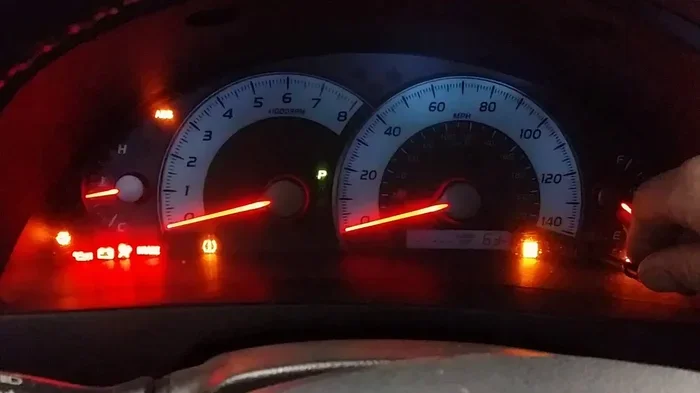
Sometimes the traction control light on your dashboard comes on. This can mean different things depending on how it behaves. Understanding these signals helps you respond appropriately.
Traction Control Light Flashing
If the light flashes while you are driving, the system is actively working. It is detecting and correcting wheel slip. This is completely normal and means your Toyota traction control is doing its job. You may notice this on wet or icy roads.
Traction Control Light Stays On
A steady light usually indicates a problem. The system may have detected a fault in one of the sensors or components. Common causes include a failing wheel speed sensor, a low battery voltage, or a malfunction in the ABS module. It is important to get this checked by a qualified mechanic.
Traction Control and ABS Light Both On
If both lights come on together, the issue may be shared between the two systems. They share many components including the ECU and wheel speed sensors. A blown fuse or a wiring problem could trigger both lights at once. Do not ignore this combination of warning lights.
System Disabled Messages
Some Toyotas display a message saying the traction control system is disabled. This often happens after the battery has been disconnected or replaced. The system may need to be reset. In other cases, a faulty sensor triggers the disable message. Always check the traction control light behavior after a battery change.
How to Maintain Your Toyota Traction Control System
Keeping your traction control system in good shape is simpler than you might think. Regular maintenance goes a long way toward ensuring the system works flawlessly when you need it most.
Keep Your Tires in Good Condition
Your tires are the first point of contact with the road. Worn-out tires reduce the effectiveness of traction control. Check your tire pressure regularly. You can learn how to tell which tire is low without a gauge by visually inspecting the tread and feeling for handling changes. Proper tire grip is essential for the traction control system to work correctly.
Replace Worn Brake Components
The traction control system uses the brakes to correct wheel slip. Worn brake pads or damaged brake rotors reduce the system’s effectiveness. Regular brake inspections ensure that the system can apply the right amount of force when needed. This is especially important if you frequently drive in challenging conditions.
Address Warning Lights Promptly
Never ignore a traction control warning light. Even if the car seems to drive fine, a hidden fault could disable the system when you need it most. Use a diagnostic scanner to read error codes. Many auto parts stores offer free code reading services.
Keep Software and Sensors Clean
Dirt and debris can accumulate on wheel speed sensors over time. A simple cleaning during routine maintenance can prevent false readings. Some Toyota models also receive software updates through the dealership that improve traction control algorithms. Staying current with these updates ensures optimal performance.
Toyota Traction Control Across Different Models
Toyota adapts its traction control system slightly depending on the model and drivetrain. A Toyota RAV4 with all-wheel drive uses traction control differently than a rear-wheel-drive Toyota Camry. Here is how the system varies across popular models.
In AWD Toyotas like the RAV4, traction control works alongside the transfer case to distribute power between front and rear wheels. The system can send more power to wheels with better grip. In RWD models, traction control focuses heavily on the rear wheels since they are the drive wheels. This is why rear-wheel-drive cars are more prone to wheel spin and why traction control is so critical in those models.
Toyota hybrid models also feature traction control integrated with their unique powertrain. The electric motor provides instant torque, which can sometimes cause wheel slip on slippery surfaces. The traction control system compensates for this by modulating both the electric motor and the gasoline engine. This seamless integration is one of the reasons Toyota hybrids handle so well in various conditions.
Off-road oriented models like the Toyota 4Runner and Tacoma offer additional traction modes. These models often include a multi-terrain select system that works with traction control. You can choose settings for mud, sand, gravel, and rock crawling. The traction control adapts its behavior based on your selection, giving you more confidence in tough terrain.
Final Thoughts on Toyota Traction Control
Toyota traction control is one of the most important safety features in modern Toyotas. It works silently and efficiently to keep your car stable on surfaces where you would otherwise lose control. From rainy commutes to snowy mountain roads, this system gives you confidence behind the wheel.
Understanding how the system works helps you become a smarter driver. You know when to trust the technology and when to adjust your driving style. You also know what to do when a warning light appears on the dashboard. Regular maintenance of your tires, brakes, and sensors keeps the system running at its best.
Remember that traction control is a helper, not a replacement for safe driving. Always adjust your speed to match road conditions. Keep a safe following distance. And never hesitate to manually turn off traction control when the situation calls for it, such as when you are stuck in deep snow or mud.
Your Toyota was engineered with advanced safety in mind. The traction control system is proof of that commitment. Take care of your vehicle, stay alert on the road, and let Toyota traction control work its magic every time you drive.
Frequently Asked Questions
Can I drive with the traction control light on?
You can drive short distances with the light on, but the system may not be fully functional. It is best to get the issue diagnosed as soon as possible. A malfunctioning traction control system reduces your safety on slippery roads.
Does Toyota traction control improve fuel economy?
Yes, indirectly. By preventing unnecessary wheel spin, the system reduces wasted engine energy. This means less fuel is wasted during acceleration. Over time, this small efficiency gain can add up at the pump.
Should I turn off traction control in the snow?
In deep snow or mud, turning off traction control can sometimes help your car gain momentum. The system may cut engine power too aggressively in these situations. However, for normal snow driving, keep it on for maximum safety.
How often should I check my traction control sensors?
There is no set schedule for sensor inspection. However, having them checked during routine tire rotations and brake services is a smart practice. Any handling irregularities should prompt a quick diagnostic check.
Can a dead battery cause the traction control light to come on?
Yes, a low or dead battery can trigger the traction control light. The sensors and ECU need stable voltage to operate correctly. If the light comes on after a battery issue, have the system scanned for error codes.
Is Toyota traction control the same as electronic stability control?
They are related but not the same. Traction control prevents wheel spin during acceleration. Electronic stability control prevents the car from sliding sideways during turns. They work together but address different types of traction loss.