How Do You Start a Toyota Camry The Complete Guide
Starting a Toyota Camry is simple once you know the steps for your specific model year and trim. Whether you have a traditional key ignition or a modern push-button start system, this guide walks you through the entire process. We also cover hybrid Camry models, common starting problems, and quick fixes to get you back on the road fast.
Key Takeaways
- Push-Button Start: Newer Camry models use a smart key fob and a simple button press to fire up the engine.
- Key Ignition Models: Older Camrys require you to insert and turn a physical key in the ignition cylinder.
- Hybrid Camry: Starting a hybrid Camry follows a similar process but has unique steps for the electric motor and battery system.
- Dead Battery? A dead 12-volt battery is the most common reason a Camry won’t start and can often be fixed with a jump-start.
- Maintenance Matters: Regular upkeep of the battery, starter motor, and fuel system keeps your Camry starting reliably every time.
📑 Table of Contents
- How Do You Start a Toyota Camry
- Starting a Toyota Camry With a Key Fob and Push-Button Start
- Starting a Toyota Camry With a Traditional Key Ignition
- How to Start a Toyota Camry Hybrid
- Why Your Toyota Camry Might Not Start
- How to Keep Your Toyota Camry Starting Reliably
- Quick Tips for Every Camry Owner
- Final Thoughts on Starting Your Toyota Camry
How Do You Start a Toyota Camry
The Toyota Camry has been one of the most popular sedans on the road for decades. It is known for reliability, comfort, and ease of use. But if you are new to the Camry or just upgraded to a newer model, you might wonder about the exact steps to get the engine running. This Toyota Camry starting guide covers everything you need to know.
Whether your Camry uses a traditional key or a modern push-button start system, the process is straightforward. We will walk you through each method step by step. You will also learn about hybrid models, what to do when your Camry won’t start, and how to keep your ignition system working smoothly for years to come.
Starting your car should never be stressful. With the right knowledge, you can handle any starting situation with confidence. Let us dive into the complete guide on how to start a Toyota Camry.
Starting a Toyota Camry With a Key Fob and Push-Button Start
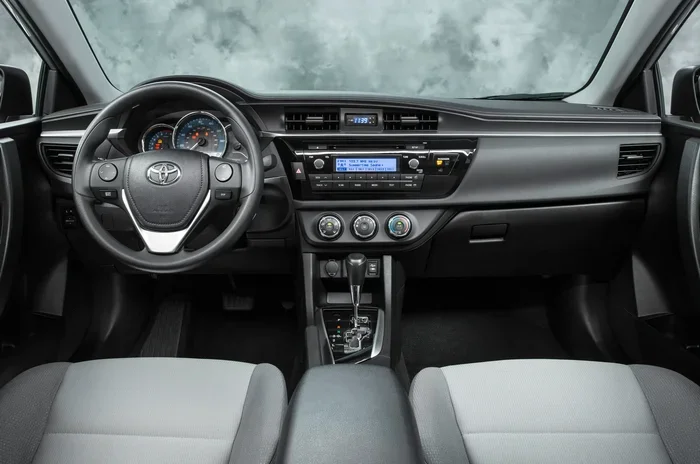
Most Toyota Camry models from 2018 and newer come equipped with a smart key system. This means you do not need to insert a physical key into the ignition. Instead, you use a key fob that communicates wirelessly with the car.
This system is convenient and fast. But if you have never used it before, the steps might seem a little confusing at first. Here is exactly how it works.
Step-by-Step Push-Button Start Process
- Step 1: Sit in the driver’s seat. Make sure the key fob is inside the vehicle. The car needs to detect the fob to allow ignition.
- Step 2: Press the brake pedal firmly. The push-button start system requires you to press the brake before the engine will turn over.
- Step 3: Press the Engine Start/Stop button. You will find this button on the dashboard or center console. Press it once and hold it for a second.
- Step 4: Wait for the dashboard lights. The instrument panel will light up, and the engine will start within a few seconds.
- Step 5: Release the parking brake and drive. Once the engine is running, you are ready to go.
That is all it takes to start a Toyota Camry with a push-button system. The entire process takes less than five seconds. It is one of the easiest starting methods available in any car today.
What If the Key Fob Battery Is Low?
Sometimes the key fob battery dies, and the car cannot detect it. In this case, most Camry models have a backup system. Look for a small slot near the start button. Place the key fob into this slot, and then press the start button. The car will read the fob through direct contact and start the engine.
Replacing the key fob battery is simple and inexpensive. A standard CR2032 battery works for most Camry fobs. Keep a spare one in your glove box so you are never caught off guard.
Starting a Toyota Camry With a Traditional Key Ignition
If you own an older Camry model or a base trim, your car likely uses a traditional key ignition. This method has been around for decades, and it is simple to use once you know the steps.
How to Turn the Key and Start the Engine
First, insert the key into the ignition cylinder. The ignition is located on the steering column, usually to the right of the steering wheel. Turn the key clockwise until you feel it click into the “On” position. Then, press the brake pedal and turn the key further to start the engine.
You should hear the engine crank and then fire up. If the key feels stiff or hard to turn, do not force it. This could indicate a problem with the ignition lock cylinder or the steering column lock mechanism.
For those who have ever dealt with a stuck key, learning how to pop a key out of the ignition can save you from frustration. Sometimes the key gets trapped, and knowing the release technique makes a big difference.
Common Issues With Traditional Key Ignition
- Key will not turn: The steering column lock may be engaged. Try wiggling the steering wheel gently while turning the key.
- Engine cranks but does not start: This could be a fuel issue or a problem with the starter motor.
- Key feels loose in the ignition: The ignition cylinder may be worn and need replacement.
Regular maintenance of your ignition system helps prevent these problems. Keep your key clean and avoid hanging heavy keychains on the ignition key, as this can cause wear over time.
How to Start a Toyota Camry Hybrid
The Toyota Camry Hybrid is one of the best-selling hybrid sedans in the world. It combines a gasoline engine with an electric motor for excellent fuel economy. Starting a hybrid Camry is slightly different from a standard Camry, and it is important to understand the unique steps.
Many people wonder whether you can jump start a Toyota hybrid battery or a hybrid car in general. The short answer is yes, but there are specific precautions you should follow. Hybrid Camrys have a high-voltage battery in addition to the standard 12-volt battery, and the starting process involves both systems working together.
Starting the Hybrid Camry Step by Step
- Step 1: Ensure the car is in Park. The hybrid system will not start unless the transmission is in Park or Neutral.
- Step 2: Press the brake pedal. Just like the standard Camry, the brake pedal must be pressed before pressing the start button.
- Step 3: Press the Engine Start/Stop button. The hybrid system will initialize. You may see a blue “Ready” light on the dashboard instead of the usual engine sound.
- Step 4: Release the parking brake and drive. The electric motor will provide immediate torque, so the car may move slightly before you press the accelerator.
The hybrid Camry is remarkably quiet when starting. This is normal and not a sign of a problem. The electric motor handles the initial startup, and the gasoline engine kicks in when you need more power.
Jump-Starting a Hybrid Camry
If your hybrid Camry battery is dead, you can jump-start it using another vehicle or a portable jump starter. The process is similar to jump-starting a regular car, but you must connect the jumper cables to the correct terminals. The hybrid Camry has a dedicated 12-volt battery location, usually under the hood near the fuse box. Always refer to your owner’s manual for the exact terminal locations.
For a detailed walkthrough on jump-starting hybrid systems, check out our guide on Can You Jump Start A Toyota Hybrid Car. It covers the safety steps and cable connection order in detail.
Why Your Toyota Camry Might Not Start
Even the most reliable Toyota Camry can have starting problems from time to time. Understanding the most common reasons your Camry won’t start can help you diagnose the issue quickly and get back on the road.
Dead Battery
The number one reason any car will not start is a dead or weak battery. The 12-volt battery powers the starter motor, ignition system, and electronics. Over time, batteries lose their charge, especially in cold weather or if lights were left on.
Signs of a dead battery include:
- No sound when you press the start button
- A clicking noise but the engine does not turn over
- Dim dashboard lights or flickering gauges
- The electrical windows work slowly or not at all
If your battery is dead, you can jump-start it using jumper cables and another vehicle. Most Toyota Camrys can be jump-started easily, and the process takes about five minutes. Keeping a portable jump starter in your trunk is also a great idea for emergencies.
Faulty Starter Motor
The starter motor is what turns the engine over when you turn the key or press the start button. If the starter motor fails, you will hear a single click or nothing at all when you try to start the car. Starter motors can wear out over time, especially in higher-mileage vehicles.
If you suspect a bad starter, it is best to have a mechanic inspect it. Replacing a starter motor is a common repair and is usually affordable. However, if you ignore the problem, a failed starter can leave you stranded.
Fuel System Problems
Sometimes the issue is as simple as running out of fuel or having a clogged fuel filter. Before assuming the worst, check your fuel gauge. If the tank is empty, fill it up and try again.
Before fueling up, you need to know how to uncap gas on your specific Camry model. The fuel door release is usually located on the driver’s side floor panel or on the dashboard near the fuel gauge. If the fuel cap is stuck, do not force it, as this can damage the fuel system.
Ignition Switch Failure
The ignition switch is the component that sends power to the starter motor and ignition system. When it fails, the car may not respond at all when you turn the key or press the start button. Ignition switch failure is less common than a dead battery, but it does happen, especially in older Camry models.
How to Keep Your Toyota Camry Starting Reliably
Prevention is always better than repair when it comes to your car’s starting system. A few simple habits can keep your Toyota Camry starting smoothly for hundreds of thousands of miles.
Regular Battery Maintenance
Have your battery tested at every oil change, especially after the three-year mark. Most auto parts stores offer free battery testing. If your battery is showing signs of weakness, replace it before it leaves you stranded.
Keep the Fuel System Clean
Use quality fuel and consider adding a fuel system cleaner every few thousand miles. A clean fuel system ensures the engine gets the right amount of fuel and starts reliably every time.
Address Warning Signs Early
If you notice any unusual sounds, slow cranking, or dashboard warning lights, do not ignore them. These are early signals that something needs attention. Fixing small problems early saves you from bigger, more expensive repairs later.
With proper care, a Toyota Camry can easily last well over 200,000 miles. In fact, many Camry owners report that their vehicles can go far beyond the 200,000-mile mark with regular maintenance. To learn more about how long these cars truly last, read our article on Can A Toyota Camry Last 500 for real-world longevity insights.
Quick Tips for Every Camry Owner
Here are some quick, practical tips that every Toyota Camry owner should know about starting their vehicle:
- Always carry a spare key fob battery. A dead fob battery can leave you unable to start your car, even if the fob itself is not physically damaged.
- Do not press the start button multiple times. Holding the button down for too long or pressing it repeatedly can drain the battery and strain the starter motor.
- Keep the car in Park before starting. Starting in any other gear can trigger safety systems and prevent the engine from turning over.
- Check for dashboard warning lights before driving. If any warning light stays on after the engine starts, have it diagnosed right away.
- Store your key fob properly. Keep it away from other electronic devices that might interfere with the signal, and do not place it near strong magnets.
- Warm up the engine in cold weather. In very cold climates, let the engine run for 30 seconds before driving to allow the oil to circulate properly.
These small habits add up over time and keep your Camry running at its best. They take only seconds but can prevent frustrating starting problems down the road.
Final Thoughts on Starting Your Toyota Camry
Starting a Toyota Camry is one of the simplest things you will do every day. Whether you use a key fob with push-button start or a traditional key ignition, the process is designed to be easy and intuitive. The key is understanding your specific model and knowing what to do when things do not go as planned.
By following the steps in this guide, you can confidently start your Camry every single time. You also now know how to handle common problems like a dead battery, a faulty starter, or a low key fob charge. These skills will save you time, money, and a lot of stress.
Remember, your Toyota Camry is built to last. With regular maintenance and a little bit of knowledge, it will start reliably for many years to come. Keep this guide handy, and you will always know exactly what to do when you approach your Camry with the keys in hand.
Frequently Asked Questions
Can I start a Toyota Camry without the key fob?
Yes, most newer Camry models have a backup slot near the start button where you can place the key fob directly. This allows the car to read the fob through contact and start the engine even if the fob battery is dead. Check your owner’s manual for the exact location of the backup slot in your specific model year.
How do I know if my Toyota Camry battery needs replacing?
Common signs include slow cranking when you turn the key or press the start button, dim dashboard lights, and a battery warning light on the dashboard. Most batteries last between three and five years. Have your battery tested regularly, especially after the third year, to catch weakness before it becomes a problem.
What should I do if my Toyota Camry won’t start but the lights come on?
If the dashboard lights turn on but the engine does not crank, the battery may have enough power for electronics but not enough to turn the starter motor. Try jump-starting the car with jumper cables and another vehicle. If jump-starting does not work, the starter motor or ignition switch may need professional inspection.
Is it safe to jump-start a Toyota Camry Hybrid?
Yes, it is safe to jump-start a hybrid Camry, but you must follow the correct procedures. Connect jumper cables to the 12-volt battery terminals only, not the high-voltage hybrid battery. The hybrid battery has a different voltage and can be dangerous if handled incorrectly. Always refer to the owner’s manual for terminal locations and safety precautions.
Why does my Toyota Camry take a long time to start?
A slow start can indicate a weak battery, a failing starter motor, or a problem with the fuel system. Cold weather can also slow down the starting process because the engine oil thickens. If your Camry consistently takes more than a few seconds to start, have the battery and starter motor tested by a qualified mechanic.
How often should I replace the key fob battery in my Toyota Camry?
Most Camry key fob batteries last between one and two years, depending on usage. If you notice the fob not working from a distance or needing to place it directly on the start button, it is time to replace the battery. A standard CR2032 battery is used in most Camry fobs and costs just a few dollars at any auto parts store.
=== CONCLUSION ===
Knowing how to start a Toyota Camry is essential for every owner, whether you drive a new hybrid model or an older sedan with a traditional key. The push-button start system makes starting the car quick and easy, but understanding the backup methods and troubleshooting steps gives you real peace of mind. Keep your battery maintained, your key fob charged, and your fuel system clean, and your Camry will start without fail every time. Use the tips in this guide, and you will handle any starting situation with confidence and ease.