How Do You Reset the Check Light on a Toyota Corolla
Resetting the check light on a Toyota Corolla is something every owner can do with the right guidance. Whether your check engine light is glowing steadily or flashing, understanding how to reset the check light on a Toyota Corolla can save you time and money. This guide covers every method from OBD scanners to simple battery tricks, so you can tackle the problem quickly and confidently.
There is nothing quite like seeing that little yellow or orange light pop up on your Toyota Corolla dashboard. It can feel alarming, especially if you do not know what it means or how to fix it. But here is the good news: resetting the check light on a Toyota Corolla is often simpler than most people think. Whether the light came on because of a loose gas cap or something more involved, this guide will walk you through every method step by step.
You do not need to be a mechanic to handle this. With the right tools and a bit of patience, you can clear the warning and get back on the road. In this article, we will cover exactly what the check engine light means, the most common reasons it shows up, and the best ways to reset the check light on a Toyota Corolla yourself. We will also talk about when you should not reset it and how to keep it from coming back.
More and more car owners are choosing to handle simple resets at home. It saves money on diagnostic fees and gives you a better understanding of your vehicle. Whether you are a seasoned DIYer or a first-time car owner, this guide will give you the confidence to tackle the check light Toyota issue head-on. Let us dive in and get your dashboard looking clean again.
Key Takeaways
- Multiple reset methods exist: You can use an OBD-II scanner, disconnect the battery, or follow Toyota’s built-in procedure to reset the check light.
- Know what the light means: A solid check light often signals a minor issue, while a flashing light may indicate a serious problem that needs immediate attention.
- Address the root cause first: Resetting the light without fixing the underlying problem will only cause it to return.
- Regular maintenance helps: Sticking to your Toyota maintenance schedule can prevent many common causes of the check light.
- Simple fixes are common: A loose gas cap or worn spark plug are among the most frequent reasons the check light appears on a Toyota Corolla.
- DIY resets save money: You can reset the check light at home without visiting a mechanic or dealership.
📑 Table of Contents
What Does the Check Light on a Toyota Corolla Mean?
Understanding the Check Engine Light and Dashboard Indicators
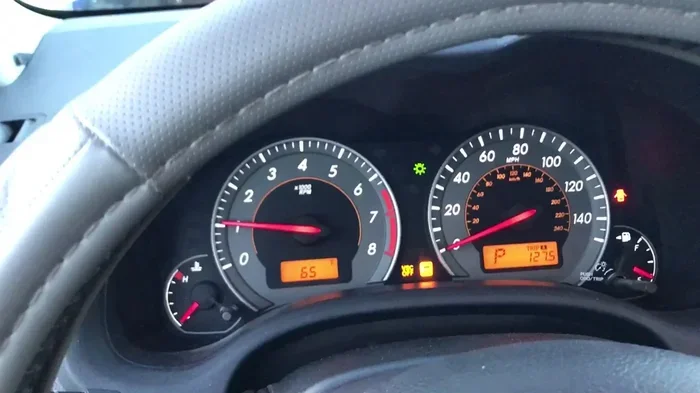
The check light on a Toyota Corolla is part of the vehicle’s onboard diagnostics system. It is also known as the malfunction indicator lamp or MIL. When this light turns on, it means the car’s computer has detected something that is not working as it should. The system stores a check engine code that helps identify the specific problem.
Your Toyota Corolla dashboard has several warning lights, and they all serve different purposes. The check light specifically monitors the engine and emission control systems. It is designed to alert you when something in these systems needs attention. Ignoring this light can lead to bigger problems down the road, so it is always best to address it sooner rather than later.
The Toyota diagnostic system has been a standard feature in Corollas for decades. It continuously monitors sensors throughout the engine, transmission, and exhaust system. When a sensor reading falls outside the expected range, the system logs a trouble code and illuminates the warning light on the dashboard.
Sometimes the light stays on constantly, and other times it may flash. Each behavior tells you something different about the severity of the issue. Understanding this difference is the first step toward a proper solution.
The Difference Between a Solid Light and a Flashing Light
A solid check light usually means there is a non-emergency issue. It could be something as simple as a loose gas cap or a sensor that needs replacing. While you should still get it checked, a solid light does not typically require immediate action. Many drivers continue to operate their vehicles safely with a solid check light for a short period while they schedule a service appointment.
A flashing check light, on the other hand, is a more urgent signal. It often indicates a condition that could damage the catalytic converter or other expensive components. If your check light flashing on a Toyota Corolla, you should reduce your speed and avoid heavy acceleration. Pull over safely and consider having the vehicle towed to a service center. Driving with a flashing check light can cause cascading damage to other parts of the engine warning light system.
The key takeaway here is that not all check lights are created equal. Knowing whether yours is solid or flashing helps you decide how quickly you need to act and whether a Toyota Corolla troubleshooting session is urgent or can wait a few days.
Common Reasons the Check Light Comes On in a Toyota Corolla
Loose Gas Cap and Fuel System Issues
One of the most common reasons for a check light is a loose or damaged gas cap. It sounds almost too simple, but the fuel system relies on proper pressure to work correctly. When the cap is not sealed tightly, fuel vapors can escape, and the Toyota diagnostic system will flag it as a problem.
If you recently filled up and the light came on right after, try tightening the gas cap. In many cases, the light will turn off on its own after a few drive cycles. This is one of the easiest check engine light causes to fix, and it costs nothing. Make sure the cap clicks at least three times when you tighten it to ensure a proper seal.
Oxygen Sensor and Emission Problems
The oxygen sensor in your Toyota Corolla measures how much oxygen is in the exhaust. It helps the engine control unit adjust the fuel mixture for optimal performance. When this sensor fails or gets dirty, it can trigger the check light.
A faulty oxygen sensor can reduce fuel efficiency and increase emissions. If you notice your car using more gas than usual along with the check light, the oxygen sensor might be the culprit. Replacing it is a common Toyota Corolla repair that a mechanic can handle quickly. Most Toyota Corollas have two to four oxygen sensors, so identifying which one has failed is an important part of Toyota Corolla troubleshooting.
Spark Plug and Ignition Issues
Spark plugs ignite the fuel-air mixture in your engine’s cylinders. Over time, they wear out and may not fire properly. This can cause misfires, which will definitely trigger the check light.
Worn spark plugs can also lead to rough idling and poor acceleration. If your Toyota Corolla feels sluggish or shakes at idle, check the spark plugs. Replacing them is a routine part of the vehicle maintenance schedule and can often clear the check light once the new plugs are installed. Most Toyota Corollas need spark plug replacement every 30,000 to 100,000 miles depending on the type of plugs installed.
Other Common Triggers
Beyond gas caps, oxygen sensors, and spark plugs, other issues can activate the check light. These include problems with the mass airflow sensor, the evaporative emission control system, or even the Toyota maintenance light reset circuit itself. Sometimes a low battery voltage can also cause the light to come on temporarily.
It is also worth noting that tire pressure issues can trigger warning lights on the dashboard. If you are wondering how to check tire pressure without special tools, there are simple methods you can use at home. Understanding your dashboard indicators fully helps you respond faster and more effectively. Keeping an eye on tire health is a great way to prevent unnecessary warnings from lighting up your dash.
How to Reset the Check Light on a Toyota Corolla
Once you have identified and fixed the problem, the next step is to reset the check light on a Toyota Corolla. There are three main methods you can use. Each one works well, and the best choice depends on the tools you have available and your comfort level with car maintenance.
Method 1: Using an OBD-II Scanner
An OBD-II scanner is the most reliable way to reset the check light. This small device plugs into the diagnostic port under your Toyota Corolla’s dashboard. It reads the stored check engine codes and lets you clear them after the fix is complete. Using an OBD scanner is the preferred method because it also gives you detailed information about what triggered the light in the first place.
Here is how to do it:
- Locate the OBD-II port under the dashboard on the driver’s side.
- Plug the scanner into the port.
- Turn the ignition to the “ON” position without starting the engine.
- Follow the scanner’s instructions to read and then clear the codes.
- Turn the ignition off and back on to verify the light is gone.
You can buy a basic scanner for under $30 at most auto parts stores. More advanced models with Bluetooth connectivity and smartphone apps are also available for under $50. Many auto parts stores will read and clear codes for free if you do not want to purchase a scanner. This is a great option if you only need to reset the light once.
If you are also dealing with a maintenance required light, check out our guide on how to get the maintenance required light off for additional tips on clearing service reminders from your Toyota.
Method 2: The Battery Disconnect Technique
Disconnecting the battery is a classic trick that works for many Toyota models. When you remove the battery cables, the car’s computer resets, and in many cases, the check light goes with it. This method is simple and does not require any special tools beyond a basic wrench.
Here is the step-by-step process:
- Turn off the engine and all electrical accessories.
- Open the hood and locate the battery.
- Using a wrench, loosen the negative (black) battery cable first.
- Disconnect the cable and let it sit for at least 15 minutes.
- Reconnect the negative cable and tighten it securely.
- Start the engine and check if the check light is off.
This method is effective because it clears the short-term memory in the car’s computer. However, it also resets other settings like your radio presets and clock. If you are not comfortable working with the battery, you might want to try another method. Always disconnect the negative cable first to avoid short circuits.
Method 3: Toyota-Specific Reset Procedure
Toyota vehicles have a built-in reset procedure that can clear certain warning lights. While this method works best for the maintenance required light, it can sometimes help with the check light as well. The procedure involves turning the ignition on and off in a specific sequence while pressing certain buttons on the dashboard or steering wheel.
For a detailed walkthrough on how to reset your maintenance required light specifically, refer to our dedicated article that covers Toyota’s built-in reset process in detail. The exact steps vary by model year, so it is a good idea to consult your Toyota Corolla owner’s manual for the precise instructions.
For tire pressure-related warnings, you can also learn how to tell which tire is low without a gauge to address one of the common triggers for dashboard warning lights. Addressing the root cause before resetting ensures the light stays off for good.
When You Should Not Reset the Check Light
Recognizing Serious Warning Signs
There are times when resetting the check light is a bad idea. If your car is showing serious symptoms like stalling, overheating, or a significant loss of power, the check light is trying to tell you something important. In these situations, resetting the light without diagnosing the problem can be dangerous. You could end up driving a vehicle that is unsafe or on the verge of a breakdown.
You should also avoid resetting the light if you have recently had a major repair and are unsure whether it was done correctly. The check light exists to protect your engine and emission systems. Clearing it prematurely can mask a problem that gets worse over time. If you just had work done and the light came on, go back to the shop and have them recheck their work before attempting any reset.
Why Addressing the Root Cause Matters
Resetting the check light without fixing the underlying issue is like turning off a smoke alarm instead of putting out the fire. The light will almost always come back, and each time it does, the problem may be worse than before. Your Toyota’s computer is designed to protect the engine and emission systems, and overriding that protection is never a good idea.
Additionally, driving with an unresolved check light issue can reduce your fuel economy, increase emissions, and potentially cause costly damage to components like the catalytic converter. Taking the time to diagnose and fix the real problem is always the smarter choice. A few dollars spent on a diagnostic scan can save you hundreds in future repairs.
If you are unsure what the code means, many auto parts stores offer free diagnostic reading. This is a great first step before attempting any reset. Getting the code read tells you exactly what the computer has flagged, so you can address the specific issue rather than guessing.
Preventing the Check Light from Returning
Sticking to Your Toyota Maintenance Schedule
The best way to keep the check light off is to follow your Toyota maintenance schedule. Regular oil changes, spark plug replacements, and air filter updates go a long way in keeping your engine running smoothly. A well-maintained Toyota Corolla is far less likely to throw unexpected warning lights. Following the recommended service intervals also keeps your warranty coverage intact if you are still within the warranty period.
Make it a habit to check your fluid levels, tire pressure, and belts regularly. These small efforts add up and help you catch minor issues before they trigger the check light. A proactive approach to maintenance is always cheaper and easier than reactive repairs.
Quick Tips for a Healthy Dashboard
- Check your gas cap after every fill-up to make sure it is tight and sealed properly.
- Monitor your dashboard indicators regularly so you notice changes early.
- Keep up with oil changes according to your Toyota service interval recommendations.
- Use quality fuel from reputable stations to avoid contamination issues.
- Address minor warnings promptly before they become major repairs.
Following these simple habits can significantly reduce the chances of seeing that dreaded check light again. Prevention is always easier and cheaper than repair. A few minutes of attention each week can keep your Toyota Corolla running smoothly and your dashboard clean of warning lights.
Final Thoughts on Resetting the Check Light
Resetting the check light on a Toyota Corolla does not have to be a stressful experience. With the right approach, you can handle it yourself in most cases. Start by understanding what the light means, then identify and fix the root cause. Once the problem is resolved, use an OBD-II scanner, the battery disconnect method, or Toyota’s built-in procedure to clear the light.
Remember that the check light is your car’s way of communicating with you. It is not something to ignore or simply suppress. By taking it seriously and addressing the underlying issue, you keep your Toyota Corolla running strong for years to come. The Toyota diagnostic system is there to help you catch problems early, and responding to it promptly pays off in the long run.
Now that you know how to reset the check light on a Toyota Corolla, you are better prepared for the next time that dashboard warning appears. Stay calm, diagnose the issue, fix it, and reset with confidence. Your Toyota Corolla will thank you for it, and you will save time and money by handling it yourself.
Frequently Asked Questions
Can I drive my Toyota Corolla with the check light on?
It depends on whether the light is solid or flashing. A solid check light usually means you can drive carefully to a service center. However, a flashing light signals a serious issue, and you should avoid driving and have the vehicle towed instead. Always err on the side of caution when the check light appears.
How much does it cost to reset the check light on a Toyota Corolla?
If you use an OBD-II scanner, the cost is just the price of the scanner, which starts around $20. Many auto parts stores will read and clear codes for free. If you visit a mechanic or dealership, you may pay a diagnostic fee ranging from $50 to $150 depending on your location.
Will the check light come back after I reset it?
Yes, the check light will likely return if the underlying problem has not been fixed. The car’s computer stores the issue and will re-trigger the light once it detects the same problem again. Always diagnose and repair the root cause before resetting the light.
How long does it take to reset the check light on a Toyota Corolla?
The actual reset process takes only a few minutes whether you are using an OBD-II scanner or disconnecting the battery. However, the total time depends on how long it takes you to diagnose and fix the underlying issue. Simple fixes like tightening a gas cap can resolve the problem in minutes.
What is the difference between the check engine light and the maintenance required light?
The check engine light monitors engine and emission system problems, while the maintenance required light is a service reminder based on mileage or time intervals. They are separate systems, and each may require a different reset method. Understanding this difference helps you respond appropriately to each warning.
Do I need a special tool to reset the check light on a Toyota Corolla?
An OBD-II scanner is the most effective tool for resetting the check light, but it is not strictly required. You can also reset the light by disconnecting the battery. However, an OBD-II scanner gives you the added benefit of reading and clearing specific diagnostic trouble codes, which helps you confirm the fix worked properly.