How Big Is the Corolla Cross Gas Tank Revealed
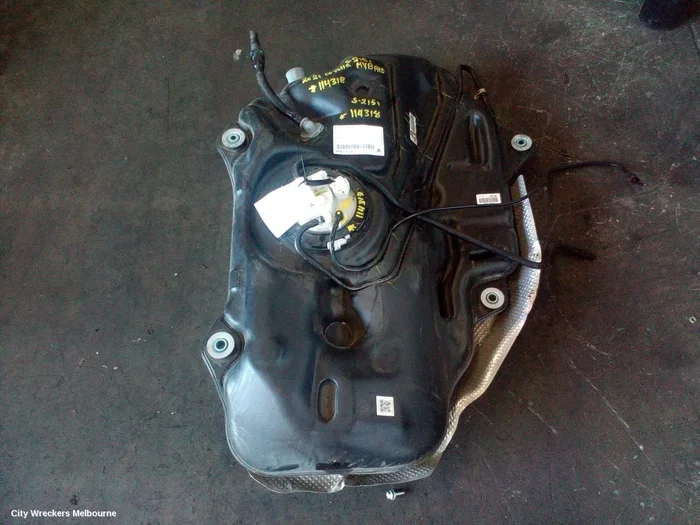
The Corolla Cross gas tank holds approximately 11.5 gallons, giving the Toyota compact crossover a solid range for daily commutes and road trips. Understanding your fuel tank capacity helps you plan refueling stops, estimate costs, and get the most out of your Toyota Corolla Cross fuel economy.
If you are shopping for a compact SUV or already own a Toyota Corolla Cross, one question keeps popping up: how big is the Corolla Cross gas tank? It is a simple question, but the answer matters more than most people think. Your fuel tank size affects everything from how far you can drive on a single fill-up to how often you need to stop at the gas station.
In this guide, we break down the Corolla Cross fuel tank in plain language. You will learn the exact tank capacity, what that means for your daily driving, and how it stacks up against similar vehicles. Whether you are commuting to work or planning a weekend road trip, knowing your tank size gives you an edge.
The Toyota Corolla Cross has become one of the most popular compact crossovers on the road. Its blend of style, efficiency, and affordability draws in buyers who want a practical vehicle without overspending. And the Corolla Cross gas tank plays a big role in that practicality. Let us dive into everything you need to know.
Key Takeaways
- Tank Capacity: The Corolla Cross gas tank holds around 11.5 gallons of fuel.
- Real-World Range: A full tank can take you roughly 400–500 miles depending on driving habits and conditions.
- Fuel Economy: The Corolla Cross delivers competitive MPG for a compact SUV, making it an efficient daily driver.
- Refueling Tips: Knowing when and how to refuel can help you avoid running low and protect your fuel pump.
- Comparison Value: The Corolla Cross tank size sits in the sweet spot for compact crossovers, balancing size and efficiency.
- Maintenance Matters: Keeping your fuel system clean and your gauge accurate extends the life of your vehicle.
- Cost Savings: Understanding your tank size helps you budget for fuel and find the best times to fill up.
📑 Table of Contents
- Corolla Cross Gas Tank Capacity
- Fuel Economy and Range
- Why Tank Size Matters for Daily Driving
- How to Maximize Your Corolla Cross Fuel Tank
- Corolla Cross Tank Size Compared to Competitors
- Common Mistakes That Affect Your Fuel Tank
- Expert Tips for Getting the Most from Your Corolla Cross Tank
- Conclusion
Corolla Cross Gas Tank Capacity
The official fuel tank capacity for the Toyota Corolla Cross is 11.5 gallons. This number is consistent across most trim levels and model years. Toyota designed the tank to balance two things: giving you enough range to go long stretches without stopping and keeping the vehicle light and efficient.
Now, 11.5 gallons might not sound like a lot if you are used to larger trucks or SUVs. But for a compact crossover, it is a sweet spot. The Corolla Cross is not built for hauling heavy loads or towing massive trailers. It is built for smart, efficient driving. And the tank size reflects that philosophy perfectly.
What 11.5 Gallons Means in Real Life
Let us put this into perspective. If your Corolla Cross gets around 32 miles per gallon on the highway, a full tank gives you roughly 368 miles of range. In city driving, where MPG drops to around 28–30, you are still looking at about 320–345 miles per fill-up. That is serious range for a compact vehicle.
Compare that to how many gallons a full tank of gas holds in other popular vehicles, and you will see the Corolla Cross holds a very competitive amount. Many small crossovers and sedans fall in the 10–13 gallon range, so Toyota landed right in the middle with this design choice.
For most drivers, 11.5 gallons means you can go a full week or more without stopping for gas. If your daily commute is under 30 miles round trip, you might only need to fill up every 10–12 days. That is a huge convenience factor.
Fuel Economy and Range
The Corolla Cross gas tank works hand in hand with the vehicle’s fuel economy to determine your real-world range. Toyota rates the Corolla Cross at around 31 MPG combined, with the hybrid variant delivering even better numbers. Let us look at what this means for your wallet and your time.
Gas vs. Hybrid Tank Usage
Both the gas and hybrid Corolla Cross models share the same 11.5-gallon tank capacity. However, the hybrid version uses fuel much more efficiently. A hybrid Corolla Cross can easily push 40+ MPG in mixed driving, which means your 11.5 gallons take you much farther.
Here is a quick comparison:
- Gas Model (Combined): 31 MPG — approximately 356 miles per full tank
- Hybrid Model (Combined): 40 MPG — approximately 460 miles per full tank
- City Driving (Gas): 28 MPG — approximately 322 miles per full tank
- Highway Driving (Gas): 34 MPG — approximately 391 miles per full tank
As you can see, the hybrid variant stretches that 11.5-gallon tank much further. If you do a lot of stop-and-go city driving, the hybrid makes even more sense because it recovers energy during braking and uses less fuel at low speeds.
How Far Can You Go on Empty?
Many drivers wonder how much distance they actually have once the fuel light comes on. The answer depends on driving speed, terrain, and habits. Generally, the Corolla Cross will give you an extra 30–50 miles after the warning light activates. But do not make a habit of pushing it this far.
Running on empty repeatedly can damage your fuel pump. The pump relies on fuel flowing through it to stay cool. When the tank is nearly empty, the pump can overheat and wear out faster. If you want to learn more about what happens when the light comes on, check out how many gallons are left when the light comes on for a deeper dive into this topic.
Why Tank Size Matters for Daily Driving
It is easy to overlook tank size when shopping for a car. Everyone focuses on horsepower, interior space, and tech features. But the Corolla Cross fuel tank directly impacts your daily routine in ways you might not expect.
Fewer Trips to the Gas Station
With 11.5 gallons in the tank, you can go longer between fill-ups. For a commuter who drives 20 miles each way, five days a week, that is 100 miles per week. At 31 MPG combined, you use about 3.2 gallons per week. That means your full tank lasts roughly three and a half weeks.
Think about what that saves you. Fewer gas station stops means more time at home, at work, or doing the things you enjoy. Over a year, the Corolla Cross driver might visit the gas station 15–20 fewer times than someone with a smaller tank.
Road Trip Planning Made Easy
Planning a road trip? Your tank size helps you map out rest stops and fuel breaks. With a range of over 350 miles on a full tank, you can comfortably drive between major cities without worrying about frequent stops. You can focus on the journey instead of constantly checking the fuel gauge.
If you are curious about how far your car can actually travel on a single tank, how far a car can go on empty covers this topic in great detail. It is a helpful read for anyone who wants to understand their vehicle’s true range capabilities.
Fuel Cost Savings
Let us talk money. At an average gas price of $3.50 per gallon, filling up the Corolla Cross costs about $40.35. With 31 MPG, that $40.35 buys you roughly 1,100 miles of driving. Compare that to a vehicle with a 15-gallon tank that gets 22 MPG. You would spend more per fill-up and get fewer miles out of each dollar.
Over the course of a year, the Corolla Cross owner can save hundreds of dollars in fuel costs compared to less efficient vehicles. The compact tank size contributes directly to this savings by keeping the vehicle lightweight and efficient.
How to Maximize Your Corolla Cross Fuel Tank
Knowing your tank size is only half the battle. The other half is making sure you get the most out of every gallon. Here are some practical tips to help you stretch your fuel and protect your tank.
Keep Your Tires Properly Inflated
Underinflated tires create rolling resistance, which forces your engine to work harder and burn more fuel. Check your tire pressure at least once a month. The recommended PSI for the Corolla Cross is listed on the driver-side door jamb. Keeping tires at the right pressure can improve your MPG by up to 3%.
Avoid Aggressive Driving
Hard acceleration and sudden braking waste fuel. Smooth, steady driving keeps your engine running efficiently and helps you get the most miles out of each gallon. Try to anticipate stops and ease off the accelerator early when you see traffic slowing down.
Use the Right Fuel
The Corolla Cross runs best on regular unleaded gasoline. Using a higher octane fuel does not improve performance or fuel economy in this vehicle. Stick with what the manufacturer recommends and save your money at the pump.
Keep the Tank at Least a Quarter Full
Running your tank too low can cause sediment from the bottom of the tank to enter the fuel system. This can clog filters and damage the fuel pump over time. A simple rule of thumb: never let the tank drop below a quarter full if you can avoid it.
Use Cruise Control on Highways
Maintaining a steady speed on the highway improves fuel efficiency. Cruise control helps you avoid unnecessary speed changes that burn extra gas. Just be sure to stay alert and ready to take control when needed.
Corolla Cross Tank Size Compared to Competitors
How does the Corolla Cross fuel tank measure up against other compact crossovers? Let us compare it to a few popular rivals in the same class. This gives you a clear picture of where Toyota stands in terms of range and efficiency.
| Vehicle | Tank Capacity | Combined MPG | Estimated Range |
|---|---|---|---|
| Toyota Corolla Cross | 11.5 gallons | 31 MPG | ~356 miles |
| Honda HR-V | 12.4 gallons | 30 MPG | ~372 miles |
| Hyundai Kona | 11.9 gallons | 30 MPG | ~357 miles |
| Mazda CX-30 | 13.2 gallons | 29 MPG | ~383 miles |
| Nissan Kicks | 12.1 gallons | 33 MPG | ~399 miles |
As you can see from the comparison, the Corolla Cross holds a slightly smaller tank than some competitors, but it makes up for it with strong fuel economy. The Honda HR-V has a bigger tank, but its MPG is lower, so the range advantage is minimal. The Nissan Kicks actually offers the longest range thanks to its combination of a decent tank size and the best MPG in the group.
What this tells you is that tank size alone does not determine range. Fuel efficiency plays an equally important role. The Corolla Cross proves that a smartly sized tank paired with excellent MPG delivers a compelling package for daily drivers and road trippers alike.
Common Mistakes That Affect Your Fuel Tank
Even with a well-designed tank like the one in the Corolla Cross, certain habits can reduce its effectiveness and shorten its lifespan. Here are some common mistakes to avoid.
Topping Off the Tank
Some people like to squeeze in every last drop after the pump clicks off. This seems smart, but it can actually cause problems. Overfilling can flood the charcoal canister, which is part of your vehicle’s emissions system. Repairing a damaged canister is expensive and unnecessary. Let the pump do its job and stop when it clicks.
Ignoring the Fuel Gauge
Many drivers wait until the fuel light comes on before they look for a gas station. By that point, you are already running low. Make it a habit to check your gauge regularly and plan your fill-ups. This simple practice protects your fuel pump and keeps you from getting stranded.
Skipping Regular Maintenance
A dirty fuel filter or clogged fuel injector can reduce the amount of fuel that reaches your engine. This means you get fewer miles per gallon and may find yourself filling up more often. Stick to the maintenance schedule in your owner’s manual and keep your fuel system clean.
Leaving the Tank Empty for Long Periods
If you store your Corolla Cross for an extended period, do not leave it with an empty tank. Condensation can form inside an empty tank, leading to rust and water contamination in your fuel system. Keep the tank at least half full if you plan to store the vehicle for more than a few weeks.
Expert Tips for Getting the Most from Your Corolla Cross Tank
After years of testing and reviewing vehicles, here are a few insider tips that can help you get the most out of your Corolla Cross fuel tank. These are practical, easy-to-follow suggestions that make a real difference.
First, fill up in the early morning or late evening when temperatures are cooler. Fuel is denser when it is cold, so you get slightly more fuel per gallon. This is a small benefit, but it adds up over time.
Second, use the recommended grade of fuel. The Corolla Cross does not need premium gasoline. Using regular unleaded saves you money at every fill-up without sacrificing performance.
Third, keep your fuel cap tight. A loose or damaged cap can cause fuel vapor to escape, which wastes fuel and triggers your check engine light. If your cap is cracked or does not seal properly, replace it right away. It is a small part that makes a big difference.
Fourth, plan your routes to avoid heavy traffic when possible. Stop-and-go driving is the enemy of fuel economy. If you can take a slightly longer route with less congestion, you may actually arrive faster and use less fuel.
Finally, keep track of your fuel usage. Write down your mileage and the amount of fuel you purchase each time you fill up. Over time, you will notice patterns and can spot problems early if your MPG starts to drop. This simple habit turns you into an expert on your own vehicle.
Conclusion
The Corolla Cross gas tank holds 11.5 gallons, and that single number tells you a lot about this vehicle. It is a carefully chosen size that balances range, efficiency, and practicality. Whether you drive the gas or hybrid version, that tank works hard to keep you moving without wasting fuel.
With a full tank, you can expect to go 350–460 miles depending on your driving conditions and whether you are in the gas or hybrid model. That is more than enough for most weekly commutes and plenty of room for weekend adventures.
Understanding your Corolla Cross fuel tank helps you drive smarter, save money, and avoid common fuel-related problems. Keep your tires inflated, maintain your fuel system, and fill up before you hit empty. These simple steps will keep your Corolla Cross running at its best for years to come.
The next time someone asks you, “How big is the Corolla Cross gas tank?” you will have a confident, detailed answer. And more importantly, you will understand what that tank size means for your driving experience. That is the kind of knowledge that makes you a better, more informed vehicle owner.
Frequently Asked Questions
What is the fuel tank size of the Corolla Cross?
The Toyota Corolla Cross has a fuel tank capacity of 11.5 gallons. This is the same across all trim levels and model years for the gas and hybrid versions of the vehicle.
How far can the Corolla Cross go on a full tank?
On a full tank of 11.5 gallons, the gas model can travel approximately 350–390 miles depending on driving conditions. The hybrid model can push that range to around 450–460 miles thanks to its superior fuel efficiency.
Does the Corolla Cross hybrid have a bigger gas tank?
No, both the gas and hybrid Corolla Cross models share the same 11.5-gallon tank. The hybrid version simply uses that fuel much more efficiently, resulting in significantly better range per tank.
How often do I need to fill up the Corolla Cross?
For an average driver who covers about 1,000 miles per week, you can expect to fill up roughly every 2–3 weeks with the Corolla Cross. Your actual frequency will depend on your daily mileage, driving style, and whether you drive mostly city or highway.
Can I use a higher octane fuel in the Corolla Cross?
Yes, but it is not necessary. The Corolla Cross is designed to run on regular unleaded gasoline. Using a higher octane fuel will not improve performance or fuel economy and will only cost you more money at the pump.
Why does my fuel gauge drop quickly sometimes?
Several factors can cause your fuel gauge to drop faster than expected. Aggressive driving, heavy traffic, underinflated tires, and using the air conditioner frequently all reduce fuel economy. If you notice a sudden drop, it could also indicate a fuel system issue that needs professional attention.