Does the Toyota Highlander Qualify for Section 179
The Toyota Highlander may qualify for a Section 179 deduction if it meets IRS requirements for business use and vehicle specifications. Understanding the rules around SUV tax write-offs and vehicle gross vehicle weight is essential. This guide breaks down everything you need to know about claiming a business tax deduction on your Highlander purchase.
Are you considering buying a Toyota Highlander for your business? You might be wondering whether this popular SUV can help you save on taxes. The answer depends on a few key factors, and Section 179 rules can be tricky. Let us break it all down for you in simple terms.
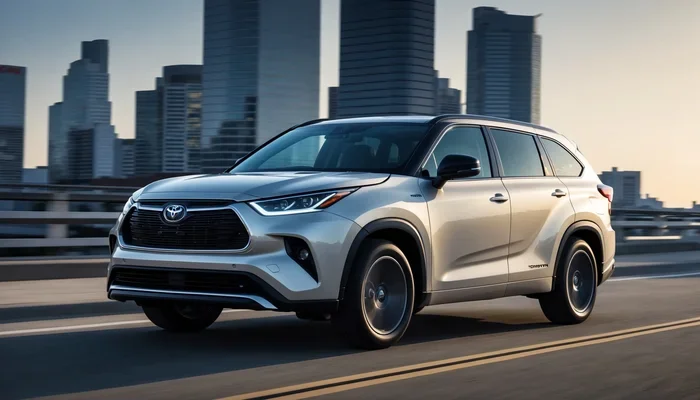
The Toyota Highlander is one of the most popular SUVs on the road. Families love it for its spacious interior and reliability. Business owners love it because it looks professional and can handle daily work tasks. But can you write it off on your taxes? That is the big question. This article will give you a clear, honest answer.
We will walk you through the IRS rules, the requirements, and the steps you need to take. You will learn what makes a vehicle qualify, what does not, and how to maximize your business tax deduction. By the end, you will know exactly where the Toyota Highlander stands. Let us get into it.
Key Takeaways
- Section 179 Eligibility: The Toyota Highlander can qualify under IRS rules for vehicles with a gross vehicle weight over 6,000 pounds.
- Deduction Limits: The 2024 Section 179 limit is $1,220,000, which covers most business vehicle purchases easily.
- Business Use Requirement: The vehicle must be used more than 50% for business purposes to claim the deduction.
- Weight Matters: The Highlander’s classification depends on its specific model and configuration, which affects eligibility.
- Documentation Is Key: Keep detailed records of business mileage and vehicle usage to support your claim.
- Consult a Tax Professional: Always verify eligibility with a CPA or tax advisor before filing.
📑 Table of Contents
- What Is Section 179 and How Does It Work?
- Does the Toyota Highlander Qualify for Section 179?
- How to Determine If Your Highlander Model Qualifies
- Alternatives and Additional Tax Strategies
- Common Mistakes Business Owners Make with Vehicle Deductions
- Expert Insights on Vehicle Tax Deductions
- Key Takeaways
- Final Thoughts: Is the Toyota Highlander Worth It for Your Business?
What Is Section 179 and How Does It Work?
Section 179 is a tax code that lets businesses deduct the full cost of qualifying equipment in the year they purchase it. Instead of spreading the deduction over several years through depreciation, you can take it all at once. This is a huge benefit for small business owners who need to buy vehicles, computers, or tools.
How the Section 179 Deduction Works
The idea behind Section 179 is simple. You buy something your business needs. You put it to work. Then you deduct the full purchase price from your taxable income. This reduces what you owe to the IRS. For example, if you buy a Toyota Highlander for $50,000 and use it for business, you could potentially deduct that entire $50,000 in one year.
But there are limits. The IRS sets a maximum deduction amount each year. For 2024, the Section 179 deduction limit is $1,220,000. You also need to make sure your business income can support the deduction. You cannot deduct more than your net business income.
Why Section 179 Matters for Vehicle Purchases
Many business owners buy vehicles without realizing they could save thousands on taxes. A business vehicle purchase is one of the most common uses of Section 179. Whether you drive a truck, van, or SUV, the tax code may allow you to write it off. The key is understanding the rules that apply to your specific vehicle.
Not every vehicle qualifies. Passenger cars have lower deduction limits. But larger SUVs and trucks often have higher limits. This is where the Toyota Highlander comes into the picture. Its classification matters a lot.
Does the Toyota Highlander Qualify for Section 179?
The short answer is: it depends. The Toyota Highlander is a mid-size SUV. Some configurations may qualify, while others may not. The IRS looks at several factors, including vehicle gross vehicle weight and how you use the vehicle. Let us look at each factor closely.
Gross Vehicle Weight Rating (GVWR)
The IRS uses the Gross Vehicle Weight Rating to determine if a vehicle qualifies for higher Section 179 limits. Vehicles with a GVWR over 6,000 pounds often qualify for larger deductions. The Toyota Highlander has a GVWR that typically falls in the 4,500 to 5,500 pound range, depending on the model year and trim.
This puts the standard Highlander below the 6,000-pound threshold. However, certain configurations or heavier trims might push closer to that line. It is important to check the exact GVWR for your specific model. You can find this information on the vehicle door jamb sticker or in the owner manual.
Business Use of the Vehicle
Even if the weight is close, your business use of vehicle matters enormously. The IRS requires that you use the vehicle more than 50% of the time for business purposes. If you drive your Toyota Highlander mostly for personal errands, you may not qualify for the full deduction.
Keep a mileage log. Track every business trip. Record the date, destination, purpose, and miles driven. This documentation will be essential if the IRS ever questions your claim. A simple spreadsheet or a mileage tracking app can make this easy.
SUV Tax Rules and the Highlander
The IRS treats SUVs differently from passenger cars. Under current rules, SUVs and trucks with a GVWR over 6,000 pounds can qualify for a heavy SUV deduction of up to $11,600 in the first year under regular depreciation rules. With Section 179, the limits are much higher.
However, if the Toyota Highlander does not meet the 6,000-pound threshold, it falls under the passenger car category. Passenger cars have a much lower first-year depreciation limit, typically around $20,200 for 2024. This is still a deduction, but it is not as generous.
| Vehicle Category | First-Year Section 179 Limit | Passenger Car Limit |
|---|---|---|
| Heavy SUV (GVWR over 6,000 lbs) | $1,220,000 | N/A |
| Passenger Car (GVWR under 6,000 lbs) | $20,200 | $20,200 |
| Light Truck/SUV (GVWR 6,001-14,000 lbs) | $1,220,000 | N/A |
As you can see, the vehicle category makes a big difference. The Toyota Highlander typically falls in the passenger car category, but checking your specific model is critical.
How to Determine If Your Highlander Model Qualifies
Not all Toyota Highlanders are the same. Different model years, trims, and configurations can affect the vehicle’s classification. Here is how you can determine if your specific Highlander qualifies.
Check Your Vehicle’s GVWR
Start by finding the Gross Vehicle Weight Rating for your Highlander. Look at the sticker on the driver’s side door frame. It lists the GVWR, curb weight, and payload capacity. Write this number down. If it is over 6,000 pounds, you have a strong chance of qualifying for the full Section 179 deduction.
If the GVWR is under 6,000 pounds, you can still claim a deduction. It will just be smaller. The passenger car depreciation limits apply in that case. You may also want to explore other deduction options like bonus depreciation.
Review the Model Year and Trim
Different model years of the Toyota Highlander may have different weights. Newer models tend to be slightly heavier due to added features and technology. The Platinum trim, for example, comes with more equipment and may weigh more than the base LE trim.
When negotiating the price of a new Highlander for your business, consider asking the dealer for the exact GVWR specification. This small step can save you a lot of money at tax time.
Consider Your Usage Pattern
How do you plan to use the Highlander? If you run a small business that requires transporting clients, carrying equipment, or driving long distances for work, the business use percentage will be high. This strengthens your case for the deduction.
If you are a sole proprietor, freelancer, or small business owner, every mile matters. The more you use the vehicle for business, the stronger your SUV tax write-off claim becomes. Keep that mileage log from day one.
Alternatives and Additional Tax Strategies
Even if the Toyota Highlander does not qualify for the full Section 179 deduction, you still have options. The tax code offers several ways to reduce your tax burden when buying a business vehicle.
Bonus Depreciation
Bonus depreciation allows you to deduct a large percentage of the vehicle’s cost in the first year. For 2024, the bonus depreciation rate is 60%. This means you can deduct 60% of the purchase price right away, even if the vehicle does not qualify for the full Section 179 deduction.
The remaining 40% gets deducted over the standard depreciation schedule. This combination can still result in significant tax savings. Talk to your tax advisor about whether bonus depreciation makes sense for your situation.
Actual Expense vs. Standard Mileage Method
You have two options for deducting vehicle expenses. The actual expense method lets you deduct gas, maintenance, insurance, and depreciation. The standard mileage method uses a set rate per mile driven for business.
For 2024, the standard mileage rate is 67 cents per mile. If you drive a lot of business miles, this method can be very effective. The Toyota Highlander is a reliable vehicle that can easily rack up thousands of business miles each year.
Leasing vs. Buying
Some business owners find that leasing a vehicle offers better tax advantages than buying. When you lease, your monthly payments are fully deductible as a business expense. This can simplify your tax filing and provide consistent deductions each year.
However, buying a vehicle and claiming Section 179 or depreciation often results in a larger total deduction. The best choice depends on your business’s financial situation. A CPA can help you compare both options side by side.
Common Mistakes Business Owners Make with Vehicle Deductions
Avoiding mistakes can save you time, money, and headaches. Here are the most common errors business owners make when claiming vehicle deductions.
Failing to Track Business Miles
The most common mistake is not keeping a proper mileage log. Without documentation, the IRS may disallow your deduction. Make it a habit to record every trip. Use a phone app or a simple notebook. Consistency is key.
Assuming All SUVs Qualify for Full Deductions
Not every SUV qualifies for the same deduction limits. The Toyota Highlander is a popular choice, but its classification depends on its weight. Do not assume your vehicle qualifies for the highest deduction without checking the GVWR first.
Mixing Personal and Business Use Without Records
If you use your Highlander for both personal and business purposes, you must allocate the expenses accordingly. The IRS requires a clear separation. Without proper records, you risk claiming deductions you are not entitled to.
Ignoring State-Level Tax Benefits
Some states offer additional tax incentives for business vehicle purchases. Your state may allow extra deductions or credits that go beyond federal rules. Check with your state tax agency or a local CPA to see what is available in your area.
Not Consulting a Tax Professional
Tax laws change every year. What qualified last year may not qualify this year. A qualified tax professional can help you navigate the rules and ensure you claim every deduction you are entitled to. This is especially important for business vehicle purchases like the Toyota Highlander.
Expert Insights on Vehicle Tax Deductions
Tax professionals consistently advise business owners to plan vehicle purchases around tax strategy. Buying a vehicle at the end of the tax year can sometimes maximize your deduction. Timing matters.
According to industry experts, the Toyota Highlander is a solid choice for small business owners. Its reliability means lower maintenance costs over time. Its resale value is strong, which helps if you decide to sell after a few years. And its comfortable interior makes it a good choice for client-facing roles.
One thing experts emphasize is the importance of the vehicle’s weight class. If you are close to the 6,000-pound threshold, consider whether a heavier configuration or trim level might push you over. This single detail can make a significant difference in your tax savings.
Also, keep in mind that the Toyota Highlander has a reputation for lasting well over 200,000 miles with proper maintenance. This long lifespan means your deduction continues to pay off for years. If you are wondering whether a Highlander can truly last 300,000 miles, the answer is yes, many owners report exceeding that milestone with regular care.
Key Takeaways
- Section 179 Eligibility: The Toyota Highlander may qualify for Section 179 if its GVWR exceeds 6,000 pounds and it is used more than 50% for business.
- Passenger Car Limits Apply: If the Highlander falls under 6,000 pounds GVWR, it is classified as a passenger car with lower deduction limits.
- Documentation Matters: Keep a detailed mileage log and business use records to support your tax claim.
- Bonus Depreciation Helps: Even if Section 179 limits are restricted, bonus depreciation can still provide significant savings.
- Model Configuration Matters: Check the specific GVWR of your Highlander trim and model year to determine eligibility.
- Consult a Professional: Always work with a CPA or tax advisor to maximize your deduction and stay compliant.
Final Thoughts: Is the Toyota Highlander Worth It for Your Business?
The Toyota Highlander is a strong choice for business owners who need a reliable, comfortable, and professional-looking SUV. While its Section 179 eligibility depends on the specific model and its weight, the vehicle still offers real value. Even if the full deduction is not available, you can still claim depreciation and business expense deductions that reduce your tax bill.
Before making a purchase, do your homework. Check the GVWR of the exact model you are considering. Talk to your tax advisor about your business use expectations. And make sure you have a system in place to track your mileage from day one.
The Toyota Highlander combines practicality, reliability, and style. It is a vehicle that can serve your business well for many years. With the right tax strategy, it can also serve your wallet well. Take the time to understand the rules, plan your purchase wisely, and you will be in a strong position when tax season arrives.
Remember, every business is different. What works for one owner may not work for another. The information in this guide gives you a solid foundation. Use it to ask the right questions and make informed decisions. Your tax savings may be closer than you think.
Frequently Asked Questions
Can I claim a Section 179 deduction on a used Toyota Highlander?
Yes, you can claim Section 179 on a used vehicle if it is purchased for business use and meets the IRS requirements. The vehicle must be placed in service during the tax year, and you must use it more than 50% for business purposes. The deduction amount is based on the purchase price or fair market value, whichever is lower.
What is the gross vehicle weight of a Toyota Highlander?
The Toyota Highlander typically has a GVWR between 4,500 and 5,500 pounds depending on the model year and trim. This places it below the 6,000-pound threshold that qualifies vehicles for higher Section 179 deduction limits. Always check the specific GVWR for your exact model on the door jamb sticker.
How much can I deduct if my Highlander does not qualify for Section 179?
Even without Section 179, you can still claim depreciation deductions. The passenger car first-year depreciation limit for 2024 is $20,200. You can also use the standard mileage method or actual expense method to deduct business use. Bonus depreciation may also apply to reduce your taxable income further.
Does the Toyota Highlander seating capacity affect tax deductions?
Seating capacity itself does not directly affect Section 179 eligibility. However, the number of seats can indicate how the vehicle is used. A Highlander with seating for six or more may be more likely used for business transportation, which strengthens your business use percentage claim. Check the seating capacity of your model to understand its potential business applications.
Should I buy the Toyota Highlander at the end of the tax year?
Purchasing a vehicle at the end of the tax year can sometimes be advantageous because you can claim the deduction for that tax year even with limited use. However, the timing depends on your business needs and tax situation. Consult with a tax professional to determine the best purchase timing for your specific circumstances.
Can I use the Toyota Highlander for both personal and business purposes and still claim a deduction?
Yes, but you must allocate expenses based on actual business use. If you drive the Highlander 60% for business and 40% for personal use, you can deduct 60% of the vehicle costs. Keep a detailed mileage log to support your allocation. The IRS requires clear documentation for any mixed-use vehicle deduction.