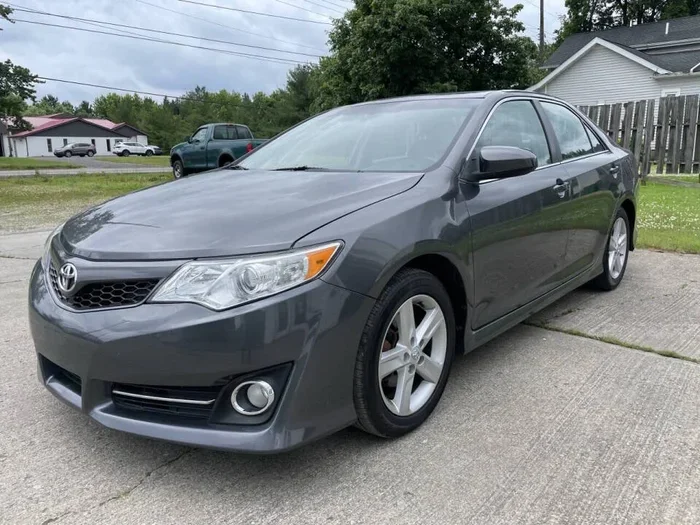
Does the Toyota Camry Hold Its Resale Value Over Time
The Toyota Camry holds its resale value remarkably well over time, making it a smart choice for buyers. Industry data shows the Camry retains 60–70% of its value after five years, beating most sedans. Learn what drives this durability and how to maximize your own Camry’s worth.
If you’re wondering whether the Toyota Camry resale value stands up over time, you’re not alone. Many buyers want a car that holds its worth. Are used Toyotas worth the price? The answer is a resounding yes, and the Camry leads the pack. This sedan has earned a reputation for lasting decades and losing value slowly. Whether you plan to keep your car for years or trade it in later, understanding Toyota Camry resale value helps you make a smarter decision.
The Camry is one of the best-selling sedans in America. Its popularity isn’t just about comfort or style. It’s also about how much money you get back when you sell. A car that holds its value saves you thousands of dollars over time. In this article, we’ll explore why the Camry depreciates less than most competitors. We’ll look at the factors that affect its worth, how it compares to other sedans, and what you can do to protect your investment. By the end, you’ll know exactly what makes the Camry a wise choice for buyers who care about long-term value.
Let’s dive into the numbers and the reasons behind the Camry’s strong market presence. You’ll see that Toyota Camry resale value isn’t just a marketing claim. It’s backed by real data and real-world ownership experiences.
Key Takeaways
- The Toyota Camry consistently ranks at the top for resale value among midsize sedans.
- Reliability and low maintenance costs are the primary reasons the Camry holds its value.
- On average, a Camry retains 60–70% of its original value after five years.
- Regular maintenance and proper care can significantly slow depreciation.
- Used Camrys offer excellent value because of strong demand in the pre-owned market.
- Compared to rivals like the Honda Accord, the Camry often has a slight edge in retained value.
- Buying a used Camry can save thousands while still getting a dependable vehicle.
📑 Table of Contents
Understanding Toyota Camry Resale Value
Resale value is the amount of money your car is worth when you sell it later. It’s often called retained value or trade-in value. The Toyota Camry consistently ranks near the top for resale among midsize sedans. But what does that mean for you? It means you pay less per year for ownership. You also get more back when you move to your next car.
What Is Resale Value?
Resale value is the percentage of a car’s original price it keeps over time. A new Camry might cost $30,000. After five years, a well-maintained model could still be worth $18,000 to $21,000. That’s a retention rate of 60–70%. Most sedans lose 50% or more in the same period. The Camry’s slow depreciation is a huge advantage. It protects your wallet and makes Toyota Camry resale value a key selling point.
Why the Camry Excels
Several reasons drive the Camry’s strong hold on value. First, Toyota built a reputation for reliability. People trust the Camry to start every morning and run for years without major issues. Second, the Camry has low maintenance costs. Routine services like oil changes and tire rotations are affordable. Third, the Camry offers a comfortable ride and good fuel economy. These factors create high demand in the used car market. When demand is high, prices stay strong. That’s the core of Toyota Camry resale value.
Key Factors That Drive Camry Depreciation
Depreciation is the natural loss of value over time. But not all depreciation is equal. Several factors determine how fast your Camry loses worth. Understanding these helps you make smarter buying and owning decisions.
Mileage and Condition
Mileage is the biggest factor in any car’s value. A Camry with 30,000 miles will sell for much more than one with 100,000 miles. But condition matters just as much. A clean, well-cared-for Camry with 100,000 miles can still hold strong value. Regular washing, waxing, and interior cleaning go a long way. Toyota Camry resale value drops faster when a car shows wear and tear. Dents, scratches, or stained seats can lower the price significantly.
Here’s a quick look at how mileage affects a used Camry’s price:
- Under 30,000 miles: Near-new value, minimal depreciation.
- 30,000–60,000 miles: Slight drop, still highly desirable.
- 60,000–100,000 miles: Moderate depreciation, but still a solid buy.
- Over 100,000 miles: Value drops more, but a well-maintained Camry can still command a good price.
Many owners worry about high mileage. But the truth is, the Camry is built to last. Can a Toyota Camry last 500,000 miles? Absolutely. With proper care, these engines can go far. That longevity directly supports strong Toyota Camry resale value.
Trim Level and Options
The trim level you choose affects depreciation. Base models like the L or SE often hold value better than luxury-focused trims. Why? Because they appeal to a wider audience. A Camry XSE with sporty features might attract a niche buyer. A standard SE with the right options has broader appeal. Popular options include a sunroof, leather seats, and a premium audio system. But too many options can also mean higher repair costs later. Stick to the features you need, and your Toyota Camry resale value will thank you.
Market Demand
Car markets shift with seasons and trends. Sedans have faced tough competition from SUVs and trucks. Yet the Camry remains a staple. Its steady demand keeps prices stable. In regions with harsh winters, reliable sedans are especially sought after. The Camry’s reputation for starting in any weather boosts its demand. When you decide to sell, strong market demand means you get closer to your expected price. This is a hidden benefit of Toyota Camry resale value that many buyers overlook.
Common Mistakes That Hurt Resale Value
Avoid these common mistakes to protect your Camry’s worth:
- Skipping regular oil changes: Low oil causes engine wear, which tanks value.
- Ignoring small repairs: A small leak today becomes a big bill tomorrow.
- Adding aftermarket parts: Custom wheels or loud exhausts narrow your buyer pool.
- Neglecting the interior: Stained seats and dirty carpets lower perceived value.
- Selling during a market dip: Timing matters. Sell when demand is high.
How the Camry Compares to Other Sedans
The sedan market is crowded. Honda, Nissan, Hyundai, and Kia all offer strong competitors. But how does the Camry stack up? Let’s look at the numbers.
Camry vs. Honda Accord
The Honda Accord is the Camry’s closest rival. Both are reliable, comfortable, and efficient. In terms of resale value, the Camry often edges ahead. According to industry reports, the Camry retains about 60–70% of its value after five years. The Accord typically retains 55–65%. The difference isn’t huge, but it adds up. The Camry’s slightly stronger hold on value makes it a favorite for long-term owners.
Camry vs. Nissan Altima
The Nissan Altima is another popular choice. It offers a sporty feel and a lower starting price. However, the Altima depreciates faster. After five years, an Altima might retain only 50–55% of its value. The Camry’s Toyota Camry resale value outperforms it by a noticeable margin. The Altima’s weaker resale is partly due to lower brand prestige and slightly higher repair costs over time.
Comparison Table: 5-Year Resale Retention
| Model | Avg. New Price | Value After 5 Years | Retention Rate |
|---|---|---|---|
| Toyota Camry | $30,000 | $18,000–$21,000 | 60–70% |
| Honda Accord | $29,000 | $16,000–$19,000 | 55–65% |
| Nissan Altima | $27,000 | $13,500–$15,000 | 50–55% |
| Hyundai Sonata | $26,000 | $13,000–$14,500 | 50–55% |
As the table shows, the Camry leads in retained value. This isn’t just about brand loyalty. It’s about real-world reliability and ownership costs. Buyers know they can count on a Camry, and that confidence keeps prices higher in the used market.
Tips to Maximize Your Camry’s Resale Value
You can take active steps to protect your Camry’s worth. These simple habits make a big difference when it’s time to sell.
Keep Up with Maintenance
Follow the factory maintenance schedule to the letter. Change the oil every 5,000–7,500 miles. Rotate your tires regularly. Replace brake pads when needed. Keep all service records in a folder. A complete service history proves your Camry was well cared for. Buyers pay a premium for documented maintenance. This is one of the easiest ways to boost Toyota Camry resale value.
Avoid Modifications
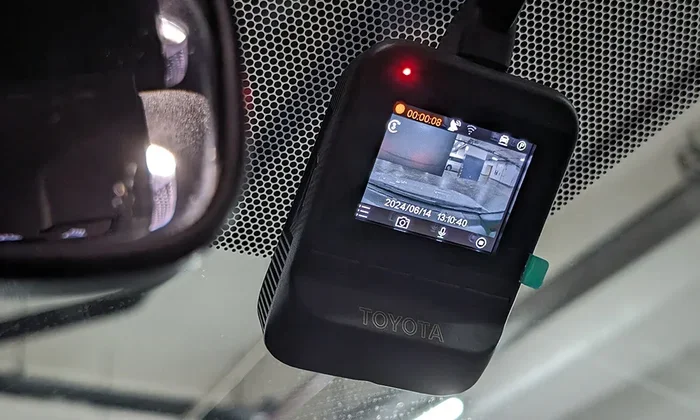
Aftermarket modifications can narrow your buyer pool. A lowered suspension, aggressive body kit, or custom paint might look cool to you, but many buyers see them as red flags. Stick with factory settings. If you must add something, choose simple upgrades like all-weather floor mats or a dash cam. These are easy to remove and don’t hurt value.
Sell at the Right Time
Timing your sale can add hundreds of dollars to your offer. Sell in the spring or early summer when demand for used cars peaks. Avoid selling in January or February when the market slows down. Also, sell before a new model year arrives. A 2024 Camry will lose value faster than a 2023 model once the 2025 hits the lot.
Quick Tips for Maximum Value
- Always keep your Camry clean inside and out.
- Fix small issues immediately before they become big problems.
- Store your car in a garage or covered area when possible.
- Avoid smoking or eating in the car to keep the interior fresh.
- Get a pre-sale inspection to address any hidden issues.
The Financial Benefits of Strong Resale Value
Strong Toyota Camry resale value isn’t just about a good sale price. It affects your entire ownership experience financially.
Lower Cost of Ownership
When a car holds its value, your cost per mile drops. Let’s say you buy a new Camry for $30,000. After five years, you sell it for $18,000. Your total depreciation cost is $12,000 over 60 months. That’s $200 per month. A car that depreciates to $15,000 in the same period costs $250 per month. Over ten years, the difference can be thousands of dollars. The Camry’s slow depreciation makes Toyota Camry resale value a powerful financial tool.
Trade-In and Certified Pre-Owned Value
When you trade in your Camry at a dealership, you’ll receive a better offer because of its strong resale. Toyota’s certified pre-owned (CPO) program also benefits Camry owners. CPO Camrys come with warranties and inspections. They command higher prices than non-certified used models. If you plan to upgrade, a Camry’s trade-in value gives you more leverage. You can put that extra money toward your next vehicle.
Expert Insights on Camry Value Retention
Automotive analysts consistently praise the Camry for its value retention. According to Kelley Blue Book and Edmunds, the Camry often appears in their top ten lists for best resale. These rankings are based on real auction data and retail sales. The Camry’s strong showing is no accident. It reflects decades of engineering focus on durability and owner satisfaction. When experts say a car holds its value, the Camry is usually the first name that comes up.
Is a Used Toyota Camry a Smart Buy?
Buying a used Camry is one of the smartest moves for value-conscious buyers. You skip the steepest part of depreciation and still get a reliable machine. But you need to know what to look for.
What to Look for in a Used Camry
Start with the vehicle history report. Check for accidents, title brands, and service records. A Camry with a clean history and regular oil changes is worth paying a premium for. Inspect the exterior for rust or repaint. Look at the tires for even wear. Test drive the car and listen for unusual noises. A well-maintained used Camry can easily last another 100,000 miles. Can a Camry last 300,000 miles? Yes, with proper care. That kind of longevity is why Toyota Camry resale value remains strong even for higher-mileage examples.
Where to Find High-Value Used Camrys
You can find used Camrys at dealerships, private sellers, and online platforms. Certified pre-owned Camrys from Toyota dealers offer the best protection. They include warranties and thorough inspections. If you buy from a private seller, get a pre-purchase inspection from a trusted mechanic. Always compare prices on sites like Kelley Blue Book or Edmunds to ensure you’re getting a fair deal. The used Camry market is competitive, so patience pays off.
In the end, the Toyota Camry resale value story is one of the strongest in the automotive world. It’s a car that gives back what you put into it. Whether you’re buying new or used, the Camry delivers reliability, comfort, and financial sense. Your future self will thank you when you sell or trade it in and see the numbers on the offer sheet.
Frequently Asked Questions
Does the Toyota Camry hold its value better than the Honda Accord?
Yes, the Camry generally holds its value slightly better than the Accord. Over five years, the Camry retains about 60–70% of its original value, while the Accord retains 55–65%. The difference is small but consistent, giving the Camry a slight edge in Toyota Camry resale value.
How much does a Toyota Camry depreciate per year?
On average, a new Camry loses about 15–20% of its value in the first year. After that, depreciation slows to about 10–15% per year. By year five, the total loss is typically 30–40%. This slow depreciation is a key reason the Camry is praised for its strong resale value.
What trim level of the Camry holds the best resale value?
Base and mid-level trims like the SE or XSE tend to hold value best. They appeal to a wider range of buyers. Overly luxury-focused trims or rare special editions may depreciate faster because they target a smaller market. Stick with popular, well-equipped trims for the best Toyota Camry resale value.
Can a high-mileage Camry still have good resale value?
Yes, a well-maintained Camry with over 100,000 miles can still have good resale value. The Camry’s reputation for longevity means buyers are willing to pay for high-mileage examples that have clean records. Regular maintenance is the key to preserving value at higher mileage.
Does the Camry’s resale value hold up in all markets?
The Camry holds its value well across most U.S. markets. In regions with extreme weather, its reliability becomes even more valuable, boosting demand. However, in areas where SUVs dominate, sedan demand may dip slightly. Overall, the Camry’s resale value remains strong nationwide.
Is it better to buy a new or used Camry for value?
Buying a used Camry is often the better value play. You avoid the steepest depreciation in the first few years and still get a reliable, well-equipped car. A 3–5 year old Camry offers the best balance of modern features and strong Toyota Camry resale value going forward.