How to Reset the Mass Air Flow Sensor on a Nissan Altima
Resetting the mass air flow sensor on a Nissan Altima is a simple fix that can restore engine performance and clear warning lights. This guide walks you through the MAF sensor reset process step by step, including cleaning tips, diagnostic codes, and prevention strategies. Whether your Altima is running rough or the check engine light is on, these methods help you get back on the road fast.
Your Nissan Altima relies on a small but mighty component to run smoothly. The mass air flow sensor, often called the MAF sensor, measures the amount of air entering the engine. This data tells the engine control unit how much fuel to inject for the perfect air-fuel mixture. When this sensor malfunctions, your car suffers in more ways than one.
If you have noticed rough idling, reduced fuel economy, or a glowing check engine light, your MAF sensor might be the culprit. The good news is that resetting it is often all you need to get things back on track. This guide covers everything you need to know about performing a mass air flow sensor reset on your Nissan Altima.
We will walk you through the symptoms of a bad sensor, the tools you need, the reset process, and tips to prevent future problems. By the end, you will feel confident tackling this repair yourself and saving money on labor costs.
Key Takeaways
- Easy DIY Fix: Resetting the MAF sensor on a Nissan Altima takes just minutes and requires basic tools.
- Common Symptoms: Rough idling, poor fuel economy, and the check engine light are telltale signs of a faulty mass airflow sensor.
- Cleaning vs. Resetting: Sometimes a simple cleaning solves the problem; other times, a full reset is needed.
- Preventive Maintenance: Regular air filter changes and clean air intake components keep the MAF sensor working properly.
- OBD-II Scanner Helps: Using a diagnostic scanner makes identifying and clearing trouble codes much easier.
- When to Seek Help: If resetting doesn’t work, a professional mechanic can diagnose deeper electrical or mechanical issues.
📑 Table of Contents
- What Does the Mass Air Flow Sensor Do?
- Common Symptoms of a Faulty MAF Sensor
- Tools You Will Need
- How to Reset the Mass Air Flow Sensor on a Nissan Altima
- When Should You Clean vs. Replace the MAF Sensor?
- Prevention Tips to Keep Your MAF Sensor Healthy
- Can I Reset the MAF Sensor Without a Scanner?
- Common Mistakes to Avoid When Resetting the MAF Sensor
- How Long Does the Reset Take?
- When to See a Professional Mechanic
- How the MAF Sensor Relates to Other Engine Components
- Key Takeaways
- Frequently Asked Questions
- Final Thoughts
What Does the Mass Air Flow Sensor Do?
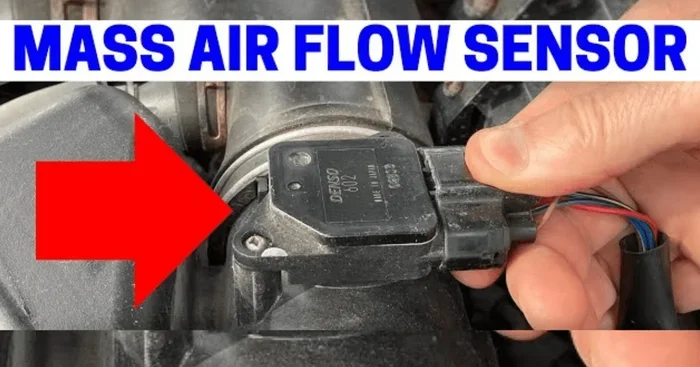
The mass airflow meter sits between the air filter and the throttle body. It measures the volume and density of air flowing into the engine. This information travels to the engine control module, which uses it to calculate the correct fuel delivery.
Without accurate airflow data, the engine runs either too rich or too lean. Both conditions cause problems. A rich mixture wastes fuel and produces excess emissions. A lean mixture can cause engine knocking and overheating.
Think of the MAF sensor as the lungs of your Altima. Just like healthy lungs keep your body energized, a clean and functioning sensor keeps your engine running at peak performance. When something clogs or damages those lungs, the whole system suffers.
Common Symptoms of a Faulty MAF Sensor
Knowing the warning signs helps you catch problems early. Here are the most common symptoms of a failing mass airflow sensor on a Nissan Altima:
Check Engine Light
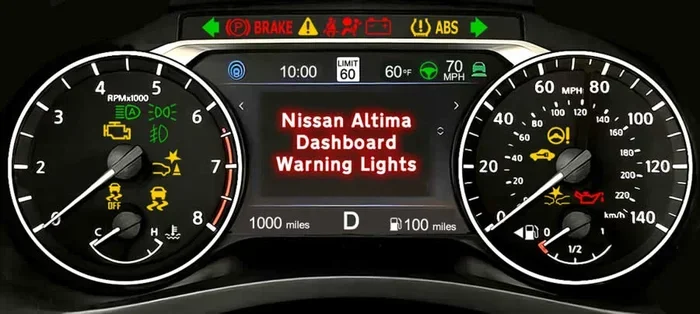
The most obvious sign is the check engine light illuminating on your dashboard. The engine control module detects abnormal readings from the sensor and triggers a diagnostic trouble code. Common codes include P0100, P0101, P0102, and P0103.
Rough Idling
A faulty sensor sends incorrect data, causing the engine to idle unevenly. You may feel vibrations or stalling when stopped at a traffic light.
Poor Fuel Economy
When the engine receives the wrong air-fuel mixture, it burns more fuel than necessary. You might notice you are visiting the gas station more often than usual.
Hesitation During Acceleration
A MAF sensor reset often becomes necessary when you experience lag or hesitation when pressing the accelerator. The engine struggles to respond smoothly.
Black Exhaust Smoke
A rich fuel mixture caused by a bad sensor produces dark smoke from the tailpipe. This is a clear sign something is wrong with air intake readings.
Difficulty Starting the Engine
If the sensor sends wildly inaccurate data, the engine may crank but fail to start. This happens especially after the car sits for a while.
Tools You Will Need
Before you start, gather the right tools. Having everything ready makes the process smooth and frustration-free.
- OBD-II Diagnostic Scanner: This tool reads and clears trouble codes. You can find affordable handheld scanners or use a Bluetooth-enabled scanner with a smartphone app.
- Mass Air Flow Sensor Cleaner: A specialized aerosol cleaner designed for sensitive electronics. Never use regular household cleaners.
- Soft Clean Cloth or Paper Towels: For gentle wiping of sensor components.
- Screwdriver Set: Phillips and flathead screws may be needed to access the sensor.
- Safety Glasses: Protect your eyes from cleaner spray and debris.
- Work Gloves: Keep your hands clean and protected.
Most of these items cost under fifty dollars. An OBD-II scanner is a worthwhile investment for any car owner. It helps you diagnose issues quickly and verify that the air flow sensor reset was successful.
How to Reset the Mass Air Flow Sensor on a Nissan Altima
Now for the main event. Follow these steps carefully to reset the mass air flow sensor on your Nissan Altima. The process is straightforward, but attention to detail matters.
Step 1: Locate the MAF Sensor
Open the hood of your Nissan Altima. The MAF sensor is located on the air intake duct, between the air filter box and the throttle body. On most Altima models, you will see a cylindrical or rectangular housing with an electrical plug connected to it.
Refer to your owner’s manual if you have trouble finding it. The sensor housing typically has a label or marking indicating the airflow direction.
Step 2: Disconnect the Electrical Connector
Gently squeeze the tab on the electrical connector and pull it away from the sensor. Do not yank the wires. Take your time to avoid damaging the clip or the wiring harness.
Step 3: Remove the Sensor (If Necessary)
On some Altima models, the sensor pulls straight out of the air duct housing. On others, you may need to loosen a clamp or remove a couple of screws. Check your specific model year for the exact method.
Step 4: Clean the Sensor
Spray the MAF sensor cleaner onto the delicate wire or film element inside the sensor housing. Let it dry completely before reinstalling. Do not touch the sensor element with your fingers. Oils from your skin can contaminate it and cause readings to drift again.
Step 5: Reinstall the Sensor
Place the sensor back into the housing and secure it. Reconnect the electrical plug until you hear a click. Make sure the connection is firm and secure.
Step 6: Disconnect the Battery
To complete the reset, disconnect the negative battery terminal for at least fifteen minutes. This allows the engine control module to clear stored codes and relearn baseline values.
While the battery is disconnected, turn the ignition key to the ON position (without starting the engine) for thirty seconds. This drains residual power from the capacitors and ensures a full reset of the air flow sensor reset process.
Step 7: Reconnect the Battery and Start the Engine
Reattach the negative battery terminal and start the engine. Let it idle for a few minutes. The engine control module will recalibrate based on the new sensor readings.
Step 8: Use the OBD-II Scanner to Verify
Connect your diagnostic scanner and check for any remaining trouble codes. If the MAF sensor reset was successful, the codes should be cleared, and the check engine light should stay off.
Take your Altima for a short test drive. Pay attention to idle smoothness and throttle response. If everything feels normal, you have completed the reset successfully.
When Should You Clean vs. Replace the MAF Sensor?
Not all sensor problems require a full replacement. Understanding the difference saves you money and prevents unnecessary part purchases.
Clean the sensor when:
- The sensor is dirty but physically intact.
- You notice minor performance issues.
- The diagnostic codes point to a reading offset rather than a complete failure.
- The car has high mileage but the sensor has never been cleaned.
Replace the sensor when:
- The sensor element is physically damaged or corroded.
- Cleaning does not resolve the problem after two attempts.
- The diagnostic scanner shows persistent codes even after a MAF sensor reset.
- The sensor housing has cracks or loose connections.
A new MAF sensor for a Nissan Altima typically costs between one hundred and three hundred dollars, depending on the model year. Labor at a shop adds another fifty to one hundred dollars. Doing the replacement yourself cuts the cost significantly.
Keep in mind that some older Altima models may benefit from a sensor cleaning approach before jumping to replacement. A simple cleaning often restores proper function and extends the life of the component.
Prevention Tips to Keep Your MAF Sensor Healthy
Prevention is always better than repair. Follow these simple habits to keep your mass air flow sensor working properly for years to come.
Change Your Air Filter Regularly
A clogged air filter lets dirt and debris pass through to the sensor. Replace your air filter every fifteen thousand to thirty thousand miles, or more often if you drive in dusty conditions.
Use Clean Air Intake Components
When replacing the air filter, inspect the air intake duct for cracks or loose connections. Damaged ducts allow unfiltered air to bypass the sensor, contaminating it.
Avoid Aftermarket Air Filters That Are Too Oil-Soaked
Some high-performance air filters use oil to trap particles. If the filter is over-oiled, excess oil can coat the MAF sensor wire and cause inaccurate readings. Choose a quality filter and follow the manufacturer’s oiling instructions carefully.
Address Engine Leaks Promptly
Vacuum leaks near the air intake system introduce unmetered air into the engine. This confuses the MAF sensor and causes it to send incorrect data. Inspect hoses and connections regularly for cracks or loose clamps.
Drive Responsibly
Hard acceleration and high-speed driving push more air through the sensor, increasing wear over time. Smooth driving habits reduce stress on all engine components, including the airflow meter.
Use the Right Fuel
Using the recommended fuel grade for your Nissan Altima supports clean combustion and reduces carbon buildup around the sensor. Check your owner’s manual for the correct octane rating.
Can I Reset the MAF Sensor Without a Scanner?
Yes, you can perform a basic reset without an OBD-II scanner. The battery disconnect method described above clears most stored codes. However, a scanner gives you much more control. It lets you read live sensor data, verify the reset was successful, and check for other related issues.
Many modern scanners also provide freeze frame data, which shows the exact conditions when a trouble code was triggered. This information helps you pinpoint the root cause rather than just treating symptoms.
Common Mistakes to Avoid When Resetting the MAF Sensor
Even simple repairs can go wrong if you are not careful. Here are common mistakes to avoid:
- Using the Wrong Cleaner: Never use carburetor cleaner or brake cleaner on the MAF sensor. These chemicals damage the delicate sensing element. Always use a cleaner specifically formulated for mass air flow sensors.
- Touching the Sensor Wire: The sensing wire or film is extremely fragile. Even slight bending or contamination from finger oils can cause persistent problems.
- Skipping the Battery Disconnect: Simply unplugging the sensor does not fully reset the engine control module. The battery disconnect step ensures a complete air flow sensor reset.
- Ignoring Underlying Problems: A reset clears codes temporarily. If the root cause is a vacuum leak or dirty air filter, the problem will return. Always address the underlying issue.
- Rushing the Process: Take your time with each step. Rushing leads to missed connections, improper reinstallation, and potential damage.
How Long Does the Reset Take?
The entire process takes about thirty to forty-five minutes. Cleaning the sensor takes about ten minutes. The battery disconnect requires fifteen minutes minimum. The scanner verification adds another five to ten minutes.
This is a significant time savings compared to visiting a mechanic. A typical shop visit for a MAF sensor reset can cost one hundred to two hundred dollars in labor alone. Doing it yourself costs only the price of cleaner and any replacement parts if needed.
For comparison, replacing a faulty sensor at a dealership can cost three hundred to five hundred dollars. The DIY approach keeps more money in your pocket while teaching valuable car maintenance skills.
When to See a Professional Mechanic
While resetting the MAF sensor is a manageable DIY task, some situations call for professional help. Contact a certified mechanic if:
- The check engine light returns immediately after the reset.
- You notice multiple trouble codes beyond the MAF sensor related ones.
- The engine exhibits severe performance problems after the reset.
- You are uncomfortable working with electrical connectors or the air intake system.
- The sensor replacement does not resolve the issue, suggesting a deeper problem with the engine control module or wiring.
A professional mechanic has access to advanced diagnostic equipment and manufacturer-specific technical service bulletins. These resources help identify problems that a basic reset cannot fix.
Also, if you have a newer Nissan Altima with advanced electronics, a professional reset using manufacturer-specific software may be necessary. Some 2013 and newer models require a proprietary scan tool for full sensor recalibration.
How the MAF Sensor Relates to Other Engine Components
The mass air flow sensor does not work in isolation. It is part of a larger system that includes the throttle body, oxygen sensors, catalytic converter, and engine control module. Understanding these connections helps you diagnose problems more accurately.
For example, a failing oxygen sensor can cause the engine to run rich, which in turn contaminates the MAF sensor. Similarly, a dirty throttle body can restrict airflow and send incorrect data to the sensor. Always consider the bigger picture when troubleshooting.
Regular car maintenance that includes checking all intake system components keeps everything working in harmony. A holistic approach to engine health prevents cascading failures and expensive repairs down the road.
Key Takeaways
- Simple Process: Resetting the MAF sensor on your Nissan Altima involves cleaning, battery disconnection, and verification with a scanner.
- Symptom Awareness: Rough idling, poor fuel economy, and the check engine light are the most common signs of a bad sensor.
- Cleaning First: Always try cleaning before replacing. A dirty sensor often just needs a good wash with the right cleaner.
- Battery Disconnect Matters: This step ensures the engine control module fully resets and clears all stored codes.
- Prevention Pays Off: Regular air filter changes and clean air intake components extend the life of your MAF sensor.
- Know Your Limits: If the problem persists after a reset, seek professional help to avoid further damage.
Frequently Asked Questions
Can I drive my Nissan Altima with a bad MAF sensor?
You can drive short distances with a failing MAF sensor, but it is not recommended. A bad sensor causes poor fuel economy, rough running, and potential engine damage over time. If you notice symptoms, address them quickly to avoid costly repairs down the road.
How often should I clean my mass air flow sensor?
Cleaning the MAF sensor every thirty thousand to fifty thousand miles is a good preventive practice. However, if you drive in dusty or polluted areas, you may need to clean it more frequently. Regular inspection helps you catch dirt buildup before it causes performance issues.
Will resetting the MAF sensor clear the check engine light permanently?
It will clear the light if the sensor was the only issue. However, if an underlying problem such as a vacuum leak or dirty air filter persists, the light will return. Always diagnose the root cause before performing a reset.
What is the difference between a MAF sensor and a MAP sensor?
The MAF sensor measures the mass of air entering the engine directly. The MAP sensor measures intake manifold pressure as an indirect indicator of airflow. Most Nissan Altima models use a MAF sensor, but some older or different models rely on MAP sensors instead.
Can a dirty air filter cause MAF sensor problems?
Yes, a dirty air filter restricts airflow and allows more contaminants to reach the sensor. This causes the MAF sensor to send inaccurate readings. Replacing the air filter regularly is one of the easiest ways to protect the sensor.
Is a MAF sensor reset the same as a factory reset of the engine computer?
No, they are different. A MAF sensor reset clears codes related to the airflow sensor specifically. A factory reset wipes all adaptive learning data from the engine computer. The battery disconnect method described in this guide serves as a middle ground that clears sensor codes without a full factory reset.
Final Thoughts
Resetting the mass air flow sensor on your Nissan Altima is one of the most rewarding DIY repairs you can tackle. It saves money, builds your mechanical confidence, and keeps your car running at its best. The process is straightforward, the tools are affordable, and the results are immediate.
Start by recognizing the symptoms early. Rough idling, poor fuel economy, and a glowing check engine light should prompt you to investigate the MAF sensor. With the right cleaner, a basic scanner, and a little patience, you can have your Altima running smoothly again in under an hour.
Remember that prevention is the best medicine. Regular maintenance, clean air filters, and quality fuel go a long way toward keeping your MAF sensor healthy. And if you ever need to check on your Nissan Altima’s overall longevity, understanding how many miles a car can last gives you great perspective on long-term ownership.
Take the time to care for your car today, and it will reward you with reliable performance for years to come. Happy wrenching, and here’s to many more miles in your Altima.