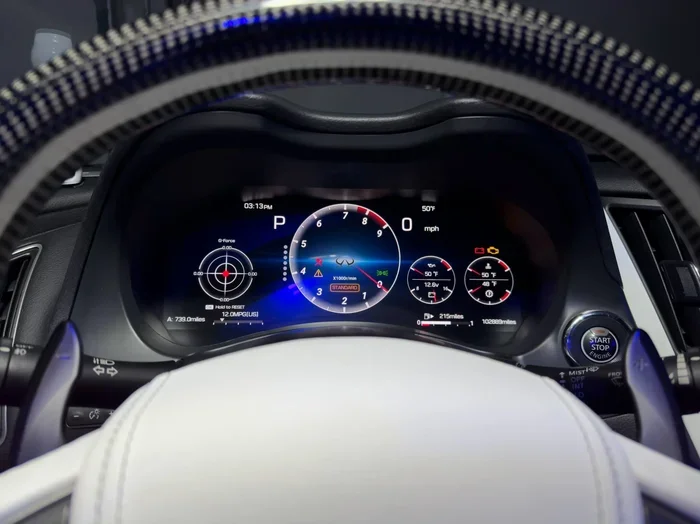
How to Reset the Flat Tire Warning on Your Infiniti Q60
Resetting the flat tire warning on your Infiniti Q60 is simpler than you think. Whether the light stays on after fixing a puncture or you need a manual TPMS reset, this guide walks you through every method. You will learn the causes behind the warning, the tools you need, and how to prevent future alerts.
This is a comprehensive guide about How to Reset the Flat Tire Warning on an Infiniti Q60.
Key Takeaways
- Know your TPMS: The Infiniti Q60 uses a tire pressure monitoring system that alerts you when pressure drops below safe levels.
- Multiple reset methods exist: You can reset the warning through the steering wheel controls, the infotainment screen, or by disconnecting the battery.
- Check tire pressure first: Always verify your tire pressure with a gauge before attempting any reset.
- Common causes include temperature changes: Cold weather and slow leaks are the top reasons the flat tire warning appears.
- Prevent future warnings: Regular tire maintenance and proper inflation keep the system from triggering false alerts.
[FEATURED_IMAGE_PLACEHOLDER]
How to Reset the Flat Tire Warning on Your Infiniti Q60
That little horseshoe-shaped light on your dashboard can be really annoying. Especially when you know your tires are fine. If you own an Infiniti Q60 and the flat tire warning has been flashing at you for days, you are not alone. This warning is part of the tire pressure monitoring system, or TPMS for short. It is designed to keep you safe. But sometimes it just will not turn off. The good news is that resetting it is something you can do at home. No mechanic required. In this guide, we will walk you through every step. You will understand why the light comes on, how to check your tire pressure properly, and exactly how to reset the system on your Q60. We will also cover common mistakes and tips to stop the warning from coming back.
Before we dive in, let us talk about what the TPMS actually does. The system uses sensors inside each tire or on the valve stems. These sensors measure the air pressure in real time. When the pressure drops by about 25 percent below the recommended level, the dashboard warning light turns on. This is your car telling you something is wrong. Ignoring it is not a good idea. Underinflated tires can reduce fuel efficiency. They can also cause uneven wear and even blowouts. So when that light shows up, pay attention. But once you have fixed the problem, you need to reset the system. That is where this guide comes in.
The Infiniti Q60 is a sporty luxury coupe that looks great and drives even better. Like many modern vehicles, it comes packed with smart technology. The TPMS is one of those features that works quietly in the background. Most of the time, you forget it is there. Until the light pops on. If you have also driven other Infiniti vehicles, you might notice the reset process is similar across models. The Q60 uses a straightforward system that is easy to navigate. You just need to know where to look and what buttons to press.
Why Does the Flat Tire Warning Light Come On?
Understanding why the light appears helps you fix the root cause. It is not always a flat tire. Sometimes the system itself needs attention. Here are the most common reasons the flat tire warning shows up on your Infiniti Q60.
Low Tire Pressure from a Slow Leak
This is the obvious one. A nail, a screw, or a small puncture can let air out slowly. You might not even notice it at first. But over a few days, the pressure drops enough to trigger the TPMS. If you recently drove over something sharp, check your tires right away. A tire pressure gauge is the best tool for this. You can pick one up at any auto parts store for under fifteen dollars.
Temperature Changes
Did you know that cold weather can make your tire pressure light come on? It is true. When the temperature drops, the air inside your tires contracts. This reduces the pressure. In winter months, many drivers see the warning appear out of nowhere. The tires are fine. The air just got denser. Driving for a while usually warms up the tires and brings the pressure back up. But the light might stay on until you reset it.
TPMS Sensor Failure
Sometimes the problem is with the sensor itself. TPMS sensors have batteries that last around five to ten years. When the battery dies, the sensor cannot send readings. This triggers a warning. If you have checked your tire pressure and everything looks normal, a faulty sensor might be the culprit. Replacing a sensor costs between fifty and one hundred dollars per unit. It is a quick fix at most tire shops.
Recent Tire Changes or Rotations
If you just got new tires or rotated them, the system might still show the old readings. The TPMS needs time to recalibrate. In some cases, you need to manually reset it after any tire work. This is especially true if you switched to a spare tire. Spare tires often have different pressure levels, which can confuse the system.
System Malfunction
Rarely, the TPMS module itself malfunctions. This can happen after a battery disconnect or an electrical issue. If none of the above reasons apply, the system might need a professional diagnosis. But before you go that route, try the reset methods below. Most of the time, the fix is simple.
How to Check Your Tire Pressure Before Resetting
You should never reset the TPMS without first confirming your tires are properly inflated. Skipping this step is the most common mistake drivers make. Here is how to do it right.
- Find your recommended pressure: Check the sticker on the driver side door jamb. The Infiniti Q60 typically recommends 35 PSI for all tires. But always verify with your own sticker.
- Remove the valve cap: Twist the small cap off the valve stem on each tire.
- Press the gauge on the valve: Push the tire pressure gauge firmly onto the stem. You will hear a brief hiss of air. That is normal.
- Read the number: Compare the reading to the recommended PSI. If it is low, add air until you reach the right level.
- Repeat for all four tires: Do not skip the spare. Some systems monitor the spare too.
- Replace the valve caps: Put the caps back on to keep dirt and moisture out.
Pro tip: Check your tire pressure when the tires are cold. Driving heats up the air inside, which gives you a falsely high reading. Morning is the best time to check. Make this part of your regular vehicle maintenance routine. It will extend the life of your tires and keep the TPMS happy.
Methods to Reset the Flat Tire Warning on the Infiniti Q60
Now for the part you have been waiting for. There are three main ways to reset the flat tire warning on your Q60. Each method works in different situations. Choose the one that fits your needs.
Method 1: Reset Using the Steering Wheel Controls
This is the most common and easiest method. The Infiniti Q60 lets you reset the TPMS directly from the steering wheel. Here is how to do it.
- Start the engine and let the car idle for a few minutes.
- Locate the steering wheel controls on the left side.
- Press and hold the OK button until the main menu appears on the instrument cluster.
- Use the arrow buttons to scroll to the Vehicle Settings menu.
- Find the TPMS option and select it.
- Choose the Reset TPMS function.
- Confirm the reset when prompted.
- Drive the car for about ten minutes at speeds above 30 mph. The system will recalibrate.
After driving for a few minutes, the warning light should turn off. If it does not, try the next method. This approach works for most Q60 models from 2017 onward. If you have an older model, the menu layout might be slightly different. But the general steps remain the same.
Method 2: Reset Through the Infotainment Screen
The Infiniti Q60 comes with a touchscreen infotainment system. You can also use this to reset the TPMS. This method is great if you prefer a visual interface.
- Press the Home button on the infotainment screen.
- Navigate to Settings.
- Look for Vehicle Information or Vehicle Settings.
- Select Tire Pressure Monitoring System.
- Tap the Reset button.
- Follow the on-screen prompts to confirm.
Once the reset is complete, drive the car for a short distance. The system needs to relearn the tire pressure values. The light should go off within a few minutes of driving. If the infotainment screen freezes or does not respond, try the steering wheel method instead. Sometimes the system works better through the physical controls.
Method 3: Battery Disconnect Reset
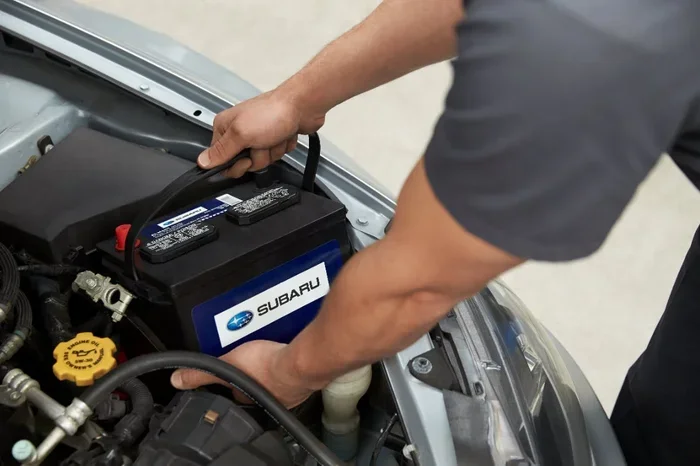
This method works when the other two do not. It involves disconnecting the car battery to clear the TPMS error codes. Use this as a last resort. It is simple but effective.
- Turn off the engine and remove the key from the ignition.
- Open the hood and locate the negative battery terminal.
- Use a wrench to loosen the cable on the negative terminal.
- Remove the cable and let it sit for about fifteen minutes.
- Reconnect the cable and tighten it securely.
- Start the engine and let the car run for a few minutes.
- The TPMS warning should now be cleared.
Keep in mind that disconnecting the battery will also reset your radio presets and clock settings. You will need to reprogram those after reconnecting. Also, some Infiniti models may need a short drive cycle for the system to fully recalibrate. This method is safe and does not damage any components. It simply clears the stored error codes from the system memory.
Common Mistakes When Resetting the TPMS
Even with clear instructions, people make mistakes. Here are the most common ones and how to avoid them.
- Resetting without fixing the actual problem: If you have a slow leak, the light will come right back on. Always fix the tire issue first.
- Not driving long enough after the reset: The system needs time to relearn. Driving for at least ten minutes at highway speeds is important.
- Ignoring the spare tire: Some Q60 models monitor the spare. Check its pressure too.
- Using the wrong reset method: Not all methods work on all model years. Check your owner manual first.
- Forgetting to replace TPMS sensor batteries: If a sensor battery is dead, the warning will return no matter how many times you reset.
Another mistake is ignoring the warning altogether. Some drivers get used to the light and just drive with it on. This is risky. The TPMS exists for a reason. Underinflated tires affect handling, braking, and fuel economy. If the light stays on after you have tried all three reset methods, take your Q60 to a trusted mechanic or tire shop. They can run a diagnostic scan and identify the exact problem.
Preventing Future Flat Tire Warnings
The best way to deal with the flat tire warning is to prevent it from coming back. A little regular maintenance goes a long way. Here is how to keep your TPMS working properly.
Check Tire Pressure Monthly
Get into the habit of checking your tire pressure every month. It only takes about five minutes. Keep a tire pressure gauge in your glove box. Make it a routine, like checking your oil. Consistent pressure checks catch slow leaks early before they trigger the TPMS warning.
Rotate Your Tires Regularly
Tire rotations every 5,000 to 7,000 miles help your tires wear evenly. Uneven wear can sometimes cause pressure inconsistencies. Regular rotations also extend the overall lifespan of your tires. Most tire shops will rotate your tires for free or a small fee if you bought the tires from them.
Inspect Tires for Damage
Walk around your car once a week and look at your tires. Check for nails, screws, cuts, or bulges. Catching damage early can prevent a flat tire and a TPMS warning. This is especially important if you drive on rough roads or through construction zones.
Keep Valves and Caps in Good Shape
The valve stems on your tires are small but important. They keep air inside the tire. Over time, they can crack or leak. Make sure the valve caps are always in place. They protect the valve from dirt and moisture. If a valve stem looks damaged, replace it. A new valve stem costs just a few dollars at any auto parts store.
Monitor Temperature Changes
As we mentioned, cold weather can trigger the TPMS. During winter, check your tire pressure more frequently. Temperature swings of 20 degrees or more can change your pressure by several PSI. If you live in an area with big seasonal temperature changes, this is especially important.
When to See a Professional
Most of the time, resetting the TPMS is a DIY job. But there are situations where you need expert help. If you have tried all three reset methods and the light keeps coming back, something deeper is going on. A professional mechanic can run a diagnostic scan tool that reads the exact error codes from the TPMS module. They can also test each sensor individually to see which one is failing.
If you notice the TPMS light flashing instead of staying solid, that is a different issue. A flashing light usually means a malfunction in the system itself, not a pressure problem. This requires professional diagnosis. Do not ignore a flashing TPMS light. It means the system is not working correctly, and you are not getting accurate pressure readings.
Also, if you have recently replaced tires or sensors and the light persists, the new parts might not be compatible with your Q60’s TPMS. Some aftermarket sensors need programming to work with Infiniti systems. A tire shop that specializes in TPMS can handle this quickly and affordably.
Final Thoughts
Resetting the flat tire warning on your Infiniti Q60 is a straightforward process once you know what to do. Start by checking your tire pressure with a reliable gauge. Fix any leaks or low-pressure issues first. Then use one of the three reset methods we covered. The steering wheel controls work for most drivers. The infotainment screen is a good alternative. And the battery disconnect method is your backup plan when nothing else works.
Taking care of your tires is part of basic car ownership. Regular pressure checks, tire rotations, and visual inspections keep your Q60 running smoothly and safely. The TPMS is there to help you. When you understand how it works and how to reset it, you are in control. Do not let that little warning light stress you out. Follow the steps in this guide, and you will have it turned off in no time.
Remember, if the light keeps coming back despite your best efforts, do not hesitate to seek professional help. A qualified mechanic can diagnose sensor issues and electrical problems that go beyond a simple reset. Your safety and the longevity of your Infiniti Q60 are always worth the investment.
Frequently Asked Questions
Can I drive my Infiniti Q60 with the flat tire warning light on?
You can drive short distances if your tire pressure is within a safe range. But the light means the system has detected low pressure. Driving on underinflated tires can cause damage and reduce fuel efficiency. Check your tires right away and inflate them to the recommended PSI before driving long distances.
How long does it take for the TPMS to reset on an Infiniti Q60?
The reset itself takes only a few minutes. However, the system needs about ten minutes of driving at speeds above 30 mph to fully recalibrate. After that, the warning light should turn off. If it does not, you may need to repeat the reset or check for underlying tire issues.
Why does my tire pressure light come back after I reset it?
The light usually comes back because the tire still has a slow leak or the pressure has dropped again. Temperature changes can also cause the light to reappear. If the light keeps returning, inspect your tires for leaks and check the TPMS sensors for battery failure.
Do I need special tools to reset the TPMS on an Infiniti Q60?
No special tools are needed for the basic reset. You can use the steering wheel controls or the infotainment screen. However, a tire pressure gauge is helpful for checking your pressure before resetting. For persistent issues, a professional mechanic may need a diagnostic scan tool.
Can cold weather trigger the flat tire warning on my Q60?
Yes, absolutely. Cold weather causes the air inside your tires to contract, which lowers the pressure. This can trigger the TPMS even when your tires are properly inflated. If the light appears in cold weather, check your pressure and add air if needed. Then reset the system.
How much does it cost to replace a TPMS sensor on an Infiniti Q60?
Replacing a TPMS sensor typically costs between fifty and one hundred dollars per sensor, including labor. Some tire shops offer package deals if you need all four sensors replaced at once. The cost varies depending on whether you use OEM or aftermarket sensors. Always check with your local tire shop for current pricing.