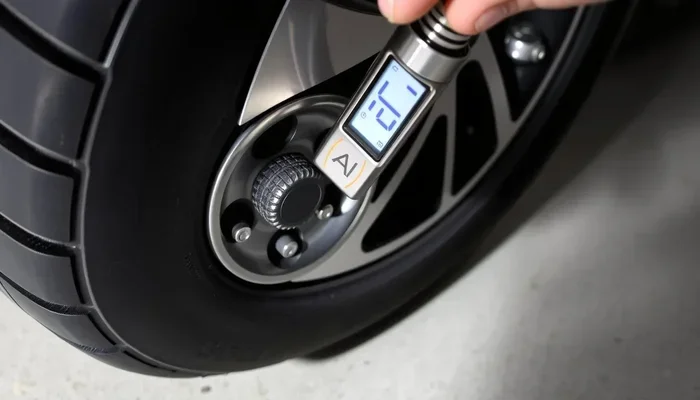
How to Change KPA to PSI on Your 2018 Subaru Crosstrek
Changing the tire pressure unit from KPA to PSI on your 2018 Subaru Crosstrek is a simple process you can do in minutes. This guide walks you through every step using the vehicle settings menu on the dashboard display. You will learn the recommended tire pressure values, how to access the display settings, and common tips to keep your readings accurate.
Have you ever looked at your 2018 Subaru Crosstrek dashboard and wondered what all those numbers mean? If you have ever seen KPA displayed on your tire pressure readout and thought it would make more sense in PSI, you are not alone. Many drivers prefer seeing tire pressure in PSI because it is the unit most tire pressure gauges use in the United States. Changing KPA to PSI on your 2018 Subaru Crosstrek is a quick and easy process that anyone can do at home.
Your Subaru Crosstrek comes packed with features that help you stay on top of vehicle maintenance. The dashboard display gives you real-time updates on tire pressure, fuel levels, and more. But sometimes the default settings do not match what you are used to. Tire pressure is one of those settings where a small change can make a big difference in how you understand your vehicle. This guide will show you exactly how to make the switch from KPA to PSI and why it matters for your daily driving.
Whether you are a new Crosstrek owner or have been driving one for years, understanding your dashboard display settings gives you more control over your vehicle. You will not need any special tools or a trip to the mechanic. In just a few minutes, you can adjust the unit of measurement and start reading your tire pressure in a format that feels familiar. Let us dive into the step-by-step process and explore everything you need to know.
Key Takeaways
- Easy Access: The settings menu on your 2018 Subaru Crosstrek lets you switch between KPA and PSI quickly.
- Recommended Pressure: Knowing the correct PSI for your tires helps with safety and fuel efficiency.
- TPMS Awareness: The Tire Pressure Monitoring System alerts you when pressure drops below safe levels.
- No Tools Needed: You can change the unit display without any special equipment or mechanic visits.
- Owner’s Manual Matters: Always check your manual for the factory recommended tire pressure values.
- Regular Checks: Switching to PSI makes it easier to compare readings with standard tire pressure gauges.
📑 Table of Contents
- Understanding Tire Pressure Units: KPA vs PSI
- Why You Should Switch from KPA to PSI
- How to Change KPA to PSI on Your 2018 Subaru Crosstrek
- Recommended Tire Pressure for the 2018 Subaru Crosstrek
- Understanding the TPMS on Your 2018 Subaru Crosstrek
- Common Mistakes When Changing Tire Pressure Units
- How This Relates to Overall Vehicle Maintenance
- Tips for Keeping Accurate Tire Pressure Readings
- When to Seek Professional Help
- Frequently Asked Questions
Understanding Tire Pressure Units: KPA vs PSI
What Is KPA?
KPA stands for Kilopascal. It is a metric unit used to measure pressure. Many vehicles sold outside the United States use KPA as their default tire pressure display. If you have ever seen numbers like 220 or 240 on your dashboard and wondered what they meant, those were likely KPA values. The metric system uses this unit because it fits neatly into the decimal-based measurements common in most countries around the world.
KPA is a perfectly valid unit of measurement. It tells you the same thing as PSI does: how much air pressure is inside your tires. The difference is simply the scale. One PSI equals about 6.895 KPA. So a tire pressure of 32 PSI would read roughly 221 KPA on your display. Both numbers represent the same amount of pressure, just expressed differently.
What Is PSI?
PSI stands for Pounds per Square Inch. It is the standard unit of pressure measurement used in the United States. When you visit a gas station or buy a portable tire pressure gauge, the readings are almost always in PSI. Most tire manufacturers in the US list recommended tire pressure values in PSI on the driver side door jamb or in the owner’s manual.
For most 2018 Subaru Crosstrek models, the recommended tire pressure falls between 32 and 35 PSI. This range ensures optimal handling, fuel efficiency, and tire wear. When your display shows PSI, it becomes much easier to compare the number on your screen with the number printed on your tire pressure gauge. This simple alignment between your dashboard and your tools removes confusion and helps you stay on top of Subaru maintenance.
Why You Should Switch from KPA to PSI
There are several good reasons to change your 2018 Subaru Crosstrek tire pressure display from KPA to PSI. First, it aligns with the units you see on most tire pressure gauges sold in the US. Second, it makes it easier to communicate with mechanics or service advisors who work in PSI every day. Third, it removes the mental math of converting between units every time you check your tires.
When you drive with a display that matches your tools, you are more likely to check your tire pressure regularly. Regular tire pressure checks are one of the simplest ways to improve fuel economy and extend the life of your tires. Underinflated tires can reduce gas mileage by up to three percent, according to the Department of Energy. Overinflated tires wear out unevenly and can compromise handling. By making it easier to read your pressure, switching to PSI encourages better maintenance habits.
Another reason to make the switch is clarity. If you share your vehicle with family members or friends, PSI is the unit most people in the US are familiar with. A quick glance at the dashboard tells everyone exactly where the pressure stands without needing to look up a conversion chart. Vehicle settings like this small change can make your daily driving experience smoother and more intuitive.
How to Change KPA to PSI on Your 2018 Subaru Crosstrek
Now let us get into the actual steps. Changing the tire pressure unit on your 2018 Subaru Crosstrek is straightforward and takes less than five minutes. The process involves navigating through the vehicle settings menu on the dashboard display. Here is exactly what you need to do.
Step 1: Start the Vehicle
Press the Start button or turn the ignition key to power on your Crosstrek. You do not need to start the engine fully. Just make sure the dashboard lights are on and the display screen is active. The instrument cluster should light up with all the normal readouts.
Step 2: Access the Settings Menu
Use the steering wheel controls to navigate to the settings menu. On the 2018 model, the buttons are usually located on the left side of the steering column. Press the Menu or Settings button to open the main settings screen. You may need to scroll through a few options to find the display or vehicle settings section.
Step 3: Find the Display Settings
Once you are in the settings menu, look for an option labeled Display Settings, Vehicle Info, or something similar. Use the arrow buttons to scroll through the menu items. The exact wording may vary slightly depending on your trim level and any factory options installed. This is where you can adjust units for tire pressure, fuel economy, and other measurements.
Step 4: Change the Tire Pressure Unit
Select the tire pressure unit option. You should see KPA listed as the current setting. Use the toggle or select button to switch it to PSI. The display will update immediately, showing your tire pressure in the new unit. If you have a digital display that shows all four tires, each reading will convert automatically.
Step 5: Confirm and Exit
Double-check that the readings now display in PSI. Compare the number with a tire pressure gauge to make sure the conversion looks correct. Once confirmed, exit the settings menu by pressing the back or home button. Your new setting will be saved, and your 2018 Subaru Crosstrek will now show tire pressure in PSI going forward.
Recommended Tire Pressure for the 2018 Subaru Crosstrek
Knowing how to read your pressure in PSI is only half the battle. You also need to know what the correct pressure should be. The recommended tire pressure for the 2018 Subaru Crosstrek is typically listed in two places: the driver side door jamb and the owner’s manual. Both sources provide the same factory recommended values.
For most trims of the 2018 Crosstrek, the recommended tire pressure is 32 PSI for all four tires. Some models with different wheel sizes or load ratings may call for slightly different pressures, such as 33 or 35 PSI. Always check the sticker on the door jamb for the exact number that matches your specific vehicle configuration.
Here are some quick tips for maintaining the right tire pressure:
- Check your tire pressure when the tires are cold, meaning the vehicle has been parked for at least three hours.
- Check pressure at least once a month and before long road trips.
- Do not rely solely on the TPMS light. By the time the light comes on, your pressure may already be significantly low.
- Keep a portable tire pressure gauge in your trunk for quick checks at gas stations or at home.
- Remember that temperature changes affect tire pressure. Cold weather can cause pressure to drop, while hot weather can cause it to rise.
Checking your tire pressure regularly is one of the easiest forms of Subaru maintenance you can do. It takes just a few minutes and can prevent costly repairs down the road. Properly inflated tires also improve your vehicle’s handling and braking performance, which matters for safety every time you drive.
Understanding the TPMS on Your 2018 Subaru Crosstrek
The Tire Pressure Monitoring System, or TPMS, is a built-in safety feature on your 2018 Subaru Crosstrek. It uses pressure sensors on each wheel to monitor the air level inside your tires in real time. When the system detects that pressure has dropped below a safe threshold, it triggers a warning light on the dashboard.
The TPMS light looks like a horseshoe shape with an exclamation point in the center. If you see this light, it means one or more tires are underinflated. You should pull over safely and check the tire pressure as soon as possible. Driving on underinflated tires can cause blowouts, reduce fuel economy, and lead to uneven tire wear.
It is important to understand that the TPMS is a warning system, not a replacement for regular manual checks. The sensors can sometimes give false readings, especially in extreme temperatures. This is another reason why switching your display to PSI is helpful. When you can read the actual pressure values, you can verify whether the TPMS alert is legitimate or just a temporary fluctuation caused by temperature changes.
Like the dashboard display settings for tire pressure, the TPMS itself requires occasional attention. If you notice the TPMS light coming on frequently, it may be time to inspect your tires or have the sensors checked. The TPMS sensors have batteries that typically last several years before needing replacement. Keeping up with this part of your vehicle care routine helps ensure you always have accurate pressure readings.
Common Mistakes When Changing Tire Pressure Units
While changing the unit from KPA to PSI is simple, there are a few common mistakes that drivers make. Avoiding these pitfalls will save you time and keep your readings accurate.
One mistake is assuming the conversion is exact without checking the actual numbers. KPA and PSI are different scales, so the numbers will look very different after the switch. A reading of 220 KPA becomes about 32 PSI. If you see 32 PSI after the switch, that is correct. Do not assume something is wrong just because the number looks different.
Another mistake is forgetting to check all four tires after making the change. The display may show different pressures for each tire, and you want to make sure each one is within the recommended range. Use a reliable tire pressure gauge to verify each reading. If one tire reads significantly lower than the others, it may need air.
Some drivers also forget to save their settings after making the change. On most 2018 Subaru Crosstrek models, the new unit setting saves automatically when you exit the menu. But it is always a good idea to double-check after restarting the vehicle to confirm the setting stuck. This is especially true if you share the vehicle with someone else who might accidentally change the settings back.
How This Relates to Overall Vehicle Maintenance
Switching your tire pressure display to PSI is a small change that fits into a bigger picture of vehicle care. Just like knowing when your car needs an oil change or how to check your power steering fluid, understanding your dashboard readouts helps you stay proactive about maintenance. When you understand what each indicator and setting means, you become a more informed driver.
The same attention to detail that goes into changing a display unit also applies to other areas of vehicle care. For example, knowing how many miles your car can last with proper maintenance, or understanding when your check engine light needs attention, builds confidence behind the wheel. These small knowledge gaps can make a big difference in how well you take care of your vehicle over time.
Working on your own vehicle can feel intimidating, especially if you have never done it before. The good news is that adjusting a display setting is about as simple as it gets. Are Toyotas Difficult To Work On is a common question among new car owners, and the answer is that modern vehicles from all manufacturers are designed to be user-friendly. Your 2018 Subaru Crosstrek is no exception. The menus are intuitive, the controls are clearly labeled, and the process of changing a unit setting is designed to be accessible to everyone.
Taking a few minutes to explore your vehicle settings can pay off in many ways. Beyond tire pressure, you can adjust your display brightness, set up your audio preferences, and configure other display units for fuel consumption and distance. Each of these small adjustments makes your driving experience more personalized and enjoyable.
Tips for Keeping Accurate Tire Pressure Readings
Once you have switched your display to PSI, you want to make sure the readings stay accurate over time. Here are some practical tips to help you maintain reliable tire pressure data on your 2018 Subaru Crosstrek.
- Always use a quality tire pressure gauge. Cheap gauges can give inaccurate readings that lead to incorrect adjustments.
- Check your tire pressure at the same time of day for consistency. Morning readings before driving are the most reliable.
- Inspect your tire valves for leaks. A damaged valve stem can cause slow air loss that is hard to notice visually.
- Rotate your tires regularly as recommended in your owner’s manual. This helps ensure even wear and consistent pressure readings across all four tires.
- Keep your TPMS sensors in good condition. If a sensor fails, it may give incorrect readings or trigger the warning light unnecessarily.
These habits take minimal effort but pay off in tire longevity, fuel savings, and driving safety. Accurate tire pressure readings also help you get the most out of every tank of gas. Underinflated tires create more rolling resistance, which means your engine has to work harder and burn more fuel. By keeping your pressure in the recommended range, you save money at the pump and reduce wear on your tires at the same time.
Another helpful tip is to keep a log of your tire pressure readings. A small notebook in your glove box or a note on your phone can help you track trends over time. If you notice pressure dropping consistently in one tire, it could indicate a slow leak that needs attention before it becomes a bigger problem. Catching small issues early is one of the best ways to avoid costly repairs.
When to Seek Professional Help
Changing the unit on your display is something you can handle on your own. But there are times when professional help is the right call. If your TPMS light stays on after you have confirmed your tire pressure is correct, the issue may be with the sensors themselves. A mechanic or Subaru dealership can diagnose and replace faulty TPMS sensors quickly and affordably.
Similarly, if you notice your tire pressure dropping frequently, there may be a leak in the tire or wheel that needs professional repair. A slow puncture can be hard to detect without specialized equipment. A tire shop can inspect your tires, identify leaks, and make the necessary repairs or replacements.
Regular service visits are also important for overall vehicle health. While checking tire pressure is a DIY-friendly task, other maintenance items like brake inspections, oil changes, and fluid checks are best left to trained professionals. Staying current with your service schedule helps your 2018 Subaru Crosstrek run smoothly for years to come. It also helps maintain the vehicle’s resale value if you ever decide to upgrade.
Frequently Asked Questions
Can I change the tire pressure unit back from PSI to KPA?
Yes, you can switch back to KPA at any time by following the same steps in the display settings menu. Simply navigate to the tire pressure unit option and toggle it back to KPA. The display will update immediately to show the metric readings again.
What if my 2018 Subaru Crosstrek does not have a display settings menu?
Some base trim levels may have limited display options. If you cannot find the tire pressure unit setting, consult your owner’s manual for the exact menu path. You can also visit a Subaru dealership, and they can help you locate or enable the setting.
Is it safe to drive with the TPMS light on?
It is not recommended. The TPMS light indicates that one or more tires are significantly underinflated, which can affect handling and increase the risk of a blowout. Check your tire pressure immediately and inflate to the recommended level before driving long distances.
How often should I check my tire pressure?
You should check your tire pressure at least once a month and before any long trips. Temperature changes can cause pressure to fluctuate, so more frequent checks during seasonal transitions are a good idea.
Does changing the display unit affect the TPMS sensors?
No, changing the display unit from KPA to PSI only affects how the readings are shown on your dashboard. The TPMS sensors continue to monitor pressure in the background regardless of the display setting.
What is the correct tire pressure for a loaded 2018 Subaru Crosstrek?
If you are carrying a heavy load, check the owner’s manual or the door jamb sticker for the recommended pressure. Loaded vehicles sometimes require slightly higher tire pressure, typically around 33 to 35 PSI depending on the model and trim.