How Many Vehicles Does Honda Sell Per Year Worldwide
Honda sells millions of vehicles every year across the globe, making it one of the world’s largest automakers. This article breaks down Honda’s annual sales numbers, regional performance, best-selling models, and what the future holds for the brand. Whether you’re a car enthusiast or just curious about Honda’s market position, you’ll find detailed Honda vehicle sales data and practical insights here.
Honda is one of the biggest names in the global automotive market. Every year, millions of people around the world choose Honda vehicles for their daily drives. But exactly how many vehicles does Honda sell per year? The answer might surprise you.
Honda’s annual sales figures tell a story of growth, adaptation, and strong brand loyalty. From compact sedans to SUVs, the Honda model lineup has something for nearly every type of driver. In this article, we’ll dive deep into Honda’s vehicle unit sales, regional performance, and what makes the brand so popular year after year.
If you’ve ever wondered about Honda’s place among the top car manufacturer rankings, you’re in the right place. We’ll look at real Honda retail sales data, explore automobile industry trends, and share practical insights about what drives Honda’s success. Let’s get started.
Key Takeaways
- Honda sells over 4 million vehicles annually: The automaker consistently ranks among the top global sellers with steady growth.
- Regional markets drive different results: North America, Asia, and Europe each contribute significantly to Honda’s total sales.
- The Honda Civic and CR-V dominate sales: These models consistently rank as Honda’s best performers worldwide.
- Honda’s reliability fuels long-term demand: Many owners keep their Hondas for years, boosting resale and repeat sales.
- Electric and hybrid models are reshaping Honda’s future: New powertrain options are attracting environmentally conscious buyers.
- Honda competes closely with Toyota and other giants: The brand holds a strong position in the global automotive market.
📑 Table of Contents
Honda’s Global Sales Overview
Understanding Honda’s global vehicle sales starts with the big picture. Honda Motor Company, founded in Japan in 1948, has grown into a worldwide automotive powerhouse. The company produces and sells vehicles in more than 150 countries. Each year, Honda releases annual sales figures that show how well its models perform across different markets.
In recent years, Honda has consistently sold between 4 million and 5 million vehicles annually. These numbers include passenger cars, SUVs, trucks, and commercial vehicles. Honda’s manufacturing output plays a huge role in meeting global demand. The company operates dozens of factories around the world, which helps it keep up with vehicle demand trends.
Understanding Honda’s Annual Production Numbers
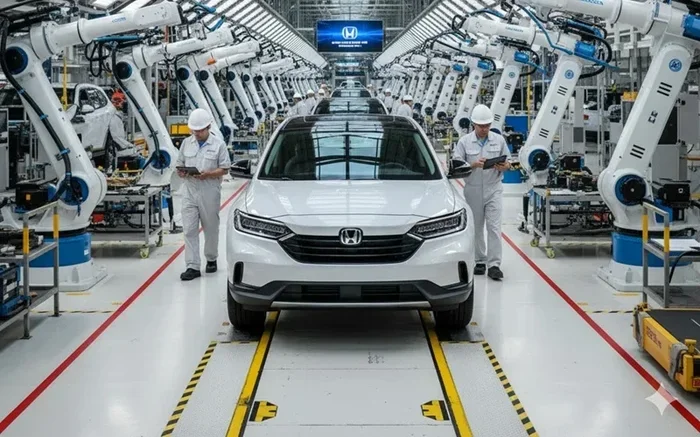
Honda’s production capacity directly affects how many vehicles it can sell. The company builds cars, trucks, and SUVs at plants in Japan, the United States, China, Thailand, and several other countries. This global supply chain allows Honda to serve customers in nearly every major market.
When car sales statistics are reviewed, Honda often appears in the top 10 worldwide. The brand’s ability to balance quality with affordability has helped it maintain strong sales for decades. Honda also focuses on fuel efficiency, which appeals to cost-conscious buyers everywhere.
How Honda’s Manufacturing Supports Sales
Honda’s supply chain is one of the most efficient in the industry. The company uses a “just-in-time” production system, which means parts arrive exactly when needed. This reduces waste and keeps production running smoothly. As a result, Honda can respond quickly to changes in vehicle demand trends.
When a new model launches, Honda ramps up production at multiple plants simultaneously. This strategy helps the company meet early demand without creating excess inventory. It also means that popular models rarely face long wait times at dealerships.
How Honda’s Sales Have Changed Over the Years
Honda’s sales journey has been impressive. In the 1960s and 1970s, the company was still growing its reputation. The Honda Civic, introduced in 1972, changed everything. It offered a reliable, fuel-efficient car at an affordable price. Today, the Civic remains one of the best-selling models in Honda’s lineup.
Through the 1980s and 1990s, Honda expanded into the American and European markets. The brand’s global car sales by manufacturer ranking climbed steadily. Honda’s focus on engineering and quality helped it stand out from competitors.
The Growth of Honda in the Global Market
Honda’s automotive industry analysis shows a clear pattern of steady growth. The company didn’t rely on a single market. Instead, it built a presence in North America, Europe, and Asia simultaneously. This diversified approach protected Honda during economic downturns and regional crises.
In the early 2000s, Honda’s Honda vehicle sales data showed record-breaking numbers. Models like the Accord and CR-V became household names. The brand’s reputation for reliability meant that owners kept their Hondas for years, which also boosted the used car market.
Key Milestones in Honda’s Sales History
Several milestones shaped Honda’s sales growth. The introduction of the Civic in 1972 was a turning point. It became the best-selling car in America multiple times. The Accord, launched in 1976, followed a similar path. Both models proved that a Japanese automaker could compete with American and European brands.
The 2000s brought another wave of growth. Honda’s SUV lineup, especially the CR-V, gained massive popularity. As car buying trends shifted toward larger vehicles, Honda adapted quickly. The company also invested heavily in hybrid technology, which set it apart from many competitors.
More recently, Honda has faced challenges from supply chain disruptions and semiconductor shortages. Despite these hurdles, the brand’s sales have remained relatively stable. Honda’s ability to navigate these obstacles shows the strength of its global operations.
Honda’s Best-Selling Models
Not all Honda models sell equally. Some vehicles drive the majority of Honda’s Honda retail sales data. Understanding which models perform best helps explain Honda’s overall market position. Let’s look at the top sellers.
Honda Civic Sales Numbers
The Honda Civic has been a sales juggernaut for over 50 years. It consistently ranks among the best-selling cars in the world. In the United States alone, the Civic sells hundreds of thousands of units each year. Its popularity comes from a combination of reliability, fuel efficiency, and fun-to-drive dynamics.
The Civic appeals to young buyers, first-time car owners, and families alike. Honda offers it as a sedan and a hatchback, giving customers options. The Civic’s Honda Civic sales numbers have remained strong even as competitors have entered the compact car segment.
Honda CR-V and Accord Performance
The Honda CR-V is the brand’s best-selling SUV. It combines practicality, comfort, and reliability in one package. Families love the CR-V for its spacious interior and strong safety ratings. The Accord, Honda’s flagship sedan, has also been a consistent top performer for decades.
Both the CR-V and Accord benefit from Honda’s reputation for durability. Many owners report driving these vehicles well past 200,000 miles. This long lifespan means owners often buy their next Honda, creating a cycle of repeat sales. If you’re curious about how long Hondas last, check out how many miles a car can last for more insights.
What Makes These Models So Popular
Several factors contribute to Honda’s model popularity. First, Honda vehicles are known for reliability. They require less maintenance than many competitors. Second, Honda offers strong fuel economy across its lineup. Third, Honda cars tend to hold their value well in the resale market.
When you add these factors together, the result is a compelling value proposition. Buyers know they’re getting a quality vehicle that won’t break the bank over time. This is why Honda consistently ranks high in customer satisfaction surveys. The brand’s Honda brand popularity is built on decades of delivering dependable vehicles.
Honda’s Sales By Region
Honda sells vehicles in virtually every major market around the world. However, sales performance varies by region. Let’s break down Honda’s regional sales picture.
North American Sales Performance
North America is one of Honda’s largest markets. The United States alone accounts for a huge share of Honda’s annual sales. Honda operates manufacturing plants in Ohio, Indiana, Alabama, and other states. These plants produce models specifically designed for the American market.
In Canada and Mexico, Honda also performs well. The brand’s reputation for reliability resonates with North American buyers. SUVs like the CR-V and the new Honda Prologue have gained significant traction. Sedans like the Civic and Accord continue to sell strongly as well.
One factor that affects Honda’s North American sales is pricing. When buyers compare how much a brand new car costs, Honda often comes out ahead of competitors. The brand offers strong value at competitive price points.
Asian and European Market Contributions
Asia is Honda’s home market, and it remains a critical region for sales. Japan, China, and Southeast Asian countries all contribute significantly to Honda’s global numbers. In China, Honda partners with local manufacturers to produce vehicles tailored to Chinese consumers.
Europe is another important market for Honda. The brand’s fuel-efficient engines and practical designs appeal to European buyers. Honda has also invested in electric vehicle technology in Europe, responding to stricter emissions regulations.
In smaller markets across Africa, the Middle East, and South America, Honda maintains a steady presence. These regions may not contribute as many units, but they add to Honda’s overall global footprint. The company’s ability to adapt to local preferences in each region has been key to its success.
How Honda Compares to Other Automakers
Honda doesn’t operate in a vacuum. It competes with Toyota, Nissan, Volkswagen, Hyundai, and many other brands. Understanding where Honda stands among its peers helps put its sales numbers in context.
Honda vs Toyota Sales Battle
Toyota and Honda are often compared. Both are Japanese automakers known for reliability and quality. Toyota typically sells more vehicles globally, but Honda holds its own in many key markets. The two brands compete closely in the compact car and SUV segments.
Toyota has a slight edge in SUV sales with models like the RAV4 and Highlander. Honda counters with the CR-V and the newer Passport and TrailSport models. Both brands benefit from strong dealer networks and loyal customer bases. When you look at global car sales by manufacturer rankings, Toyota and Honda consistently appear in the top 10.
Honda’s Position Among Global Brands
Among all automakers worldwide, Honda usually ranks in the top 8 to 10 by sales volume. The brand punches above its weight, especially considering its smaller lineup compared to some competitors. Honda’s focus on quality over quantity has served it well.
Honda’s position has strengthened in recent years as the industry shifts toward electrification. The company has announced plans to go all-electric in certain markets by 2040. This forward-thinking approach helps Honda stay relevant as automobile industry trends evolve.
What the Future Holds for Honda Sales
The automotive industry is changing fast. Electric vehicles, autonomous driving, and new mobility services are reshaping how people buy and use cars. Honda is positioned to adapt, but challenges remain.
Electric and Hybrid Vehicle Growth
Honda has invested heavily in electric and hybrid technology. The Honda Prologue, an electric SUV, represents the company’s push into the EV market. Honda has also expanded its hybrid lineup, offering electrified versions of popular models like the Civic and Accord.
Fuel efficiency remains a core Honda strength. If you’ve ever wondered about fuel tank sizes, check out how many gallons a full tank holds for useful context on Honda’s impressive range. As buyers become more eco-conscious, Honda’s focus on efficiency gives it a competitive advantage.
Challenges and Opportunities Ahead
Honda faces several challenges heading into the next decade. Supply chain disruptions, rising material costs, and intense competition from EV-focused brands all pose risks. The company must also invest in new manufacturing technologies to produce electric vehicles at scale.
However, Honda also has many opportunities. Its strong brand reputation, global dealer network, and proven engineering expertise give it a solid foundation. Honda’s ability to offer both traditional and electrified vehicles means it can serve a wide range of customers. As car buying trends continue to evolve, Honda’s flexibility will be a major asset.
One thing is clear: Honda’s commitment to quality and innovation will continue to drive sales for years to come. The brand has survived decades of industry changes, and it shows no signs of slowing down. Whether you’re looking at a new Civic, CR-V, or an upcoming electric model, Honda has something valuable to offer.
Even the everyday costs of owning a Honda are reasonable. For example, replacement parts like wiper blades are widely available and affordable. You can even find them at places like Walmart, as explored in does Walmart sell wiper blades. This kind of ownership affordability adds to Honda’s long-term appeal and helps sustain strong sales.
In the end, Honda’s Honda vehicle sales story is one of resilience and smart strategy. The brand has adapted to changing markets, embraced new technologies, and maintained its core values of quality and reliability. These qualities will continue to attract buyers around the world for generations to come.
Conclusion
So, how many vehicles does Honda sell per year worldwide? The answer is millions. Honda’s consistent performance in the global automotive market reflects its strong brand, quality vehicles, and smart business strategy. From the Civic to the CR-V, Honda’s best-selling models prove that the brand understands what drivers want.
Honda’s sales have grown steadily over the decades, even through tough economic times. The company’s ability to adapt to automobile industry trends while staying true to its core values has been key. Whether you’re a Honda fan or just curious about the brand, the sales numbers tell a compelling story of success.
If you’re considering a Honda vehicle, you’re looking at a brand with a proven track record. Honda’s combination of reliability, efficiency, and value makes it one of the smartest choices in today’s market. The brand’s future looks bright, with electric vehicles and new technologies on the horizon.
Understanding Honda’s annual sales figures gives you a clearer picture of why the brand remains so popular. It’s not just about the numbers. It’s about the trust and loyalty that Honda has built with millions of customers worldwide. That trust is the real engine behind Honda’s enduring success.
Frequently Asked Questions
How many vehicles does Honda sell per year globally?
Honda typically sells between 4 million and 5 million vehicles annually across the globe. These numbers include passenger cars, SUVs, trucks, and commercial vehicles sold in more than 150 countries.
What is Honda’s best-selling model worldwide?
The Honda Civic and Honda CR-V are Honda’s two best-selling models globally. The Civic has been a top performer for over 50 years, while the CR-V dominates the SUV segment with strong sales in North America, Europe, and Asia.
How does Honda’s sales compare to Toyota?
Toyota generally sells more vehicles than Honda on a global scale. However, Honda holds a strong position in many key markets and competes closely with Toyota in the compact car and SUV segments.
Which region contributes most to Honda’s sales?
North America, particularly the United States, is one of Honda’s largest markets. Asia, including Japan and China, is also a major contributor. Europe rounds out the three most important regions for Honda’s global sales.
Is Honda shifting to electric vehicles?
Yes, Honda has announced plans to go all-electric in certain markets by 2040. The company has already launched electric and hybrid models and is investing heavily in EV technology to meet changing consumer demand.
Why do Honda vehicles sell so well?
Honda vehicles sell well because of their reliability, fuel efficiency, and strong resale value. The brand’s reputation for quality engineering and affordable pricing attracts buyers who want a dependable car without overspending.