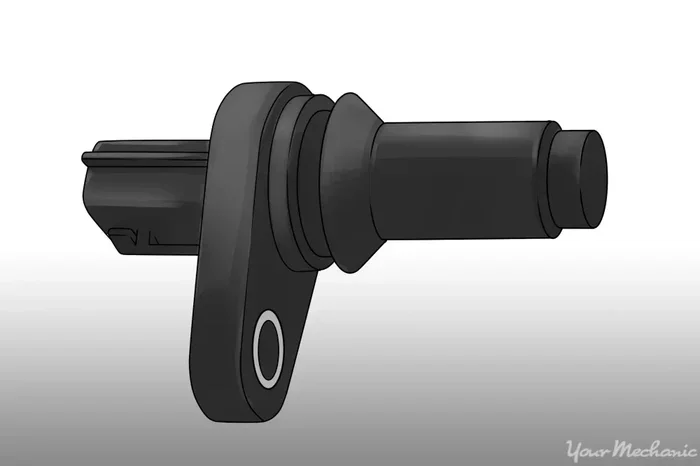
What Sensor Controls Engine Timing and How It Works
The crankshaft position sensor and camshaft position sensor are the two main sensors that control engine timing. These sensors work together with the engine control unit to tell the ECU exactly when to fire spark plugs and inject fuel. Without them, your engine would run poorly or not at all. This guide breaks down how each sensor works, what happens when they fail, and how to keep your engine running at peak performance.
Your car’s engine is a marvel of precision engineering. Hundreds of moving parts work in perfect harmony every single second. But none of that matters if the engine timing is off. Even a fraction of a second too early or too late can cause serious problems. So what sensor controls engine timing, and why should you care?
The answer lies in two small but mighty sensors: the crankshaft position sensor and the camshaft position sensor. These two components work hand in hand with the engine control unit to keep everything running in sync. Think of them as the conductor of an orchestra. Without them, the entire engine performance falls apart.
In this article, we will break down exactly how these sensors work, what happens when they go bad, and what you can do about it. Whether you are a curious car owner or someone dealing with engine problems right now, this guide has you covered.
Key Takeaways
- The crankshaft position sensor tracks the rotation speed and position of the crankshaft, which is the core of engine timing control.
- The camshaft position sensor tells the ECU which cylinder is in its compression stroke for precise fuel and spark timing.
- Together, these sensors allow variable valve timing and ensure optimal combustion in modern engines.
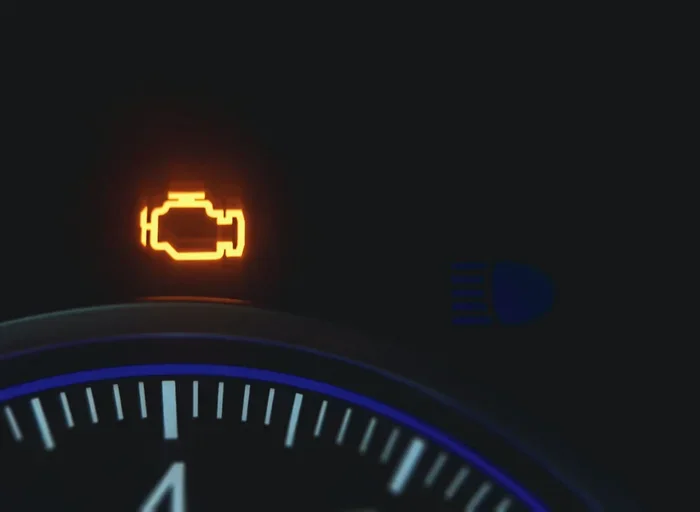
- Common failure symptoms include rough idling, engine misfires, stalling, and a check engine light.
- Regular maintenance and prompt attention to warning signs can prevent costly engine damage from timing sensor issues.
- Replacing a faulty sensor is usually affordable and straightforward, but ignoring the problem can lead to serious engine problems.
- Diagnostics tools can read error codes from these sensors even when the check engine light is off.
📑 Table of Contents
- What Is Engine Timing and Why Does It Matter?
- The Crankshaft Position Sensor: The Heart of Engine Timing
- The Camshaft Position Sensor: Precision Timing for Each Cylinder
- How the Crankshaft and Camshaft Sensors Work Together
- Variable Valve Timing and the Role of Sensors
- How to Diagnose Engine Timing Sensor Problems
- Can You Drive With a Bad Timing Sensor?
- Replacing Engine Timing Sensors: What to Expect
- Preventing Timing Sensor Problems
- Common Mistakes When Dealing with Timing Sensor Issues
- Final Thoughts on Engine Timing Sensors
What Is Engine Timing and Why Does It Matter?
Engine timing refers to the precise moment when your engine’s valves open and close and when the spark plugs fire. This timing is measured in degrees of crankshaft rotation. Even a few degrees off can cause noticeable problems. Modern engines run at incredibly tight tolerances, so precision is everything.
There are two main types of engine timing. The first is ignition timing, which controls when the spark plug fires. The second is valve timing, which controls when the intake and exhaust valves open and close. Both types depend on accurate sensor input to function correctly.
The Role of the Engine Control Unit
The engine control unit, or ECU, is the brain of your vehicle. It receives data from dozens of sensors and makes real-time decisions. When the ECU gets the right data from the crankshaft position sensor and camshaft position sensor, it can calculate the perfect ignition and fuel injection timing. This process happens thousands of times per minute.
If the ECU receives incorrect or no data from these sensors, the engine will run poorly. In some cases, the engine may not run at all. This is why understanding what sensor controls engine timing is so important for every car owner.
The Crankshaft Position Sensor: The Heart of Engine Timing
The crankshaft position sensor, often called the CKP sensor, is the primary sensor that controls engine timing. It monitors the position and rotational speed of the crankshaft. The crankshaft converts the up-and-down motion of the pistons into rotational motion. Knowing exactly where the crankshaft is at any given moment is essential for proper engine operation.
The CKP sensor typically sits near the front or rear of the engine. It reads a toothed ring or reluctor wheel attached to the crankshaft. As the crankshaft rotates, the sensor detects each tooth passing by. This creates a signal that the ECU uses to determine crankshaft position and engine RPM.
How the Crankshaft Position Sensor Works
Most crankshaft position sensors are magnetic or Hall effect sensors. A magnetic sensor generates a small voltage as metal teeth pass by it. A Hall effect sensor uses a magnetic field and a shutter wheel to produce a digital signal. Both types send information to the ECU at a very high speed.
The ECU uses this data to do several critical things:
- Determine piston position so it knows which cylinder is on the compression stroke.
- Control ignition timing by firing the spark plug at the exact right moment.
- Manage fuel injection by timing the fuel injector pulse to match the piston position.
- Monitor engine RPM to adjust timing advance or retard as needed.
Without a working crankshaft position sensor, the ECU simply cannot know when to fire the spark plugs or inject fuel. The engine will stall, misfire, or refuse to start. This is why the crankshaft position sensor is considered the most important sensor for controlling engine timing.
Common Crankshaft Position Sensor Problems
Like all sensors, the crankshaft position sensor can wear out over time. Heat exposure is one of the biggest enemies. The sensor sits close to the engine block, so it endures high temperatures every day. Oil contamination can also damage the sensor tip. And electrical issues in the wiring harness can cause intermittent signal loss.
Watch for these warning signs:
- Rough idle or engine stumbling
- Stalling, especially at low speeds
- Difficulty starting the engine
- Engine misfires under load
- A check engine light that comes on unexpectedly
If you notice any of these symptoms, do not ignore them. A failing crankshaft position sensor can lead to poor engine performance and increased fuel consumption. In some cases, it can also cause the engine to shut off while driving, which is a serious safety concern.
The Camshaft Position Sensor: Precision Timing for Each Cylinder
The camshaft position sensor, or CMP sensor, works alongside the crankshaft position sensor. While the CKP sensor tells the ECU the speed and overall position of the crankshaft, the CMP sensor tells the ECU the exact position of the camshaft. This information is critical because it tells the ECU which specific cylinder is in its compression stroke.
In older engines, the ECU could guess which cylinder was on the compression stroke after startup. But modern engines need to know this information instantly. The camshaft position sensor provides that precision. It enables features like variable valve timing, which adjusts valve timing on the fly for better performance and fuel economy.
How the Camshaft Position Sensor Works
The camshaft position sensor operates on similar principles to the crankshaft sensor. It reads a target wheel or slot on the camshaft as it rotates. The ECU compares the camshaft signal to the crankshaft signal to determine the exact phase of the engine cycle.
This comparison is called sequential fuel injection timing. It allows the ECU to fire each fuel injector at the precise moment for each cylinder. The result is smoother operation, better fuel economy, and lower emissions.
The camshaft position sensor also plays a key role in variable valve timing systems. These systems adjust the timing of the camshaft itself to optimize engine performance at different RPM ranges. Without a working CMP sensor, the VVT system cannot function, and engine performance suffers.
Symptoms of a Failing Camshaft Position Sensor
A bad camshaft position sensor can cause a range of problems. Here are the most common symptoms:
- Rough or uneven idle. The engine may shake or feel rough when sitting at a stoplight.
- Engine misfires. You may feel a hesitation or jerk when accelerating.
- Poor fuel economy. Incorrect timing causes the engine to burn more fuel than necessary.
- Hard starting. The engine may take longer to start or crank for an extended period.
- Reduced engine power. The ECU may put the engine in a limp mode to protect itself.
If your check engine light comes on and you notice any of these symptoms, it is worth getting a diagnostic scan. You can run diagnostics even without a check engine light in some cases, which can help catch sensor issues early.
How the Crankshaft and Camshaft Sensors Work Together
The crankshaft position sensor and camshaft position sensor work as a team. Neither one is enough on its own to control engine timing properly. Together, they give the ECU everything it needs to manage ignition timing and fuel injection with incredible precision.
Here is how the process works in simple terms:
- The crankshaft position sensor sends a signal that tells the ECU the general position and speed of the engine.
- The camshaft position sensor sends a signal that tells the ECU which specific cylinder is in the compression stroke.
- The ECU combines both signals to calculate the exact moment to fire each spark plug and activate each fuel injector.
- This entire process repeats thousands of times per minute, with the ECU making constant adjustments.
This coordination is what allows modern engines to deliver excellent engine performance while maintaining good fuel economy and low emissions. When both sensors are working properly, you get the best of all worlds.
What Happens When One Sensor Fails?
If the crankshaft position sensor fails, the engine will typically stall or fail to start. This is a critical sensor, and the engine cannot run without it. If the camshaft position sensor fails, the engine may still run, but it will run poorly. You will likely experience misfires, rough idling, and reduced power.
In some cases, a failing sensor may send intermittent signals. This can cause unpredictable behavior. The engine might run fine at one moment and misfire the next. These intermittent issues can be tricky to diagnose, which is why paying attention to early warning signs is so important.
Variable Valve Timing and the Role of Sensors
Many modern engines use variable valve timing, also known as VVT. This technology adjusts the timing of the intake and exhaust valves based on engine speed and load. The goal is to optimize performance, fuel efficiency, and emissions across all driving conditions.
Variable valve timing systems rely heavily on the camshaft position sensor. The ECU uses the CMP signal to control a VVT actuator, which physically rotates the camshaft to advance or retard valve timing. This happens in real time and is one of the reasons modern engines are so efficient.
Without a working camshaft position sensor, the VVT system cannot operate. The engine will default to a fixed timing profile, which is less optimal. You may notice reduced power at high RPMs or poor fuel economy during city driving.
Types of Variable Valve Timing Systems
Different manufacturers use different VVT technologies. Here are the most common types:
- Toyota VVT-i: Adjusts intake valve timing using oil pressure and a cam phaser.
- Honda VTEC: Switches between two cam profiles for different engine speeds.
- BMW VANOS: Independently adjusts both intake and exhaust camshaft timing.
- GM VVT: Uses a cam phaser to adjust intake valve timing based on sensor input.
All of these systems depend on accurate camshaft position sensor data to function. If the sensor fails, the VVT system goes into a default mode, and you lose the benefits of variable timing.
How to Diagnose Engine Timing Sensor Problems
Diagnosing a timing sensor issue starts with understanding the symptoms. If your engine is running rough, stalling, or showing a check engine light, a sensor problem could be the cause. The good news is that modern diagnostic tools make this process much easier.
Step 1: Check for Error Codes
The first step is to connect an OBD-II scanner to the diagnostic port under your dashboard. The scanner will read any stored error codes. Common codes related to timing sensors include P0335 for crankshaft position sensor circuit malfunction and P0340 for camshaft position sensor circuit malfunction.
You may be able to run diagnostics even if your check engine light is not on. Some codes are stored as pending and will not trigger the light immediately but can still indicate a developing problem.
Step 2: Inspect the Sensors and Wiring
Once you have the error codes, visually inspect the sensors and their wiring. Look for corrosion, loose connectors, or damaged wires. The crankshaft position sensor is often exposed to oil and heat, so check for oil contamination around the sensor tip.
Step 3: Test the Sensors
Using a multimeter, you can test the resistance and signal output of both sensors. The crankshaft position sensor should produce a consistent AC voltage signal as the engine cranks. The camshaft position sensor should produce a clean digital signal. If the readings fall outside the manufacturer’s specifications, the sensor likely needs replacement.
Step 4: Check Related Engine Components
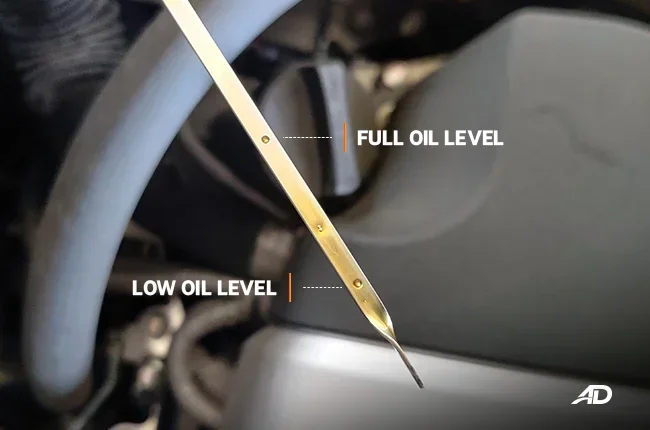
Sometimes the sensor itself is fine, but the problem lies elsewhere. A worn timing belt or timing chain can cause similar symptoms to a failed sensor. Low engine oil can also affect VVT system performance. It is always a good idea to check the bigger picture before replacing a sensor.
If you are dealing with engine overheating issues, remember that low oil can cause engine overheating, which in turn can damage sensors and other engine components.
Can You Drive With a Bad Timing Sensor?
This is a common question among car owners. The short answer is: it depends on which sensor has failed and how badly.
If the crankshaft position sensor has completely failed, you will not be able to drive at all. The engine will stall or refuse to start. If the camshaft position sensor has failed, you may be able to drive short distances, but the engine will run poorly and could sustain damage over time.
Driving with a bad timing sensor is not recommended. The ECU will try to compensate for the missing or incorrect data, but it cannot do so perfectly. This compensation mode often results in increased fuel consumption, higher emissions, and reduced engine performance. Over time, running in this mode can cause additional wear on other engine components.
Additionally, a failing sensor can cause the check engine light to come on and go off intermittently. Some drivers ignore a light that turns off by itself. But even if the light goes off, the underlying problem may still exist. A check engine light can go off by itself, but that does not mean the problem has resolved itself.
Replacing Engine Timing Sensors: What to Expect
Replacing a crankshaft or camshaft position sensor is generally a straightforward repair. Most sensors are located on the outside of the engine and are accessible with basic tools. The job typically takes between 30 minutes and two hours, depending on the vehicle.
The cost is also relatively affordable. A new crankshaft position sensor usually costs between $50 and $250 for the part alone. Labor costs range from $50 to $150 at most independent shops. The camshaft position sensor is similarly priced. In total, you can expect to pay between $100 and $400 for both sensors including parts and labor.
However, costs can vary depending on the vehicle make and model. Some engines have sensors that are harder to reach, which increases labor time. Luxury vehicles may also have more expensive sensors. Always get a quote before committing to the repair.
DIY vs. Professional Replacement
If you have basic mechanical skills, replacing a timing sensor can be a DIY job. The sensors are usually held in with a single bolt and plug into an electrical connector. Just make sure you disconnect the battery before starting any work.
If you are not comfortable working on your vehicle, a professional mechanic can handle the replacement quickly and correctly. Many shops offer same-day service for this type of repair.
Preventing Timing Sensor Problems
The best way to deal with timing sensor issues is to prevent them from happening in the first place. Here are some practical tips to keep your sensors and engine running in top shape:
- Keep your engine oil clean. Dirty oil can contaminate sensors and affect VVT system operation.
- Check for oil leaks regularly. Oil leaking onto sensors is a common cause of premature failure.
- Address warning signs promptly. Do not ignore rough idling, misfires, or a check engine light.
- Follow the maintenance schedule. Regular inspections can catch small problems before they become big ones.
- Use quality parts. OEM or high-quality aftermarket sensors tend to last longer and perform better.
Taking care of your engine also means taking care of its sensors. The crankshaft and camshaft position sensors are small components with a big job. Treat them well, and they will help your engine run smoothly for years to come.
Common Mistakes When Dealing with Timing Sensor Issues
Many car owners make mistakes when they suspect a timing sensor problem. Avoid these common pitfalls:
- Replacing the wrong sensor. Always verify the error code before buying a replacement part.
- Ignoring wiring issues. Sometimes the problem is not the sensor but a damaged wire or connector.
- Delaying the repair. A small sensor problem can lead to bigger engine issues if left unaddressed.
- Assuming the check engine light is the only indicator. Some timing sensor problems show up as drivability issues before the light comes on.
By avoiding these mistakes, you can save time, money, and frustration. And you will keep your engine running at its best.
Final Thoughts on Engine Timing Sensors
So what sensor controls engine timing? The answer is both the crankshaft position sensor and the camshaft position sensor. These two small but critical components work together with the ECU to keep your engine running in perfect sync. They control ignition timing, fuel injection, and variable valve timing. Without them, modern engines simply cannot function properly.
Understanding how these sensors work and what happens when they fail empowers you as a car owner. You can catch problems early, make informed repair decisions, and keep your engine running strong for miles to come. The next time you hear about engine timing, you will know exactly what is going on under the hood.
Take care of your sensors, and they will take care of your engine. It is one of the simplest and most effective ways to protect your vehicle’s long-term health and performance.
Frequently Asked Questions
What happens if the crankshaft position sensor fails completely?
If the crankshaft position sensor fails completely, the engine will stall or refuse to start. The ECU cannot fire the spark plugs or inject fuel without knowing the crankshaft position. This is a critical sensor, and driving with a failed CKP sensor is not possible.
How much does it cost to replace a camshaft position sensor?
The cost to replace a camshaft position sensor typically ranges from $100 to $400, including parts and labor. The part itself usually costs between $50 and $250, and labor ranges from $50 to $150 at most shops. Prices vary by vehicle make and model.
Can a bad timing sensor cause engine overheating?
A bad timing sensor can indirectly contribute to engine overheating. Incorrect timing can cause the engine to run lean or rich, leading to higher operating temperatures. Additionally, low oil levels, which can affect timing sensor function, may also lead to overheating issues.
How long do crankshaft and camshaft position sensors last?
These sensors are designed to last the life of the vehicle, but they can fail prematurely due to heat, oil contamination, or electrical issues. Most sensors last between 100,000 and 150,000 miles under normal conditions. Regular maintenance can help extend their lifespan.
Can I reset my own TPMS sensor after replacing a timing sensor?
TPMS sensors and timing sensors are completely different components. Replacing a timing sensor does not require a TPMS reset. However, if you are experiencing any sensor-related issues, you can reset your own TPMS sensor independently using an OBD-II tool or the vehicle’s reset procedure.
What is the difference between a crankshaft and camshaft position sensor?
The crankshaft position sensor monitors the rotation speed and position of the crankshaft, while the camshaft position sensor monitors the exact rotational position of the camshaft. Together, they tell the ECU the precise position of every piston and valve in the engine cycle, which is essential for proper engine timing.
=== CONCLUSION ===
The crankshaft position sensor and camshaft position sensor are the two key components that answer the question of what sensor controls engine timing. They work together with the engine control unit to manage ignition timing, fuel injection, and variable valve timing with incredible precision. Understanding how these sensors work, recognizing the symptoms of failure, and taking prompt action can save you from costly repairs and keep your engine running at its best. Stay proactive with your vehicle maintenance, listen to your car, and address sensor issues before they turn into bigger problems. Your engine will thank you for it.