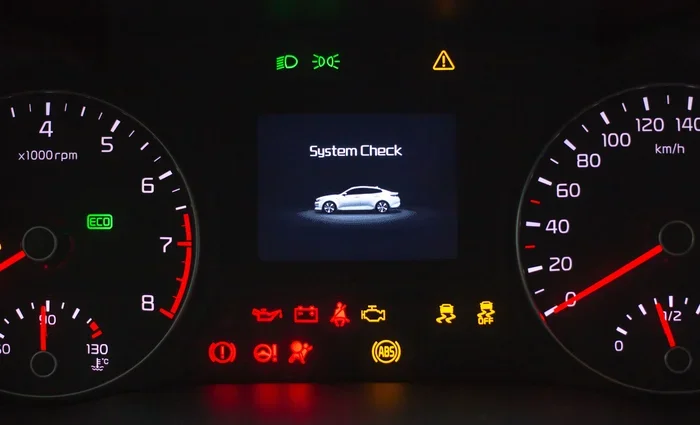
What Does It Mean When Service Comes Up on the Dashboard
When the word “Service” appears on your dashboard, it means your vehicle needs maintenance soon. This light is a reminder based on mileage or time intervals, not necessarily a sign of a broken part. Ignoring it can lead to bigger problems down the road. In this guide, we break down exactly what the service indicator means, why it shows up, and what you should do when it does.
You are driving down the road, minding your own business, when suddenly a word pops up on your dashboard. That word is “Service.” It might be flashing. It might be steady. Either way, it is hard to ignore. But what does it actually mean? Is your car about to break down? Do you need to pull over right now? The answer is not as scary as it might seem.
Most drivers have seen the service light on dashboard at some point. It can be confusing, especially if you have never dealt with it before. This light is part of your car’s dashboard warning system. It is designed to remind you that your vehicle is due for routine vehicle maintenance. Understanding what this light means can save you time, money, and a lot of stress.
In this article, we will walk you through everything you need to know about the service indicator. We will cover what triggers it, how to respond, whether it is safe to keep driving, and how to reset it. By the end, you will feel confident the next time that little light shows up on your dash.
Key Takeaways
- The service light is a maintenance reminder, not always an emergency. It is tied to your vehicle’s service interval schedule.
- Different cars show different messages. Some say “Service,” others say “Maintenance Required” or show a wrench icon.
- You can usually reset the light yourself. Most vehicles let you clear the reminder after completing the service.
- Ignoring the light can cause serious damage. Skipping oil changes and other routine work leads to costly repairs later.
- The light is not the same as the check engine light. They serve different purposes and signal different issues.
- Regular service keeps your car running longer. Staying on top of maintenance saves money and prevents breakdowns.
📑 Table of Contents
- What Does the Service Light on Dashboard Actually Mean?
- Common Reasons the Service Light Comes On
- Is It Safe to Drive When the Service Light Is On?
- How to Reset the Service Light on Your Dashboard
- Service Light vs. Check Engine Light: What Is the Difference?
- What Happens If You Ignore the Service Light?
- How Often Does the Service Light Come On?
- Quick Tips for Handling the Service Light
- Conclusion
What Does the Service Light on Dashboard Actually Mean?
The service light on dashboard is a maintenance reminder. It is not a warning that something is broken. Instead, it tells you that your car has reached a mileage or time interval where it needs routine care. Think of it like a calendar reminder for your vehicle. It is simply telling you, “Hey, it is time for an oil change or other scheduled service.”
Different car brands use different words and symbols. Some vehicles display the word “Service” in plain text. Others show a wrench icon. A few might say “Maintenance Required.” No matter the format, the message is the same. Your car needs attention based on its service interval schedule. This schedule is set by the manufacturer and is built into the car’s computer system.
The light is triggered by a combination of factors. These include mileage, time elapsed, and sometimes driving conditions. For example, if you drive in stop-and-go traffic a lot, your car might need service sooner. The onboard computer tracks all of this and lets you know when it is time to visit a service center.
How the Service Reminder System Works
Modern vehicles are smarter than older models. They use a maintenance reminder system that tracks your driving habits and mileage. When you reach a certain threshold, the system activates the service light. Here is how it typically works:
- The car’s computer monitors your mileage every time you drive.
- When you hit the pre-set interval (usually 5,000 to 10,000 miles), the light comes on.
- Some systems also track engine hours and driving conditions.
- After you complete the service, a technician resets the counter.
- The light turns off until the next interval is reached.
This system is designed to keep your car in top shape. It takes the guesswork out of vehicle upkeep. You do not have to remember when your last oil change was. The car does that for you.
Common Reasons the Service Light Comes On
While the service light is mostly a routine reminder, there are several reasons it might appear. Understanding these reasons can help you figure out what your car needs.
Scheduled Oil Change
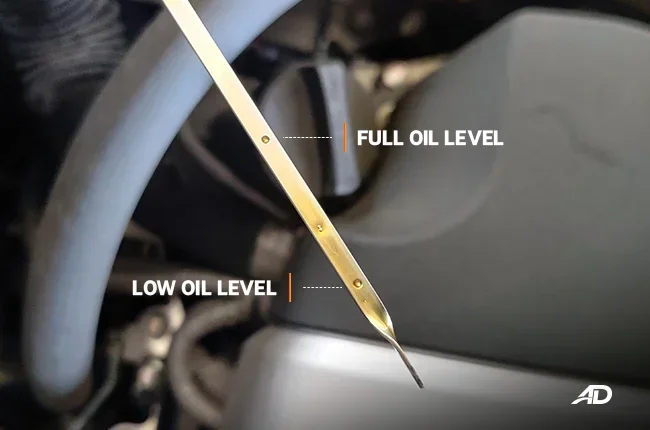
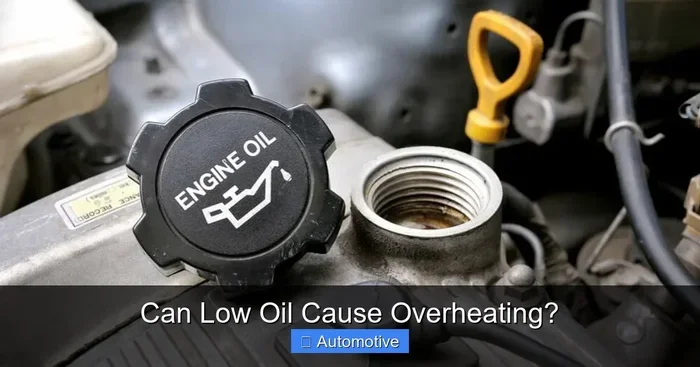
The most common reason for the service light is a routine oil change. Oil is the lifeblood of your engine. It keeps all the moving parts lubricated and cool. Over time, oil breaks down and becomes less effective. When that happens, your engine is at risk of wear and damage. The service light reminds you to replace the old oil with fresh, clean oil.
Engine Tune-Up Due
Older vehicles and some modern ones need periodic engine tune-ups. This includes checking spark plugs, air filters, and other components. If your car is due for a tune-up, the service light may come on to remind you. Skipping tune-ups can reduce fuel efficiency and engine performance.
Transmission Service
Your transmission needs regular fluid changes too. If the service interval for transmission fluid is reached, the dashboard may alert you. Transmission problems can be expensive, so staying on top of this service is important.
Other Fluid Checks
Beyond oil, your car needs other fluids checked regularly. These include coolant, brake fluid, and power steering fluid. The service reminder might be triggered when these fluids are due for inspection or replacement.
Is It Safe to Drive When the Service Light Is On?
Here is the good news. In most cases, yes, it is safe to drive when the service light is on. The light is a reminder, not an emergency signal. You can typically drive your car for a few hundred miles without any immediate risk. However, that does not mean you should ignore it for weeks or months.
Think of the service light like a hunger cue. Your body tells you it is time to eat. You can keep going for a while, but if you ignore it too long, things get worse. The same logic applies to your car. If you keep driving without getting the recommended routine maintenance, small issues can turn into big problems.
There is one important exception. If the service light is flashing rather than staying steady, that could signal a more urgent issue. A flashing light often means something is actively wrong. In that case, you should get your car checked as soon as possible. If you are unsure whether it is flashing or steady, pull over safely and check your owner’s manual.
Also, keep in mind that the service light is different from other dashboard warnings. For example, if you also see a check engine light, that is a separate indicator. The check engine light usually signals an actual problem with the engine or emissions system. You can learn more about the difference between warning lights in our article on what it means when maintenance required soon appears on your dash.
How to Reset the Service Light on Your Dashboard
Once you have completed the needed service, you will want to reset the light. Resetting the service reminder is usually straightforward. However, the exact steps vary by car brand and model. Here are the most common methods:
- Using the steering wheel buttons. Many cars let you scroll through the dashboard menu and select “Reset Service.”
- Turning the ignition on and off. Some vehicles require you to turn the key to the “On” position without starting the engine, then press and hold a specific button.
- Using the trip meter reset. On older models, you may need to hold the trip odometer button while turning the key.
- Visiting a service center. If you are unsure, any dealership or mechanic can reset the light for you quickly.
Always refer to your owner’s manual for the exact reset procedure for your specific vehicle. Resetting the light without actually completing the service is not a good idea. The light is there for a reason, and clearing it prematurely just means you will forget about the needed maintenance.
For more tips on managing your car’s maintenance alerts, check out our guide on what to do when your car says maintenance required soon. That article covers similar dashboard messages in more detail.
Service Light vs. Check Engine Light: What Is the Difference?
Many people confuse the service light with the check engine light. They are not the same thing. Understanding the difference can help you respond appropriately to each warning.
The service light is a maintenance reminder. It is based on mileage and time intervals. It does not indicate a specific mechanical problem. It is essentially a nudge to keep up with your car’s scheduled care.
The check engine light, on the other hand, is triggered by an actual problem detected by the car’s sensors. It could mean anything from a loose gas cap to a serious engine issue. When the check engine light comes on, it is best to get a diagnostic scan done right away.
Here is a quick comparison:
- Service Light: Routine maintenance reminder. Based on mileage or time. Not an emergency.
- Check Engine Light: Actual problem detected. Requires diagnostic testing. Could be urgent.
- Wrench Icon: Often used interchangeably with the service light on many models.
Sometimes the two lights can appear together. If that happens, you should address the check engine light first, since it indicates an active issue. You can handle the service reminder once the urgent problem is resolved.
What Happens If You Ignore the Service Light?
It is tempting to just ignore the light and keep driving. After all, the car seems to be running fine. But ignoring the service reminder can lead to several problems over time.
Reduced Engine Performance
When you skip oil changes and other routine service, your engine does not run as smoothly. Old oil loses its lubricating properties. This can cause increased friction, overheating, and reduced performance. Over time, this can shorten the life of your engine significantly.
Higher Repair Costs
Small maintenance issues become big repair bills when ignored. A simple oil change costs around $50 to $100. An engine rebuild can cost thousands of dollars. Staying on top of the service light on dashboard can save you a lot of money in the long run.
Voided Warranty
If your car is still under warranty, skipping recommended service can void that warranty. Manufacturers expect you to follow the maintenance schedule outlined in the owner’s manual. If something goes wrong and you have not kept up with service, the warranty may not cover the repair.
Lower Resale Value
A well-maintained car holds its value better. If you plan to sell or trade in your vehicle someday, having a complete service history works in your favor. Buyers and dealers look for proof that the car was properly maintained. A long list of ignored service lights is a red flag.
How Often Does the Service Light Come On?
The frequency of the service light depends on your vehicle and driving habits. Most cars are set to remind you every 5,000 to 7,500 miles for an oil change. Some newer models use a “condition-based” system that adjusts the interval based on how you drive.
If you drive short trips frequently, your car might need service more often. Short trips do not allow the engine to fully warm up, which can cause moisture and contaminants to build up in the oil. On the other hand, if you mainly drive on highways at steady speeds, your service intervals might be longer.
You can find your specific service schedule in the owner’s manual. If you do not have the manual anymore, you can usually find a digital copy on the manufacturer’s website or by contacting your local dealership.
Quick Tips for Handling the Service Light
- Do not panic. The service light is a reminder, not an emergency.
- Check your mileage. See how far you are from the last service. This gives you a good idea of how urgent it is.
- Schedule an appointment. Call your mechanic or dealership and book a service slot within the next week or two.
- Do not reset the light without servicing. Clearing the reminder without doing the work just delays the inevitable.
- Keep a service log. Write down every service you get. This helps you track your car’s maintenance history.
- Check your owner’s manual. It has the specific service intervals and reset procedures for your vehicle.
One thing to keep in mind: if you notice other symptoms along with the service light, do not wait. If you hear unusual noises, see smoke from the exhaust, or feel vibrations while driving, those are signs of a real problem. The service light alone is usually harmless, but combined with other symptoms, it could point to something that needs immediate attention. For instance, if your wrench light comes on along with other warnings, it could be related to an electrical or battery issue, which you can explore further in our article about whether a bad battery can cause the wrench light to activate.
Conclusion
The service light on your dashboard is one of the most common and least alarming warnings you will see. It is simply your car telling you it is time for routine maintenance. Whether it is an oil change, a fluid check, or a tune-up, responding to this light keeps your car running smoothly and prevents bigger problems down the road.
Remember, the service light is not the same as the check engine light. It is not an emergency. But it is also not something you should ignore for months on end. The best approach is to acknowledge it, schedule the needed service, and reset the light once the work is done. Staying on top of your vehicle maintenance schedule is one of the easiest ways to extend the life of your car and avoid costly repairs.
Next time you see that little “Service” message on your dash, you will know exactly what it means and what to do. Keep calm, make the appointment, and keep your car in great shape.
Frequently Asked Questions
What does it mean when “Service” comes up on the dashboard?
It means your vehicle is due for routine maintenance based on mileage or time intervals. The light is a reminder from your car’s computer system that it is time for an oil change or other scheduled service. It is not usually a sign of a serious problem.
Can I drive my car with the service light on?
Yes, in most cases it is safe to drive for a short distance when the service light is on. The light is a maintenance reminder, not an emergency warning. However, you should get your car serviced soon to avoid potential issues from neglected maintenance.
How do I reset the service light on my dashboard?
The reset process varies by car brand. Common methods include using steering wheel buttons, turning the ignition on and off while holding a specific button, or using the trip meter reset. You can also have a mechanic or dealership reset it for you. Always check your owner’s manual for the exact steps.
Is the service light the same as the check engine light?
No, they are different. The service light is a routine maintenance reminder based on mileage or time. The check engine light signals an actual problem detected by your car’s sensors and usually requires diagnostic testing. If both lights come on at the same time, address the check engine light first.
What happens if I ignore the service light for too long?
Ignoring the service light can lead to reduced engine performance, higher repair costs, and even voided warranty coverage. Skipping routine maintenance like oil changes causes wear and tear on engine components over time. It is best to address the light promptly.
How often does the service light come on?
Most vehicles trigger the service light every 5,000 to 7,500 miles, depending on the manufacturer and driving conditions. Some newer cars use condition-based systems that adjust intervals based on your actual driving habits. Check your owner’s manual for your specific vehicle’s service schedule.