What Are the Symptoms of Overfilled Engine Oil Explained
Overfilled engine oil can cause serious damage to your vehicle if left unchecked. When there is too much oil in the crankcase, it creates excess pressure, foaming, and leaks that harm engine performance. This guide covers every symptom of overfilled engine oil and shows you how to spot the problem early and fix it safely.
You just got your oil changed or topped off, and everything seems fine. But a few days later, you notice something odd. Maybe there is blue smoke coming from the tailpipe. Or perhaps your oil pressure light is acting strange. These could be signs that your engine has too much oil. It sounds like a small problem, but overfilled engine oil can lead to big trouble if you ignore it.
Many car owners focus on running low on oil. They know that is bad. But fewer people realize that too much engine oil is just as dangerous. When the oil level exceeds the maximum mark on the dipstick, it creates a cascade of problems inside the engine. From foaming to seal damage, the effects can be costly and even dangerous.
In this article, we will walk through every symptom of overfilled engine oil you should watch for. We will explain why overfilling happens, what it does to your engine, and how to fix it. Whether you are a DIY mechanic or someone who just wants to understand their car better, this guide has you covered.
Key Takeaways
- Blue smoke from the exhaust: Too much oil burns in the combustion chamber and produces visible blue or gray smoke.
- Oil leaks and gasket damage: Excess pressure from overfilled oil pushes past seals and causes leaks.
- Foaming and oil starvation: The crankshaft churns excess oil into a froth, reducing lubrication.
- Check engine light activation: High oil pressure or sensor triggers can illuminate dashboard warnings.
- Catalytic converter damage: Burning excess oil contaminates the catalytic converter over time.
- Easy prevention: Always check the dipstick and follow your vehicle manual’s oil capacity guidelines.
- Professional help matters: Regular oil changes and inspections at a trusted service center prevent overfill issues.
📑 Table of Contents
- What Happens When Engine Oil Is Overfilled
- The Top Symptoms of Overfilled Engine Oil
- Why Does Engine Oil Get Overfilled?
- How to Check If Your Oil Is Overfilled
- What to Do If Your Engine Oil Is Overfilled
- Can Overfilled Oil Cause Permanent Engine Damage?
- Prevention Tips to Avoid Overfilling Engine Oil
- Final Thoughts
What Happens When Engine Oil Is Overfilled
To understand the symptoms, it helps to know what goes wrong inside the engine. Your engine has a specific oil capacity. This is the exact amount of oil the crankcase can hold safely. When you add more oil than the system is designed for, the extra volume has nowhere to go. The oil level rises above the oil pump intake and fills spaces that should contain air.
The Crankshaft and Oil Foaming Problem
Here is the main issue. The crankshaft spins at high speeds inside the crankcase. When there is too much oil, the crankshaft lobes dip into the oil pool and whip it into a froth. Think of it like blending a smoothie at high speed. The oil becomes full of tiny air bubbles. This is called oil foaming, and it is one of the most common causes of engine damage from overfilling.
Foamed oil does not lubricate properly. The air bubbles reduce the oil’s ability to form a protective film between moving parts. Metal-on-metal contact increases. This leads to faster wear on bearings, camshafts, and other critical components. Over time, engine damage from excess oil can become severe and expensive to repair.
Increased Crankcase Pressure
Another problem caused by overfilled oil is crankcase pressure. The crankcase is sealed, and when excess oil fills it beyond normal levels, pressure builds up. This positive pressure pushes oil past gaskets and seals that are not designed to handle it. The result is oil leaks in areas that should stay dry.
Increased crankcase pressure can also force oil into places it does not belong. It can enter the combustion chamber through valve seals or piston rings. Once there, the oil burns along with fuel. This creates the smoky exhaust symptoms we will cover next.
The Top Symptoms of Overfilled Engine Oil
So how do you know if your oil level is too high? Your vehicle will tell you, but you need to pay attention. Here are the most common engine oil symptoms of an overfill.
1. Blue or Gray Smoke From the Exhaust
This is the most visible and noticeable symptom. When excess oil enters the combustion chamber, it burns along with the fuel-air mixture. The combustion of oil produces blue smoke from exhaust or grayish-white smoke. You will especially notice it during acceleration or when the engine is cold.
If you see blue smoke, do not ignore it. Burning oil is not just a nuisance. It means oil is getting where it should not be. Over time, this wastes oil, reduces fuel efficiency, and can damage your catalytic converter. The catalytic converter is an expensive emissions component, and oil contamination can cause it to fail.
2. Oil Leaks and Seepage
Do you see oil spots under your parked car? Or notice oil residue around the engine bay? Oil leaks from overfill are a very common symptom. The excess pressure inside the crankcase forces oil past gasket seals, oil pan gaskets, and valve cover gaskets.
Common leak points include:
- The oil pan gasket at the bottom of the engine
- Valve cover gaskets on top of the engine
- Front and rear main seals
- Oil filter gasket and drain plug area
If you notice a new leak after an oil change, check your oil level first. It might be as simple as the oil being overfilled. This is a good reminder to always double-check the dipstick reading after any oil service.
3. Oil Pressure Warning Light or Flucating Gauge
Your dashboard oil pressure light is designed to alert you to problems. When oil is overfilled, the increased volume can cause oil pressure readings to spike or behave erratically. The oil pressure warning light may illuminate on the dashboard.
In some vehicles, the oil pressure gauge may show higher than normal readings. In others, the pressure sensor may trigger a warning because the foamed oil cannot maintain steady pressure. Either way, an illuminated oil pressure light should always be taken seriously. Pull over safely and check your oil level.
4. Unusual Engine Noises
Engine oil is supposed to cushion and lubricate moving parts. When the oil is foamed due to overfilling, it loses its cushioning ability. You may hear new or unusual sounds coming from the engine compartment. These can include:
- Tapping or ticking noises from valve train components
- Knocking sounds from bearings that are not properly lubricated
- Gurgling or sloshing sounds from oil moving in the crankcase
Any new engine noise deserves attention. If you have recently had an oil change or added oil yourself, check the level. The noise could be a direct result of too much engine oil in the system.
5. Reduced Engine Performance
An overfilled engine does not run as well. You might notice a decrease in power, slower acceleration, or rough idling. This happens because the excess oil creates drag on internal components and the combustion process is disrupted by oil entering the cylinders.
Some drivers also report a rough or uneven idle when oil levels are too high. The engine may feel sluggish or unresponsive. If your engine performance has dropped and you recently topped off the oil, the oil level is worth checking immediately.
6. Strong Oil Smell Inside or Outside the Vehicle
A heavy oil smell inside the cabin or around the engine is another red flag. When oil leaks past seals or burns in the combustion chamber, it produces a distinct oily odor. You might smell it while driving or when you open the hood.
Do not dismiss a persistent oil smell. It could indicate that excess oil is leaking or burning somewhere it should not be. This is also a safety concern, as oil dripping onto hot engine components can create a fire risk in extreme cases.
Why Does Engine Oil Get Overfilled?
Understanding the causes of overfilling can help you prevent it. There are several common reasons why oil level too high situations occur.
During Oil Changes
The most common cause is human error during an oil change. A technician may add too much oil, especially if they are not using the correct engine oil capacity for your specific vehicle. Every car has a different oil capacity, and even small differences in engine size matter.
For example, a 2.5-liter four-cylinder engine might take 5.5 quarts of oil, while a 3.5-liter V6 might take 6.5 quarts. Adding the wrong amount, even by half a quart, can push the level past the maximum mark on the dipstick. This is why it is always a good idea to verify the oil level yourself after a service.
DIY Oil Top-Offs
Many car owners add oil between changes without checking the current level first. If the oil is already near the full mark and you add more, you can easily overfill it. This is a common mistake, and it happens more often than people think.
The best practice is to always check the dipstick reading before adding any oil. If the level is between the minimum and maximum marks, you do not need to add more. Adding oil when it is not needed is how overfills happen.
Incorrect Oil Filter or Gasket Issues
Sometimes an overfill is not caused by adding too much oil. A faulty oil filter gasket or a stuck oil drain plug can cause oil to accumulate in places it should not be. This effectively increases the volume of oil in the system beyond the normal capacity.
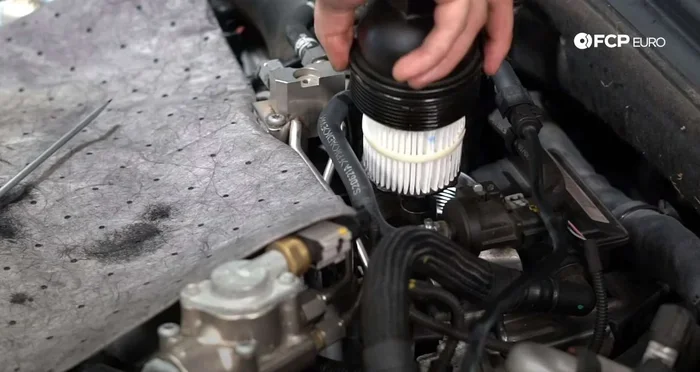
If you suspect this might be the case, have a mechanic inspect the oil filter and drain plug during your next oil change service. These small components can cause big problems if they are not functioning correctly.
How to Check If Your Oil Is Overfilled
Checking your oil level is simple and should be part of your regular maintenance routine. Here is how to do it correctly to avoid misreading the level.
- Park your car on a flat, level surface.
- Turn off the engine and wait at least 5 to 10 minutes for the oil to settle.
- Open the hood and locate the dipstick.
- Pull the dipstick out and wipe it clean with a rag or paper towel.
- Reinsert the dipstick fully, then pull it out again.
- Look at the oil level against the minimum and maximum marks or the crosshatch area.
If the oil level is above the maximum mark, your engine has too much oil. Do not drive the vehicle in this condition if the level is significantly above full. Even a small overfill can cause problems over time, but a large overfill is an urgent issue that needs immediate attention.
Pro tip: Check your oil when the engine is cool for the most accurate reading. Some manufacturers recommend checking oil when the engine is warm, so always refer to your vehicle owner manual for the correct procedure.
What to Do If Your Engine Oil Is Overfilled
If you have confirmed that your oil level is above the maximum mark, do not panic. This is a fixable problem, especially if you catch it early. Here is what you should do.
Step 1: Do Not Drive the Vehicle If Possible
If the oil level is significantly overfilled, avoid driving the car. The foaming and pressure issues get worse with engine heat and RPMs. If you can arrange alternative transportation or have the vehicle towed, that is the safest option.
Step 2: Drain the Excess Oil
The most effective fix is to drain the excess oil from the oil pan. This can be done by removing the oil drain plug and letting the correct amount of oil drain out. Alternatively, a mechanic can use a suction tool to remove excess oil through the dipstick tube.
After draining, recheck the dipstick reading to confirm the oil level is within the normal range. It is always better to be slightly under full than over full.
Step 3: Inspect for Damage
Once the oil level is corrected, have a mechanic inspect the engine for any damage. Check for oil leaks, damaged gaskets, and signs of oil contamination in the spark plugs or combustion chambers. If you noticed blue smoke, the catalytic converter should also be inspected for oil contamination.
Regular oil changes and proper oil level maintenance are the best ways to prevent overfill issues from causing lasting harm. If you have been wondering are oil changes free at Toyota, many dealerships include this as part of routine maintenance packages, which makes it easier to stay on top of your oil service schedule.
Step 4: Monitor Your Oil Level Going Forward
After fixing an overfill, make it a habit to check your oil level regularly. A quick dipstick check every few weeks can catch problems before they become serious. Keep a record of your oil changes and the amounts of oil you add so you have a baseline for what is normal for your vehicle.
Many modern vehicles also have oil level sensors that can alert you if the level is too high or too low. Pay attention to these warnings. They are there to protect your engine and save you from costly repairs.
Can Overfilled Oil Cause Permanent Engine Damage?
The short answer is yes, if left unaddressed. Engine damage from excess oil is real and can be expensive. Here is what can happen if you continue to drive with overfilled oil for an extended period.
- Worn bearings: Foamed oil cannot properly lubricate bearings, leading to premature wear and failure.
- Damaged catalytic converter: Oil burning in the exhaust system coats the catalytic converter with carbon deposits, reducing its efficiency and eventually causing it to fail.
- Seal and gasket failure: Constant excess pressure degrades rubber seals and gaskets over time, leading to persistent leaks.
- Engine misfires: Oil in the combustion chamber can foul spark plugs and disrupt combustion, causing misfires and rough running.
- Hydrolock in extreme cases: In rare but severe cases, enough oil in the cylinders can prevent the pistons from moving, causing a hydrolocked engine.
The good news is that most overfill situations are caught and corrected before permanent damage occurs. The key is to act quickly once you notice any symptoms of overfilled engine oil. A small correction today can save you thousands of dollars in repairs tomorrow.
Some car owners wonder about the relationship between oil quality and overfill problems. Using the right oil viscosity and high-quality oil can help minimize some of the foaming issues associated with overfilling. If you are curious about the best oil choices for your Toyota, you might want to read about whether Toyota oil filters are good as part of your overall oil maintenance strategy.
Prevention Tips to Avoid Overfilling Engine Oil
Prevention is always better than cure when it comes to engine oil. Here are some practical tips to keep your oil level in the safe zone.
- Follow the owner manual: Every vehicle has a specified oil capacity. Stick to it exactly during every oil change and top-off.
- Add oil in small amounts: If you need to top off, add oil in small increments, typically a quarter quart at a time, and recheck the dipstick between additions.
- Use the right tools: A funnel helps control the flow of oil and prevents accidental over-pouring.
- Have a professional verify the level: If you are not comfortable checking oil yourself, ask the service technician to confirm the level after every oil change.
- Keep a maintenance log: Tracking your oil changes and levels helps you spot trends and catch problems early.
Some drivers also ask about the cost implications of oil maintenance. If you are wondering about oil change pricing and whether you can negotiate the cost, check out this guide on negotiating the price of an oil change to understand your options and save money on routine maintenance.
Final Thoughts
Overfilled engine oil is a problem that is easy to overlook but can cause serious damage if ignored. The symptoms are clear once you know what to look for. Blue exhaust smoke, oil leaks, warning lights, and reduced performance are all signs that your oil level may be too high.
The best defense is regular maintenance and careful attention to your oil level. Check your dipstick often, follow your vehicle manual for oil capacity, and never add oil without first checking the current level. If you suspect your engine has too much oil, take action right away. Drain the excess, inspect for damage, and get back to safe driving.
Your engine is the heart of your vehicle. Treating it with care, including keeping the oil level just right, will help it run smoothly for years to come. Do not let a simple overfill turn into a major repair bill. Stay proactive, stay informed, and keep your engine healthy.
Frequently Asked Questions
Can overfilled engine oil cause a check engine light?
Yes, overfilled oil can trigger the check engine light. When excess oil creates high crankcase pressure or foams, the oil pressure sensor may detect abnormal readings and illuminate the warning light on your dashboard. If your check engine light comes on and you recently added oil, check the level first.
How much overfill is too much for engine oil?
Even a small overfill of half a quart can cause problems over time. However, if the oil level is more than a quart above the maximum mark on the dipstick, it is considered a significant overfill that should be corrected immediately. Always aim to keep the oil level between the minimum and maximum marks.
Will overfilled oil fix itself over time?
No, overfilled oil will not fix itself. The excess oil will remain in the crankcase and continue to cause foaming, pressure buildup, and potential leaks. The only way to fix an overfill is to drain the excess oil and bring the level back to the correct range.
What should I do if I accidentally overfilled my engine oil?
If you accidentally overfilled your oil, do not drive the vehicle if the level is significantly above full. Have the excess oil drained by a professional or carefully drain it yourself using the oil drain plug. Recheck the dipstick after draining to ensure the level is within the safe range.
Can overfilled oil damage the catalytic converter?
Yes, overfilled oil can damage the catalytic converter. When excess oil burns in the combustion chamber, it creates oil ash and carbon deposits that coat the catalytic converter. Over time, this reduces its efficiency and can lead to complete failure, which is an expensive repair.
How often should I check my engine oil level?
You should check your engine oil level at least once a month and always after an oil change. Regular checks help you catch overfills, leaks, and low oil levels early. Keeping a consistent maintenance routine is one of the best ways to protect your engine and avoid costly repairs.
=== END OF ARTICLE ===