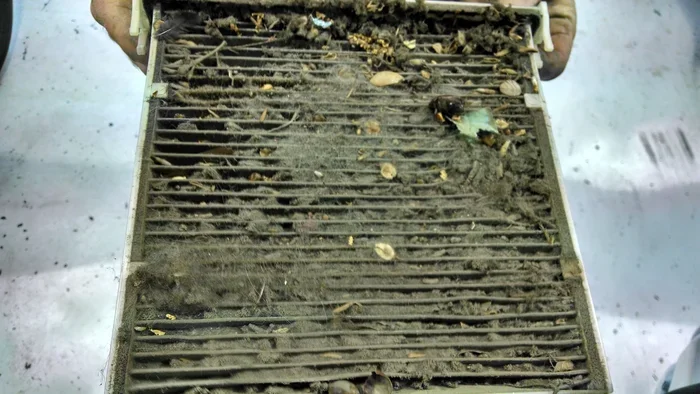
Warning Signs Of A Bad Cabin Air Filter You Need To Know
A bad cabin air filter can cause reduced airflow, musty odors, and AC problems that make every drive uncomfortable. Most drivers don’t realize their cabin air filter is clogged until the symptoms become hard to ignore. This guide covers all the warning signs, what causes them, and how to fix them quickly.
Have you ever turned on your car’s air conditioning and felt almost no air coming out? Or maybe you caught a strange smell every time you flipped the vent switch. These are more than just annoying problems. They could be warning signs of a bad cabin air filter that needs your attention.
Your cabin air filter plays a big role in keeping the air inside your vehicle clean and comfortable. It catches pollen, dust, dirt, and other particles before they reach your lungs. But over time, that filter gets clogged. When it does, it stops working the way it should.
In this article, we will walk you through every sign that your cabin filter is going bad. We will also cover what causes the problem, how to fix it, and why you should never ignore it. Whether you are dealing with weak airflow or a musty smell, you will find the answers here.
Key Takeaways
- Weak airflow from vents is one of the most common signs of a clogged cabin air filter.
- Unusual or musty odors coming from your air vents often mean the filter is dirty or moldy.
- Reduced AC and heating performance can directly trace back to a bad cabin filter.
- Increased allergy symptoms inside the car may indicate poor air filtration.
- Replacing your cabin air filter is cheap, easy, and prevents costly repairs down the road.
- Ignoring a dirty filter can put extra strain on your vehicle’s air conditioning system.
- Check your owner’s manual for the recommended cabin filter replacement schedule.
📑 Table of Contents
- What Does a Cabin Air Filter Do?
- Weak Airflow From the Vents
- Unusual or Musty Odors
- Reduced AC and Heating Performance
- Increased Allergy Symptoms Inside the Car
- Unusual Noises From the Vent System
- How Often Should You Replace Your Cabin Air Filter?
- What Happens If You Ignore a Bad Cabin Filter?
- How to Replace Your Cabin Air Filter
- Quick Tips for Keeping Your Cabin Filter in Good Shape
- Final Thoughts
What Does a Cabin Air Filter Do?
Before we dive into the warning signs, it helps to understand the job of a cabin air filter. This small but important part sits behind your glovebox or under the hood. Its main job is to clean the air that flows into your car’s interior.
Every time you run your air conditioning system or heater, air passes through this filter. It traps pollen, dust, mold spores, and even tiny debris. Without it, all those particles would blow directly into your car every time you turned on the vents.
A clean filter keeps your air quality inside the vehicle high. It also helps your HVAC system work efficiently. But when the filter gets dirty, everything changes. Airflow drops. Filtration drops. And your comfort drops with it.
Weak Airflow From the Vents
The most obvious sign of a clogged cabin filter is weak airflow. You turn the fan up to full blast, but barely feel anything coming from the air vents. This happens because a dirty filter blocks air from passing through.
When the filter fills up with dust and debris, it becomes like a thick blanket over your cooling system. The blower motor has to work much harder to push air through. Over time, this extra strain can wear out the motor and other parts of your heating and cooling system.
How to Test for Weak Airflow
Here is a simple test you can do at home. Start your car and set the fan to maximum speed. Then feel the air coming from each vent. Do you notice a big difference between vents? Is the air barely coming out at all? If so, your cabin filter replacement is probably overdue.
Keep in mind that weak airflow can also come from other problems. A failing blower motor or a blocked vent could cause similar issues. But a dirty cabin filter is the most common culprit, and it is the easiest fix.
Unusual or Musty Odors
Do you notice a strange smell every time you turn on the AC? A musty smell or damp odor coming from your vents is a strong indicator of a problem. Often, this means your cabin filter is holding moisture and growing mold or mildew.
When a cabin filter gets wet, it becomes a perfect breeding ground for bacteria and mold. As air passes through the damp filter, it picks up those musty particles and blows them into your car. This is not just unpleasant. It can actually affect your health, especially if you have allergy symptoms or breathing problems.
Common Smells That Signal a Bad Filter
- Moldy or musty odor – the most common sign of a wet, dirty filter
- Dusty or stale smell – often happens when the filter is clogged with debris
- Sour or rotten smell – can indicate mold buildup inside the filter or ductwork
- Chemical or burning smell – less common, but could mean debris is hitting the heater core
If you notice any of these smells, do not ignore them. A quick cabin filter replacement can often solve the problem completely. If the smell persists after a new filter, it is worth checking for mold in the duct system.
Reduced AC and Heating Performance
A bad cabin filter directly impacts how well your air conditioning system works. When airflow is restricted, your AC cannot cool the cabin properly. In the winter, the same problem affects your heater. You might notice that your car takes longer to warm up or that the heat feels lukewarm.
This is because the cabin air filter is part of the airflow path. Your AC and heating systems depend on steady air movement to function. When that movement is blocked by a dirty filter, the whole system suffers.
Many drivers assume their AC is low on refrigerant when it is actually just a clogged filter. Before you spend money on an AC recharge, check the filter first. It could save you time and money.
Can a Dirty Cabin Filter Stop the AC?
Yes, it absolutely can. A severely clogged cabin air filter can reduce or even stop airflow from the vents entirely. This means your AC compressor might run, but very little cool air reaches the cabin. In some cases, the dirty cabin filter can cause the evaporator to freeze up because not enough air is passing over it.
If you want to learn more about how a dirty filter affects your AC, check out our guide on can a dirty cabin filter stop the AC. It covers this topic in great detail.
Increased Allergy Symptoms Inside the Car
One sign people often overlook is the effect on their health. If you or your passengers start sneezing more, have itchy eyes, or feel congested while driving, your cabin filter might be the cause. A clogged filter can no longer trap pollen, dust, and other allergens effectively.
Instead of trapping those particles, a dirty filter can actually release them back into the cabin. This is especially true when the filter is wet or badly damaged. For people with allergy symptoms or asthma, this can make driving uncomfortable and even unsafe.
A clean cabin air filter keeps the air inside your car much cleaner than the air outside. When it stops working, you lose that protection. This is especially important during allergy season or in areas with heavy pollution.
Unusual Noises From the Vent System
Sometimes a bad cabin filter causes sounds you would not expect. You might hear whistling, rattling, or wheezing noises coming from the vent system when you turn on the fan. These noises often happen because air is struggling to pass through a clogged filter.
The air conditioning system relies on smooth airflow. When the filter is dirty, air gets squeezed through small openings and creates turbulence. That turbulence is what causes the strange noises. In some cases, loose debris on the filter can also rattle when air moves past it.
While unusual noises can come from other parts of the HVAC system, a dirty cabin filter is one of the simplest things to check. Replacing it takes just a few minutes and costs very little.
How Often Should You Replace Your Cabin Air Filter?
Now that you know the warning signs, let us talk about prevention. The best way to avoid all these problems is to replace your cabin air filter on schedule. Most manufacturers recommend changing it every 12,000 to 15,000 miles, or once a year.
However, your driving conditions can change this timeline. If you drive on dirt roads often, live in a dusty area, or deal with heavy pollen counts, you may need to replace the filter more frequently. The same goes for city driving with lots of traffic and pollution.
Signs Your Filter Needs Replacing Soon
Even if you are not at the mileage mark, watch for these signs:
- Visible dirt or debris on the filter when you look at it
- Any of the symptoms listed above, even if they are mild
- More than 12 months since your last filter change
- Driving in poor air quality areas frequently
Replacing a cabin filter is one of the easiest and cheapest vehicle maintenance tasks you can do. Many drivers can even do it themselves with basic tools. The filter usually costs between $15 and $50, and most auto parts stores carry the right one for your vehicle.
What Happens If You Ignore a Bad Cabin Filter?
It might be tempting to ignore a slightly weak airflow or a faint smell. But doing so can lead to bigger problems over time. A clogged cabin filter puts extra strain on your entire air conditioning system. The blower motor works harder, which can lead to premature failure.
In severe cases, a blocked filter can cause moisture to build up in the system. This moisture can lead to mold growth in the ducts, which is much harder and more expensive to fix. Mold in the HVAC system can also cause health problems for everyone in the car.
Some drivers wonder if they can just drive without a cabin air filter or run the AC without a cabin filter. While the car may still run, it is not recommended. Without a filter, dust and debris enter the cabin freely, and particles can damage internal components of the air conditioning system. For more information, you can read our article on running AC without a cabin air filter.
Another concern is whether a dirty filter affects other parts of the car. While a cabin air filter is separate from the engine air filter, a severely clogged cabin filter can affect overall vehicle maintenance costs if it leads to HVAC repairs. Staying on top of simple replacements saves money in the long run.
How to Replace Your Cabin Air Filter
The good news is that replacing your cabin filter is straightforward. In most vehicles, you can do it in less than 15 minutes. Here is a quick overview of the process:
- Locate the filter – Check your owner’s manual. It is usually behind the glovebox or under the hood near the windshield.
- Remove the access panel – This may require unscrewing a few clips or removing the glovebox.
- Pull out the old filter – Note the direction of the airflow arrow on the filter frame.
- Insert the new filter – Make sure it fits snugly and the airflow arrow points in the correct direction.
- Replace the panel – Put the access cover back on and make sure it clips in securely.
Always use the filter type recommended for your vehicle. Using the wrong size or type can reduce filtration and airflow. If you are not comfortable doing it yourself, any mechanic or quick-lube shop can handle the cabin filter replacement for a small fee.
Quick Tips for Keeping Your Cabin Filter in Good Shape
- Check your filter every few months, especially during allergy season.
- Replace it early if you notice any of the warning signs discussed above.
- Keep your windows closed when driving on dusty or unpaved roads to reduce filter load.
- Run the recirculate mode less often in dusty conditions to avoid pulling in more particles.
- Keep a spare filter in your trunk if you drive in areas with poor air quality.
Taking care of your cabin air filter is one of the simplest things you can do for your car and your health. It takes almost no time and costs very little, but the benefits are significant.
Final Thoughts
Your cabin air filter works hard every time you drive. It keeps the air clean, the airflow strong, and your air conditioning system running smoothly. When it goes bad, your car tells you through weak airflow, strange smells, reduced heating and cooling, and even allergy flare-ups.
Do not wait until the problem gets worse. If you notice any of the warning signs of a bad cabin air filter we covered in this article, take action right away. A simple cabin filter replacement can restore comfort, improve air quality, and protect your vehicle’s HVAC system from unnecessary wear.
Stay on top of your vehicle maintenance schedule and your car will reward you with years of reliable, comfortable driving. Your lungs and your wallet will both thank you.
Frequently Asked Questions
How do I know if my cabin air filter is bad?
The most common signs include weak airflow from the vents, musty or unusual odors, reduced AC and heating performance, and increased allergy symptoms while driving. If you notice any of these, it is time to inspect or replace your cabin filter.
Can a dirty cabin filter cause AC problems?
Yes, absolutely. A clogged cabin filter restricts airflow, which reduces the cooling power of your air conditioning system. In severe cases, it can even cause the evaporator to freeze up and stop cooling entirely.
How much does it cost to replace a cabin air filter?
A cabin air filter typically costs between $15 and $50 for the part alone. If you have a shop do the replacement, you may pay an additional $20 to $50 for labor. It is one of the cheapest and easiest maintenance tasks you can do.
Where is the cabin air filter located?
The location varies by vehicle, but it is usually found behind the glovebox or under the hood near the windshield. Check your owner’s manual for the exact location in your specific model.
Can I drive without a cabin air filter?
You can, but it is not recommended. Without a filter, dust, pollen, and debris enter your cabin freely. This can affect air quality, damage your HVAC system, and make driving uncomfortable, especially for those with allergies or asthma.
How often should I change my cabin air filter?
Most manufacturers recommend replacing the cabin air filter every 12,000 to 15,000 miles, or once a year. However, if you drive in dusty conditions or areas with heavy pollution, you may need to replace it more often.