What Are the Signs of a Bad Alternator and How to Fix It
A failing alternator can leave you stranded with a dead car and a battery that won’t hold a charge. The most common signs of a bad alternator include dim headlights, dashboard warning lights, strange noises, and electrical glitches. Catching these symptoms early can save you from costly repairs and keep your vehicle running safely.
Your car’s alternator works quietly behind the scenes every time you turn the key. It keeps your battery charged and powers all the electrical systems that make driving possible. When it starts to fail, the warning signs are there. But many drivers ignore them until it is too late.
Understanding the signs of a bad alternator can save you from a frustrating breakdown on the side of the road. This guide walks you through every symptom, every test, and every fix you need to know. Whether you are a hands-on DIYer or just want to understand what your mechanic is telling you, this article has you covered.
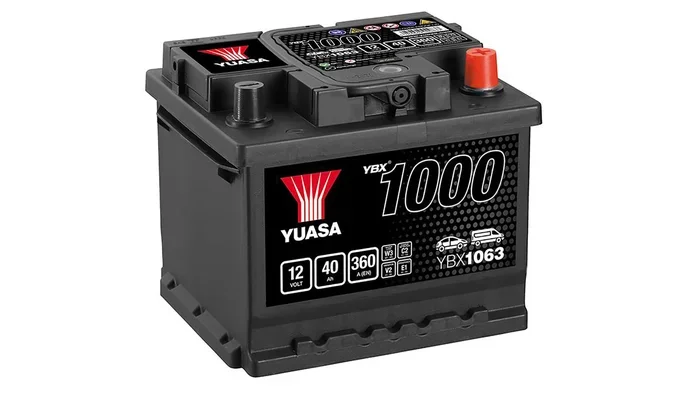
The charging system in your car is a team effort between the battery and the alternator. The battery provides the initial power to start the engine. Once the engine is running, the alternator takes over. It generates electricity to keep everything running and to recharge the battery. When the alternator goes bad, the battery tries to do all the work alone. And it cannot keep up for long.
Key Takeaways
- Dimming headlights and flickering lights are often the first visible signs of a bad alternator.
- Dashboard warning lights like the battery or wrench icon should never be ignored.
- Unusual sounds such as whining or grinding can point to alternator bearing failure.
- A dead or weak battery may actually be a symptom of a failing alternator, not the battery itself.
- You can test your alternator with a simple multimeter at home or at a parts store.
- Replacing an alternator is a common repair that costs between $300 and $700 on average.
- Driving with a bad alternator is risky and can lead to complete electrical failure.
📑 Table of Contents
What Does an Alternator Do?
The alternator is a small but powerful device attached to your engine. It converts mechanical energy into electrical energy. This process keeps your car battery charged and powers things like your headlights, radio, power steering, and ignition system.
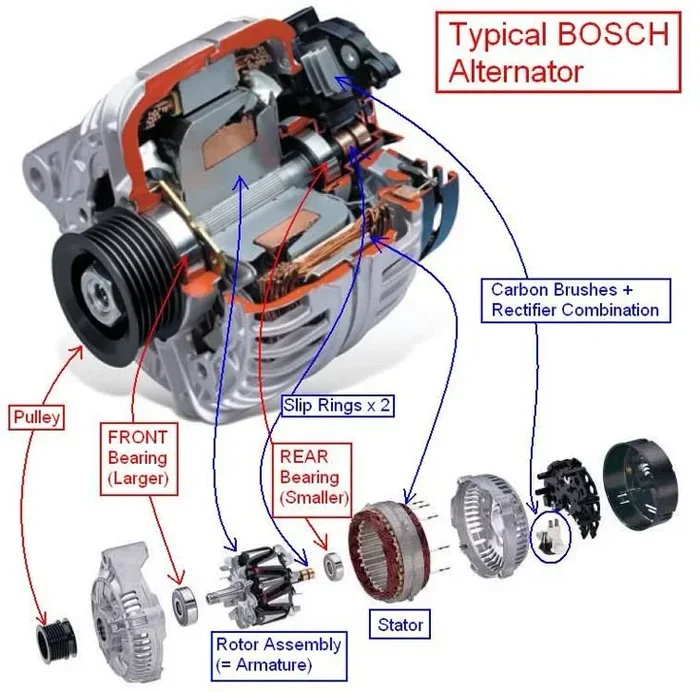
Inside the alternator, a rotor spins inside a stator. This creates a magnetic field that generates electricity. The voltage regulator controls the output to make sure your electrical system gets the right amount of power. A healthy alternator typically outputs between 13.5 and 14.5 volts. If it drops below that range, your electrical components start to suffer.
Most alternators last between 80,000 and 150,000 miles. But they can fail earlier due to wear, heat, or electrical overload. Knowing what to look for makes all the difference.
Common Signs of a Bad Alternator
The symptoms of a failing alternator can be subtle at first. They slowly get worse over time. Here are the most common warning signs every driver should know.
Dim or Flickering Headlights
One of the earliest signs of a bad alternator is dimming headlights. If your lights are bright when you first start the car but then fade as you drive, that is a red flag. The same goes for flickering dashboard lights or a dome light that seems weaker than usual.
This happens because the alternator is not producing enough electricity. Without enough power, your lights cannot shine at full brightness. Try this test: turn on all your electrical systems while the car is idling. If the lights dim noticeably, your alternator may be struggling.
Dashboard Warning Lights
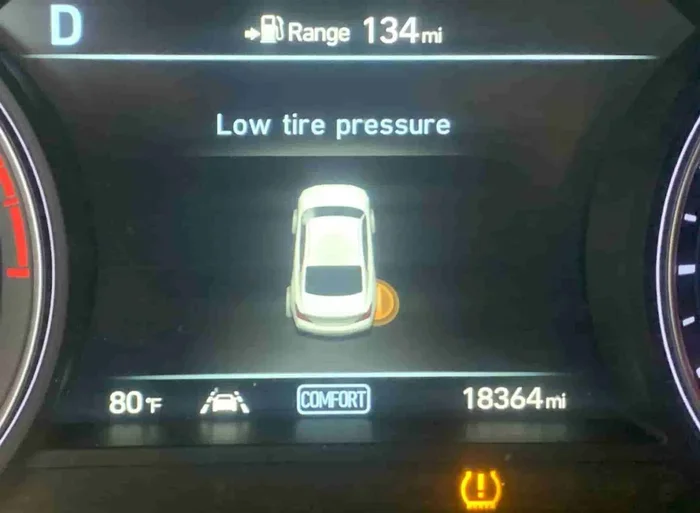
Modern cars have a battery-shaped warning light on the dashboard. When this light comes on, it means your charging system is not working properly. Many drivers assume this means the battery is dead. But more often than not, the real culprit is the alternator.
Some vehicles also show a wrench light or other general warning indicator when electrical issues arise. For instance, a bad battery can cause the wrench light to come on, but a failing alternator can trigger the same response. Do not assume it is just the battery. Get it checked out.
Strange Noises Under the Hood
A healthy alternator runs quietly. When it starts to fail, it can make some telltale sounds. A whining noise that gets louder as you accelerate is a classic sign. You might also hear grinding or rattling sounds if the internal bearings are worn out.
These noises come from the alternator pulley or the internal components. A worn serpentine belt can also cause squealing sounds that mimic alternator problems. If you hear anything unusual, it is worth getting under the hood to investigate.
Electrical Glitches and Slow Accessories
Your car depends on a steady electrical supply. When the alternator falters, everything that runs on electricity can act up. Power windows might move slower than usual. The radio might flicker or reset. Your power steering could feel heavier if it relies on an electric assist system.
Some drivers notice their phone chargers stop working or the interior lights dim when they turn on the AC. These small glitches add up. They are your car telling you the electrical system needs attention.
A Dead or Weak Battery
Here is a common misconception: people think a dead battery always means the battery is bad. In many cases, a dead battery is actually caused by a failing alternator. The alternator is supposed to keep the battery charged while you drive. If it cannot do its job, the battery drains completely.
If you find yourself jumping your car frequently, the alternator might be the real problem. You can jumpstart a car with a bad alternator, but it will not solve the underlying issue. The battery will keep dying until the alternator is fixed or replaced.
Engine Stalling or Difficulty Starting
A bad alternator can cause your engine to stall unexpectedly. Without enough electrical power, the spark plugs may not fire correctly. This can lead to rough idling or a complete engine shutdown while driving.
Difficulty starting the car is another common symptom. If the engine cranks slowly or takes several tries to turn over, the battery may be too weak because the alternator was not charging it properly. This is especially common in hybrid vehicles where the battery plays a larger role in starting the engine.
How to Test Your Alternator
You do not need to be a mechanic to test your alternator. A few simple tools and a little patience can help you diagnose the problem at home.
Using a Multimeter
A multimeter is the best tool for testing your alternator output. Here is how to do it step by step:
- Step 1: Turn off the car and all electrical systems.
- Step 2: Set the multimeter to DC voltage.
- Step 3: Connect the red probe to the positive battery terminal and the black probe to the negative terminal.
- Step 4: You should read around 12.6 volts with the engine off.
- Step 5: Start the engine and read the voltage again.
- Step 6: A healthy alternator will show 13.5 to 14.5 volts.
If the reading is below 13 volts with the engine running, your alternator is likely not charging properly. If the voltage drops when you turn on the headlights or AC, that is another sign of a weak alternator.
Testing at an Auto Parts Store
Most auto parts stores will test your alternator for free. They have professional testing equipment that can check the output and the diode board. This is a quick and easy way to confirm whether your alternator is good or bad. Just pop the hood and let them do their thing.
Visual Inspection
Sometimes a visual check tells you a lot. Look at the serpentine belt for cracks or glazing. Check the alternator wiring for loose or corroded connections. A loose belt will not spin the alternator properly, which can cause the same symptoms as a bad unit.
How to Fix a Bad Alternator
Once you confirm the alternator is the problem, you have two options: repair or replace. In most cases, replacement is the best choice.
DIY Alternator Replacement
If you are comfortable working on cars, you can replace the alternator yourself. The process typically involves:
- Disconnecting the negative battery cable.
- Removing the serpentine belt.
- Unplugging the electrical connectors.
- Removing the mounting bolts.
- Installing the new alternator in reverse order.
- Reconnecting the battery and testing the output.
Make sure you get the right alternator for your specific vehicle model. Compatibility matters. You can find the correct part number in your owner’s manual or by searching online with your vehicle details.
Professional Alternator Replacement
If you prefer to leave it to the pros, a mechanic can replace your alternator quickly. The alternator replacement cost typically ranges from $300 to $700, including parts and labor. The part itself usually costs between $100 and $350, while labor runs about $200 to $400 depending on your location and vehicle.
Getting a quote beforehand can help you budget for the repair. Some shops offer free diagnostics, which can save you money if the alternator turns out to be fine.
Can You Drive With a Bad Alternator?
Technically, yes. Your car can run on battery power alone for a short time. But how far can you really go? It depends on how much charge is left in the battery and how many electrical loads you have running. Eventually, the battery will drain completely and the engine will stall.
Some people wonder if they can still drive a hybrid vehicle with electrical issues. In some cases, you can still drive a hybrid without the battery, but the experience is limited and not recommended. The same caution applies if your alternator is failing. Get it fixed as soon as possible to avoid being stranded.
Preventing Alternator Problems
You cannot prevent every alternator failure, but regular maintenance can extend its lifespan significantly.
- Check the serpentine belt regularly. A worn belt puts extra stress on the alternator.
- Keep the battery terminals clean. Corroded terminals make the alternator work harder.
- Avoid overloading the electrical system. Too many aftermarket accessories can strain the alternator.
- Address warning signs early. Do not wait until your car will not start.
- Follow the manufacturer’s maintenance schedule. Regular inspections catch small problems before they become big ones.
Taking care of your charging system is one of the easiest ways to avoid unexpected breakdowns. A little attention goes a long way.
Final Thoughts
Knowing the signs of a bad alternator empowers you to take action before you are left stranded. Dim lights, warning indicators, strange noises, and a weak battery are all clues pointing to alternator trouble. The sooner you address these symptoms, the less expensive and less stressful the repair will be.
Do not wait for your car to quit on you in the middle of nowhere. Use the testing methods in this article to check your alternator regularly. And if you suspect something is wrong, get it inspected by a professional right away. Your charging system keeps everything running, and taking care of it is one of the best investments you can make in your vehicle.
Frequently Asked Questions
Can a bad alternator cause the check engine light to come on?
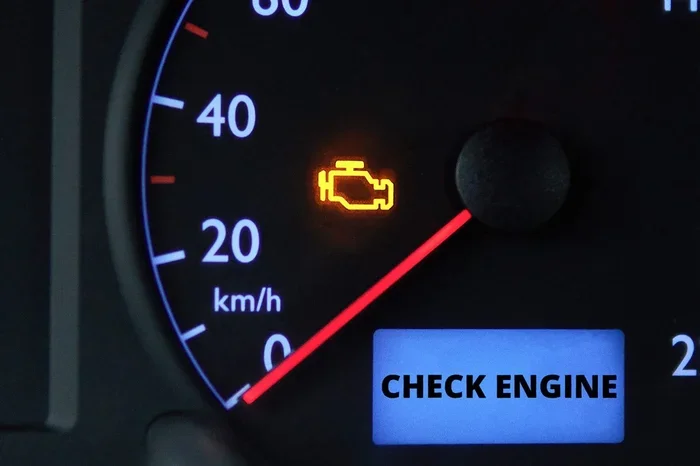
Yes, in some vehicles a failing alternator can trigger the check engine light. The car’s computer monitors the charging system and will flag any irregularities. However, the battery-shaped warning light on the dashboard is a more direct indicator of alternator or charging system problems.
How long can you drive with a bad alternator?
You can typically drive for 20 to 40 miles on battery power alone with a bad alternator. But once the battery drains, the engine will stall. It is not safe to rely on driving with a failed alternator. Get it repaired or replaced as soon as possible.
Does a bad alternator damage the battery?
Yes, a failing alternator can damage your battery over time. When the alternator does not charge the battery properly, the battery has to work harder and may become deeply discharged. This shortens the battery’s lifespan significantly.
Can you jumpstart a car with a bad alternator?
You can jumpstart a car with a bad alternator, but it is only a temporary fix. The alternator will not recharge the battery while driving, so the battery will eventually die again. It is best to replace the alternator after a jumpstart rather than relying on it repeatedly.
What causes an alternator to fail prematurely?
Common causes include a worn serpentine belt, faulty voltage regulator, internal bearing wear, electrical overload, and exposure to extreme heat or moisture. Regular maintenance and avoiding overloading the electrical system can help prevent premature alternator failure.
Is it safe to replace the alternator yourself?
Yes, if you have basic mechanical skills and the right tools. The process is straightforward for most vehicles. Just make sure you disconnect the battery first and follow the correct procedure for your specific make and model. If you are unsure, a professional mechanic can handle the replacement quickly and safely.
=== CONCLUSION ===
A bad alternator is more than just an inconvenience. It is a problem that can leave you stuck and unable to start your car. The signs are there if you know what to look for. Dim headlights, dashboard warnings, strange noises, and electrical glitches are all your car asking for help.
Testing your alternator regularly and addressing problems early can save you time, money, and a lot of stress. Whether you choose a DIY replacement or professional service, taking action is the best thing you can do for your vehicle. Keep your charging system healthy and your car will keep running strong for miles to come.