Is Replacing an Air Filter Easy Heres Everything You Need
Replacing an air filter is one of the easiest maintenance tasks you can do at home. It takes just a few minutes, requires minimal tools, and can save you money on shop visits. Whether you need to swap an engine air filter or a cabin air filter, this guide walks you through every step with confidence.
Have you ever wondered whether swapping out your cars air filter is something you can handle on your own? The short answer is yes. Replacing an air filter is one of the simplest maintenance jobs any car owner can do. You do not need fancy tools or a mechanics degree. In fact, most people finish the job in under fifteen minutes.
Whether you are dealing with a dirty air filter or just staying ahead of your maintenance schedule, this guide covers everything. We will walk you through the process step by step. You will learn how to find your filter, what tools you need, and how to avoid common mistakes. By the end, you will feel confident tackling this job in your own driveway.
Key Takeaways
- Easy DIY Task: Replacing an air filter is simple enough for beginners and takes less than 15 minutes.
- Two Types to Know: You have an engine air filter and a cabin air filter, and both need regular attention.
- Saves Money: Doing it yourself avoids labor costs and keeps your maintenance budget low.
- Signs Matter: Recognizing dirty air filter symptoms early prevents bigger engine problems down the road.
- Right Tools Help: Basic household items are all you need for most air filter replacements.
- Frequency Matters: Most vehicles need a new air filter every 12,000 to 15,000 miles or once a year.
📑 Table of Contents
- Why Air Filter Replacement Matters
- Types of Air Filters in Your Vehicle
- Signs You Need to Replace Your Air Filter
- Can You Replace an Air Filter Yourself?
- How Often Should You Replace Your Air Filter?
- Common Mistakes to Avoid
- Expert Tips for Better Results
- When to Seek Professional Help
- Final Thoughts
Why Air Filter Replacement Matters
Your cars air filter plays a big role in how well your engine runs. It catches dust, dirt, pollen, and debris before they enter the engine. Over time, that buildup restricts air flow and causes problems. A clean filter lets your engine breathe easily, which means better engine performance and improved fuel efficiency.
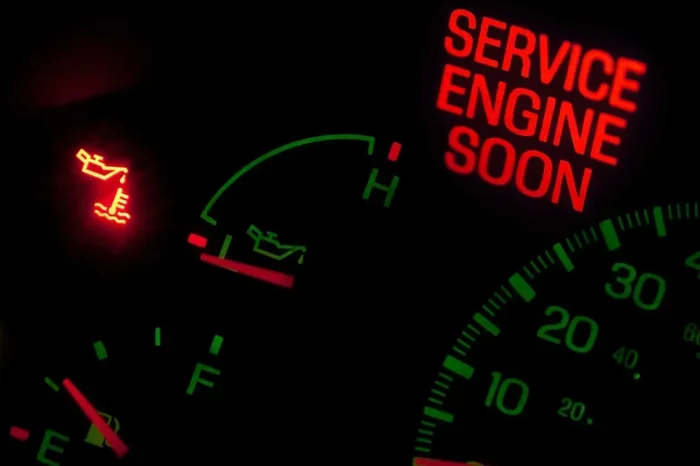
Many people ignore their air filter until they notice obvious symptoms. By then, the damage might already be starting. A clogged air filter can reduce your cars power, make it idle rough, and even trigger the check engine light. Regular air filter maintenance keeps these issues at bay.
How a Dirty Air Filter Affects Your Car
A dirty filter does not just affect your engine. It can also impact the air quality inside your vehicle. When the cabin air filter gets clogged, your AC system struggles to push clean air through the vents. This is exactly why a dirty cabin filter can stop your AC from working properly. If you have noticed weak airflow from your vents, the filter might be the culprit.
Some drivers ask whether a dirty air filter can cause overheating. The answer is yes. When your engine does not get enough clean air, it runs hotter than normal. Over time, this extra heat can lead to serious damage. To learn more about this connection, check out our detailed guide on can a dirty air filter cause your car to overheat.
Types of Air Filters in Your Vehicle
Most vehicles have two air filters. Understanding the difference helps you know which one needs attention. Let us break them down.
Engine Air Filter
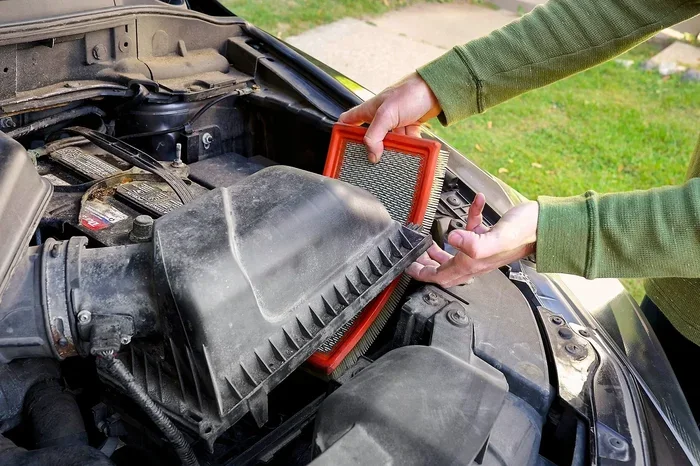
The engine air filter sits in the engine bay. Its job is to prevent dirt and debris from entering the combustion chamber. Without it, dust and particles would damage internal engine parts over time. This filter is usually easy to access and replace. Most cars have a rectangular or circular housing that clips or screws open.
Cabin Air Filter
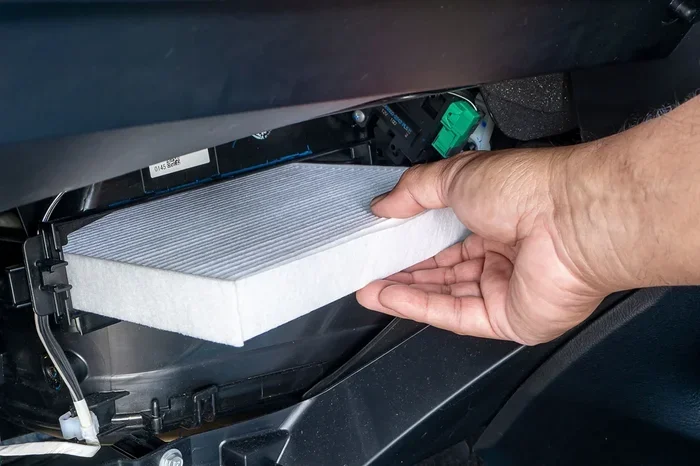
The cabin air filter is located inside the vehicle, often behind the glove box or under the dashboard. It cleans the air that enters the passenger cabin. This filter catches pollen, dust, mold spores, and even exhaust particles. A cabin air filter directly affects the air quality you and your passengers breathe every day.
When this filter gets dirty, you might notice musty smells or reduced airflow from the vents. Replacing it is just as easy as swapping the engine filter. However, the location can vary by vehicle model. Always check your owners manual for the exact spot.
Signs You Need to Replace Your Air Filter
How do you know it is time for a change? Your car gives you clues. Watch for these common signs:
- Reduced airflow from the vents or engine intake
- Black soot or debris visible on the old filter
- Unusual engine sounds like coughing or sputtering
- Lower fuel economy than usual
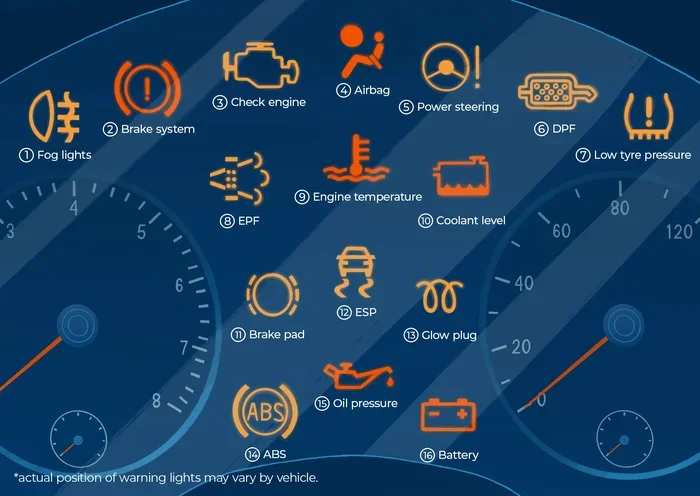
- Check engine light illuminating on the dashboard
- Weak AC performance, which could point to a dirty cabin filter
- Unpleasant odors coming from the ventilation system
If you notice any of these symptoms, it is a good idea to inspect your filters soon. Catching the problem early saves you from more expensive repairs later. Ignoring a clogged air filter can lead to decreased engine performance and even long-term damage to internal components.
Can You Replace an Air Filter Yourself?
Here is the best part. Replacing an air filter is one of the easiest DIY car maintenance tasks you can do. You do not need to visit a mechanic or a quick lube shop. With a few basic tools and a little patience, you can handle the job in minutes.
Tools You Will Need
The list is short and simple:
- A new replacement filter (match the part number to your vehicle)
- A flathead screwdriver or socket set (depending on your housing)
- A clean cloth or paper towel
- Your vehicles owners manual
That is it. No special equipment required. You probably already have most of these items in your garage or kitchen drawer.
Step-by-Step Guide to Replacing an Engine Air Filter
Follow these simple steps to swap out your engine air filter:
- Turn off your engine and let the car cool down for a few minutes.
- Open the hood and locate the air filter housing. It is usually a black plastic box near the top of the engine.
- Release the clips or screws holding the housing cover in place. A screwdriver or your hands usually does the trick.
- Remove the old filter and inspect it. Hold it up to light. If no light passes through, it is time for a new one.
- Clean the housing with a dry cloth to remove any loose debris.
- Insert the new filter making sure it sits flat and fits snugly.
- Reattach the housing cover and secure all clips or screws.
- Close the hood and start the engine. Listen for smooth operation.
That is the entire process. Most people are surprised at how quick and straightforward it is. If you want more details on related maintenance, you can also read about whether mechanics check transmission fluid during an oil change to keep your vehicle in top shape.
Replacing the Cabin Air Filter
The cabin filter replacement follows a similar process but with a different location. In most vehicles, you will find it behind the glove box. Simply remove the glove box, slide out the old filter, and insert the new one. Some cars have a small access panel under the dashboard that makes this even easier.
For a deeper look at cabin filter issues, see our article on can a dirty cabin filter stop the AC. It covers common problems and solutions in detail.
How Often Should You Replace Your Air Filter?
The general rule is every 12,000 to 15,000 miles or once a year. However, your driving conditions matter a lot. If you drive in dusty areas, on unpaved roads, or in heavy traffic, you may need to replace your filter more often.
| Driving Condition | Recommended Replacement Interval |
|---|---|
| Normal city driving | Every 12,000 to 15,000 miles |
| Dusty or rural roads | Every 6,000 to 8,000 miles |
| Heavy traffic or urban pollution | Every 10,000 miles |
| Off-road or construction zones | Every 5,000 to 6,000 miles |
Always refer to your vehicles owners manual for the manufacturer’s specific recommendation. Staying on top of your maintenance schedule keeps your car running at its best and prevents unexpected breakdowns.
Common Mistakes to Avoid
Even easy tasks can go wrong if you are not careful. Here are some mistakes to watch out for:
- Forgetting to replace both filters. Many people only change the engine filter and ignore the cabin filter. Both matter for performance and air quality.
- Installing the filter backwards. Always check the airflow direction arrow on the new filter before placing it in the housing.
- Using the wrong filter size. Not all filters fit every vehicle. Double check your part number before purchasing.
- Neglecting to clean the housing. Loose debris inside the housing can end up in your engine. Wipe it out before inserting the new filter.
- Waiting too long between replacements. A clogged air filter does not just reduce performance. It can cause long-term engine damage over time.
Avoiding these simple mistakes ensures your air filter replacement goes smoothly every single time.
Expert Tips for Better Results
Want to get even better results from your air filter maintenance? Here are some pro tips:
- Buy filters in bulk. Keeping a spare on hand means you never have to wait when it is time for a change.
- Mark your calendar. Set a reminder on your phone for your next replacement date based on your mileage.
- Inspect the filter monthly. A quick visual check takes seconds and helps you catch problems early.
- Choose quality brands. Premium filters often offer better filtration and longer life than budget options.
- Check the air filter location in your manual. Every vehicle is slightly different, and knowing exactly where yours is saves time.
These small habits add up to big benefits. Your engine stays healthier, your fuel economy improves, and your vehicle maintenance stays on track.
When to Seek Professional Help
Most of the time, replacing an air filter is a straightforward DIY job. But there are situations where you should call in a professional. If your filter housing is rusted, broken, or hard to access, a mechanic can handle it safely. Also, if you notice persistent engine performance issues even after a new filter, there may be a deeper problem that needs diagnosis.
Sometimes a dirty air filter is a symptom of a larger issue, like an oil leak or excessive engine wear. A trained technician can spot these signs and address them before they become costly repairs. And if you are unsure about the air filter location in your specific vehicle model, a quick visit to a trusted shop can set your mind at ease.
Final Thoughts
Replacing an air filter is truly one of the easiest and most rewarding maintenance tasks you can do for your car. It costs just a few dollars for the filter itself, takes less than fifteen minutes, and makes a noticeable difference in how your vehicle runs. You get better engine performance, improved fuel efficiency, and cleaner air inside your cabin.
Do not let the idea of car maintenance intimidate you. This is one job where anyone can succeed. Grab a new filter, follow the steps above, and enjoy the satisfaction of doing it yourself. Your car will thank you with smoother starts, quieter operation, and better mileage. Start today, and you will never look at air filter replacement as a chore again.
Frequently Asked Questions
How do I know if my air filter needs replacing?
Look for reduced airflow, black soot on the filter, unusual engine sounds, or lower fuel economy. A simple visual check by holding the filter up to light can also tell you a lot. If no light passes through, it is time for a new one.
Can I drive with a dirty air filter?
You can, but it is not a good idea. A dirty filter restricts air flow, which reduces engine performance and fuel efficiency. Over time, it can cause more serious engine problems. Replacing it promptly is the smart move.
What happens if I put the air filter in backwards?
Installing the filter backwards reduces its effectiveness. Air will not flow through the filter properly, which means dirt and debris can still reach the engine. Always check the airflow direction arrow on the filter before installing it.
Is an engine air filter the same as a cabin air filter?
No, they serve different purposes. The engine air filter cleans air entering the combustion chamber, while the cabin air filter cleans air entering the passenger compartment. Both need regular replacement for optimal performance.
How much does it cost to replace an air filter?
A replacement filter typically costs between 15 and 30 dollars. Doing it yourself means zero labor costs. Even at a shop, the total cost usually stays under 50 dollars including parts and service.
Can I clean and reuse my old air filter?
Some aftermarket filters are designed to be cleaned and reused, but most OEM filters are disposable. Check the packaging or your owners manual to be sure. When in doubt, replacing it with a new one is the safest choice.