How to Get Rid of Check Engine Light After Oil Change
How to get rid of check engine light after an oil change is a common concern for car owners. The light often triggers due to a loose gas cap, sensor reset, or minor glitch. This guide walks you through simple steps to turn off the warning and prevent it from coming back.
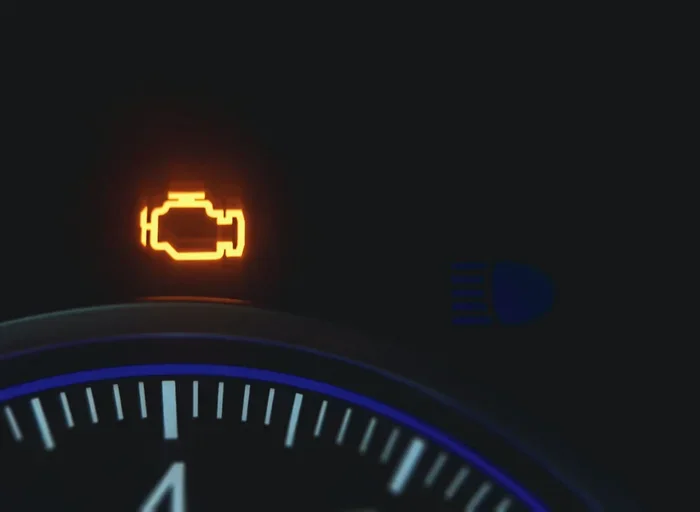
You just finished an oil change, and now your dashboard is flashing a yellow warning. The check engine light is on, and your mind races. Did the mechanic do something wrong? Is your engine in trouble? Take a breath. In most cases, how to get rid of check engine light after oil change is a straightforward process. The light often appears because of a minor glitch, a loose gas cap, or a sensor that needs a reset. This guide will walk you through every step to turn off that annoying warning and get you back on the road with confidence.
The check engine light is part of your car’s onboard diagnostics system. It watches dozens of sensors and triggers when something is out of range. After an oil change, the light might come on because the oil cap was not tightened properly, the dipstick was not fully seated, or the mechanic forgot to reset the maintenance reminder. Sometimes the light appears for no obvious reason at all. Understanding the root cause helps you choose the right fix. You will learn the most common reasons, quick DIY solutions, and when it is time to see a professional.
Many drivers panic when they see the light after an oil change. They worry about expensive repairs. But the truth is, a check engine light after oil change is usually harmless. It is often a temporary sensor alert. You can clear it yourself in minutes. This article gives you the tools and knowledge to handle it like a pro. I will share practical tips, common mistakes to avoid, and expert insights that keep your car running smoothly.
## Why Does the Check Engine Light Come On After an Oil Change?
The check engine light is a general warning. It does not tell you exactly what is wrong. Instead, it points to a problem in the emissions system, fuel system, or engine sensors. After an oil change, several things can trigger the light.
### Loose or Missing Gas Cap
The gas cap seals the fuel system. It keeps vapors from escaping. If the cap is loose, cracked, or missing, the system detects a leak. The light comes on immediately. This is the most common reason for a check engine light after oil change. Many drivers rush out of the gas station and forget to tighten the cap. A loose cap can also cause the light to appear after a mechanic fills your tank or checks fluids.
### Oil Cap or Dipstick Not Seated Properly
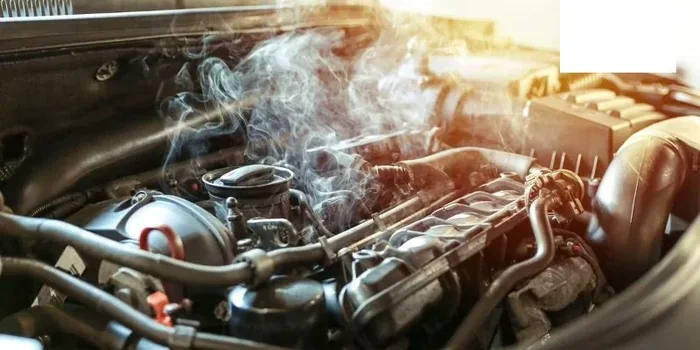
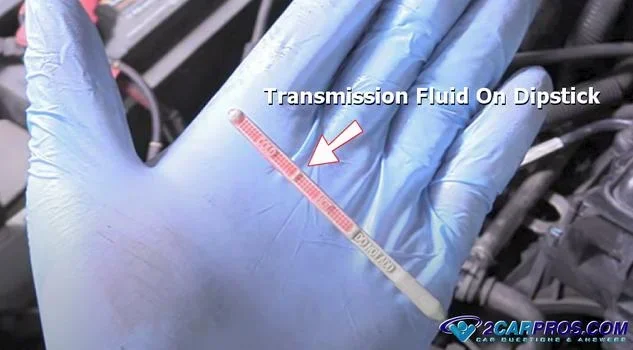
The oil cap sits on top of the engine valve cover. If it is not tightened correctly, oil can leak and trigger a sensor. The dipstick measures oil level. If it is not pushed all the way in, the car’s computer reads an incorrect oil level. Both issues can turn on the check engine light after oil change. Mechanics sometimes forget to fully reseat these caps after an oil service.
### Oil Change Reset Procedure Skipped
Many modern vehicles require a reset after an oil change. The reset tells the computer that the service was done. If the mechanic skips this step, the maintenance light stays on. In some cars, the check engine light also remains lit until the reset is complete. This is especially common in Toyota, Honda, and Ford models. You can often do this reset yourself with a few button presses on the steering wheel.
### Faulty Oil Change Sensor
Some vehicles have an oil quality sensor. After fresh oil is added, the sensor may need a few minutes to recalibrate. During this time, the light might flash. Once the engine warms up, the light usually turns off. If it stays on, there may be a deeper issue.
### Quick Tip
Always double-check that the gas cap, oil cap, and dipstick are fully seated after any service. A quick visual check can save you a trip to the mechanic.
## How to Get Rid of Check Engine Light After Oil Change: Quick Fixes
Now that you know the common causes, let’s fix the problem. Most solutions take less than 15 minutes. You do not need special tools for the first two methods.
### The Gas Cap Tightening Trick
This is the easiest and most effective fix. Simply open the fuel door and twist the gas cap until it clicks. Do not over-tighten. A snug fit is enough. After tightening, drive for a few miles. The light should turn off within 50 to 100 miles of driving. If the cap was loose, the system will run a self-test and clear the code.
If the light does not go off, remove the cap and inspect it for cracks. A damaged cap will not seal properly. Replacement caps are cheap and easy to find at any auto parts store.
### Disconnect the Battery
Disconnecting the battery resets the car’s computer. It clears all stored fault codes, including the check engine light. Here is how to do it safely.
1. Turn off the engine and all electrical accessories.
2. Locate the negative battery terminal (marked with a minus sign).
3. Use a wrench to loosen the cable clamp.
4. Remove the cable and let it sit for 10 to 15 minutes.
5. Reconnect the cable and tighten the clamp.
6. Start the engine and let it idle for a minute.
After reconnecting, the check engine light should be off. However, some vehicles will re-trigger the light if the underlying problem still exists. This method also resets your radio presets and clock, so be prepared to set those again.
### Use an OBD-II Scanner
An OBD-II scanner reads the diagnostic trouble codes stored in your car’s computer. It tells you exactly why the light is on. You can buy a basic scanner for under $30 at most auto parts stores. Many auto parts stores will also read the code for free if you bring the car in.
If you want to run diagnostics without a check engine light as a preventive measure, an OBD-II scanner can still be used. But when the light is on, the scanner will show you the specific code. Once you know the code, you can address the issue. After the repair, you can use the scanner to clear the code and turn off the light.
### Quick Tip
Keep a basic OBD-II scanner in your glove box. It is one of the most useful tools for any car owner. It helps you understand what the light means before you visit a mechanic.
### Comparison: DIY Fixes vs. Professional Diagnosis
| Method | Cost | Time | Difficulty | Best For |
|---|---|---|---|---|
| Tighten gas cap | Free | 1 minute | Easy | Loose cap, minor leak |
| Battery disconnect | Free | 15 minutes | Medium | Resetting the computer |
| OBD-II scanner | $20-$100 | 5 minutes | Easy-Medium | Reading and clearing codes |
| Mechanic visit | $50-$150 | 30+ minutes | Easy (for you) | Persistent or complex codes |
### Common Mistakes to Avoid
– Do not ignore the light for weeks. A small problem can become a big one.
– Do not keep driving aggressively with the light on. Reduce speed and avoid heavy acceleration.
– Do not assume the light means your engine is about to fail. Most causes are simple.
– Do not use the battery disconnect method on modern luxury cars without checking the manual. Some models require a specific reset procedure to avoid damaging the electrical system.
## When to See a Mechanic
Sometimes the light will not turn off with simple fixes. You should visit a mechanic if the light stays on after you tighten the gas cap and reset the battery. A persistent light could indicate a real problem that needs professional attention.
### Persistent Light After DIY Fixes
If you have tried the gas cap trick and the battery disconnect and the light returns within a day, there is likely a deeper issue. The mechanic will hook up a professional-grade scanner and read the exact code. Common codes after an oil change include P0011 (camshaft position), P0300 (random misfire), or P0420 (catalyst system efficiency). These codes can point to sensor faults, loose wiring, or a need for further service.
### Underlying Engine Problems
In rare cases, the check engine light after an oil change reveals a pre-existing problem. The oil change itself did not cause the issue, but the vibration or pressure change during the service triggered a sensor that was already weak. A mechanic can diagnose whether the problem is related to the oil change or something else entirely.
### Expert Insight
Many drivers ask, can a check engine light go off by itself. The answer is yes. If the issue was temporary, such as a loose gas cap, the light may turn off after a few drive cycles. However, if the light comes back, you need to fix the root cause. Do not just clear the code and ignore it.
### Quick Tip
Before visiting a mechanic, write down the code you see on your OBD-II scanner. This saves time and helps the mechanic pinpoint the problem faster.
## Preventing the Check Engine Light After Future Oil Changes
Prevention is always better than cure. A few simple habits can keep the check engine light off after every oil change.
### Proper Oil Cap and Dipstick Seating
After the mechanic finishes the oil change, ask them to double-check the oil cap and dipstick. Ensure both are clicked into place. You can also do a quick visual check yourself before leaving the shop. This simple step prevents many false alarms.
### Reset the Maintenance Reminder
Every vehicle has a different reset procedure. In many Toyotas, you hold the trip button and turn the key to the ON position. In Fords, you use the steering wheel controls. In Hondas, you hold the select/reset stalk. Check your owner’s manual for the exact steps. Resetting the maintenance reminder also clears the service light, which is different from the check engine light but often confused with it.
### Use the Correct Oil and Filter
Using the wrong oil viscosity can trigger the light. For example, if your car requires 0W-20 and you accidentally get 5W-30, the engine management system may detect a difference. Always confirm the correct oil specification with the service advisor. Using the right oil keeps the sensors happy.
### Ask the Mechanic to Check Other Fluids
Many drivers wonder, do mechanics check transmission fluid during an oil change. The answer is yes, many reputable shops do a multi-point inspection. They check transmission fluid, brake fluid, coolant, and power steering fluid. This comprehensive check can catch other issues that might trigger the check engine light later. Always choose a service center that performs a full inspection.
### Keep a Maintenance Log
Write down the date of every oil change, the oil type used, and the mileage. This log helps you track patterns. If the check engine light appears after a certain type of oil or at a certain mileage, you can spot trends early.
### Quick Tips for Prevention
– Always tighten the gas cap until you hear three clicks.
– Never skip the oil change reset procedure.
– Use OEM or manufacturer-recommended oil filters.
– Ask for a post-service inspection checklist.
– Keep your OBD-II scanner charged and ready.
## Expert Insights and Common Mistakes
### Expert Insight: Why the Light Comes Back
The check engine light is designed to protect your engine. It will turn back on if the root cause is not fixed. Clearing the code without fixing the problem is like removing the battery cable to silence a smoke alarm. The alarm will return. Always address the underlying issue. If the light comes back after a few days, it means the problem was not fully resolved.
### Common Mistakes After an Oil Change
– Leaving the oil cap loose: This is the most common mistake. It takes two seconds to tighten it.
– Forgetting to reset the maintenance light: The service indicator stays on and can confuse you.
– Driving too hard immediately after an oil change: Give the engine a few minutes to circulate the fresh oil. Avoid high RPMs for the first 20 minutes.
– Ignoring the dipstick: A dipstick not fully seated can give a false low oil reading and trigger the light.
– Using the wrong oil: Mixing oil weights or using the wrong specification can cause sensor errors.
### Quick Tip
If you are unsure about any step, consult your vehicle’s owner manual. Every car has unique reset procedures and sensor behaviors. The manual is your best friend.
## Final Thoughts
Dealing with a check engine light after oil change can be stressful, but it is almost always fixable at home. Start with the simplest solution: tighten the gas cap. If that does not work, try a battery disconnect or an OBD-II scanner. Most of the time, the light is a false alarm caused by a loose cap or a missed reset. If the light persists, a mechanic can read the code and fix the real problem.
Knowing how to get rid of check engine light after oil change empowers you as a car owner. You save money, time, and unnecessary worry. Follow the prevention tips to keep your car running smoothly after every oil change. Remember, the check engine light is a helpful warning, not a reason to panic. With the right knowledge, you can handle it like a pro and keep your vehicle in top shape for years to come.
Key Takeaways
- Loose gas cap is the #1 culprit: A simple tighten often resets the light within minutes.
- DIY resets work for most cases: Disconnecting the battery or using an OBD-II scanner can clear the code.
- Persistent light means professional help: Don’t ignore a light that stays on after DIY fixes.
- Prevention is easy: Proper seating of the oil cap and dipstick prevents future warnings.
- Reset procedures vary by vehicle: Check your owner’s manual for the correct reset method.
- Quick tips save time and money: Try the easiest fix first before visiting a mechanic.
Frequently Asked Questions
Can I drive with the check engine light on after an oil change?
In most cases, yes. If the light is steady and not flashing, you can drive carefully to a safe location or home. However, if the light flashes, pull over immediately and call for assistance. A flashing light indicates a severe engine misfire that can damage the catalytic converter.
How long does it take for the check engine light to turn off after tightening the gas cap?
It usually takes 10 to 20 miles of driving for the system to run a self-test and clear the code. If the cap was loose, the light should go off within a few days of normal driving. If it stays on, you may need to use a scanner to reset it.
Will disconnecting the battery erase my car’s settings?
Yes. Disconnecting the battery will reset the clock, radio presets, and sometimes the power window calibration. You will need to reset these after reconnecting the battery. Some vehicles also require a relearn procedure for the idle air control module.
Can a dirty oil filter cause the check engine light to come on?
A clogged oil filter can reduce oil pressure and trigger a warning light. However, the check engine light specifically monitors emissions-related sensors. A dirty oil filter is more likely to cause an oil pressure warning. Always use a clean, OEM-quality filter during every oil change.
Do I need a special tool to reset the check engine light?
For simple fixes like a loose gas cap, no tool is needed. To clear a code after a repair, an OBD-II scanner is the best tool. You can buy a basic one for under $30. Many auto parts stores will also clear the code for free if you bring the car in.
Why did my check engine light come on right after I left the mechanic?
This often happens because the oil cap or dipstick was not fully reseated. The mechanic may have also forgotten to reset the maintenance system. If the light appears immediately, double-check those items first before assuming a serious problem.