How to Fix Hybrid System Malfunction and Save Money
A hybrid system malfunction can scare any driver, but most issues are fixable without a costly trip to the dealer. This guide walks you through diagnosing warning lights, checking your hybrid battery, and solving common powertrain errors at home. You will learn practical steps to save money and get your hybrid car running safely again.
You are driving along, and suddenly a warning light pops up on your dashboard. It says something about a hybrid system malfunction. Your heart drops. What do you do now? Can you still drive? Is this going to cost a fortune? Relax. In most cases, a hybrid system malfunction is not a death sentence for your car. And the good news is that you can often fix it yourself without spending hundreds of dollars at the dealership.
Hybrid cars have become incredibly popular, and for good reason. They save gas, reduce emissions, and feel smooth on the road. But like any vehicle, they have their quirks. When something goes wrong with the hybrid powertrain, the symptoms can be confusing. A warning light might flash. The car might go into “limp mode.” Or you might notice the engine shuts off unexpectedly.
This guide will help you understand what causes a hybrid system malfunction, how to diagnose it step by step, and what repairs you can handle at home. We will cover everything from hybrid battery warning lights to regenerative braking issues. By the end, you will feel confident tackling the problem head-on and saving real money in the process.
Key Takeaways
- Most hybrid system malfunctions have simple causes: loose connections, low coolant, or a weak 12-volt auxiliary battery.
- You can diagnose many issues yourself using an OBD-II scanner and basic visual checks.
- Ignoring warning lights can lead to expensive repairs, so act quickly when the hybrid warning appears.
- Some fixes cost under $50 and take less than 30 minutes to complete.
- Knowing when to call a professional saves you from making the problem worse.
- Regular hybrid vehicle maintenance prevents most system malfunctions before they start.
📑 Table of Contents
Understanding Your Hybrid System
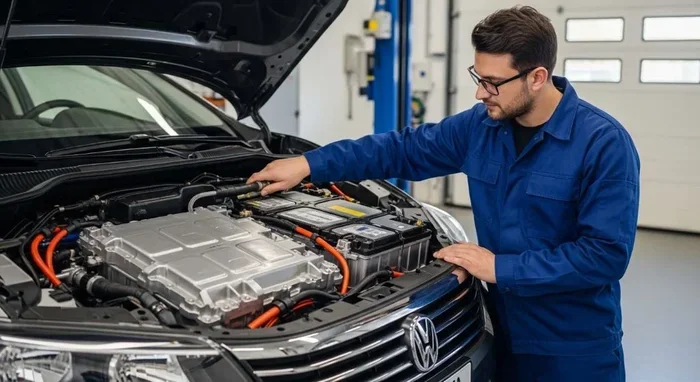
Before you start fixing anything, it helps to understand what you are working with. A hybrid car uses two power sources: a gasoline engine and one or more electric motors. These work together through a hybrid powertrain that includes the HV battery, an inverter, a motor generator, and a powertrain control module. When all these parts communicate properly, your car runs like a dream.
But when one component fails or sends wrong signals, the system throws a hybrid system malfunction code. This is your car’s way of saying, “Hey, something is not right here.” The system often goes into a protective mode to prevent further damage. That is why you might notice reduced power or the car refusing to start.
Common Hybrid Warning Lights
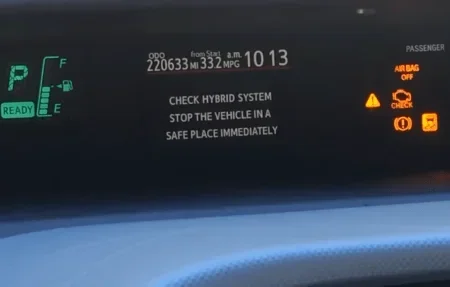
Your dashboard uses several lights to tell you about hybrid warning indicators. Here are the most common ones you might see:
- Red triangle warning light: This is the general warning. It means something needs attention soon.
- Hybrid system warning light: Often shaped like a car with battery cables. This specifically points to a hybrid system issue.
- Check engine light: The classic amber light. In hybrids, it often relates to hybrid powertrain error codes.
- Battery warning light: This indicates a problem with the hybrid battery or the 12-volt auxiliary battery.
When you see any of these lights, do not panic. Note what the light looks like and what the dashboard message says. This information will help you narrow down the cause.
Top Causes of Hybrid System Malfunction
Most hybrid system malfunction issues come from a handful of common culprits. Understanding these causes helps you diagnose the problem faster. Here are the top reasons your hybrid system might throw an error.
1. Low or Degraded Hybrid Battery
The HV battery is the heart of your hybrid system. Over time, battery cells can degrade, especially after 100,000 miles or more. When the battery cannot hold a proper charge, the system detects an imbalance and triggers a hybrid system malfunction warning.
Symptoms of a weak hybrid battery include:
- Reduced fuel economy
- The car staying in gas-only mode
- Warning lights that come and go
- Difficulty restarting after stopping
If you suspect battery degradation, you can use an OBD-II scanner hybrid compatible tool to read the battery’s state of health. Many auto parts stores will read the codes for free.
2. Faulty Hybrid Battery Reconnection
Sometimes the problem is simpler than you think. A loose or corroded connection on the hybrid battery terminals can cause a full system error. Vibration from driving can slowly loosen these connections over time. A quick inspection and reconnection might solve the entire hybrid system malfunction.
3. Cooling System Problems
Hybrid batteries generate heat, and they rely on a cooling system to stay at the right temperature. If the hybrid cooling system fails, the battery overheats, and the system shuts down to protect itself. Low coolant levels, a broken coolant pump, or a clogged radiator can all trigger this response.
Check your coolant level regularly. If it is low, top it off and watch for leaks. A recurring low coolant issue often points to a small leak that needs sealing.
4. Inverter or Motor Generator Failure
The inverter converts DC power from the battery into AC power for the electric motor. When the hybrid inverter fails, you lose electric power entirely. The car may run only on gas, or it may refuse to start. Inverter problems often show up as specific hybrid powertrain error codes that a scanner can read.
5. 12-Volt Auxiliary Battery Issues
Here is a surprising fact: many hybrid system malfunction warnings come from the small 12-volt battery, not the main HV battery. The 12-volt battery powers the car’s computers and sensors. If it is weak or dead, the entire hybrid system cannot communicate properly. Replacing this inexpensive battery often clears the malfunction code entirely.
How to Diagnose a Hybrid System Malfunction
Diagnosing a hybrid system malfunction does not require a mechanics degree. With the right tools and a bit of patience, you can identify the root cause yourself. Here is a step-by-step process to follow.
Step 1: Read the Error Codes
Grab an OBD-II scanner hybrid compatible device. Plug it into the diagnostic port, which is usually under the dashboard on the driver’s side. Turn the ignition to the “on” position (do not start the engine) and read the stored codes.
Common codes you might see include:
- P0A0F: Hybrid battery performance issue
- P0AA6: Hybrid battery voltage sensor problem
- P0B3B: Hybrid battery temperature fault
- P0E0A: Inverter/converter malfunction
Write down every code you see. These codes are your roadmap to the solution.
Step 2: Perform a Visual Inspection
Open the hood and look for obvious signs of trouble. Check the battery terminals for corrosion. Look for loose wires or damaged connectors near the hybrid battery pack. Inspect the coolant reservoir and hoses for leaks. Sometimes the fix is as simple as cleaning a corroded terminal or tightening a loose wire.
Step 3: Check the 12-Volt Battery
Use a multimeter to test the 12-volt auxiliary battery. It should read at least 12.4 volts when the car is off. If it reads below 12.0 volts, the auxiliary battery is likely the cause of your hybrid system malfunction. Replacing it is cheap and easy.
Step 4: Test the Hybrid Battery
If the 12-volt battery checks out, focus on the main HV battery. A healthy hybrid battery should maintain a consistent voltage across all cells. A significant voltage imbalance points to a failing cell. At this point, you may want to visit a shop that offers hybrid battery health check services.
DIY Fixes You Can Do at Home
Not every hybrid system malfunction requires a mechanic. Here are several fixes you can handle yourself with basic tools and about 30 minutes of your time.
Reset the Hybrid System
Sometimes the system simply needs a reset. Turn off the engine and remove the key from the ignition. Disconnect the 12-volt auxiliary battery for about 15 minutes. Reconnect it and restart the car. This clears temporary error codes and resets the powertrain control module. If the issue was a minor sensor glitch, the warning light will not come back.
Clean Battery Terminals
Corrosion on battery terminals is one of the most overlooked causes of hybrid system malfunction. Use a wire brush and a baking soda solution to clean the terminals thoroughly. After cleaning, apply a thin layer of dielectric grease to prevent future corrosion. This simple maintenance step can save you hundreds of dollars in diagnostic fees.
Replace the 12-Volt Auxiliary Battery
A weak 12-volt battery causes more hybrid problems than most people realize. The replacement cost is typically under $50, and the process is straightforward. Locate the auxiliary battery (usually in the trunk or under a rear seat), disconnect the negative terminal first, remove the old battery, and install the new one. Connect the positive terminal first this time. Your hybrid warning indicators should clear after a successful restart.
Check and Top Off Coolant
If your hybrid cooling system is low on coolant, top it off with the type recommended in your owner’s manual. Low coolant can cause overheating, which triggers the hybrid system malfunction warning. Check for leaks around hoses and connections after topping off.
Inspect and Tighten Battery Connections
Vibration from daily driving can loosen the high-voltage battery connections. Open the battery compartment and visually inspect all connections. Tighten any that feel loose. Make sure the terminals are clean and free of corrosion. This quick check often resolves intermittent hybrid powertrain error codes.
When to Call a Professional
DIY fixes work for many issues, but some problems need expert attention. Here are signs that you should take your car to a qualified technician:
- The hybrid system malfunction light stays on after a reset.
- You notice a burning smell or fluid leaks under the car.
- The car enters limp mode and will not accelerate properly.
- The hybrid battery voltage readings show significant cell imbalance.
- You hear unusual grinding or whining noises from the powertrain.
Some repairs, like replacing the hybrid inverter or individual battery modules, require specialized tools and training. Attempting these repairs without proper knowledge can be dangerous and may void your warranty. Always prioritize safety over savings.
Cost Considerations for Hybrid Repairs
One of the biggest concerns with hybrid car problems is the cost. Replacing a full hybrid battery can cost anywhere from $1,000 to $6,000 depending on the vehicle model. However, many hybrid system malfunction issues are far less expensive to fix.
Here is a rough cost comparison for common repairs:
- 12-volt battery replacement: $30 to $80
- Battery terminal cleaning: Free (DIY)
- Coolant system flush: $100 to $200
- Hybrid battery cell replacement: $200 to $800 per cell
- Full hybrid battery pack replacement: $1,000 to $6,000
- Inverter replacement: $1,500 to $3,500
As you can see, many hybrid vehicle maintenance tasks are surprisingly affordable. Regular upkeep and early diagnosis keep costs low and prevent small issues from becoming big expenses.
Preventing Future Hybrid System Malfunctions
The best way to deal with a hybrid system malfunction is to prevent one from happening in the first place. A little preventive hybrid vehicle maintenance goes a long way toward keeping your car running smoothly.
Follow the Maintenance Schedule
Stick to the recommended service intervals in your owner’s manual. Regular oil changes, coolant flushes, and hybrid battery health check appointments help catch problems early. Skipping maintenance is the fastest way to invite trouble into your hybrid system.
Drive Smart
How you drive affects your hybrid powertrain health. Avoid aggressive acceleration, which puts extra strain on the electric motor and battery. Use regenerative braking properly by coasting to stops when safe. Smooth driving habits reduce wear on every component in the system.
Monitor Your Battery Health
Use an OBD-II scanner hybrid tool every few months to check your battery voltage and cell balance. Catching a weak cell early gives you time to address it before it causes a full hybrid system malfunction. Many scanner apps for smartphones make this easy and affordable.
Keep Software Updated
Modern hybrids rely on software to manage the powertrain. Manufacturers occasionally release updates that fix known bugs and improve system reliability. Check with your dealer about available software updates for your specific model. You can also visit this guide on updating Lexus navigation systems for tips on keeping your car’s electronics current.
Address Warning Lights Immediately
Never ignore a dashboard warning light. Even if the car seems to run fine, a hidden hybrid powertrain error can worsen over time. Early diagnosis and repair almost always cost less than waiting until the problem becomes severe.
Final Thoughts
Dealing with a hybrid system malfunction does not have to be stressful or expensive. Most issues stem from simple, fixable causes like a weak 12-volt battery, corroded terminals, or low coolant. With the right diagnostic tools and a little knowledge, you can identify and solve many problems yourself. This saves you money and keeps your hybrid car running at its best.
Remember to stay calm when a warning light appears. Use the diagnostic steps in this guide to narrow down the cause. Know when to DIY and when to call a professional. And above all, keep up with regular hybrid vehicle maintenance to prevent problems before they start.
Your hybrid car is a sophisticated machine, but understanding its basics puts you in control. You do not need to be a mechanic to handle most hybrid system malfunction situations. With patience and the right approach, you can fix the problem, save money, and get back on the road with confidence.
Frequently Asked Questions
Can you still drive a hybrid with a system malfunction warning?
In most cases, yes, but with limitations. The car will often go into a protective “limp mode” that reduces power and limits speed. You should drive to a safe location or a nearby service center as soon as possible. Continuing to drive with an active hybrid system malfunction warning for a long time can cause additional damage to the powertrain.
How much does it cost to fix a hybrid system malfunction?
The cost varies widely depending on the root cause. Simple fixes like replacing a 12-volt battery or cleaning terminals cost under $50. More complex repairs like inverter or hybrid battery replacement can range from $1,000 to $6,000. Getting an accurate diagnosis first helps you avoid unnecessary expenses.
Can a dead hybrid battery be recharged?
Yes, in some cases a depleted hybrid battery can be recharged, especially if the issue is a drained 12-volt auxiliary battery rather than the main HV battery. For the main hybrid battery, recharging depends on whether the cells are still functional. You can learn more about this in our detailed guide on whether a dead hybrid battery can be recharged.
What does the hybrid system malfunction light look like?
The light is usually a yellow or red triangle with an icon that shows a car and battery cables. Some models display the text “Check Hybrid System” or “Hybrid System Malfunction.” The exact appearance varies by manufacturer, but any battery-related or powertrain warning on your dashboard deserves immediate attention.
Can you jump start a Toyota hybrid to fix a system malfunction?
Jump starting can help if the 12-volt auxiliary battery is dead, which sometimes triggers a hybrid system malfunction warning. However, it will not fix issues with the main HV battery or the hybrid powertrain itself. Always consult your owner’s manual for the correct jump-start procedure for your specific hybrid model.
How often should I check my hybrid battery health?
It is a good practice to check your hybrid battery health every 6 to 12 months using an OBD-II scanner hybrid tool. Early detection of cell degradation or voltage imbalance helps you address issues before they lead to a full hybrid system malfunction. Regular checks are a small investment that can save you thousands in major repairs down the road.