How Often Should Wipers Be Replaced and Why It Matters
Wiper blades should typically be replaced every 6 to 12 months to maintain optimal visibility. Factors like climate, usage frequency, and blade material can shorten or extend this timeline. Recognizing early warning signs such as streaking, squeaking, or chattering can prevent dangerous driving conditions.
Driving with worn-out wipers is one of those things you do not notice until it becomes a real problem. Rain starts pouring, the windshield gets blurry, and suddenly you are squinting and praying for clear sight. That is exactly why understanding how often should wipers be replaced matters so much.
Most drivers forget about their wiper blades until they start making noise or leaving streaks. But here is the truth. Worn wipers do not just annoy you. They compromise your safety on the road. Visibility is everything when you are driving, and your wiper blades play a bigger role than most people realize.
This guide breaks down everything you need to know about wiper replacement schedules. We will cover how long wipers last, what signs to watch for, and how to get the most out of your blades. Whether you drive a sedan, an SUV, or a hybrid vehicle, this article has you covered.
Key Takeaways
- Replace wipers every 6 to 12 months: This is the general rule of thumb for most drivers, though conditions may require more frequent changes.
- Watch for streaking, squeaking, and chattering: These are the most common signs that your blades are worn and need immediate attention.
- Climate matters a lot: Extreme heat, cold, and UV exposure break down rubber faster than mild conditions.
- Hybrid and electric vehicles need special attention: Battery systems and sensor-heavy windshields demand clean, well-maintained wipers.
- Quality blades make a difference: Investing in good wiper blades pays off in performance and longevity.
- Regular maintenance extends blade life: Simple habits like wiping blades and keeping your windshield clean go a long way.
📑 Table of Contents
- Why Wiper Replacement Matters More Than You Think
- How Often Should Wiper Blades Be Replaced
- Signs Your Wipers Need Replacing Now
- Types of Wiper Blades and Their Lifespan
- How to Replace Your Wiper Blades
- Common Mistakes People Make With Wiper Blades
- Wiper Maintenance Tips for Longer Blade Life
- How Weather Affects Wiper Blade Performance
- When to Seek Professional Help
- Conclusion
Why Wiper Replacement Matters More Than You Think
Wiper blades are not glamorous. They are rubber strips that sweep across your windshield a hundred times a day during storm season. But their job is critical. They keep your line of sight clear when weather conditions turn bad. Without working wipers, driving in rain, snow, or even bright sunlight becomes a serious risk.
Many accidents happen not because of mechanical failure but because of poor visibility. Cloudy or streaky wipers create a haze on the glass that is almost as bad as having no wipers at all. This is especially true at night or during heavy downpours. The how often should wipers be replaced question is really a safety question at its core.
Beyond safety, old wipers can damage your windshield. Metal frames or hardened rubber can scratch the glass over time. A small scratch might not bother you at first, but over months and years, it adds up. Replacing your blades on schedule is a small cost that protects a much larger investment.
Some people think wipers only matter in winter. That is a common mistake. UV rays in summer break down rubber just as fast as ice and snow do in winter. Year-round maintenance is the smart approach. If you are also curious about other car maintenance questions like can a bumper be replaced in a day, you will appreciate how quickly small parts wear out with regular use.
How Often Should Wiper Blades Be Replaced
The short answer is every 6 to 12 months. But the full answer depends on several factors. Let us break this down so you know exactly what to expect.
The General Rule of Thumb
Most manufacturers recommend replacing wiper blades every six months. This is the standard baseline. If you live in a region with moderate weather and drive a typical amount each day, six months is a solid target.
Some drivers stretch this to 12 months. This works if the blades are still performing well at the six-month mark. But do not wait until they fail completely. By the time a blade stops working, it has already been compromising your visibility for a while.
Factors That Shorten Wiper Blade Life
Several things can cause your wipers to wear out faster than the standard timeline. Here are the biggest culprits:
- Extreme heat exposure: Parking in direct sunlight constantly dries out the rubber. Hot climates are especially tough on wiper blades.
- Freezing temperatures: Ice and frost make the rubber brittle. Winter conditions cause cracks and tears much faster.
- Frequent use: If you use your wipers daily, the blades wear down quicker than someone who only uses them occasionally.
- Dirt and debris: Driving on gravel roads or in dusty areas grinds against the rubber edge and shortens its life.
- Salt and chemicals: Road salt in winter and insect splatter in summer both eat away at the blade material.
Factors That Extend Wiper Blade Life
On the flip side, some habits can help your wipers last longer:
- Parking in a garage or shaded area reduces UV and heat exposure.
- Wiping the blades with a damp cloth removes dirt and grime that causes premature wear.
- Lifting the blades away from the windshield during freezing weather prevents rubber from freezing to the glass.
- Using quality blades from reputable brands often means better materials and longer lifespan.
Signs Your Wipers Need Replacing Now
You do not need to set a calendar reminder to know when to change your wipers. Your car tells you. You just need to listen and look. Here are the clearest signs that it is time for new blades.
Streaking and Smearing
This is the most obvious sign. When your wipers leave horizontal lines or blurry patches across the windshield, the rubber is worn. The edge of the blade is no longer making full contact with the glass. Streaking is not just annoying. It distorts your view of the road, which is dangerous.
Squeaking or Chattering
If your wipers make a squeaking noise every time they move, the rubber has likely hardened or cracked. Chattering, where the blade vibrates against the glass, is another red flag. Both sounds mean the blade is no longer flexible enough to glide smoothly across the windshield.
Visible Cracks or Tears
Inspect the rubber edge closely. If you see cracks, tears, or chunks missing, the blade needs to go. Do not wait for it to fall apart completely. A torn blade can snag and damage the windshield wiper motor or scratch the glass.
Skipping or Flying Off the Windshield
Sometimes a worn blade does not make full contact. It skips across the glass in uneven patches. In severe cases, the blade may lift off the windshield entirely at high speeds. This is a serious safety issue that needs immediate attention.
Wipers That Do Not Move Smoothly
If you notice the wipers drag or hesitate instead of moving fluidly, the mechanism or the blade itself is compromised. Sometimes this is a sign of a mechanical issue, but more often than not, the rubber blade is simply worn out.
Types of Wiper Blades and Their Lifespan
Not all wiper blades are created equal. The type you choose affects both performance and how long they last. Here is a quick look at the most common options.
Conventional Wiper Blades
These are the standard, frame-style wipers most cars come with from the factory. They use a metal frame to press a rubber strip against the glass. They are affordable and widely available. However, they tend to wear out faster because the exposed frame is vulnerable to rust and corrosion. Expect a lifespan of about 6 months with regular use.
Beam Wiper Blades
Beam blades, also called bracketless wipers, have a sleek design with no exposed metal frame. They use a spring-backed rubber strip that conforms to the windshield shape more evenly. This means better contact and more even wear. Beam blades typically last longer than conventional blades, often up to 9 to 12 months.
Hybrid Wiper Blades
Hybrid wipers combine the best of both worlds. They have a hidden frame design with additional structural support for durability. They perform well in both rain and snow and tend to have a longer lifespan than standard blades. Many drivers find them worth the slightly higher price point.
Winter Wiper Blades
Winter-specific blades are designed with a protective boot that prevents ice and snow from building up on the blade. They are ideal for cold climates but tend to wear out faster because of the extra material and the harsh conditions they endure. Replace winter blades at the end of each cold season.
How to Replace Your Wiper Blades
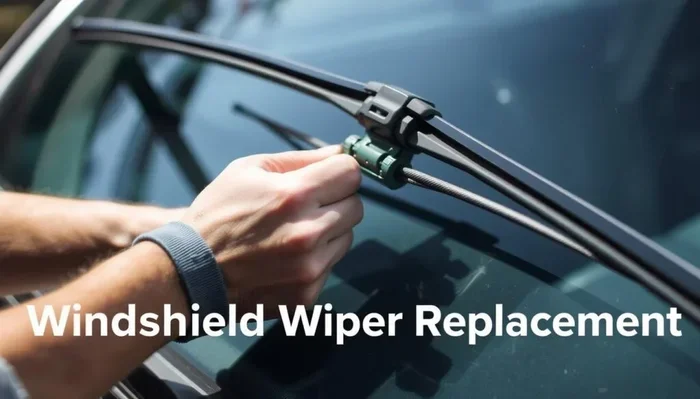
Replacing wiper blades is one of the easiest car maintenance tasks you can do. You do not need a mechanic or special tools. Here is a simple step-by-step guide.
- Measure your current blades. Check the owner’s manual or measure the blade length from end to end. Most cars have different sizes for the driver and passenger sides.
- Buy the right replacement blades. Match the size and connector type to your vehicle. Beam blades and conventional blades use different attachment mechanisms.
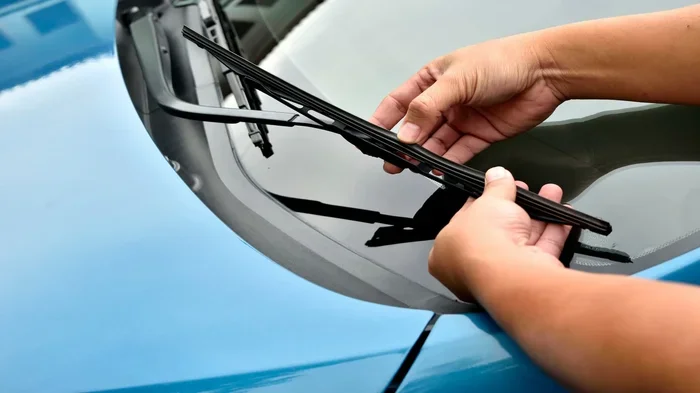
- Lift the wiper arm away from the windshield. Be gentle. Wiper arms have springs that can snap back and crack the glass.
- Release the old blade. There is usually a small tab or button where the blade connects to the arm. Press it and slide the old blade off.
- Attach the new blade. Slide the new blade onto the arm until it clicks into place. Make sure it is secure.
- Lower the arm back onto the windshield gently. Do not let it snap down.
- Test the wipers. Spray some wiper fluid and run the blades to make sure they clear the glass properly.
If you are replacing wipers on a hybrid or electric vehicle, always refer to the owner’s manual first. Some models like those discussed in can a dead Prius battery be charged have specific maintenance considerations that also apply to wiper systems and other components.
Quick Tips for Wiper Replacement
- Replace both blades at the same time, even if only one looks worn. Uneven blades cause streaking.
- Buy blades from trusted brands. Cheap blades may save money upfront but wear out much faster.
- Clean the windshield wiper groove with a damp cloth before installing new blades. Dirt trapped in the groove accelerates wear.
- Set a recurring reminder on your phone every 6 months so you never forget.
Common Mistakes People Make With Wiper Blades
Even well-meaning car owners make mistakes when it comes to wiper maintenance. Here are the most common ones and how to avoid them.
Waiting Too Long to Replace
The biggest mistake is ignoring the signs until visibility is seriously compromised. Do not wait for the blade to break. Replace it at the first sign of poor performance.
Using Wipers on a Dry Windshield
Running wipers on a dry glass creates friction that wears out the rubber quickly. Always use wiper fluid or water before engaging the blades. This lubricates the contact surface and reduces wear.
Ignoring the Wiper Arm Tension
Sometimes the problem is not the blade but the wiper arm. If the arm loses its spring tension, the blade will not press firmly against the glass. A weak arm can make even brand-new blades perform poorly.
Using the Wrong Size Blades
Installing the wrong size blade might seem harmless, but it leads to poor contact, streaking, and uneven wear. Always double-check the size before purchasing.
Neglecting the Windshield Itself
Dirty windshields grind against wiper blades and shorten their life. A quick wipe-down of the glass during car washes helps your blades last longer. Keeping your windshield clean is a simple habit that pays off.
Wiper Maintenance Tips for Longer Blade Life
Good maintenance habits can squeeze extra months out of your wiper blades. Here is what works.
- Wipe the blades monthly: Use a damp cloth to remove built-up grime and oil from the rubber edge.
- Keep the windshield clean: Wash your windshield regularly. Dirt and debris are the enemies of wiper rubber.
- Apply a rain-repellent coating: Products like Rain-X reduce the workload on your wipers by helping water bead and roll off the glass.
- Avoid using wipers to clear ice: Use an ice scraper instead. Letting wipers scrape ice is one of the fastest ways to ruin them.
- Check blade alignment: If a blade is not sitting flat against the glass, it will wear unevenly. Adjust or replace as needed.
These small habits take just a few minutes each month but can make a significant difference. Think of it as basic car care, similar to checking tire pressure or changing your oil. If you also take care of other visibility-related systems like your backup camera, you are setting yourself up for safer driving in all conditions.
Seasonal changes also play a role. Before winter hits, inspect your blades and replace them if they are showing any wear. Winter is the worst time to have failing wipers. Similarly, before summer road trips, give them a quick check. A clean, well-maintained blade makes all the difference on long drives through rain or bright sun.
If you own a hybrid or electric vehicle, you might wonder about overall maintenance schedules. For instance, understanding battery health is important too. Check out our guide on can Toyota hybrids be charged for more insights on keeping your vehicle in top shape year-round.
How Weather Affects Wiper Blade Performance
Weather is the single biggest factor in how quickly your wiper blades degrade. Different seasons bring different challenges, and understanding these helps you plan replacements better.
Summer Heat and UV Damage
Hot summer sun dries out the rubber on wiper blades. UV radiation breaks down the flexible polymers in the rubber, causing it to crack and harden. If you park outside in direct sunlight every day, your blades will wear faster. In desert climates or very sunny regions, replacing wipers every 4 to 6 months may be necessary.
Winter Cold and Ice
Cold temperatures make rubber brittle. When wiper blades freeze to the windshield and you try to use them, the rubber can tear or crack instantly. Winter blades with protective covers help, but even they have a limited lifespan. At the end of winter, inspect your blades and replace them if needed before spring driving begins.
Spring Pollen and Debris
Spring brings pollen, tree sap, and bird droppings. All of these are acidic and can eat away at wiper rubber over time. If you notice your wipers smearing more during spring, pollen buildup on the blade is likely the cause. A quick wipe of the blades after parking outside can help.
Fall Rain and Leaf Debris
Autumn rain is often accompanied by wet leaves and debris on the road. This creates a gritty film on the windshield that wears down wiper edges. Fall is a great time to install fresh blades before the rainy season kicks in.
When to Seek Professional Help
Most wiper replacements are simple and can be done at home. But there are times when you should see a professional. If your wipers still do not work properly after installing new blades, the issue might be with the wiper motor or the wiper arm mechanism. A mechanic can diagnose and fix these problems quickly.
Also, if your vehicle has specialized wiper systems, such as those found on certain luxury or hybrid models, a professional installation ensures everything is set up correctly. Some vehicles have hidden wiper arms or unique connectors that require extra care. When in doubt, a quick trip to the shop saves time and prevents potential damage.
For broader vehicle maintenance questions, such as service availability, you might wonder if certain brands service others. For example, can Lexus be serviced at Toyota is a common question among hybrid and luxury car owners, and it highlights the importance of understanding your vehicle’s full maintenance ecosystem.
Conclusion
The answer to how often should wipers be replaced is simple. Every 6 to 12 months, depending on your climate, driving habits, and blade type. But the real takeaway is this: do not wait until your wipers fail. Proactive replacement keeps you safe, protects your windshield, and saves you from the frustration of poor visibility.
Pay attention to the warning signs. Streaking, squeaking, and skipping are your car’s way of telling you it is time for new blades. Keep up with basic maintenance habits like wiping the blades and keeping the windshield clean. These small efforts add up to a big difference in performance and longevity.
Your wipers are one of the most important safety features on your vehicle. They do not get the attention they deserve, but they should. Next time you are at the auto parts store, grab a fresh set of blades even if you are not sure you need them. Your future self, driving through a sudden rainstorm with crystal-clear visibility, will thank you.
Stay on top of your car maintenance routine. Replace your wipers on schedule, drive safely, and enjoy every journey with clear, unobstructed views of the road ahead.
Frequently Asked Questions
How often should wipers be replaced in hot climates?
In hot climates, wiper blades tend to degrade faster due to UV exposure and heat. You should replace them every 4 to 6 months. Parking in shaded areas or a garage can help extend their life, but regular inspection is still important.
Can I replace just one wiper blade at a time?
Technically yes, but it is not recommended. Replacing both blades at the same time ensures even performance across the windshield. If one blade is worn, the other is likely close to failing too.
Do beam wipers last longer than conventional wipers?
Yes, beam wipers generally last longer. Their bracketless design reduces exposure to corrosion and provides more even wear. Many drivers get 9 to 12 months of life from quality beam blades.
What happens if I use wiper blades past their lifespan?
Old wiper blades streak, smear, and reduce your visibility. They can also scratch the windshield over time. In worst cases, the blade can break apart and damage the wiper motor or arm.
Are expensive wiper blades worth the money?
Generally yes. Premium blades use better rubber compounds and construction that lasts longer and performs more consistently. They may cost a bit more upfront but save you from frequent replacements and poor visibility.
Should I replace wiper blades before winter?
Absolutely. Winter conditions are harsh on wiper blades. Replacing them before the cold season ensures you have reliable visibility during rain, snow, and icy conditions. It is one of the easiest and most important winter car prep steps.