How Much Should I Pay for a Starter Replacement Cost
The average starter replacement cost ranges from $300 to $600, with labor making up about half the total. The exact price depends on your vehicle make, model, and engine type. Knowing the signs of a failing starter can help you avoid costly towing and breakdown expenses.
Your car’s starter motor is one of those parts you never think about until it fails. One morning you turn the key, and all you get is a clicking sound or complete silence. That moment can be stressful, especially when you are running late. The good news is that understanding the starter replacement cost before you walk into a shop puts you in a much better position.
In this guide, we will walk through everything you need to know about how much you should pay for a starter replacement. We cover average costs, what drives the price up or down, and smart ways to save money. Whether you drive a daily commuter or a truck, this article has the details you need. Let us break it all down so you can make a confident decision.
Key Takeaways
- Average Cost Range: Most drivers pay between $300 and $600 for a complete starter replacement.
- Labor Is the Big Expense: Labor costs typically run $150 to $350, depending on your vehicle’s engine layout.
- DIY Can Save You Money: Replacing the starter yourself can cut costs by 50% or more if you have basic tools.
- Vehicle Type Matters: Luxury and performance vehicles cost significantly more for starter motor replacement.
- Early Detection Saves Cash: Catching starter motor symptoms early prevents damage to other ignition components.
- Warranty Options Exist: Many replacement starters come with a 12-month warranty for peace of mind.
📑 Table of Contents
- What Is a Starter Motor and How Does It Work
- Average Starter Replacement Cost
- Signs Your Starter Is Going Bad
- Can You Replace a Starter Yourself
- How to Save Money on Starter Replacement
- When to Replace vs When to Repair
- Common Mistakes to Avoid
- Expert Insights on Starter Replacement Cost
- Final Thoughts on Starter Replacement Cost
What Is a Starter Motor and How Does It Work
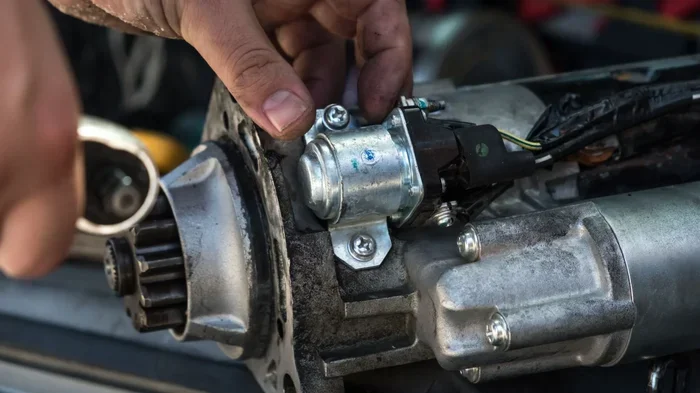
The starter motor is a small but powerful electric motor. Its job is simple but critical. When you turn your ignition key or press the start button, the starter engages with the engine’s flywheel. This spins the engine fast enough to kickstart combustion. Without a working starter, your vehicle simply will not start.
Here is how the process works in plain terms:
- You turn the key or push the start button.
- Electrical current flows from the battery to the starter solenoid.
- The solenoid pushes the starter gear into contact with the flywheel.
- The starter motor spins the engine until it fires on its own.
- Once the engine runs, the starter disengages automatically.
This whole process happens in seconds. But when something goes wrong, you will notice it right away. Common starter motor symptoms include a grinding noise, slow cranking, or a single loud click with no turnover. If you are experiencing any of these, it is worth investigating the starter replacement cost sooner rather than later.
Ignoring a bad starter can lead to bigger problems. For example, a failing starter can drain your battery repeatedly. That is why many owners who notice early signs search for information like Can You Tell If A Starter Is Going Bad to catch issues early.
Average Starter Replacement Cost
The starter replacement cost varies quite a bit from one vehicle to another. On average, most car owners pay somewhere between $300 and $600 for the full job. But that is just a ballpark number. Let us look at what makes up this total and why the range is so wide.
The total bill is made up of two main parts:
- Parts Cost: The starter motor itself typically costs $100 to $350.
- Labor Cost: Replacing the starter usually takes 1 to 3 hours of labor, costing $100 to $300 depending on your local shop rate.
Some vehicles are much easier to access the starter on than others. Engines with more underbody clearance let mechanics work faster. Compact cars with tight engine bays often take longer. That extra time adds up on your bill.
Cost Breakdown by Vehicle Type
Your vehicle type plays a big role in the final price. Here is a general breakdown of what you can expect:
- Economy Cars (Honda Civic, Toyota Corolla): $250 to $450 total. These engines are usually easy to access, keeping labor low.
- Mid-Size Sedans (Toyota Camry, Honda Accord): $300 to $550 total. The Camry is known for reliability, but even well-maintained vehicles need starter replacements over time.
- Trucks and SUVs (Toyota Tacoma, Ford F-150): $350 to $700 total. Larger engines and higher ground clearance can make access trickier.
- Luxury Vehicles (BMW, Mercedes): $500 to $1,000+ total. Higher parts cost and specialized labor drive the price up significantly.
- Diesel Engines: $400 to $800 total. Diesel starters are heavier and more complex, adding to both parts and labor costs.
Keep in mind that these are national averages. Your local area might have higher or lower rates. Urban shops in major cities often charge more for labor than rural mechanics. Always ask for a detailed estimate before approving any work.
Parts vs Labor: Where Your Money Goes
Understanding the split between parts and labor helps you evaluate any quote you receive. Here is a closer look at each component:
Starter Motor Parts Cost
The starter motor part itself can range widely. A basic replacement starter for a common sedan might cost as little as $80 to $150. More advanced units with integrated solenoids or heavy-duty designs can run $200 to $400. OEM (Original Equipment Manufacturer) starters tend to cost more than aftermarket options, but they often come with better warranties and guaranteed compatibility.
Labor Cost for Starter Replacement
Labor is where the cost adds up. Most shops charge between $80 and $150 per hour. A straightforward starter replacement on an accessible engine might take just one hour. But if your vehicle has a tight engine bay or the starter is mounted near the transmission bell housing, it could take two to three hours. That is why labor can easily make up 50% or more of your total bill.
Signs Your Starter Is Going Bad
Catching a failing starter early can save you from a much bigger bill. When you ignore the warning signs, a simple starter repair can turn into a full breakdown on the side of the road. Here are the most common signs that your starter motor needs attention.
Clicking Sound When Turning the Key
This is the most recognizable sign. You turn the key, and you hear a single loud click or rapid clicking, but the engine does not crank. The click is the solenoid trying to engage, but the motor is not spinning. This often means the starter is worn out and needs replacement.
Slow Cranking
When your engine takes longer than usual to turn over, the starter motor may be weakening. A healthy starter spins the engine quickly and confidently. If you notice a sluggish start, do not ignore it. Addressing the issue early can prevent a complete failure when you least expect it.
Intermittent Starting Problems
Sometimes the starter works fine, and sometimes it does not. This inconsistency often points to a failing solenoid or worn brushes inside the motor. Intermittent problems are especially frustrating because they can be hard to diagnose without a professional inspection.
Grinding Noise
A grinding or whining noise when you attempt to start the car is a serious warning sign. This usually means the starter gear is not engaging properly with the flywheel. Continuing to drive with this symptom can cause damage to the flywheel, which is a much more expensive repair.
Starter Stays Engaged
After the engine starts, the starter should disengage automatically. If you hear a grinding or whirring noise that continues after the engine is running, the starter solenoid may be stuck. This can quickly damage both the starter and the flywheel if not addressed promptly.
Being proactive about these symptoms helps you budget for the starter motor replacement cost on your terms. Instead of facing an emergency repair, you can plan ahead and find the best price. This approach also helps you avoid situations where you might need to rely on a Can I Get A Car Loan With A 600 Credit Score to cover unexpected repair expenses.
Can You Replace a Starter Yourself
Many car owners wonder if they can tackle a starter replacement at home. The short answer is yes, in many cases. But the real question is whether you should. Let us explore what goes into a DIY starter replacement and when it makes sense.
What You Will Need
Replacing a starter motor is a moderately challenging DIY job. Here is a basic list of what you will need:
- A replacement starter motor (OEM or aftermarket).
- A socket set and combination wrenches.
- A jack and jack stands or ramps.
- A torque wrench.
- A multimeter for testing electrical connections.
- Basic hand tools and penetrating oil.
Difficulty Level by Vehicle
On some vehicles, the starter is easy to reach. You might be able to do the job in under an hour with basic tools. On others, you need to remove exhaust components, intake manifolds, or other parts just to get to the starter. These jobs can take an entire weekend for a DIYer.
Pros of DIY Starter Replacement
- You save 100% of the labor cost, which is the biggest savings.
- You can choose your own parts and compare prices easily.
- You learn valuable mechanical skills that help with future repairs.
Cons of DIY Starter Replacement
- You need the right tools and a safe workspace.
- Incorrect installation can damage the flywheel or electrical system.
- You do not have a warranty on the work if something goes wrong.
If you are not comfortable working under your car, there is no shame in leaving this job to a professional. The starter motor repair cost for labor is worth the peace of mind that comes with a guaranteed installation. But if you enjoy working on your car and have the right setup, DIY can be a great way to save money.
How to Save Money on Starter Replacement
Paying for car repairs never feels good. But there are several smart strategies you can use to reduce the starter replacement cost without sacrificing quality. Here are practical tips that actually work.
Get Multiple Quotes
Never accept the first quote you receive. Visit two or three different shops and ask for a detailed breakdown of parts and labor. Independent mechanics often charge less than dealerships. But make sure the shop has experience with your specific vehicle model.
Choose Aftermarket Parts Wisely
Aftermarket starters can cost 30% to 50% less than OEM parts. Not all aftermarket parts are equal, though. Look for brands with strong reputations and solid warranty coverage. A cheap starter that fails after six months will cost you more in the long run. Read reviews and ask your mechanic for recommendations on reliable aftermarket options.
Ask About Warranty Coverage
Many shops offer warranties on both parts and labor. A 12-month or 12,000-mile warranty is standard. Some aftermarket starters come with their own manufacturer warranty. This protects you if the new starter fails prematurely. Always ask about warranty terms before approving the repair.
Address Related Issues at the Same Time
If your starter is failing, other parts in the starting system may also be worn. The solenoid, battery, and electrical connections all work together. Have the mechanic check the battery voltage and ground connections while the starter is off. Fixing a weak battery or corroded cable at the same time saves you a second visit and another labor charge.
Check for Recalls or Technical Service Bulletins
Some manufacturers issue recalls or service bulletins that cover starter motor failures. If your vehicle is affected, the dealer may replace the starter at no cost to you. A quick check with your dealer or a search for your vehicle’s VIN can reveal whether you qualify for free coverage.
Consider Your Driving Habits
Vehicles that sit for long periods or are driven only on short trips tend to have starter issues more often. If you fit this pattern, consider investing in a battery maintainer. Keeping the battery fully charged reduces strain on the starter motor and extends its lifespan. This simple habit can delay or even prevent the need for a starter motor replacement.
When to Replace vs When to Repair
Not every starter problem requires a full replacement. In some cases, a repair can fix the issue at a lower cost. Understanding the difference helps you make the best financial decision.
When Repair Makes Sense
If the problem is a faulty solenoid, you may only need to replace that component. Solenoid replacement is much cheaper than a full starter swap, often costing $50 to $150 for parts and labor combined. Similarly, if the issue is a bad electrical connection or corroded wiring, fixing the wiring can solve the problem without touching the starter at all.
When Replacement Is the Better Option
When the starter motor itself is worn out, replacement is the way to go. Attempting to rebuild a starter motor is rarely cost-effective for most vehicles. The labor involved in disassembling, rebuilding, and reassembling the unit often exceeds the cost of a new or remanufactured starter. Plus, a new starter comes with a warranty that a rebuilt unit may not offer.
Remanufactured vs New Starters
Remanufactured starters are a middle-ground option. They cost less than new OEM starters but more than budget aftermarket units. A quality remanufactured starter can be a smart choice if you want to save money without sacrificing reliability. Just make sure the supplier offers a solid warranty.
For vehicles with high mileage, you might also consider whether the repair cost is worth the vehicle’s overall value. If your car has serious issues beyond the starter, it may be time to evaluate whether it makes sense to invest in repairs or look at replacement options. For instance, owners of older Toyotas often research questions like 000 Miles A Lot For A Toyota Camry to understand whether their vehicle is worth continued investment.
Common Mistakes to Avoid
Even the most car-savvy owners can make mistakes when dealing with starter replacement. Avoiding these common errors saves you time, money, and frustration.
- Skipping the Battery Check: A weak battery can mimic starter symptoms. Always test the battery first before replacing the starter.
- Choosing the Cheapest Part: The lowest-priced starter may not be the best value. Poor-quality parts fail faster and can cause additional damage.
- Ignoring the Solenoid: Sometimes the solenoid is the real culprit, not the starter motor itself. Replacing only the starter when the solenoid is the problem wastes money.
- Not Torqueing Bolts Properly: Loose starter bolts can cause vibration and premature failure. Always follow the manufacturer’s torque specifications.
- Delaying the Repair: A failing starter does not get better on its own. Putting off the repair increases the risk of being stranded and can damage the flywheel.
Expert Insights on Starter Replacement Cost
We asked experienced mechanics about the most common questions they hear regarding starter replacement. Here is what the professionals want you to know.
How long should a starter motor last?
Most starter motors last between 100,000 and 150,000 miles. However, this varies based on driving conditions, vehicle maintenance, and electrical system health. Vehicles with weak charging systems tend to wear out starters faster.
Does the starter replacement cost differ for hybrid vehicles?
Yes. Hybrid vehicles use an integrated starter-generator, which combines the starter and alternator into one unit. These components are more complex and more expensive to replace. The cost for a hybrid starter replacement can range from $600 to $1,200 or more, depending on the make and model.
Is it worth replacing the starter on an older vehicle?
This depends on the vehicle’s overall condition and your budget. If the car is otherwise reliable and the starter replacement cost is reasonable, it is usually worth it. But if you are already facing major repair bills, it may be time to evaluate whether the vehicle is worth the investment.
Can a bad starter damage the transmission?
Yes, but only in specific situations. If the starter gear is worn or damaged, it can grind against the flywheel and cause damage. In rare cases, a stuck starter can even affect the transmission if it interferes with the bell housing. This is why prompt attention to starter problems is so important.
Final Thoughts on Starter Replacement Cost
Understanding the starter replacement cost empowers you to make informed decisions about your vehicle maintenance. The average price of $300 to $600 gives you a solid baseline, but many factors influence the final number. Your vehicle type, engine layout, local labor rates, and whether you choose OEM or aftermarket parts all play a role.
The best approach is to stay proactive. Pay attention to the warning signs of a failing starter, and address problems early. This keeps repair costs lower and helps you avoid the stress of a car that will not start. Whether you choose a professional mechanic or a DIY approach, the key is to use quality parts and follow proper installation procedures.
Remember, your starter motor is the bridge between your key and a running engine. Taking care of it ensures your vehicle starts reliably every single time. With the information in this guide, you are now equipped to handle starter replacement with confidence and clarity.
Frequently Asked Questions
What is the average starter replacement cost?
The average cost to replace a starter motor ranges from $300 to $600. This includes both the parts and labor. The exact price depends on your vehicle type, engine layout, and local labor rates. Economy cars tend to fall on the lower end, while luxury and diesel vehicles cost more.
Can I drive with a bad starter?
No, a bad starter will eventually prevent your car from starting altogether. While you might get away with it for a short time, it is risky. Being stranded with a failed starter is inconvenient and potentially dangerous. It is best to address starter problems as soon as you notice symptoms.
How long does a starter replacement take?
A typical starter replacement takes between one and three hours. Simple engines with easy access to the starter can be done in under an hour. Vehicles with tight engine bays or complex underbody components may take longer. The starter motor replacement time directly affects the labor cost.
Is it cheaper to replace a starter yourself?
Yes, replacing the starter yourself eliminates labor costs entirely. You only pay for the parts, which can save you $150 to $300. However, DIY replacement requires the right tools, mechanical skills, and a safe workspace. If you are not confident, a professional installation is the safer choice.
How can I reduce my starter replacement cost?
You can reduce costs by getting multiple quotes, choosing quality aftermarket parts, and addressing related issues at the same time. Asking about warranties and checking for manufacturer recalls can also lower your out-of-pocket expense. Regular battery maintenance also helps prevent premature starter wear.
What causes a starter to fail prematurely?
Common causes include a weak battery, corroded electrical connections, frequent short trips, and excessive cranking. Vehicles that sit unused for long periods also experience starter problems. Keeping your battery charged and electrical connections clean helps extend the life of your starter motor.
=== CONCLUSION ===
The starter replacement cost does not have to be a mystery. With the right information, you can budget confidently and choose the best option for your situation. Whether the cost lands at $300 or $600, understanding what drives the price helps you avoid overpaying. Stay alert to the warning signs, explore your options, and take action before a small problem becomes a big expense.