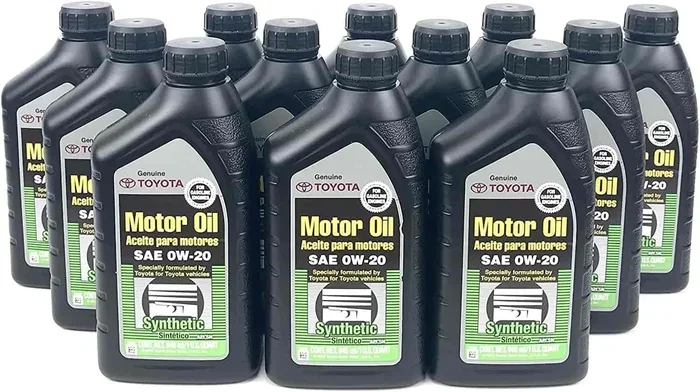
How Much Oil Does a 24L 4-Cylinder Engine Really Take
A 2.4L 4-cylinder engine typically takes between 4.5 and 5.5 quarts of oil, depending on whether you’re replacing just the oil or the oil filter too. The exact amount varies by vehicle make and model, so always check your owner’s manual. Using the wrong oil capacity can lead to engine damage, poor performance, or leaks.
Have you ever popped the hood on your car and wondered exactly how much oil your engine needs? It’s a simple question, but the answer matters a lot. Getting the oil amount right keeps your engine running smoothly and prevents costly repairs down the road.
If you drive a vehicle with a 2.4L 4-cylinder engine, you’re in luck. These engines are common in many popular cars, and figuring out the oil capacity is pretty straightforward. In this guide, we’ll walk you through everything you need to know. We’ll cover the exact oil amount, the right oil type, and tips to make your next oil change a breeze.
Key Takeaways
- Oil Capacity: Most 2.4L 4-cylinder engines require 4.5 to 5.5 quarts of oil with a filter change.
- Oil Type Matters: Always use the viscosity grade recommended by your manufacturer, such as 5W-30 or 0W-20.
- Check Your Manual: The owner’s manual is the most reliable source for your specific vehicle’s oil capacity.
- Overfilling Is Dangerous: Too much oil can cause foaming, leaks, and even engine damage.
- Change Oil Regularly: Follow the recommended oil change interval to maintain engine health.
- Watch for Warning Signs: Low oil levels can trigger the check engine light and cause overheating.
- DIY-Friendly: Changing your own oil is straightforward with the right tools and a little patience.
📑 Table of Contents
- Understanding Your 2.4L 4-Cylinder Engine
- How Much Oil Does a 2.4L 4-Cylinder Engine Take
- The Right Oil Type for a 2.4L Engine
- Step-by-Step: How to Change Oil in a 2.4L Engine
- Common Oil Capacity Mistakes to Avoid
- How Often Should You Change Oil in a 2.4L Engine?
- Signs Your 2.4L Engine Needs Oil Attention
- Expert Tips for Maintaining Oil Health
- Conclusion
Understanding Your 2.4L 4-Cylinder Engine
The 2.4-liter four-cylinder engine is one of the most popular engine designs in the automotive world. You’ll find it in cars from manufacturers like Toyota, Honda, Chevrolet, and many others. These engines are known for being reliable, fuel-efficient, and relatively easy to maintain.
But here’s the thing — not all 2.4L engines are exactly the same. Different car makers design their engines with slightly different oil requirements. Some engines have bigger oil pans, while others use different oil filter sizes. All of these factors affect how much oil your engine needs.
Why Oil Capacity Varies Between Vehicles
Several factors determine the exact oil capacity of a 2.4L engine:
- Oil pan size: A larger pan holds more oil.
- Oil filter type: Some filters hold residual oil that stays in the system.
- Engine design: The number of oil passages and internal components affects the total volume.
- Climate and driving conditions: Extreme temperatures can affect oil volume through expansion and contraction.
Because of these variables, you should always refer to your vehicle’s owner’s manual for the most accurate information. Guessing can lead to problems, and we don’t want that for your engine.
How Much Oil Does a 2.4L 4-Cylinder Engine Take
The short answer is that most 2.4L 4-cylinder engines take between 4.5 and 5.5 quarts of oil when you include the oil filter. Without the filter, the engine itself usually holds around 4 to 4.5 quarts.
Here’s a quick breakdown of common oil capacities for popular vehicles with 2.4L engines:
- Toyota Camry (2.4L): 5.5 quarts with filter
- Honda Accord (2.4L): 4.5 quarts with filter
- Chevrolet Malibu (2.4L): 5.0 quarts with filter
- Kia Optima (2.4L): 4.8 quarts with filter
These numbers give you a general idea, but your specific vehicle might differ slightly. The key is to double-check your owner’s manual or look up the exact specifications for your year and model.
How to Find Your Exact Oil Capacity
Finding the right oil capacity for your car is easier than you might think. Here are the best ways to get the exact number:
- Check the owner’s manual: This is the gold standard. Look in the maintenance or specifications section.
- Visit the manufacturer’s website: Most car makers offer free online owner’s manuals.
- Use an online parts catalog: Websites like PartsGeek or AutoZone let you look up your vehicle and find the oil capacity.
- Ask a mechanic: A quick call to your local dealer or trusted mechanic can give you the exact number.
Once you know your engine’s oil capacity, you can buy the right amount of oil and avoid waste or shortages.
The Right Oil Type for a 2.4L Engine
Knowing how much oil to add is only half the battle. You also need to use the correct oil type. Using the wrong oil can reduce engine performance, increase wear, and even void your warranty.
Viscosity Grades Explained
Oil viscosity refers to how thick or thin the oil is at different temperatures. You’ll see this expressed as something like 5W-30 or 0W-20. The first number (with the W for winter) tells you how the oil flows in cold temperatures. The second number tells you the viscosity at operating temperature.
Most 2.4L 4-cylinder engines work well with:
- 5W-30: A versatile option for many climates.
- 0W-20: A thinner oil that flows easily in cold weather and improves fuel economy.
- 5W-20: A balanced choice for moderate climates.
Again, always check your owner’s manual for the manufacturer’s recommendation. Using the wrong viscosity can affect oil pressure and engine protection.
Conventional vs. Synthetic Oil
You’ll also need to decide between conventional and synthetic oil. Here’s a quick comparison:
- Conventional oil: Affordable, works well for standard driving, and needs more frequent changes.
- Synthetic oil: Costs more but offers better protection, lasts longer, and performs well in extreme temperatures.
- Synthetic blend: A middle-ground option that offers some synthetic benefits at a lower price.
Many modern 2.4L engines are designed to run on synthetic or synthetic blend oil. Check your manual to see what’s recommended for your specific vehicle.
Step-by-Step: How to Change Oil in a 2.4L Engine
Changing your own oil is one of the most satisfying DIY maintenance tasks you can do. It saves money and gives you a better understanding of your vehicle. Here’s how to do it right.
What You’ll Need
- The correct amount of oil (usually 4.5 to 5.5 quarts)
- A new oil filter
- An oil drain pan
- A socket wrench and the right size socket
- A funnel
- Jack stands or ramps (if needed)
- Gloves and safety glasses
Step 1: Warm Up the Engine
Start your engine and let it run for about 3 to 5 minutes. Warm oil flows more easily and drains better. Then turn off the engine and wait a minute or two for the oil to settle.
Step 2: Lift the Vehicle
Use jack stands or drive onto ramps. Never work under a car supported only by a jack. Safety comes first.
Step 3: Drain the Old Oil
Place the drain pan under the oil pan. Use the socket wrench to loosen the oil drain plug. Let the old oil flow out completely. This usually takes about 10 to 15 minutes.
Step 4: Replace the Oil Filter
While the oil is draining, remove the old oil filter. Before installing the new one, rub a little fresh oil on the rubber gasket. This creates a better seal and makes future removal easier.
Step 5: Add New Oil
Replace the drain plug and tighten it securely. Then use a funnel to add the new oil. Start with about 4 quarts, then check the dipstick. Add more oil gradually until it reaches the full mark on the dipstick.
Step 6: Check for Leaks
Start the engine and let it run for a minute. Look under the car for any leaks around the drain plug and oil filter. Turn off the engine and wait a few minutes for the oil to settle, then check the dipstick again.
And that’s it! You’ve successfully changed your oil. Dispose of the old oil properly by taking it to a recycling center or auto parts store that accepts used oil.
Common Oil Capacity Mistakes to Avoid
Even experienced car owners sometimes make mistakes when it comes to oil. Here are the most common ones and how to avoid them:
Overfilling the Engine
Adding too much oil might seem harmless, but it can cause serious problems. Excess oil gets whipped up by the crankshaft and creates foam. Foamed oil loses its lubricating ability, which can lead to increased engine wear. In severe cases, overfilling can even cause oil to enter the combustion chamber and damage the catalytic converter.
If you accidentally overfill, drain the excess oil through the drain plug or use a suction pump to remove it. Don’t just drive on and hope it works itself out.
Underfilling the Engine
Running low on oil is just as dangerous. Insufficient oil means poor lubrication, increased friction, and potential engine overheating. If your oil level drops too low, it can cause catastrophic engine failure.
Make it a habit to check your oil level at least once a month. It takes just a minute and can save you thousands in repair costs.
Using the Wrong Oil Filter
The oil filter plays a crucial role in keeping your oil clean. Using the wrong filter can result in poor filtration or even oil leaks. Always match the filter to your specific vehicle model.
How Often Should You Change Oil in a 2.4L Engine?
Oil change intervals have changed a lot over the years. Many modern vehicles can go 7,500 to 10,000 miles between changes. But the exact interval depends on several factors.
Here are some general guidelines:
- Conventional oil: Change every 3,000 to 5,000 miles.
- Synthetic oil: Change every 7,500 to 10,000 miles.
- Severe driving conditions: Short trips, extreme heat, towing, or dusty roads may require more frequent changes.
If you’re unsure about your oil change schedule, check your owner’s manual or consult with a trusted mechanic. Staying on top of oil changes is one of the best things you can do for your engine’s longevity.
Signs Your 2.4L Engine Needs Oil Attention
Your engine will tell you when something’s wrong with the oil. Here are the warning signs to watch for:
- Oil pressure warning light: This dashboard light means your oil level or pressure is too low.
- Engine overheating: Low oil can cause the engine to run hot. If you notice overheating, check your oil level right away. Low oil can cause engine overheating in serious cases.
- Unusual engine noise: Knocking or ticking sounds often indicate insufficient lubrication.
- Dark or dirty oil: Fresh oil is amber in color. If it looks dark and gritty, it’s time for a change.
- Oil smells burnt: This could indicate overheating or an oil leak.
If you notice any of these signs, don’t ignore them. Addressing oil problems early can prevent major engine damage and expensive repairs.
Expert Tips for Maintaining Oil Health
Here are some pro tips to keep your 2.4L engine’s oil in top shape:
- Check oil on a level surface: Park on flat ground and wait a few minutes after turning off the engine for an accurate reading.
- Don’t mix oil types: Stick with one type and viscosity to maintain consistent performance.
- Keep records: Track your oil changes and mileage in a notebook or phone app.
- Replace the drain plug gasket: A worn gasket can cause leaks. Replace it every few oil changes.
- Use a quality oil filter: Cheap filters may not filter as effectively. Spend a little extra for better protection.
Taking these small steps can make a big difference in how long your engine lasts. Many 2.4L engines have been known to last well over 200,000 miles with proper maintenance and regular oil changes.
Conclusion
So, how much oil does a 2.4L 4-cylinder engine take? The answer is typically between 4.5 and 5.5 quarts, but your specific vehicle may vary. The most important thing you can do is check your owner’s manual for the exact capacity and oil type recommended by the manufacturer.
Changing your oil regularly and using the right oil type are two of the simplest things you can do to protect your engine. Whether you DIY or visit a mechanic, staying on top of your oil maintenance pays off in the long run. A well-maintained engine runs better, lasts longer, and saves you money on fuel and repairs.
Take a few minutes today to check your oil level and make sure you’re on track with your next oil change. Your engine will thank you for it.
Frequently Asked Questions
Can I use 5W-30 instead of 5W-20 in my 2.4L engine?
It depends on your vehicle’s recommendation. Some 2.4L engines accept 5W-30, while others require 5W-20. Using the wrong viscosity can affect engine performance and void your warranty. Always check your owner’s manual for the correct oil weight.
How do I know if I’ve added too much oil?
Check the dipstick after adding oil. If the level is above the full mark, you’ve overfilled. Symptoms of overfilling include blue exhaust smoke, oil leaks, and unusual engine noise. If you’ve overfilled, drain the excess oil immediately.
Can low oil cause my engine to overheat?
Yes, low oil is one of the most common causes of engine overheating. Oil lubricates and cools engine components. When the level drops too low, friction increases and heat builds up. If you notice overheating, check your oil level right away.
How long can I go between oil changes in a 2.4L engine?
It depends on the type of oil you use and your driving conditions. Synthetic oil can last 7,500 to 10,000 miles, while conventional oil typically needs changing every 3,000 to 5,000 miles. Severe driving conditions may require more frequent changes. Check your manual for the manufacturer’s recommendation.
Is it okay to change oil myself at home?
Absolutely! Changing your own oil is a manageable DIY task with basic tools. You’ll need an oil drain pan, a socket wrench, a new filter, and the right amount of oil. Just make sure to dispose of the old oil properly at a recycling center.
What happens if I don’t change my oil regularly?
Old oil breaks down and loses its lubricating properties. This leads to increased engine wear, reduced fuel efficiency, and potential engine overheating. In severe cases, neglecting oil changes can cause complete engine failure. Staying consistent with oil changes is one of the easiest ways to extend your engine’s life.